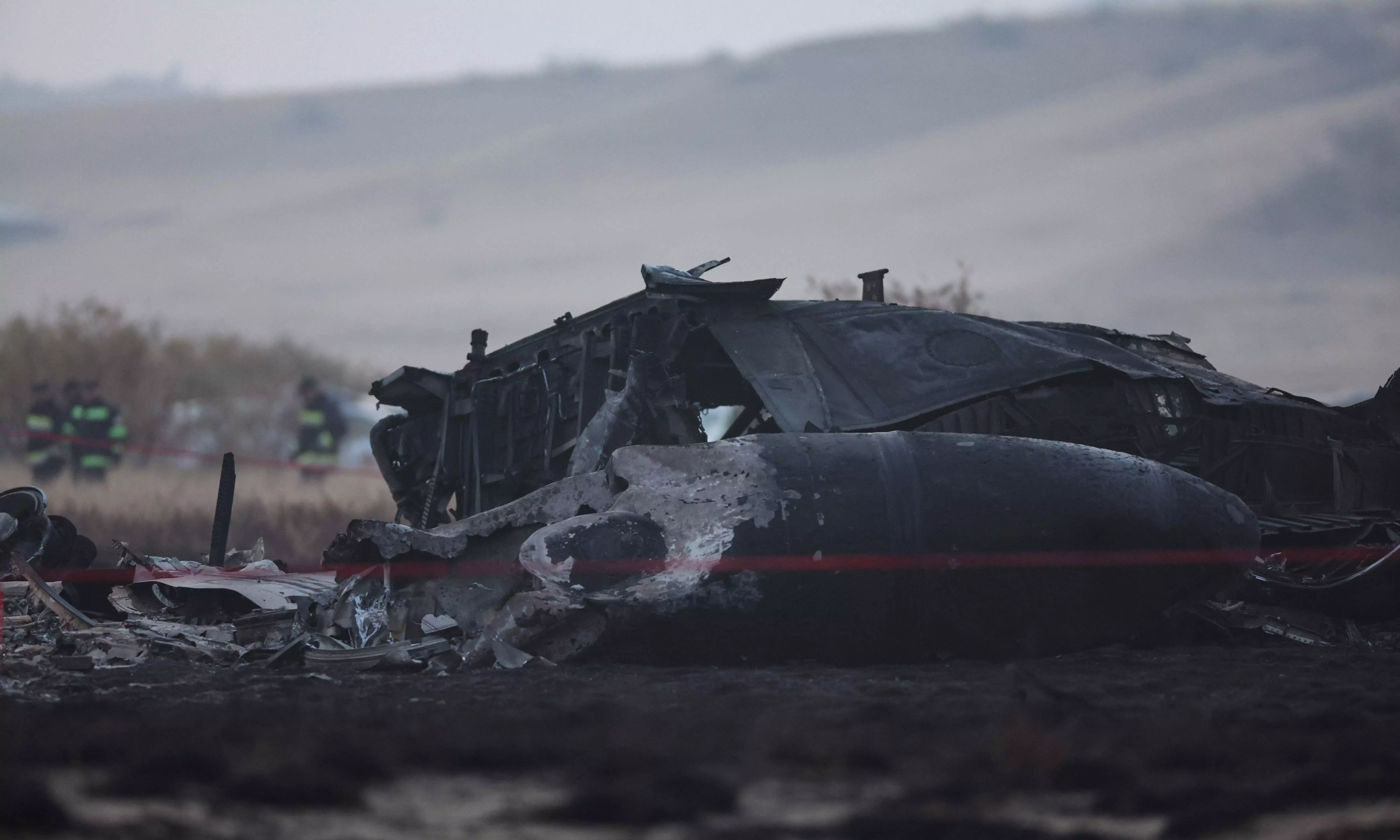
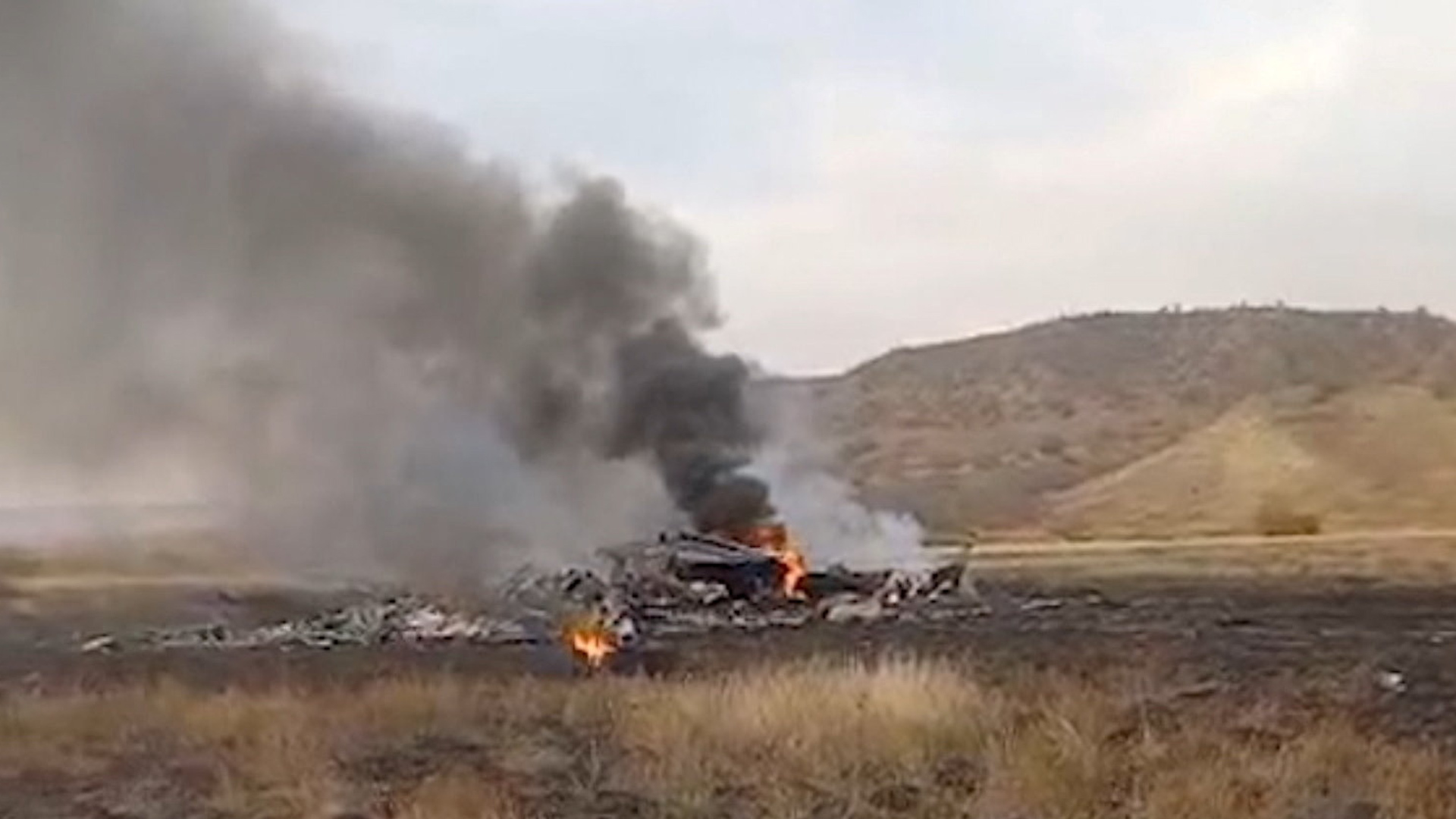
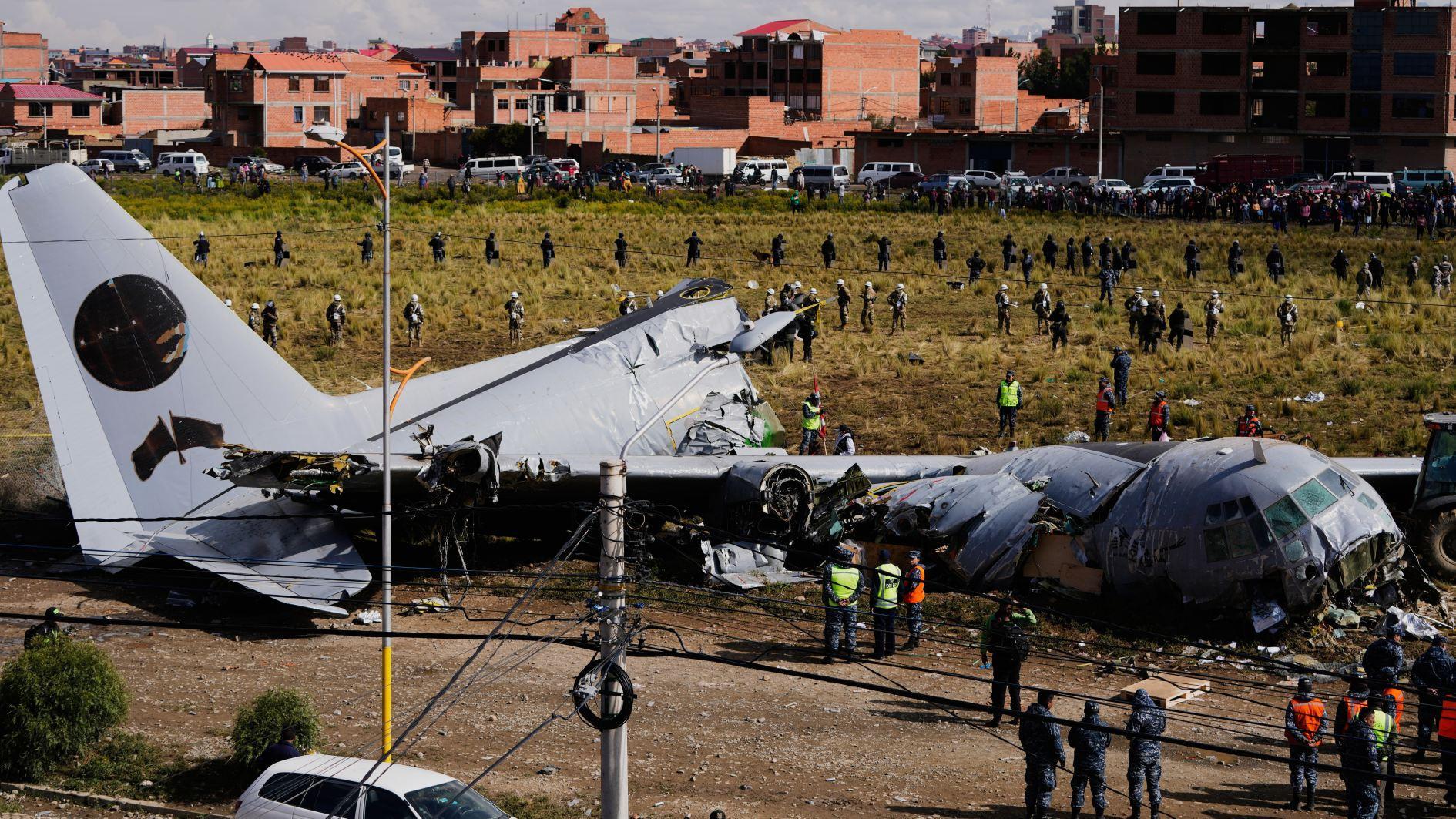
An army plane crash, classified officially as an aviation mishap, triggers an immediate and rigorous multi-agency response involving search and rescue, forensic investigation, and safety analysis. These incidents are categorized by the severity of personnel injury and property damage, with the U.S. Army Combat Readiness Center (USACRC) leading efforts to determine root causes and prevent future occurrences.
Military aviation is inherently high-risk, operating at the edge of both human performance and technological limits. While the term "army plane crash" often evokes images of large-scale disasters, the reality of military aviation safety encompasses everything from minor taxiing incidents to catastrophic structural failures during combat maneuvers. As of 2026, the Army’s approach to these incidents has evolved to integrate advanced predictive analytics and real-time monitoring, yet the core principles of mishap investigation remain grounded in transparency and technical precision.
Classification of Army Aviation Mishaps
The United States Army does not use the term "crash" in its official reporting. Instead, incidents are categorized as "mishaps" based on specific criteria outlined in Army Regulation 385-10 (The Army Safety Program). Understanding these classifications is essential for interpreting safety data and the level of investigative resources deployed.
Class A Mishaps
A Class A mishap is the most severe category. As of the 2026 fiscal guidelines, these involve a total cost of property damage of $2.5 million or more, the destruction of an Army aircraft, or an injury/occupational illness that results in a fatality or permanent total disability. When a Class A event occurs, a formal Safety Investigation Board (SIB) is convened, often involving senior aviators and technical experts from the USACRC at Fort Novosel (formerly Fort Rucker).
Class B Mishaps
Class B mishaps involve property damage totaling between $600,000 and $2.5 million. These also include incidents resulting in permanent partial disability or when three or more personnel are hospitalized as inpatients. While less severe than Class A, these incidents are viewed as "near misses" for catastrophic loss and receive significant scrutiny to identify systemic failures in maintenance or training.
Class C and D Mishaps
Class C mishaps involve damage between $60,000 and $600,000 or an injury causing at least one day of lost work. Class D mishaps are even smaller, often involving minor damage to equipment or non-disabling injuries. Despite their lower cost, the data from Class C and D events are vital for "Leading Indicator" analysis, helping safety officers spot trends before they manifest as Class A disasters.
The Dual-Track Investigation Process
When an army plane crash occurs, the military initiates two distinct investigations that run parallel but remain legally and procedurally separate. This "firewall" is critical for maintaining the integrity of the safety process.
The Safety Investigation (The "Why")
The primary goal of the Safety Investigation Board (SIB) is prevention, not punishment. Evidence gathered during this phase—including witness statements and pilot testimonies—is often "privileged." This means it cannot be used for disciplinary action. The intent is to encourage absolute honesty so investigators can find the true root cause, whether it be a design flaw, a faulty maintenance manual, or a lapse in judgment caused by fatigue.
The Legal or Collateral Investigation (The "Accountability")
Conducted under Army Regulation 15-6, this investigation is used to determine accountability. It gathers evidence that is not privileged and can be used for administrative or legal actions. If a crash was caused by gross negligence or a violation of standing orders, the 15-6 investigation provides the framework for command decisions regarding the personnel involved.
Primary Factors in Army Aviation Accidents
Analyzing decades of flight data reveals that most army plane crashes are not the result of a single failure but rather a "chain of events." In 2026, the Army continues to focus on three primary pillars of risk: Human Factors, Mechanical Failures, and Environmental Challenges.
Human Factors and Pilot Error
Statistically, human factors remain the leading cause of aviation mishaps. This does not always imply "blame" in the traditional sense. It includes:
- Spatial Disorientation: A loss of the pilot's sense of altitude or attitude, often occurring in "Degraded Visual Environments" (DVE) like dust, snow, or total darkness.
- Fatigue: Continuous operations in combat zones or high-intensity training cycles can degrade cognitive function.
- Controlled Flight Into Terrain (CFIT): An incident where an airworthy aircraft, under the control of the pilot, is unintentionally flown into the ground, a mountain, or water.
Mechanical and Maintenance Failures
Modern Army aircraft, such as the V-280 Valor (part of the Future Long Range Assault Aircraft program) and the upgraded AH-64E Apache, are incredibly complex. A single failed fastener or a software glitch in the fly-by-wire system can have catastrophic results. The Army utilizes Health and Usage Monitoring Systems (HUMS) to track component wear, but "latent defects" in manufacturing can still lead to in-flight failures.
Environmental Extremes
Army aviators operate in environments where civilian aircraft rarely venture. This includes "brownout" conditions during desert landings, "whiteouts" in arctic regions, and high-altitude mountain rescues where thin air significantly reduces engine performance and lift capacity.
Comparison of Aviation Mishap Thresholds (2026 Standards)
The following table outlines the current criteria used by the Department of the Army to classify aviation-related incidents.
| Mishap Class | Property Damage Cost (USD) | Personnel Impact | Investigation Level |
|---|---|---|---|
| Class A | $2,500,000+ or Aircraft Loss | Fatality or Permanent Total Disability | Full Safety Investigation Board (SIB) |
| Class B | $600,000 – $2,499,999 | Permanent Partial Disability / 3+ Hospitalized | Centralized/Command Level Board |
| Class C | $60,000 – $599,999 | 1+ Day Lost Work | Installation/Unit Level |
| Class D | $20,000 – $59,999 | Recordable Injury (Non-lost time) | Unit Safety Officer |
| Class E | < $20,000 | Non-reportable / "Near Miss" | Internal Tracking |
Technological Innovations in Accident Prevention
By 2026, several key technologies have become standard in reducing the frequency and severity of army plane crashes. These innovations focus on removing the "human error" component from the most dangerous phases of flight.
Degraded Visual Environment (DVE) Mitigation
New sensor suites allow pilots to "see" through dust and fog using synthetic vision systems. By overlaying a 3D digital map of the terrain onto the pilot’s heads-up display, the Army has significantly reduced the risk of spatial disorientation during low-visibility landings.
Automated Flight Controls
Modern flight control laws can now intervene if an aircraft senses an impending stall or an uncommanded descent toward the ground. These "fly-by-wire" protections act as a safety net, preventing pilots from over-stressing the airframe or entering dangerous flight regimes.
Predictive Maintenance (Big Data)
The Army now employs massive datasets to predict when a part might fail before it actually does. By analyzing vibrations and heat signatures from thousands of flight hours across the entire fleet, maintenance crews can replace components during scheduled downtime rather than responding to an in-flight emergency.
Emergency Response and Post-Crash Procedures
When an aircraft goes down, the immediate priority is the "Golden Hour"—the first 60 minutes where medical intervention is most likely to save lives.
- Notification: The Downed Aircraft Recovery Team (DART) and emergency services are notified via the flight coordination center.
- Site Securing: Military police or nearby ground units secure the perimeter to protect sensitive technology and preserve the integrity of the wreckage for investigators.
- Search and Rescue (SAR): Specialized units, often including Flight Paramedics and Combat Rescue Officers, extract survivors.
- Evidence Preservation: Once survivors are cleared, the site is documented using 3D laser scanning and drone photography before any debris is moved.
Support for Families and Personnel
The impact of an army plane crash extends far beyond the flight line. The military provides extensive resources for the families of those involved in Class A mishaps. This includes the assignment of a Casualty Assistance Officer (CAO), who helps families navigate benefits, funeral arrangements, and the long-term investigation process.
Furthermore, "Critical Incident Stress Debriefings" are conducted for the unit members. Aviation is a small community, and the loss of a crew can have a profound effect on the morale and readiness of an entire brigade. The Army emphasizes psychological health to ensure that other pilots remain "mission ready" and do not suffer from the distraction or trauma that often follows a fatal accident.
Frequently Asked Questions
What is the most common cause of army plane crashes?
Statistically, human factors—including spatial disorientation, fatigue, and loss of situational awareness—remain the most frequent contributors to mishaps. While mechanical failures occur, the complexity of modern flight operations often places demands on the aircrew that can lead to errors in high-stress environments.
How long does a military crash investigation take?
A preliminary report is usually available within 30 days, but a full Class A Safety Investigation Board report can take six months to a year. This ensures that every component is analyzed, from metallurgical testing of engine parts to a detailed review of the pilot's training records.
Are military planes more dangerous than civilian planes?
Military aircraft are not inherently "less safe," but they fly much more demanding missions. They operate in combat zones, fly at extremely low altitudes, use night-vision goggles, and perform maneuvers that civilian airliners never attempt. When normalized for the "risk profile" of the mission, Army aviation remains one of the safest high-risk professions in the world.
Can the public access army crash reports?
Redacted versions of Safety Investigation Board reports may be available through Freedom of Information Act (FOIA) requests, though "privileged" information is often withheld to protect the safety process's integrity. Legal (AR 15-6) reports are generally more accessible once the case is closed.
What happens to a pilot if they survive a crash?
A pilot involved in a major mishap is typically grounded ("downed") pending a medical evaluation and a Flight Evaluation Board (FEB). The goal is to determine if the pilot is physically and mentally fit to return to duty and whether further training is required.
Final Recommendation for Safety and Information
For those seeking information on a specific incident or general safety trends, the U.S. Army Combat Readiness Center is the definitive source for official data and safety training materials. If you are a family member of a service member involved in an incident, always coordinate through your assigned Casualty Assistance Officer to ensure you receive verified information rather than relying on unofficial media reports.
The evolution of Army aviation toward 2026 and beyond continues to prioritize the "Man-Machine Interface." By combining rigorous traditional investigation methods with modern predictive technology, the Army aims to drive the mishap rate as close to zero as possible, acknowledging that in the domain of military flight, eternal vigilance is the price of safety.