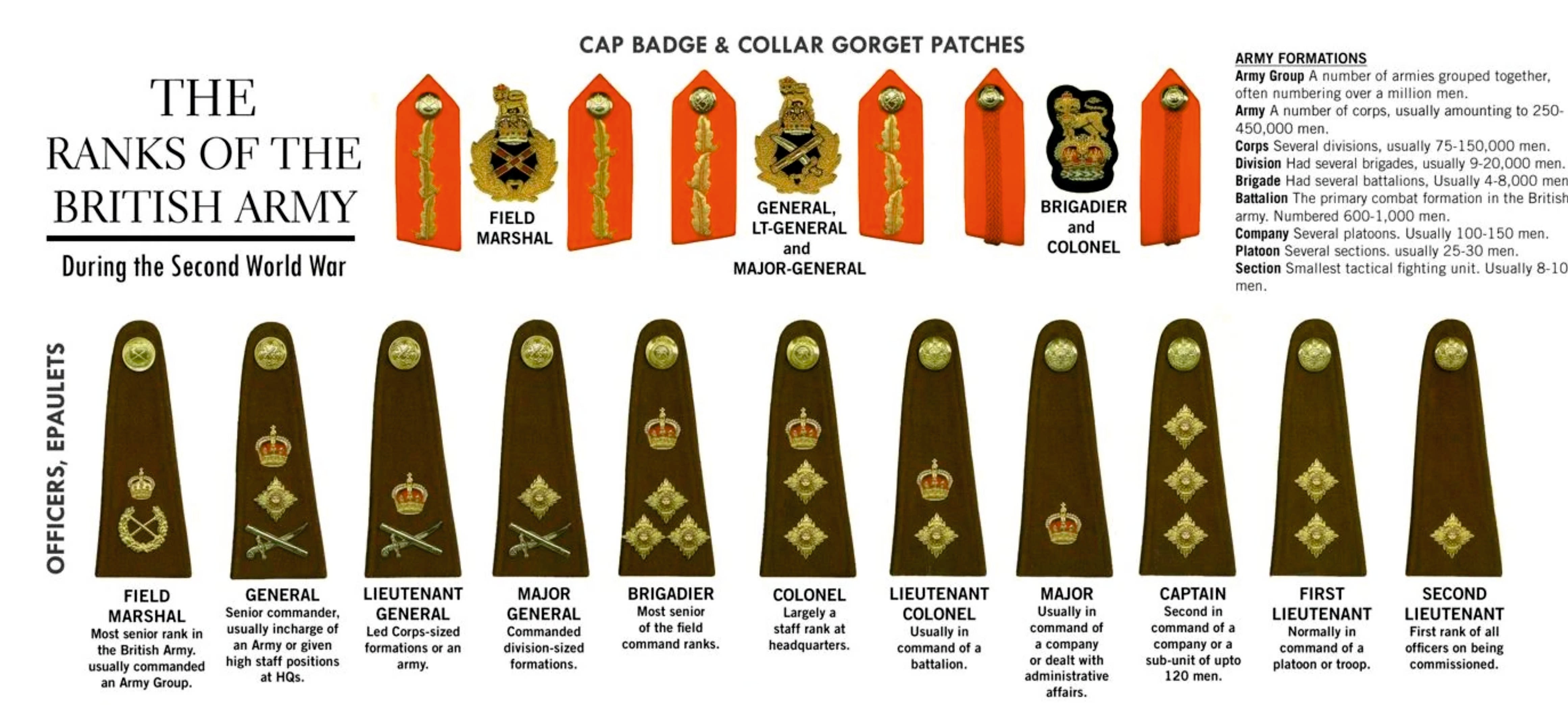
In the United States Army, the rank immediately following Captain (O-3) is Major (O-4). This promotion signifies a monumental shift from company-grade leadership to field-grade officer status. Achieving the rank of Major typically requires 10 to 12 years of commissioned service and successful selection by a centralized Department of the Army promotion board.
The journey from a Captain to a Major is often described as the most significant "filter" in an Army officer's career. While the transition from Second Lieutenant to First Lieutenant, and then to Captain, is largely based on time-in-grade and the absence of negative indicators, the jump to Major is highly competitive. It represents the point where the Army determines which officers possess the analytical depth and leadership capacity to manage complex operational environments rather than just tactical units.
As of 2026, the requirements for this transition remain rigorous, governed by statutory limits and the Army’s evolving needs for multi-domain operations. Understanding the rank after Captain requires looking beyond the gold oak leaf insignia to the professional military education, the selection board process, and the increased responsibilities that define a field-grade officer.
The Significance of Field-Grade Status
The promotion to Major marks the entry into the "Field Grade" ranks, which also include Lieutenant Colonel (O-5) and Colonel (O-6). This is not merely a change in pay or title; it is a fundamental shift in the officer's identity and function within the organization.
From Tactical to Operational Focus
Captains are primarily tactical experts. They command companies, batteries, or troops—units ranging from 60 to 200 soldiers—and their focus is on the direct execution of missions. In contrast, a Major functions at the operational level. While a Captain is concerned with the "how" of a specific engagement, a Major is often responsible for the "what" and "why" of broader mission sets, serving as the connective tissue between high-level strategy and tactical execution.
The Staff Officer Paradigm
For many officers, becoming a Major means moving from being the person "in charge" of a unit to being a "staff officer" who supports a commander. This transition is often culturally difficult. Majors are the "workhorses" of the Army staff. They inhabit the roles of Executive Officers (XO) and Operations Officers (S-3) at the Battalion and Brigade levels. In these roles, they do not have the same direct authority over a large body of soldiers that a Company Commander does, but they wield immense influence over the planning and synchronization of thousands of troops.
Prerequisites for Promotion to Major
To be considered for the rank after Captain, an officer must meet specific milestones established by the Department of Defense and the Department of the Army. These are categorized into time requirements, educational standards, and performance evaluations.
Time in Grade (TIG) and Time in Service (TIS)
Under the Defense Officer Personnel Management Act (DOPMA), which remains the foundational legal framework for military promotions in 2026, there are specific "zones" for promotion.
- Time in Grade: Most Captains must serve approximately five to six years in their current rank before being eligible for Major.
- Time in Service: The "primary zone" for promotion to Major usually opens around the 10-year mark of an officer’s total commissioned service.
Professional Military Education (PME)
One of the absolute prerequisites for being competitive for Major is the completion of the Captains Career Course (CCC). Following this, once selected for Major, the officer must attend Intermediate Level Education (ILE), formerly known as the Command and General Staff Officers' Course (CGSOC).
ILE is a critical turning point. It is a year-long program (or a shorter satellite version for some branches) that teaches officers how to think at the operational level. It covers joint operations, military history, leadership theory, and the complexities of the modern battlefield. Completion of ILE is generally required for an officer to be considered "fully qualified" for further promotion to Lieutenant Colonel.
The Officer Evaluation Report (OER) Record
The "file" is the most important factor in the transition. The Army uses the DA Form 67-10 series for performance evaluations. A Captain’s record must show a consistent history of "Most Qualified" (MQ) ratings, particularly in Key Development (KD) positions. A "Most Qualified" rating indicates that the officer performed in the top 49% of their peers, as limited by Army regulations to prevent "rating inflation."
The Centralized Selection Board Process
Unlike the lower ranks, where promotion can feel automatic if one stays out of trouble, the rank of Major is awarded through a Centralized Selection Board. This board, conducted at Human Resources Command (HRC), consists of senior officers who review the "boards file" of every eligible Captain.
The Board File
An officer’s board file contains:
- Performance Folder: Every OER received since commissioning.
- Education Folder: Transcripts from civilian universities and military schools.
- Commendatory/Derogatory Folder: Awards (like the Bronze Star or Meritorious Service Medal) and any administrative reprimands (like a GOMOR).
- The DA Photo (or equivalent record): While the physical photo has been removed from board views in recent years to mitigate bias, the Soldier Record Brief (SRB) provides a digital snapshot of the officer's career.
Primary Zone vs. Below the Zone
The board considers officers in three categories:
- Below the Zone (BZ): High-performers considered for promotion a year early. This is extremely competitive and usually reserved for the top 1% to 5% of the year group.
- Primary Zone (PZ): The standard window for promotion.
- Above the Zone (AZ): Officers who were previously passed over but are being considered again.
Failure to select for promotion in the Primary Zone and then the Above the Zone usually triggers the "Up or Out" policy, where an officer may be required to separate from active duty, though some may be offered "continuation" to reach retirement at 20 years depending on the Army's manning needs.
Typical Roles and Responsibilities of a Major
Once the gold oak leaf is pinned on, the officer's daily life changes significantly. Majors are defined by their "Key Development" (KD) assignments, which are essential for further advancement.
The Battalion Executive Officer (XO)
The XO is the second-in-command of a battalion (approx. 500–800 soldiers). However, they are not just a "backup commander." The XO is the chief of staff. They manage the battalion’s budget, maintenance programs, logistics, and the administrative staff. If the Commander is the "soul" of the unit, the XO is the "engine" that keeps it running.
The Operations Officer (S-3)
The S-3 is responsible for planning and executing all training and combat operations for the unit. This is widely considered the most demanding job for a Major. The S-3 must look 90 to 180 days into the future, anticipating needs for ammunition, fuel, airspace, and personnel, while simultaneously managing the current day's operations.
Staff Roles at Higher Echelons
Majors also serve on Brigade, Division, and Corps staffs. Here, they might serve as "Assistant S-3s" or lead specific cells like the "Current Ops" or "Future Plans" cells. At the Pentagon or in Combatant Commands (like CENTCOM or EUCOM), a Major might serve as a "functional area" expert, specializing in fields like Cyber, Intelligence, or Public Affairs.
Compensation and Benefits: The O-4 Level
Promoting to Major brings a significant increase in financial compensation. In 2026, the military pay scale continues to reward the transition from O-3 to O-4 with both base pay increases and higher allowances.
Base Pay and Longevity
Because a Major typically has over 10 years of service, they move into a higher bracket of the pay table. A Major with 10 years of service earns significantly more than a Captain with 8 years. Base pay is subject to annual adjustments by Congress via the National Defense Authorization Act (NDAA).
Allowances
- BAH (Basic Allowance for Housing): Majors receive a higher BAH rate than Captains, reflecting their increased seniority and the expectation of supporting a family or maintaining a higher standard of living.
- BAS (Basic Allowance for Subsistence): This remains a flat rate for all officers but contributes to the overall package.
Retirement Implications
The 10-year mark, which usually coincides with the promotion to Major, is a psychological and financial milestone. Under the Blended Retirement System (BRS) or the legacy High-3 system, reaching O-4 puts an officer past the halfway point to a 20-year pension. For many, the promotion to Major is the "point of no return" where they commit to a full 20-year career.
Comparison: Captain vs. Major
| Feature | Captain (CPT / O-3) | Major (MAJ / O-4) |
|---|---|---|
| Insignia | Two Silver Bars | Gold Oak Leaf |
| Grade Category | Company Grade | Field Grade |
| Typical Role | Company Commander / Staff | Executive Officer / Operations Officer |
| Years of Service | 4 to 10 Years | 10 to 16 Years |
| Selection Type | Fully Qualified (Standard) | Best Qualified (Board Selected) |
| Focus | Tactical Execution | Operational Planning |
| Education | Captains Career Course (CCC) | Intermediate Level Education (ILE) |
The Challenges of the O-4 Transition
The move to Major is not without its difficulties. Officers often face "Field Grade Burnout" due to the high tempo and administrative burden of the rank.
- The "Iron Major" Phenomenon: Majors are expected to work long hours to ensure staff synchronization. The term "Iron Major" refers to those who maintain high performance under the crushing weight of staff requirements.
- Decreased Autonomy: While a Captain has the autonomy of command, a Major is often at the whim of the Commander’s priorities. Learning to lead through influence rather than direct command is a difficult skill to master.
- Specialization: At the rank of Major, many officers "branch transfer" into Functional Areas. These are non-combat arms roles like Information Operations (FA30), Simulations Operations (FA57), or Foreign Area Officer (FAO). This allows the Army to leverage specialized skills at the O-4 level.
Frequently Asked Questions
1. Does every Army Captain eventually become a Major?
No. The promotion to Major is a competitive process. While the selection rate varies based on the Army's needs in a given year, it typically ranges between 70% and 85% for those in the primary zone. Factors like a poor OER, legal issues, or failure to complete the Captains Career Course can prevent promotion.
2. Is a Major higher than a Captain in all branches?
Yes, in all branches of the U.S. Armed Forces (Army, Marine Corps, Air Force, and Space Force), a Major (O-4) is the rank immediately above a Captain (O-3). In the Navy and Coast Guard, the equivalent rank to a Major is a Lieutenant Commander (O-4), which follows the rank of Lieutenant (O-3).
3. How do I identify a Major’s rank on their uniform?
In the U.S. Army, a Major wears a gold oak leaf. This is often confusing for civilians, as a Lieutenant Colonel (O-5) wears a silver oak leaf. In the military, silver typically outranks gold when it comes to insignia of the same shape.
4. What is the "Up or Out" policy for Captains?
Legally, if a Captain is "twice non-selected" for promotion to Major, they are generally required to separate from the Army. This ensures that the officer corps remains "young and vigorous" and that promotion slots are not blocked by individuals who are not advancing in their professional development.
5. How long is the wait between selection and pinning on Major?
After the board results are released (the "list"), it can take several months to a year for an officer to actually pin on the rank. This depends on their "sequence number," which is assigned based on seniority. Promotions occur monthly as vacancies open up.
Practical Recommendation for Aspiring Majors
For Captains currently looking toward the rank of Major, the most critical action is to secure a Key Development (KD) position early. For most basic branches, this means Company Command. Successful command—documented by a "Most Qualified" OER—is the single most important ticket to the rank of Major.
Furthermore, officers should prioritize their Officer Record Brief (ORB/SRB) accuracy. Ensure all awards, schools, and physical fitness data are updated well before the board meets. In the 2026 operational environment, diversifying one's experience—such as serving in a joint environment or completing an advanced civilian degree—can also provide the competitive edge needed for "Below the Zone" consideration or selection into prestigious Functional Areas.