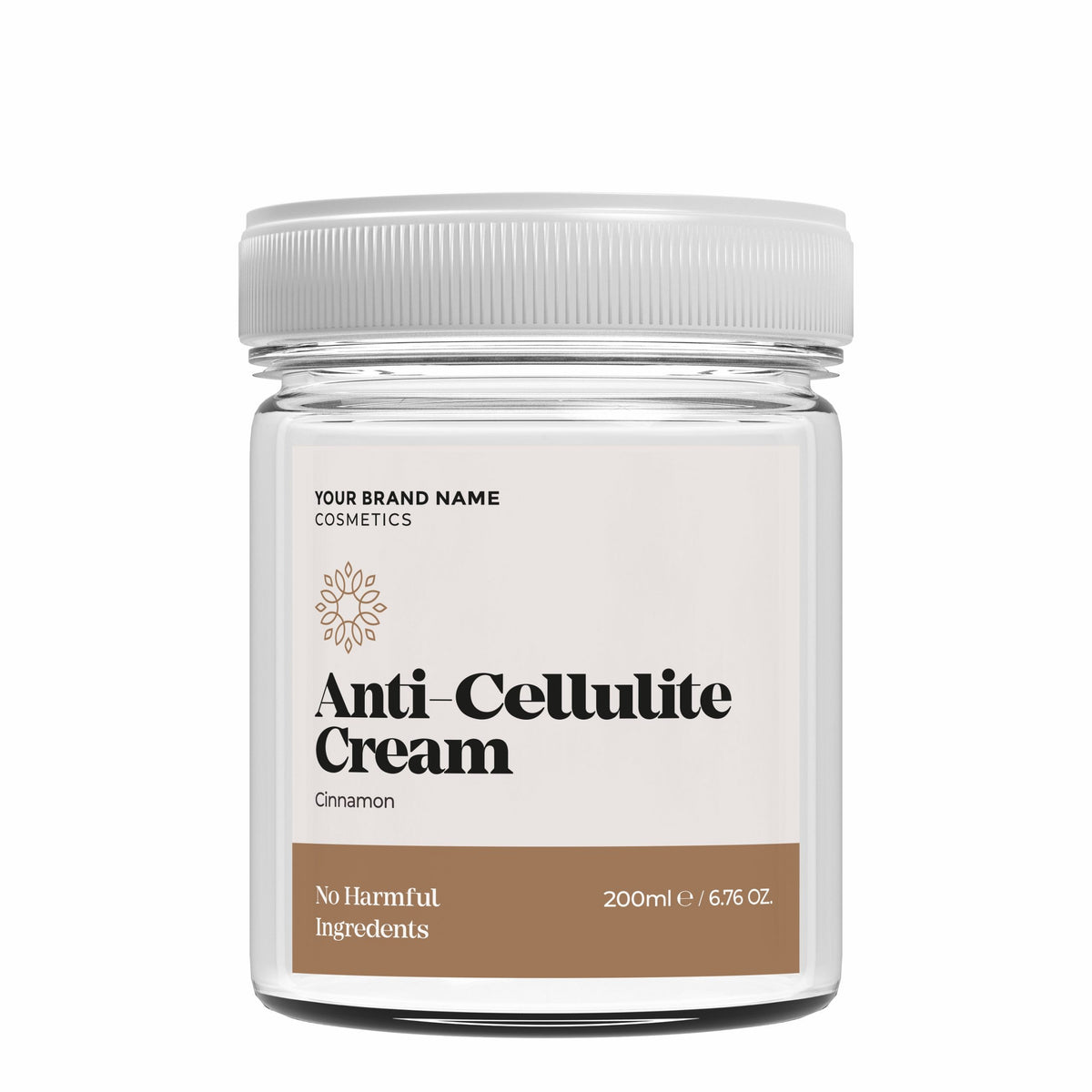
Anti cellulite lotions are topical formulations designed to temporarily improve the appearance of skin dimpling by hydrating the dermis, stimulating local microcirculation, and thickening the skin’s structure. While these products do not permanently eliminate fat, they utilize active ingredients like caffeine and retinol to create a smoother, firmer skin surface.
Cellulite remains one of the most common cosmetic concerns, affecting nearly 80% to 90% of post-pubertal women regardless of body mass index. In 2026, the market for anti cellulite lotions has shifted toward "clean clinical" formulations that prioritize both high-potency synthetic actives and bio-available botanical extracts. To understand how these lotions function, it is essential to first distinguish between the physiological structure of cellulite and the localized action of topical treatments.
The Physiology of Cellulite and How Topicals Intervene
Cellulite, medically referred to as gynoid lipodystrophy, is not a condition of "toxic fat," but rather a structural issue involving the relationship between fat cells and connective tissue. In the hypodermis, fat cells are organized into chambers by vertical bands of connective tissue called septae. When fat cells enlarge or the septae become rigid and inelastic, the fat protrudes upward into the dermis while the septae pull the skin downward. This creates the characteristic "orange peel" or "cottage cheese" texture.
Anti cellulite lotions target this phenomenon through three primary mechanisms:
- Dermal Thickening: By stimulating collagen and elastin production, lotions help thicken the skin. Thicker skin is more opaque and resilient, making the underlying fat protrusions less visible.
- Lipolysis Stimulation: Certain ingredients aim to penetrate the upper layers of the skin to signal fat cells to break down lipids (lipolysis), though the depth of penetration remains a subject of ongoing dermatological study.
- Microcirculation and Edema Reduction: Cellulite is often exacerbated by poor lymphatic drainage and fluid retention. Topicals often include vasoconstrictors to reduce swelling and improve the "tightness" of the skin area.
According to the American Academy of Dermatology (AAD), while no topical cream can permanently remove cellulite, those containing specific actives can provide a visible, albeit temporary, difference in skin texture.
Essential Ingredients in Modern Anti Cellulite Lotions
In 2026, the efficacy of an anti cellulite lotion is judged by its "active load"—the concentration of ingredients proven to interact with skin biology. When selecting a product, consumers should prioritize the following scientifically backed components.
Methylxanthines: Caffeine and Aminophylline
Caffeine remains the gold standard in the anti-cellulite category. It functions as a phosphodiesterase inhibitor, which prevents the degradation of cyclic AMP (cAMP) in fat cells. Elevated levels of cAMP stimulate the enzyme lipase to break down stored triglycerides into free fatty acids. Furthermore, caffeine has a dehydrating effect on fat cells, which temporarily shrinks them and leads to a smoother surface appearance.
Retinoids (Vitamin A Derivatives)
Retinol and its more potent counterparts are crucial for long-term improvement. Unlike caffeine, which provides immediate but short-lived results, retinol works over several months to increase dermal thickness. By boosting collagen synthesis, retinoids strengthen the skin's "envelope," making it harder for fat cells to bulge through.
Botanical Stimulants: L-Carnitine and Coenzyme Q10
L-Carnitine is an amino acid derivative involved in energy metabolism; it helps transport fatty acids into the mitochondria to be burned for energy. Coenzyme Q10 (CoQ10) serves as a powerful antioxidant that protects the skin’s structural proteins from oxidative stress, ensuring the skin remains elastic and firm.
Centella Asiatica and Horse Chestnut
These botanical extracts focus on the vascular aspect of cellulite. Centella Asiatica (Gotu Kola) supports connective tissue remodeling, while Horse Chestnut (Aesculus hippocastanum) contains aescin, a compound known to reduce capillary permeability and improve venous tone, thereby reducing the "puffiness" associated with cellulite.
Advanced Delivery Systems and 2026 Trends
The greatest challenge for any anti cellulite lotion is penetration. The skin is an evolutionary barrier designed to keep substances out. In 2026, the industry has widely adopted liposomal encapsulation and nanotechnology to ferry active ingredients deeper into the stratum corneum.
- Liposomes: These are microscopic spheres made of phospholipids (the same material as cell membranes). By encasing caffeine or retinol in liposomes, manufacturers ensure the ingredients are released slowly over several hours, increasing their window of effectiveness.
- Microbiome-Friendly Formulations: Modern lotions now incorporate prebiotics and postbiotics. A healthy skin microbiome ensures that the skin barrier is intact, which paradoxically allows for better controlled absorption of active ingredients without causing irritation.
- Thermal Actives: Some 2026 formulations include "warming" or "cooling" agents like vanillyl butyl ether or menthol. While these provide a sensory experience, they also induce localized vasodilation, which may enhance the uptake of other active ingredients in the formula.
Comparing Types of Anti Cellulite Topicals
Not all formulations are created equal. The choice between a cream, gel, or oil often depends on the user's skin type and the desired speed of results.
| Format | Primary Benefit | Absorption Speed | Best For |
|---|---|---|---|
| Lotion/Cream | High hydration and dermal thickening | Medium | Daily maintenance and dry skin |
| Gel-Serum | Immediate tightening and high caffeine load | Fast | Pre-workout use or humid climates |
| Body Oil | Intense massage glide and lipid barrier repair | Slow | Use with massage tools (Gua Sha, rollers) |
| Concentrated Ampoules | Highest active concentration for "shock" treatment | Instant | Short-term use before events |
The Role of Mechanical Stimulation and Massage
Application technique is arguably as important as the lotion itself. Research suggests that the mechanical action of massaging the skin helps to manually break up fluid pockets and stimulate lymphatic drainage.
In 2026, many dermatologists recommend the "pinch and roll" technique. By pinching the skin between the thumb and fingers and rolling it upward, users can help soften the rigid fibrotic septae that cause the dimpling. Using a dedicated anti cellulite lotion provides the necessary "slip" to perform these movements without causing skin trauma. Furthermore, the heat generated by massage can increase local blood flow, potentially aiding the absorption of the lotion’s active ingredients.
Realistic Expectations and Limitations
It is critical to approach anti cellulite lotions with a realistic mindset. According to the Mayo Clinic, cellulite is influenced by genetics, skin thickness, age, and hormone levels. No topical treatment—regardless of price or technology—can alter one's genetic predisposition to cellulite or permanently remove adipose tissue.
What Lotions Can Do:
- Temporarily smooth the skin surface.
- Increase skin firmness and elasticity.
- Hydrate the skin to minimize the appearance of "crinkly" textures.
- Improve the look of cellulite for 8 to 24 hours (depending on the formulation).
What Lotions Cannot Do:
- Cause significant or permanent weight loss.
- Replace the need for a healthy diet and resistance training.
- Permanently dissolve the fibrous septae that cause deep dimples.
Common Mistakes When Using Anti Cellulite Lotions
To maximize the benefits of these products, avoid these common pitfalls:
- Inconsistency: Many users apply the product for a week and stop. Most clinical studies on retinol-based body creams show that significant dermal thickening requires 12 to 24 weeks of daily application.
- Applying to Dry, Cold Skin: Ingredients penetrate more effectively when the skin is warm and slightly damp. The best time to apply is immediately after a warm shower.
- Neglecting Exfoliation: Dead skin cell buildup acts as a barrier. Using a chemical exfoliant (like Salicylic Acid) or a physical scrub twice a week ensures the anti-cellulite actives can actually reach the living layers of the skin.
- Over-reliance on Topicals: Cellulite management is multi-factorial. Relying solely on a lotion while ignoring hydration and movement will lead to disappointing results.
Frequently Asked Questions
Do anti cellulite lotions actually work?
Yes, but their effect is primarily cosmetic and temporary. They work by hydrating the skin and using ingredients like caffeine to temporarily shrink fat cells and vasoconstriction to reduce swelling. Long-term use of lotions containing retinol can also thicken the skin, making cellulite less noticeable. They do not "cure" the underlying structural causes of cellulite.
How long does it take to see results?
Caffeine-based gels can provide a tightening effect within 30 to 60 minutes. However, structural changes—such as those triggered by retinol or peptides—generally take 8 to 12 weeks of consistent, twice-daily application to become visible to the naked eye.
Can I use these lotions while pregnant or breastfeeding?
Many anti cellulite lotions contain high levels of caffeine or retinol. Retinoids, in particular, are generally advised against during pregnancy. Always consult with a healthcare provider before introducing intensive topical treatments during pregnancy or while nursing.
Is there a difference between "firming" lotions and "anti-cellulite" lotions?
While the terms are often used interchangeably, anti-cellulite lotions specifically target the mechanisms of fat cell metabolism and lymphatic drainage (using caffeine or carnitine). Firming lotions focus more broadly on the skin's surface proteins, such as collagen and elastin, to treat sagging or crepey skin.
Does drinking water help the lotion work better?
Indirectly, yes. Dehydration causes the skin to become thinner and less elastic, which makes cellulite much more prominent. Maintaining systemic hydration ensures your skin has the baseline health needed to respond to the active ingredients in your topical treatments.
Practical Recommendations for 2026
If you are looking to integrate an anti cellulite lotion into your routine, follow this three-step protocol for the best results:
- Preparation: Use a dry brush or a gentle body scrub in the shower to remove dead skin cells and "wake up" the circulatory system.
- Application: Apply a generous amount of lotion to the thighs, buttocks, or abdomen. Use firm, circular motions and upward strokes to encourage lymphatic drainage toward the lymph nodes in the groin or armpits.
- Synergy: Combine your topical routine with regular strength training. Increasing muscle tone underneath the fat layer provides a smoother "foundation" for the skin, which significantly enhances the visible smoothing effect of any lotion.
For those seeking more dramatic results, consider anti cellulite lotions as a maintenance tool to be used alongside professional treatments like subcision, acoustic wave therapy, or radiofrequency treatments. While the lotion provides the daily surface refinement, clinical procedures can more effectively address the deeper structural bands.