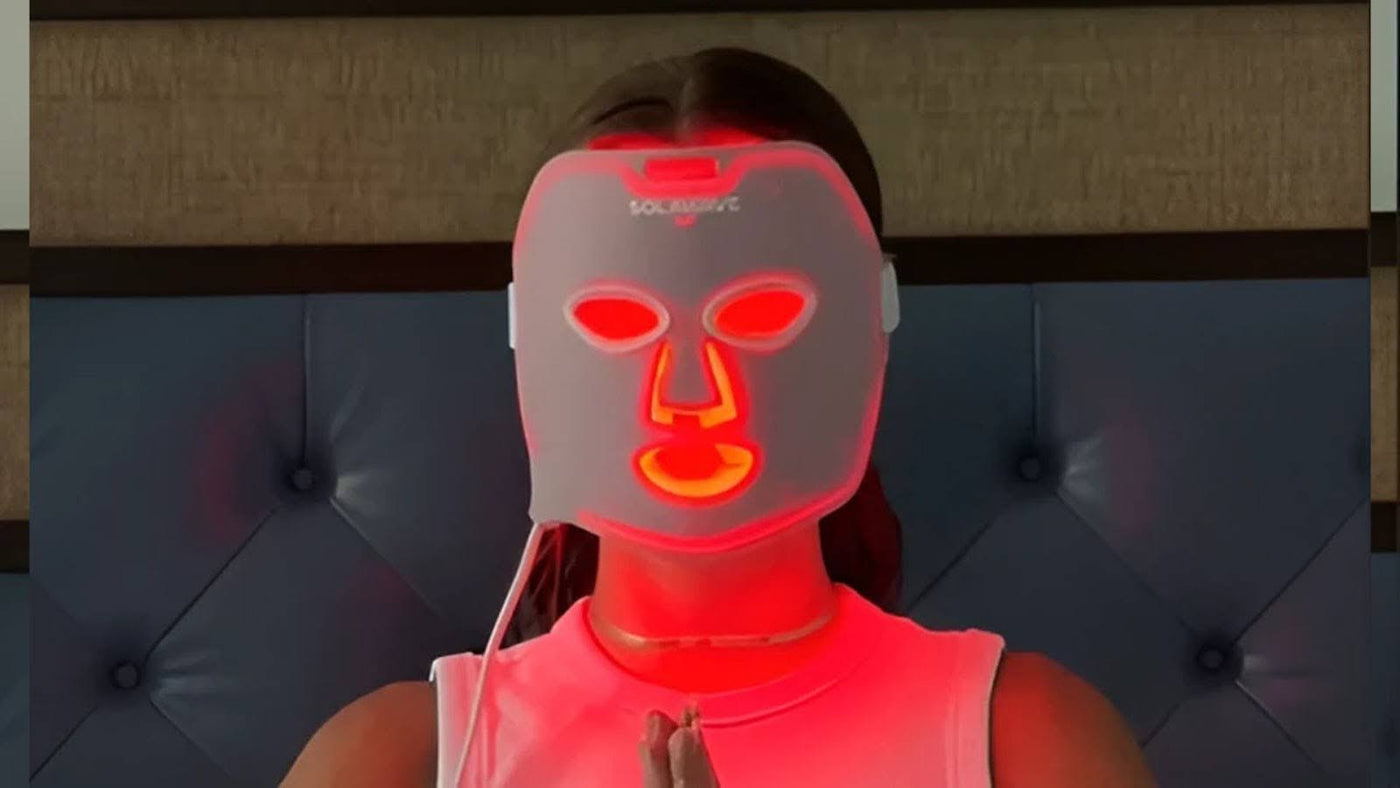
Red light therapy (RLT) for anti-aging works by utilizing specific wavelengths of light to stimulate cellular energy production, primarily through the activation of mitochondria. As of 2026, clinical evidence confirms that consistent exposure to wavelengths between 630nm and 850nm effectively increases collagen density, reduces fine lines, and improves skin texture. It benefits individuals seeking non-invasive skin rejuvenation, particularly those addressing early signs of photoaging or seeking to maintain dermal elasticity.
The Biological Mechanism: How Photobiomodulation Reverses Aging
To understand what works in red light therapy, one must first understand photobiomodulation (PBM). This is the technical term for how light triggers biological changes in the body. Unlike high-intensity lasers that damage the skin to trigger a healing response, red light therapy is non-thermal and non-ablative.
The primary target of RLT is an enzyme called cytochrome c oxidase, located within the mitochondria of our cells. When we expose skin cells to specific red and near-infrared (NIR) wavelengths, this enzyme absorbs the light photons. This absorption kicks off a cascade of events: it breaks the bond between nitric oxide and cytochrome c oxidase, allowing oxygen to bind more effectively. This results in an increase in the production of adenosine triphosphate (ATP), the primary energy currency of the cell.
In the context of anti-aging, "what works" is the byproduct of this increased energy. When fibroblasts—the cells responsible for connective tissue—have more ATP, they produce more collagen and elastin. These proteins are the structural scaffolding of the skin. As we age, collagen production naturally declines; RLT works by chemically signaling these cells to return to a more youthful state of productivity.
Determining What Works: Wavelengths and Irradiance
Not all light is created equal. For an anti-aging protocol to be effective in 2026, it must adhere to specific parameters regarding wavelength and power density (irradiance).
The Gold Standard Wavelengths
Research has narrowed down the "optical window" where light best penetrates human tissue without being absorbed by water or hemoglobin.
- 630nm to 660nm (Red Light): These wavelengths are shorter and are primarily absorbed by the skin's uppermost layers. This is the range most effective for treating fine lines, surface wrinkles, and skin tone irregularities.
- 810nm to 850nm (Near-Infrared Light): These wavelengths are longer and can penetrate several centimeters into the body. While they are invisible to the naked eye, they are crucial for deep tissue repair, reducing systemic inflammation, and stimulating the deeper dermal layers where structural sagging begins.
The Importance of Irradiance
"What works" also depends heavily on irradiance, measured in milliwatts per square centimeter (mW/cm²). Many consumer-grade masks in previous years failed because their irradiance was too low to reach the target cells effectively within a reasonable timeframe. To achieve clinical-grade results at home, a device should ideally deliver at least 40-50 mW/cm² at the treatment distance. If the power is too low, the "dose" (measured in Joules) will be insufficient to trigger the photobiomodulation response.
Who Benefits Most from Red Light Therapy?
While RLT is generally safe for all skin types, certain demographics and skin concerns see more pronounced results.
The "Preventative" Group (Ages 25–35)
Individuals in their late 20s and early 30s benefit from RLT as a preventative measure. During this phase, collagen production begins its initial decline. By using RLT, these users can maintain existing collagen density and delay the onset of static wrinkles. In 2026, this "pre-juvenation" trend is supported by data showing that consistent users maintain skin thickness longer than those who rely solely on topical treatments.
The "Repair" Group (Ages 40–65+)
For those with visible photoaging—sun spots, crow’s feet, and loss of elasticity—RLT acts as a repair mechanism. It helps thicken the skin, which naturally thins with age, making it look more resilient and "plump." People in this age bracket benefit most from devices that combine both red and near-infrared light, as the NIR component addresses the deeper structural degradation associated with older skin.
Individuals with Chronic Inflammation or Sensitive Skin
Unlike chemical peels or retinoids, which can be irritating, RLT is inherently anti-inflammatory. It is an ideal anti-aging solution for people with rosacea or sensitive skin who cannot tolerate aggressive topical anti-aging ingredients. By reducing cytokine levels (inflammatory markers), RLT calms the skin while simultaneously building collagen.
| Feature | 630nm - 660nm (Red) | 810nm - 850nm (NIR) |
|---|---|---|
| Primary Target | Epidermis and Upper Dermis | Deep Dermis and Subcutaneous Tissue |
| Main Benefit | Fine lines, skin texture, acne | Deep wrinkles, inflammation, muscle recovery |
| Visibility | Visible bright red light | Invisible (may appear as a faint glow) |
| Anti-Aging Role | Surface smoothing and glow | Structural integrity and cellular repair |
| Recommended Use | Daily or 5x per week | 3-5x per week |
Clinical Results: What Can You Realistically Expect?
It is vital to distinguish between marketing hype and physiological reality. RLT is not a surgical facelift; it is a biological optimization.
- Increased Collagen Density: Studies using ultrasound imaging have shown that regular RLT use over 8 to 12 weeks significantly increases the thickness of the dermal layer. This results in "bouncier" skin.
- Reduction in Wrinkle Depth: While it may not erase deep-set expression lines (like those between the eyebrows), it effectively softens fine lines around the eyes (periorbital wrinkles) and mouth.
- Improved Microcirculation: RLT promotes angiogenesis—the formation of new capillaries. This improves the delivery of oxygen and nutrients to the skin, resulting in what many call the "red light glow."
- Faster Healing: For those who undergo more aggressive treatments like microneedling or CO2 lasers, RLT is a powerful adjunct. It reduces downtime by roughly 30-50% by accelerating the inflammatory phase of wound healing.
What Doesn't Work: Managing Expectations
To avoid disappointment, users must understand the limitations of the technology.
- Instant Results: RLT is a "slow burn" therapy. Because it relies on the body's natural cellular processes to build new proteins, visible results typically take 4 to 12 weeks of consistent use.
- Inconsistent Use: The benefits of RLT are cumulative but also perishable. If you stop using the therapy entirely, the skin will eventually return to its natural aging trajectory. Maintenance (1-2 times per week) is required after the initial loading phase.
- Low-Quality LEDs: Many "budget" devices use simple red LEDs that do not emit the specific wavelengths required for PBM or lack the power to penetrate the skin barrier.
- Overdosing: More is not always better. There is a phenomenon in photobiology called the Biphasic Dose Response. If you apply too much light for too long, the benefits level off and can eventually become counterproductive by causing oxidative stress.
Safety and Technical Considerations for 2026
Red light therapy is widely recognized as safe by the FDA and international regulatory bodies, provided that devices are used according to manufacturer guidelines. However, there are specific considerations for anti-aging users.
Eye Protection
While red light is generally safe, near-infrared light can potentially cause thermal damage to the lens or retina if viewed directly for extended periods. When using high-output panels, opaque goggles or specific NIR-blocking eyewear are recommended. Many wearable masks are designed with eye cutouts or silicone shielding to mitigate this risk.
Photosensitivity and Medications
Certain medications, such as Accutane (isotretinoin), specific antibiotics (tetracyclines), or some chemotherapy drugs, can make the skin hypersensitive to light. If you are using any medication that carries a "photosensitivity" warning, consult a medical professional before starting an RLT regimen.
The Role of Topicals
For maximum anti-aging benefits, RLT should be performed on clean, bare skin. Most creams, especially those containing zinc or heavy oils, can reflect or absorb the light before it reaches the dermis. However, some 2026 formulations are specifically designed to be "photo-activated," using green tea polyphenols or specialized peptides that synergize with red light.
FAQ
Does red light therapy work for deep wrinkles and sagging skin?
Red light therapy is highly effective for fine lines and skin texture, but it has limitations for deep structural sagging (ptosis). While it improves the quality of the skin covering the face, it cannot tighten underlying muscle or significantly reposition fat pads in the way a surgical facelift or high-intensity focused ultrasound (HIFU) might. It is best used as a foundational treatment to improve skin health.
How often should I use red light therapy for anti-aging?
For the initial "loading phase," most clinical protocols suggest 10 to 20 minutes, 3 to 5 times per week, for at least 8 to 12 weeks. Once the desired results are achieved, a maintenance phase of 2 times per week is usually sufficient to sustain collagen production levels.
Can red light therapy cause hyperpigmentation or melasma?
In most cases, RLT helps even out skin tone. However, for a small percentage of individuals with heat-sensitive melasma, the slight warmth from some high-powered NIR devices could potentially trigger a flare-up. If you have melasma, it is recommended to use "cool" LED devices and perhaps stick to red light (660nm) rather than near-infrared (850nm), as the latter penetrates deeper and generates more internal heat.
Is there a difference between red light panels and wearable masks?
Yes. Panels typically offer higher irradiance and can cover the face, neck, and chest simultaneously, but they require the user to sit still at a specific distance. Wearable masks offer convenience and consistent proximity to the skin but often have lower power output. For significant anti-aging results, the choice should be based on whether the device meets the irradiance threshold of at least 40 mW/cm².
Should I use red light therapy in the morning or at night?
From a skin-health perspective, timing does not significantly impact the anti-aging results. However, some evidence suggests that morning use may help protect the skin against UV-induced damage throughout the day (a process known as photoprevention), while evening use might interfere with sleep for some individuals due to the brightness of the light.
Practical Recommendation: Starting Your Regimen
To see genuine anti-aging benefits, prioritize consistency and quality over intensity. Begin by selecting a device that provides third-party verified irradiance data and covers both the 660nm and 850nm wavelengths.
Start with a clean face, free of sunscreens or heavy makeup. Position yourself within the manufacturer’s recommended distance—usually 6 to 12 inches for panels—and treat the area for 10 minutes. Document your progress with high-resolution photos in consistent lighting every four weeks, as the changes are often gradual. If you are using a device in 2026, ensure it meets current safety standards for EMF (electromagnetic field) emissions and flicker rate to ensure the most comfortable and effective experience.