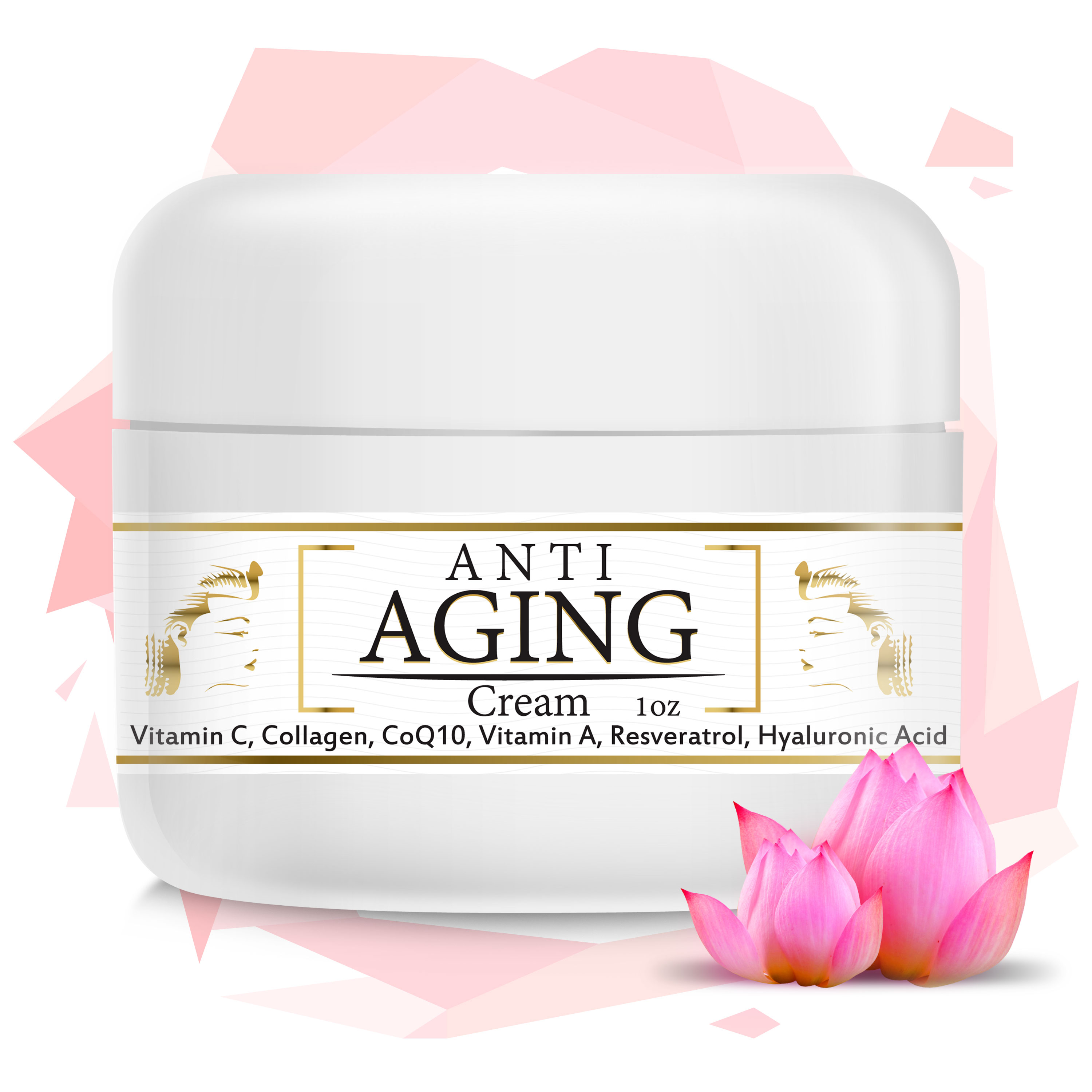
When using anti-ageing creams in your 20s, you should expect focused prevention rather than the reversal of deep wrinkles. The primary goals are to preserve existing collagen, neutralize oxidative stress from UV rays and pollution, and maintain a healthy skin barrier. While immediate results include improved hydration and radiance, the true structural benefits typically manifest as a delay in fine lines appearing in your 30s and 40s.
The Science of Aging in Your 20s: The "Quarter-Life" Skin Shift
In the landscape of 2026 skincare, the concept of "pre-juvenation" has moved from a trend to a clinical standard. While your skin is generally at its peak during your 20s, subtle physiological changes begin as early as age 25. Biologically, the skin’s natural production of collagen—the protein responsible for firmness—decreases by approximately 1% every year after the mid-20s. Simultaneously, the rate of cellular turnover begins a slow deceleration.
In your early 20s, your skin typically possesses a robust "bounce-back" ability due to high levels of elastin and a functional moisture barrier. However, cumulative damage from ultraviolet (UV) radiation and environmental pollutants begins to take its toll on a microscopic level long before you see a single line in the mirror. Anti-ageing creams designed for this age group are formulated to intervene at this cellular level. They are less about "fixing" and more about "fortifying." By the time you reach 2026, the industry has shifted away from aggressive peeling and toward "barrier-first" anti-aging, acknowledging that a compromised skin barrier actually accelerates the appearance of age.
Prevention vs. Correction: Defining Your Goals
The most critical distinction to understand when shopping for anti-ageing products in your 20s is the difference between preventative and corrective care. Corrective care is designed for skin that already exhibits significant photodamage, deep rhytids (wrinkles), and loss of elasticity. These products often contain high concentrations of acids or potent retinoids that might be unnecessarily irritating for younger skin.
Preventative care, or pre-juvenation, focuses on three pillars:
- Protection: Shielding the skin from UV and HEV (high-energy visible) light.
- Antioxidation: Neutralizing free radicals that break down collagen.
- Hydration: Maintaining the "plumpness" of the epidermis to prevent "dehydration lines."
When you start an anti-ageing regimen in your 20s, you are essentially investing in your "collagen bank." You are trying to keep as much of your natural collagen as possible for as long as possible. If you expect a cream to change the shape of your face or remove genetic expression lines (like those that appear when you smile), you will likely be disappointed. Instead, expect your skin to look consistently healthy, hydrated, and resilient against environmental stressors.
Essential Ingredients: What Your Anti-Ageing Cream Should Contain
Not all anti-ageing ingredients are appropriate for 20-something skin. Some are essential, while others are "nice-to-haves" that provide temporary cosmetic benefits.
Retinoids: The Gold Standard for Pre-juvenation
Retinoids (derivatives of Vitamin A) remain the most researched anti-ageing ingredients. In your 20s, you don’t necessarily need prescription-strength Tretinoin unless you are also treating acne. Over-the-counter (OTC) retinol or retinaldehyde is usually sufficient. These ingredients work by accelerating cell turnover and stimulating collagen production.
What to expect: When starting a retinoid, expect a "purging" or adjustment period. This can include redness, dryness, or minor breakouts for the first 2-4 weeks. However, after this phase, you should expect smoother skin texture and a reduction in the appearance of pores.
Antioxidants: Your Environmental Shield
Vitamin C (L-ascorbic acid), Vitamin E, and Ferulic Acid are the primary defenders against oxidative stress. In 2026, many formulations also include Niacinamide (Vitamin B3) to help with sebum control and redness. Antioxidants are crucial because they prevent the "silent inflammation" caused by city pollution and sun exposure.
What to expect: Vitamin C provides an almost immediate brightening effect. Long-term, you should expect fewer "sun spots" or areas of hyperpigmentation as you move into your 30s.
Peptides and Growth Factors: The Building Blocks
Peptides are short chains of amino acids that act as messengers, telling your skin to produce more collagen. These are excellent for the 20s because they are generally non-irritating compared to retinoids.
What to expect: You won't "see" peptides working in the short term. They work quietly in the dermis to maintain structural integrity. Think of them as a daily multivitamin for your skin's firmness.
Managing Expectations: A Realistic Timeline
Skincare is not a sprint; it is a marathon. The efficacy of anti-ageing creams is often judged prematurely. Here is a realistic timeline of what to expect from a consistent regimen started in your 20s:
- 1–2 Weeks: Improved hydration levels. If your cream contains hyaluronic acid or glycerin, your skin will feel softer and appear "plumper" almost immediately. This is a temporary cosmetic effect but vital for overall skin health.
- 4–8 Weeks: Visible improvements in skin tone and texture. If you are using a retinoid or an exfoliant (like AHA/BHA), the skin's surface will look more refined. Acne marks (post-inflammatory hyperpigmentation) may begin to fade.
- 3–6 Months: This is when the stimulation of new collagen begins to manifest. You may notice that fine lines caused by dehydration are gone and that your skin has a "glow" that isn't just from the product's surface finish.
- 1–5 Years: The real "magic" of anti-ageing in your 20s. When you compare your skin to peers who did not use sun protection or antioxidants, you will likely notice a significant difference in the density and clarity of your skin.
Comparison of Key Anti-Ageing Actives for the 20s
| Ingredient | Primary Function | Best Time to Apply | Expected Results |
|---|---|---|---|
| Retinol | Increases cell turnover & collagen | Night | Smoother texture, fewer breakouts, long-term firmness. |
| Vitamin C | Brightens & protects from free radicals | Morning | Radiance, even skin tone, prevention of sun spots. |
| Hyaluronic Acid | Deeply hydrates the epidermis | Morning & Night | Instant "plumpness," reduction in dehydration lines. |
| Niacinamide | Strengthens barrier & calms skin | Morning & Night | Smaller-looking pores, reduced redness, oil balance. |
| SPF 30+ | Prevents 90% of extrinsic aging | Morning | Prevention of wrinkles, sagging, and dark spots. |
The Role of the Skin Barrier
A common mistake in your 20s is the "more is better" approach. With the proliferation of high-strength actives available in 2026, many young adults over-exfoliate or use too many serums, leading to a compromised skin barrier. A damaged barrier manifests as stinging, persistent redness, and "tight" skin that feels oily yet dry.
When using anti-ageing creams, you must expect that your skin will have limits. If you use a retinol cream, you must balance it with a moisturizer rich in ceramides or fatty acids. Anti-ageing is ineffective if the skin is in a constant state of inflammation. Therefore, expect to spend as much time "repairing" and "soothing" your skin as you do "treating" it.
Common Mistakes to Avoid in Your 20s
- Skipping Sunscreen: No anti-ageing cream can outwork the damage caused by the sun. If you apply an expensive retinol at night but skip SPF in the morning, you are effectively nullifying your progress.
- Using "Heavy" Creams: Many anti-ageing products for mature skin are very rich and occlusive to compensate for the loss of natural oils. In your 20s, these can lead to "clogged pores" or milia (small white bumps). Look for "non-comedogenic" labels.
- Inconsistency: Skincare requires the "accumulation of small gains." Using a cream once a week will yield no results. You must expect to commit to a routine for at least three months to see structural changes.
- Neglecting the Neck and Hands: These areas have thinner skin and fewer oil glands than the face, meaning they often show the first signs of aging. Whatever you apply to your face, apply to your neck and the backs of your hands.
Frequently Asked Questions
Is it too early to start anti-ageing cream at 21?
It is never too early for the right kind of anti-ageing. At 21, your "anti-ageing" should primarily consist of high-quality broad-spectrum sunscreen and a stable antioxidant like Vitamin C. Using heavy "wrinkle creams" intended for 50-year-olds is unnecessary, but establishing a protective routine now is the most effective way to prevent future damage.
Can anti-ageing creams cause more wrinkles if used too early?
Not directly, but they can cause "dehydration lines" if they are too harsh. For example, if a 22-year-old uses a high-strength retinoid without proper moisturization, the skin may become dry and crinkled. This isn't permanent aging, but rather a sign of irritation. Using products appropriate for your skin type and age prevents this issue.
Do I need a separate eye cream in my 20s?
For most people in their 20s, a standard, well-formulated face moisturizer is sufficient for the eye area. However, if you have specific concerns like hereditary dark circles or early-onset fine lines from squinting, a targeted eye cream with caffeine or low-dose retinol can be beneficial. The key is to ensure the product is ophthalmologist-tested.
Will these creams get rid of my dark circles?
It depends on the cause. If dark circles are caused by hyperpigmentation or sun damage, brightening anti-ageing creams with Vitamin C or Kojic acid can help. However, if they are caused by thin skin or genetics (hollowness), creams will have a limited effect. In these cases, expect modest brightening rather than complete elimination.
Should I use "clean" or "natural" anti-ageing products?
In 2026, the distinction between "synthetic" and "natural" is less important than "efficacy" and "safety." Many natural extracts provide excellent antioxidant benefits, but lab-synthesized ingredients like Retinol and Peptides often have more clinical data supporting their anti-ageing claims. Focus on the ingredient list rather than marketing buzzwords.
Practical Recommendation: Your Starter Routine
If you are in your 20s and looking to start an anti-ageing regimen, keep it simple to ensure consistency. Use a gentle cleanser followed by a Vitamin C serum and SPF 30 or higher every morning. This protects you from the day's environmental stressors. In the evening, cleanse again and apply a low-strength retinol cream (0.1% to 0.3%) or a peptide-rich moisturizer.
Limit exfoliation with acids (like Glycolic or Salicylic) to twice a week to avoid irritating the skin barrier. Remember that the "best" anti-ageing cream is the one you are willing to apply every single day. The goal is to reach your 30s with your skin's structural integrity intact, which is achieved through gentle, consistent protection rather than aggressive, sporadic correction.