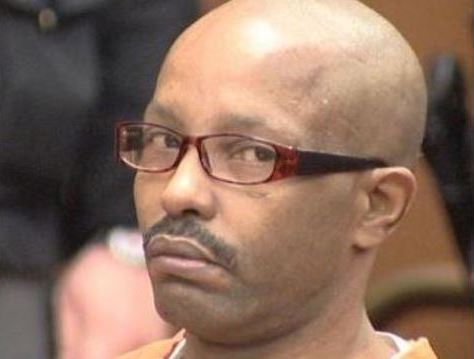
Anthony Sowell, the notorious serial killer known as the "Cleveland Strangler," died on February 8, 2021. He passed away at the age of 61 while receiving end-of-life care at the Franklin Medical Center in Columbus, Ohio. His death was attributed to a terminal illness, officially closing the legal chapter on one of the most gruesome serial murder cases in American history.
The Circumstances of Anthony Sowell’s Death
Anthony Sowell’s death occurred while he was in the custody of the Ohio Department of Rehabilitation and Correction (ODRC). Unlike many high-profile inmates whose deaths are sudden or results of violence within the prison system, Sowell had been declining for some time. He was moved from the Chillicothe Correctional Institution to the Franklin Medical Center—a specialized facility designed to provide medical care to inmates with chronic or terminal conditions—prior to his passing.
The ODRC confirmed that Sowell died at approximately 3:27 p.m. on a Monday. While initial public speculation often pointed toward COVID-19, given the timeframe of the pandemic, prison officials clarified that his death was the result of a long-term terminal illness. Because of medical privacy laws, the specific nature of the illness was not disclosed in the immediate press releases, though it was widely understood by legal representatives and victim advocates that he had been in failing health for months.
For the victims' families, his death in a hospital bed was a source of mixed emotions. Sowell had been on death row since his conviction in 2011, and the state of Ohio had struggled with the execution process for years due to legal challenges and difficulties obtaining lethal injection drugs. His natural death effectively bypassed the state’s execution chamber, a fact that some felt robbed the justice system of its final prescribed punishment, while others found relief in the fact that the appeals process was finally over.
Background: The Imperial Avenue Murders
To understand the significance of Anthony Sowell’s death, one must examine the horrific crimes that led to his incarceration. Between 2007 and 2009, Sowell terrorized the Mount Pleasant neighborhood of Cleveland. His crimes came to light in October 2009 when police officers arrived at his home on Imperial Avenue to serve a warrant for a different matter—a report of a brutal sexual assault.
Upon entering the residence, investigators were met with an overwhelming stench that neighbors had previously attributed to a nearby sausage factory. What they discovered was a "house of horrors." The bodies of eleven women were found decomposed throughout the house and buried in the backyard. The victims had been strangled, and many showed signs of post-mortem abuse.
The discovery shocked the nation, not only because of the sheer number of victims but because Sowell was a registered sex offender who had previously served 15 years for a 1989 rape. The failure of the parole and sex offender monitoring systems to detect his activities between 2007 and 2009 became a focal point of intense political and social scrutiny in Cleveland.
Remembering the Victims of the Cleveland Strangler
In discussions regarding Anthony Sowell, it is vital to shift the focus from the perpetrator to the women whose lives he took. The eleven victims were members of a marginalized community, many struggling with addiction or homelessness, which Sowell exploited to lure them into his home.
The victims identified at 12205 Imperial Avenue were:
- Crystal Dozier (38)
- Tishana Culver (31)
- Leshanda Long (25)
- Michelle Mason (45)
- Tonia Carmichael (53)
- Nancy Cobbs (43)
- Amelda Hunter (47)
- Crystal Wicks (38)
- Diane Turner (38)
- Telicia Boardwine (33)
- Janice Webb (48)
For years, these women’s disappearances were largely overlooked or dismissed by authorities, a failure that led to significant reforms in how the Cleveland Police Department handles missing persons reports involving vulnerable populations. The death of Sowell in 2021 served as a final, somber reminder of the loss sustained by these eleven families.
The Legal Process and Death Row Appeals
Following his arrest in 2009, Anthony Sowell faced a massive 81-count indictment, including charges of aggravated murder, kidnapping, and rape. His trial in 2011 was one of the most expensive and complex in Ohio’s history. The evidence was overwhelming, including DNA matches and the physical remains found on his property.
On August 12, 2011, a jury recommended the death penalty, which the judge upheld. However, the American legal system allows for extensive appeals in capital cases to ensure no judicial errors were made. Sowell’s legal team pursued every available avenue, arguing that his defense was inadequate and that the publicity surrounding the case had biased the jury.
By the time 2021 arrived, Sowell had spent nearly a decade on death row. During this period, Ohio's execution schedule was repeatedly delayed due to the state's inability to procure execution drugs and ongoing litigation regarding the constitutionality of its lethal injection protocols. Consequently, Sowell’s death from natural causes was statistically more likely than death by execution, a trend seen with many aging inmates on death row across the United States.
A Timeline of the Anthony Sowell Case
The following table outlines the key milestones from the beginning of Sowell's final crimes to his death in 2021.
| Date | Event | Significance |
|---|---|---|
| 1989 | First Rape Conviction | Sowell begins a 15-year prison sentence. |
| 2005 | Release from Prison | Sowell returns to Cleveland as a registered sex offender. |
| 2007 | First Known Murder | Crystal Dozier disappears; Sowell's killing spree begins. |
| Oct 2009 | Discovery at Imperial Ave | Police find initial remains while investigating a rape report. |
| 2011 | Trial and Sentencing | Sowell is convicted of 11 murders and sentenced to death. |
| 2011 | House Demolition | The City of Cleveland demolishes the Imperial Avenue house. |
| 2016 | Supreme Court Refusal | The Ohio Supreme Court upholds the death sentence. |
| Feb 8, 2021 | Death of Anthony Sowell | Sowell dies of terminal illness at Franklin Medical Center. |
| 2021–Present | Ongoing Memorials | The site remains a memorial for the victims. |
Impact on the Community and Systemic Reform
The death of Anthony Sowell did not simply close a criminal file; it marked the end of a period of intense self-reflection for the city of Cleveland. The "Imperial Avenue Murders" exposed deep-seated issues regarding how the police interacted with impoverished neighborhoods.
1. Sex Offender Registry Oversight Sowell was a Tier III sex offender, the most restrictive category in Ohio. Despite this, he was able to lure women into a house where bodies were decomposing without triggering red flags during routine check-ins. His death prompted further discussions on the efficacy of registry laws versus active community policing and supervision.
2. Missing Persons Protocols The families of the victims had tried to report their loved ones missing long before the 2009 discovery. In many instances, they felt ignored by the police because the victims had histories of drug use or prostitution. Since the Sowell case, the Cleveland Police Department has overhauled its missing persons unit, emphasizing that every report must be taken seriously regardless of the individual's background.
3. Neighborhood Revitalization The house at 12205 Imperial Avenue was demolished in 2011. For years, it remained a vacant, haunted lot. However, the community worked to transform the space into a "Garden of Eleven Angels." This memorial ensures that the location is no longer associated with Sowell’s cruelty, but rather with the memory of the women he took. As of 2026, the garden continues to serve as a place of pilgrimage and healing for the victims' families.
The Psychological Profile of a Serial Killer
Criminologists and forensic psychologists studied Sowell’s case extensively during his incarceration. His ability to blend into a dilapidated neighborhood while committing heinous acts is a hallmark of "organized" serial killers who exploit environmental stressors—like poverty and high crime rates—to hide their activities.
Sowell’s death ended the opportunity for further direct psychological evaluations, but the existing records provide a chilling look at his lack of remorse. Throughout his trial and subsequent years in prison, Sowell rarely showed emotion or accountability for his actions. His death by illness was a quiet end for a man who had inflicted such loud, chaotic violence upon his victims and their community.
Why Anthony Sowell Wasn't Executed Before He Died
One of the most frequent questions regarding Sowell's death is why it took ten years for his sentence to reach its conclusion, and why the state didn't carry out the execution. In Ohio, as in many other states, the death penalty is subject to a mandatory appeals process that can take 15 to 20 years.
Additionally, during the 2010s and early 2020s, Ohio faced a "de facto" moratorium on executions. Pharmaceutical companies began refusing to sell drugs to prisons for use in lethal injections, leading to a shortage. Governors in Ohio issued multiple reprieves for death row inmates while the state searched for alternative methods or waited for legal clarity. Sowell’s health simply failed before the legal and logistical hurdles of his execution could be cleared.
Frequently Asked Questions
What was the official cause of Anthony Sowell’s death?
Anthony Sowell died from a terminal illness. While the Ohio Department of Rehabilitation and Correction did not specify the exact disease due to privacy regulations, they confirmed it was not COVID-19 and that he had been in hospice-style care at the Franklin Medical Center.
Where was Anthony Sowell buried?
Information regarding the final disposition of Sowell’s remains is typically kept private by the state to prevent vandalism or unwanted attention. Generally, if no family members claim an inmate’s body, they are buried in a prison cemetery or cremated.
Did Anthony Sowell ever confess to more murders?
No. Despite speculation by some investigators that there could be more victims given his history, Sowell never provided a comprehensive confession that linked him to additional cold cases. He maintained a level of detachment from his crimes until his death.
How did the victims' families react to his death?
Reactions were varied. Some family members expressed that they felt "cheated" out of seeing him executed, while others stated that his death brought a sense of peace because they no longer had to worry about upcoming appeals or the possibility of a new trial.
Is the Anthony Sowell house still standing?
No. The house on Imperial Avenue was demolished by the city in late 2011. The lot has since been cleared and turned into a memorial space to honor the eleven women he killed.
Final Recommendation for Further Reading
For those seeking a deeper understanding of the systemic issues that allowed Anthony Sowell to remain undetected, the book Nobody's Women by Steve Miller offers an in-depth look at the lives of the victims and the investigation. Additionally, the documentary Unseen provides a powerful perspective on the victims' families and their fight for justice. Understanding these crimes serves as a necessary reminder of the importance of community vigilance and the need for law enforcement to protect the most vulnerable members of society.