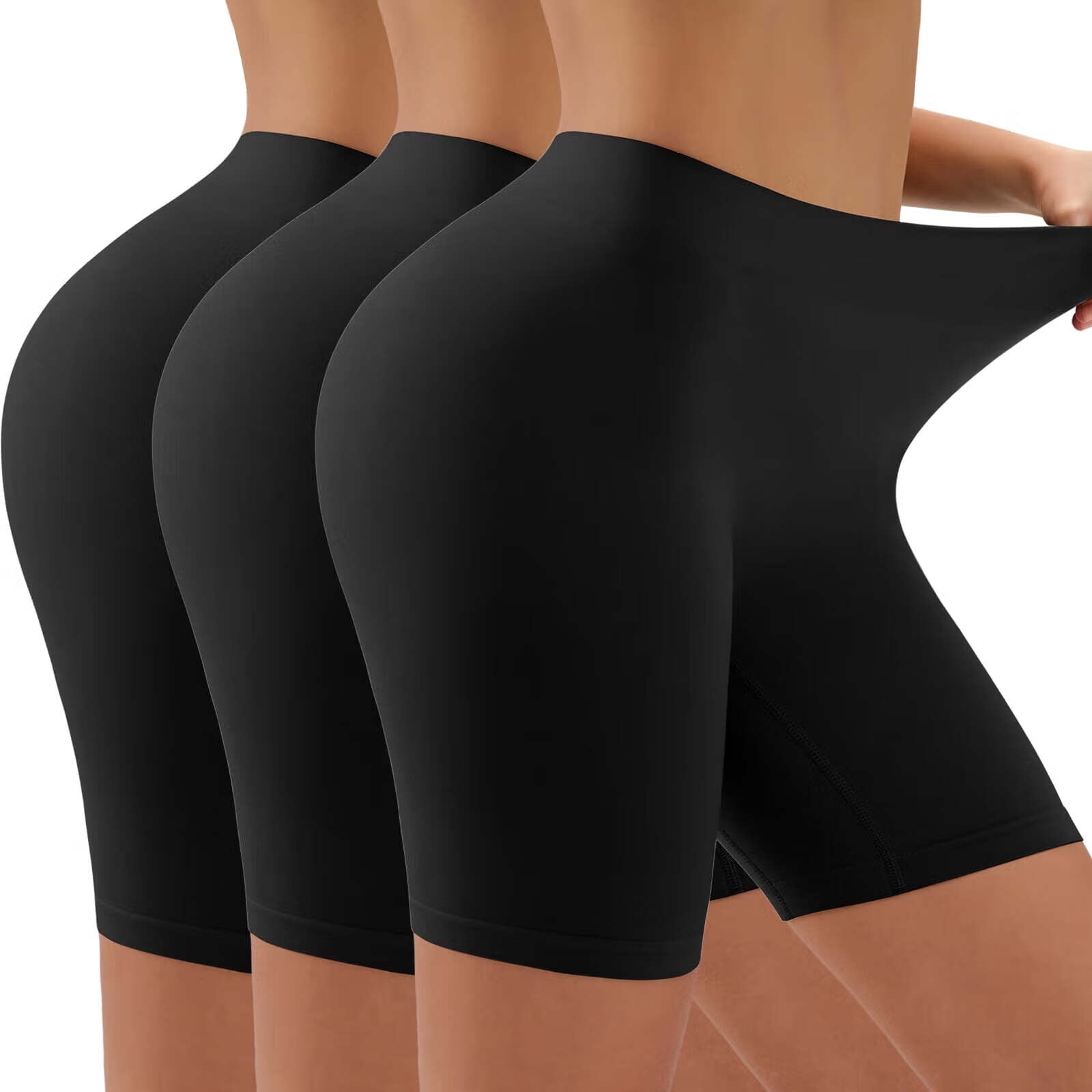
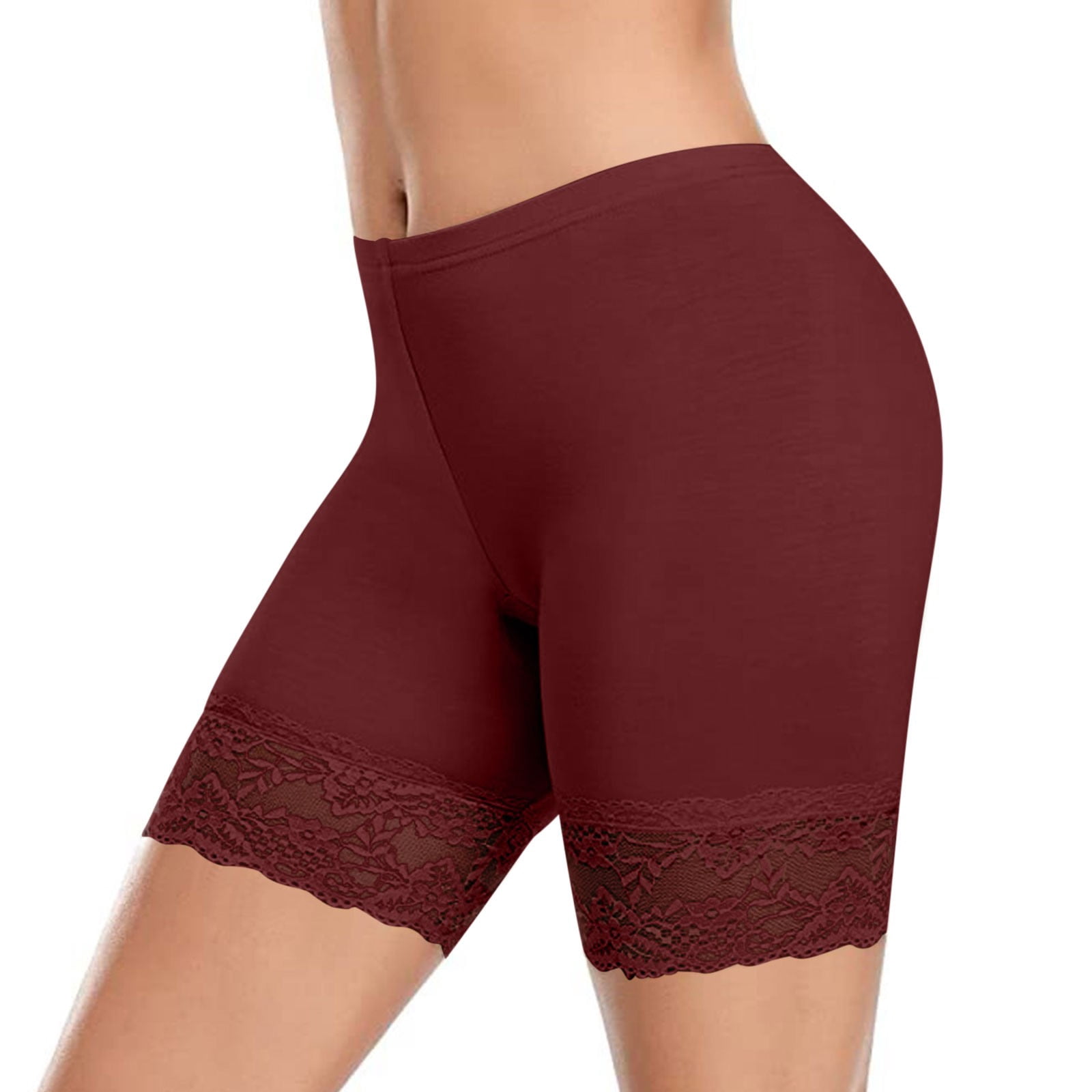
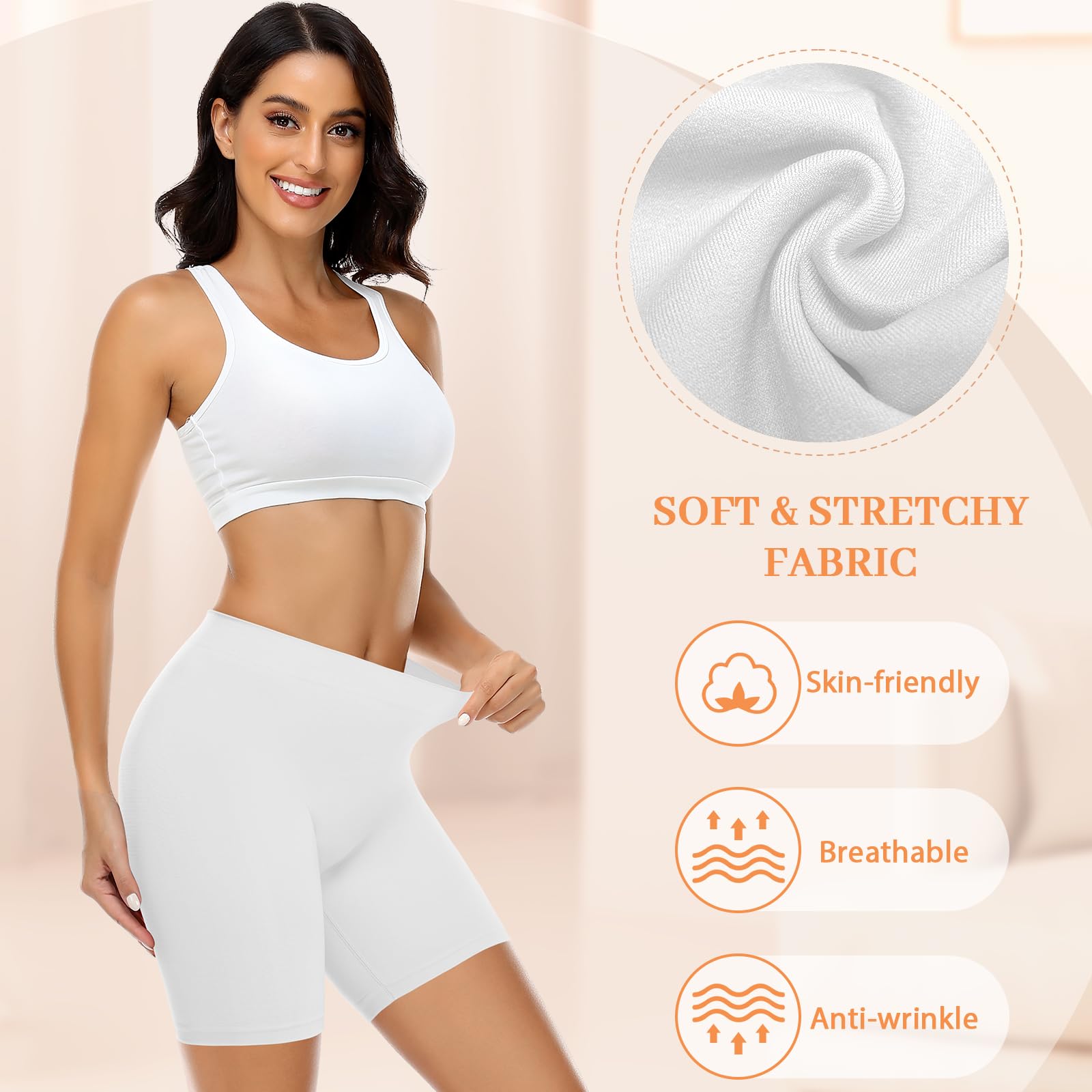
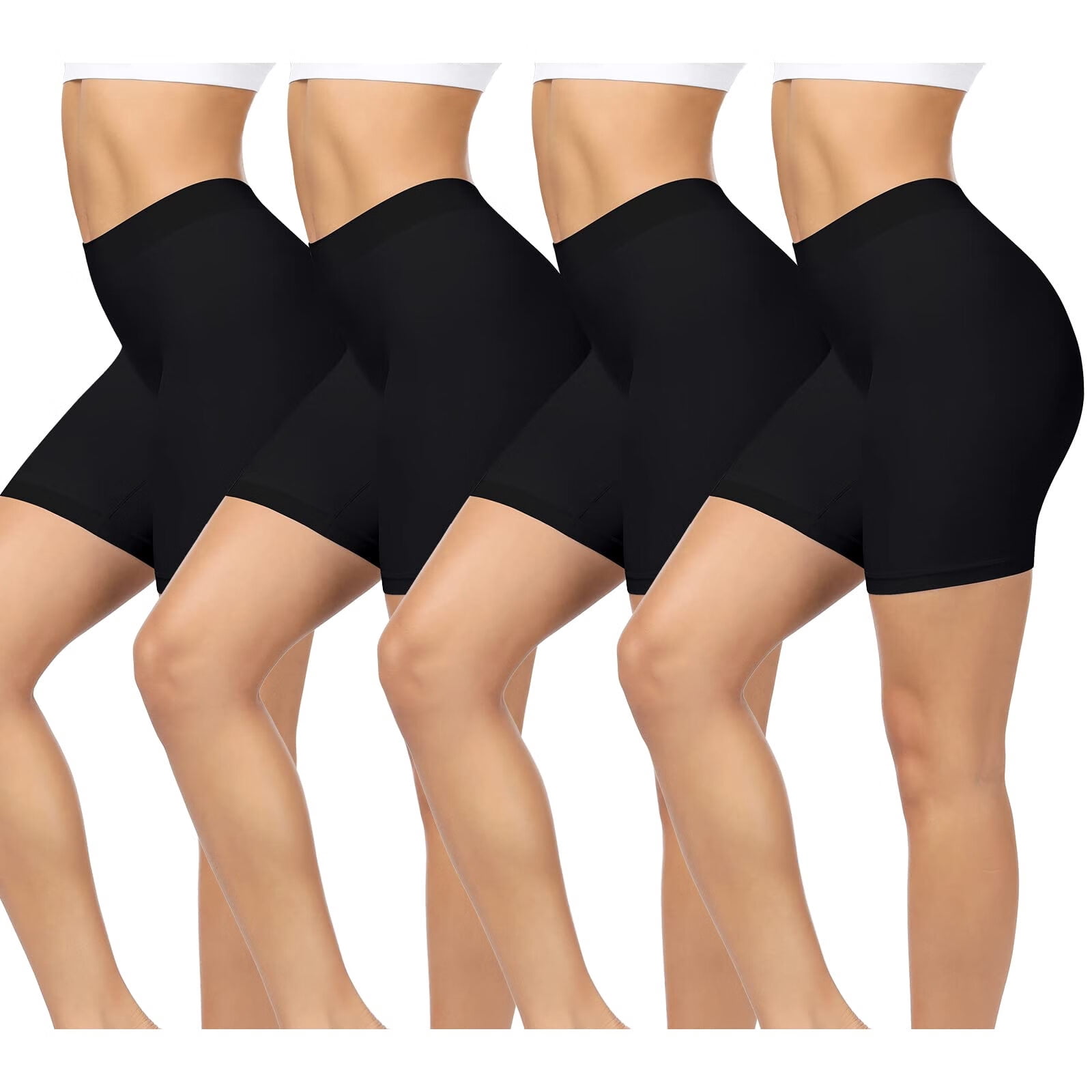
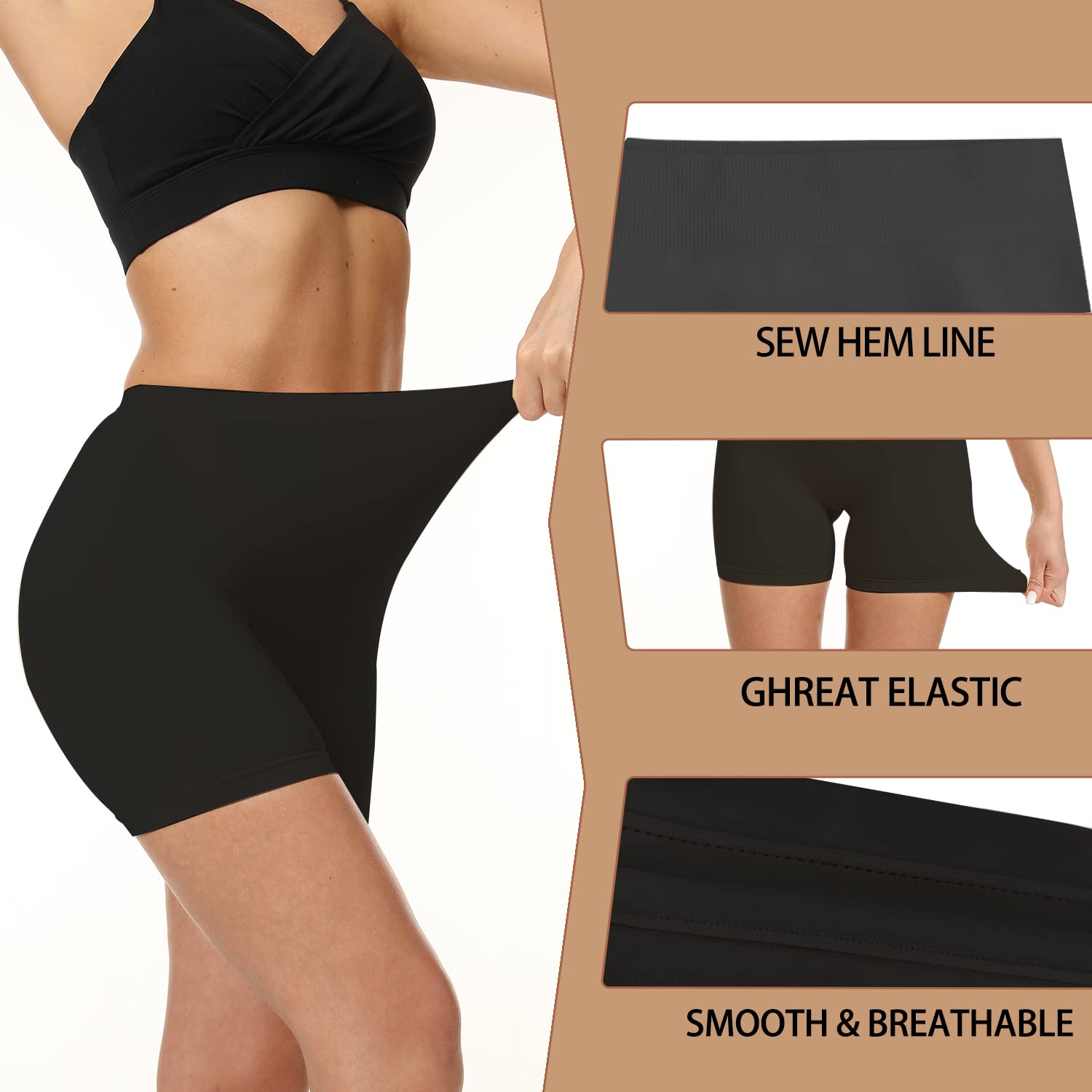
To stay comfortable all day while wearing dresses, anti-chafing shorts provide a physical barrier that prevents skin-on-skin friction. By choosing moisture-wicking, breathable fabrics like micro-modal or specialized cooling synthetics, you eliminate the "chub rub" that causes painful rashes, allowing for effortless movement in high-heat or humid conditions.
Understanding the Mechanics of Thigh Chafing
Thigh chafing, colloquially known as "chub rub," is a common physiological response to repetitive friction. When the skin of the inner thighs rubs together during walking or movement, the outer layer of the skin (the epidermis) begins to degrade. This process is significantly accelerated by moisture—usually in the form of sweat—which increases the coefficient of friction. In a dress, where there is no fabric barrier between the legs, this friction is constant.
By 2026, medical understanding of skin health has further emphasized that chafing is more than just a minor annoyance; it can lead to irritant contact dermatitis or secondary fungal and bacterial infections if the skin barrier is sufficiently compromised. Anti-chafing shorts solve this by providing a consistent, smooth surface that allows the thighs to glide past one another without generating heat or micro-tears in the skin. Unlike creams or powders, which can migrate, absorb into the skin, or rub off onto the dress, shorts provide a permanent mechanical solution that lasts from the moment you put them on until you take them off.
The primary goal of these garments is to mimic a "second skin." They must be thin enough to be invisible under lightweight fabrics, yet durable enough to withstand the mechanical stress of thousands of steps. When evaluating how to stay comfortable all day, one must look beyond simple aesthetics and analyze the engineering of the garment, including fiber composition, seam placement, and compression levels.
The Evolution of Anti-Chafing Materials in 2026
Material science is the most critical factor in long-term comfort. In previous decades, many under-dress shorts were essentially repurposed shapewear or thick cotton leggings. However, by 2026, the industry has shifted toward specialized "performance lifestyle" fabrics that prioritize thermal regulation and moisture management.
Synthetic Performance Blends
Modern synthetic shorts often utilize high-gauge nylon or polyester blended with elastane (spandex). The key innovation in 2026 is the use of mechanically wicking fibers. Rather than relying on chemical coatings that wash off over time, the fibers themselves are shaped (often in a "cross" or "star" pattern) to pull moisture away from the skin through capillary action. This keeps the inner thigh area dry, which is essential because salt crystals from dried sweat act like sandpaper against the skin.
Natural and Semi-Synthetic Alternatives
For those with sensitive skin, semi-synthetics like Tencel, Lyocell, and Micromodal (derived from beechwood trees) have become the gold standard. These materials are naturally more breathable than traditional synthetics and have a silk-like texture that feels exceptionally cool against the skin. They are also highly absorbent, though they may take slightly longer to dry than pure synthetics. Many 2026 designs incorporate a cotton or bamboo gusset for hygiene, ensuring that the garment is suitable for all-day wear without the need for additional underwear.
Choosing the Right Inseam and Fit
The effectiveness of anti-chafing shorts is dictated by their length and how well they stay in place. A short that rolls up the leg or slides down the waist becomes a source of discomfort rather than a solution.
Determining Inseam Length
The inseam is the measurement from the crotch to the bottom of the leg opening. Most anti-chafing shorts fall into three categories:
- Short (2–4 inches): These are ideal for mini-skirts or shorter sundresses. However, they carry a higher risk of "rolling up" if the wearer has particularly soft thigh tissue or a very active gait.
- Mid-Length (5–7 inches): This is the "sweet spot" for most users. It provides enough coverage to protect the entire friction zone while remaining hidden under most knee-length dresses.
- Long (8–12 inches): These are best for midi or maxi dresses. They offer the most security against rolling and are often preferred by taller individuals or those who want coverage down toward the knee.
The Problem of "The Roll"
One of the most common complaints regarding under-dress shorts is the bottom hem rolling up into a "donut" around the upper thigh. In 2026, high-quality manufacturers address this through "stay-put" technology. This involves either ultra-thin silicone grippers—which should be medical-grade to avoid skin irritation—or laser-cut edges that distribute tension evenly across the leg rather than using a tight, sewn elastic band. A laser-cut edge is often the most comfortable for all-day wear as it prevents the "sausage effect" where the hem digs into the skin.
Distinguishing Between Anti-Chafing Shorts and Shapewear
It is a common mistake to purchase shapewear when the goal is actually chafing prevention. While they may look similar, their engineering is fundamentally different.
Shapewear is designed for compression. It uses high-tension fabrics to move or flatten soft tissue. While this might achieve a certain aesthetic, wearing high-compression garments for a 12-hour day can lead to digestive discomfort, restricted blood flow, and excessive heat buildup.
Anti-chafing shorts, conversely, are designed for "low-to-zero compression." They should feel like they are barely there. Their purpose is friction reduction, not body sculpting. If you feel a "squeeze" or difficulty breathing comfortably, the garment is likely shapewear or sized too small. For all-day comfort, prioritize shorts that offer 4-way stretch, which allows the fabric to move with your body's natural expansion and contraction during the day.
How to Stay Invisible: Color and Seam Construction
To maintain the aesthetic of your dress, the shorts must remain undetected. This involves careful selection of color and seam types.
Color Matching
The goal is to match the shorts to your skin tone, not the color of the dress. If you wear black shorts under a white or light-colored dress, the silhouette of the shorts will be visible. By choosing a shade that closely approximates your skin tone, you ensure that even if the dress is slightly sheer or the wind blows the fabric against your legs, the shorts remain "invisible." Most leading brands in 2026 offer a wide spectrum of nude shades to accommodate all skin tones.
Seamless Technology
Seams can be a major source of irritation. "Flatlock" seams are a minimum requirement; these are sewn flat so they don't protrude and rub against the skin. However, the best option for under-dress wear is fully seamless construction. Seamless shorts are knit in a tube, eliminating the vertical side seams that can show through tight jersey or silk dresses.
Comparison of Common Anti-Chafing Short Features
| Feature | Performance Synthetics | Natural Fiber Blends (Modal/Bamboo) | Cotton-Rich Blends |
|---|---|---|---|
| Primary Benefit | Maximum moisture wicking | Superior softness and cooling | Familiarity and affordability |
| Durability | High (resists pilling) | Moderate | Lower (tends to stretch out) |
| Breathability | High (engineered airflow) | Excellent (natural) | Moderate (can hold moisture) |
| Compression | Varies (often light) | Usually zero | Usually zero |
| Best Use Case | Exercise, high humidity | All-day office wear, sensitive skin | Casual, short-duration wear |
Practical Tips for All-Day Comfort
Beyond simply wearing the shorts, several habits can enhance your experience and the longevity of the garment.
- Size Up for Comfort: If you are between sizes, always size up for anti-chafing shorts. Unlike leggings, they don't need to be tight to work; they just need to stay in place. A tighter fit increases the likelihood of the waistband rolling down or the legs rolling up.
- Care and Maintenance: To preserve the elasticity and the moisture-wicking properties, avoid using fabric softeners. Fabric softeners coat the fibers in a waxy layer that clogs the "pores" of the fabric, preventing it from pulling sweat away from your skin. Always air dry or use a low-heat setting to prevent the breakdown of elastane.
- The "No-Underwear" Option: Many anti-chafing shorts in 2026 are designed with a breathable, cotton-lined gusset. This allows you to wear them as a 2-in-1 garment (underwear and shorts). This reduces the number of layers, which keeps you cooler and eliminates the "visible panty line" (VPL) that occurs when wearing multiple layers of elastic.
- Managing High Heat: On exceptionally hot days, look for shorts labeled with "cooling technology." These often use minerals like jade or specialized yarn structures that dissipate body heat faster than standard fabrics.
Avoiding Common Mistakes
The most frequent error is selecting a cotton-heavy short for high-activity days. While cotton is breathable, it is "hydrophilic," meaning it loves water. It absorbs sweat and holds onto it, becoming heavy, damp, and abrasive. Once a cotton short is wet, it can actually cause more chafing than no shorts at all because the wet fabric creates its own friction against the skin.
Another mistake is neglecting the "rise" of the shorts. For dresses, a high-waisted cut is generally superior. It prevents the waistband from cutting into the midsection and ensures the shorts stay anchored over the hips, preventing the "sliding down" sensation that can occur with low-rise versions during a long day of walking.
Frequently Asked Questions
Can I wear anti-chafing shorts if I have very sensitive skin?
Yes, but you should prioritize natural-origin fibers like Micromodal or Bamboo and ensure the garment is "OEKO-TEX Standard 100" certified. This certification ensures the fabric is free from harmful chemicals and dyes that can trigger reactions when the skin is warm and the pores are open. Avoid shorts with heavy silicone grippers if you have a known silicone allergy or find that localized pressure causes hives.
Will these shorts make me feel hotter under my dress?
Counter-intuitively, the right pair of anti-chafing shorts can actually make you feel cooler. By wicking sweat away from the skin and allowing it to evaporate more efficiently than skin-on-skin contact allows, they help regulate your body temperature. High-tech "cooling" fabrics can actually lower the surface temperature of the skin by a few degrees.
How many pairs do I really need?
For regular dress wearers, a minimum of three pairs is recommended: one to wear, one in the wash, and one "spare" for the next day. Because these are intimate apparel, they should be washed after every wear to prevent the buildup of bacteria and salts from perspiration.
Do anti-chafing shorts work for all body types?
Absolutely. Chafing is a matter of anatomy and garment choice, not weight. People of all sizes experience friction based on the shape of their legs and their gait. The key is finding a brand that offers inclusive sizing and different inseam lengths to accommodate varying thigh shapes.
Can I use these shorts for exercise too?
While you can, shorts designed specifically for dresses are often thinner and lack the "squat-proof" opacity of athletic leggings. If you plan to use them for the gym, ensure they are specifically categorized as "multi-purpose" or "athletic" to ensure they provide the necessary coverage and durability for high-impact movement.
Recommendation for Next Steps
To achieve maximum comfort, start by identifying the primary environment where you will be wearing your dresses. If you are in a climate-controlled office, prioritize a Micromodal or Bamboo-blend short with a 6-inch inseam for a soft, luxury feel. If you are attending an outdoor summer wedding or traveling, opt for a seamless synthetic performance blend with cooling technology and a laser-cut hem. Always check the manufacturer's size chart specifically for "thigh circumference" rather than just waist size, as this is the most critical measurement for preventing the garment from rolling.