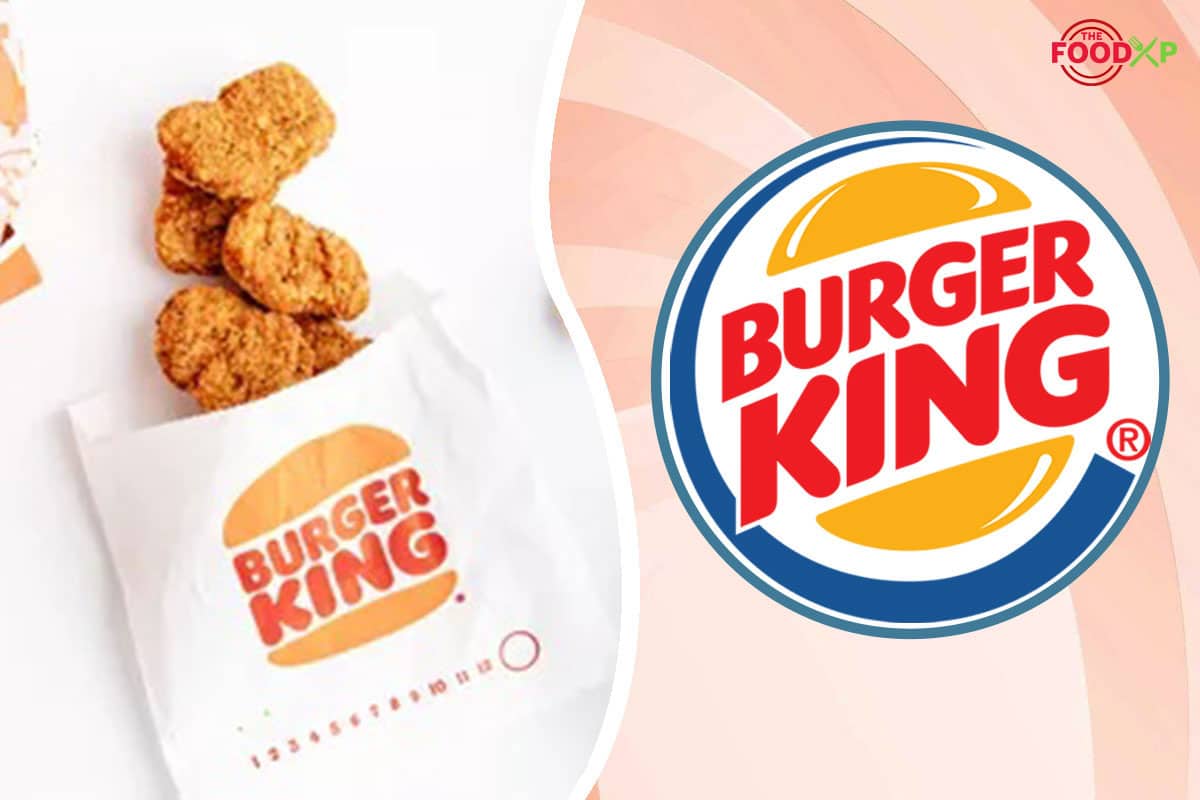
Yes, Burger King has changed its chicken nuggets multiple times over the decades. The most significant recipe overhaul occurred in 2012 when the chain retired its crown-shaped tenders in favor of traditional bite-sized nuggets. In 2021, Burger King updated the recipe again to eliminate artificial preservatives, colors, and flavors.
The History of Burger King’s Chicken Nuggets: A Timeline of Changes
Burger King's chicken offerings have undergone several structural, culinary, and marketing shifts since their initial rollout. Understanding whether your local restaurant's nuggets taste different requires looking at the specific era in which the recipe was updated.
| Timeline | Era & Description |
|---|---|
| 1983 - 2004 | Original Chicken Tenders (Peppery strips) |
| 2005 - 2011 | Crown-Shaped Tenders (Kid-friendly design) |
| 2012 - 2020 | Traditional Bite-Sized Nuggets (Tempura breading) |
| 2021 - Present | Clean-Label Reformulation (No artificial additives) |
1983–2004: The Original Chicken Tenders Era
Burger King first entered the chicken side-dish category in 1983 with Chicken Tenders. Unlike modern bite-sized nuggets, these original tenders were rectangular strips of white-meat chicken coated in a heavily seasoned, peppery breading.
The original tender had a distinct taste profile dominated by black pepper, garlic powder, and onion powder. The shape was designed for easy dipping into long, rectangular sauce containers. This iteration remained a staple throughout the 1980s and 1990s, building a loyal customer base that preferred its crisp texture and peppery kick over competitors' milder options.
2005–2011: The Crown-Shaped Tenders Era
In 2005, Burger King overhauled its chicken line by introducing Crown Tenders. The meat was pressed into three-pointed crown shapes designed to reinforce the brand's royal iconography and appeal to younger consumers.
Along with the visual change came a major recipe shift:
- The breading became lighter and slightly sweeter.
- The black pepper profile was reduced to appeal to kids.
- The texture of the chicken inside became softer and more homogenized.
While popular among families, the crown shape faced criticism from older customers who missed the crispiness and spice of the original 1980s chicken strips.
2012: The Transition to Bite-Sized Nuggets
In 2012, Burger King executed a massive menu modernization across North America. As part of this effort, the crown shape was permanently discontinued and replaced by traditional round and oval bite-sized Chicken Nuggets.
This shift was more than cosmetic:
- Breading Style: Burger King switched from a dense, flour-heavy coating to a lighter, tempura-style battered breading designed to stay crisp longer under heating lamps.
- Flavor Profile: The seasoning was recalibrated to feature savory celery salt, white pepper, and onion notes, moving away from both the sweet crown-tender formula and the heavy black-pepper original.
- Meat Blend: The chain emphasized a blend of white meat chicken designed to offer a juicy interior while keeping production costs competitive.
2021: The Clean Food Pledge (Removal of Artificial Ingredients)
In 2021, Burger King’s parent company, Restaurant Brands International, launched a global "Real Food" initiative. As part of this sustainability and health-focused pledge, Burger King banned 120 artificial ingredients from its core menu in the United States.
The chicken nugget recipe was reformulated to eliminate:
- Synthetic colors (such as artificial food dyes in the breading).
- Artificial flavors and flavor enhancers (including added MSG formulations).
- Artificial preservatives (such as sodium benzoate or tertiary butylhydroquinone [TBHQ]).
While the shape and basic crunch remained similar to the 2012 version, many customers noticed a subtle change in savory depth and color. The breading became slightly lighter in hue due to the removal of artificial coloring agents, and the flavor relied more directly on natural spices like paprika, garlic, and celery seed.
Key Recipe Differences: How Burger King Nuggets Changed Over Time
When long-time customers ask if Burger King changed their nuggets, they are usually picking up on changes in breading structure, chicken texture, or spice profile.
Shape and Form Factor
- Original (1983–2004): Rectangular, thick-cut strips. High surface-area-to-meat ratio allowed maximum crunch per bite.
- Crown Era (2005–2011): Die-cut crown shapes. Thin edges often fried faster than the center, creating varying textures across a single piece.
- Modern Era (2012–Present): Uniform, rounded ovals and boots. Designed for balanced frying and consistent cook times across commercial friers.
Breading and Seasoning Formula
The breading composition dictates both heat retention and sauce adherence:
- Pre-2012 Breading: Relied heavily on wheat flour and cornmeal blends with high levels of black pepper, yielding a thicker, crunchier shell.
- Post-2012 Breading: Utilizes a lighter batter infused with wheat flour, modified food starch, and leavening agents (like sodium acid pyrophosphate). This creates air pockets within the crust for a shatteringly crisp texture that mimics Japanese-style tempura batter.
- Post-2021 Clean Recipe: Natural extracts like paprika and turmeric replaced artificial colorings, while yeast extract and natural garlic powder replaced synthetic flavor boosters.
Meat Sourcing and Texture
Over the years, fast-food chicken processing has evolved. Modern Burger King nuggets use chopped and formed white-meat chicken breast mixed with rib meat. This blend ensures moisture retention during holding times, though some diners notice a different bite compared to whole-muscle chicken tenders.
Detailed Comparison of Burger King Nugget Eras
The table below breaks down the major shifts in Burger King’s core chicken nugget recipe from the 1980s to the current menu standard.
| Feature / Era | Original Tenders (1983–2004) | Crown Tenders (2005–2011) | Standard Nuggets (2012–2020) | Clean-Label Nuggets (2021–Present) |
|---|---|---|---|---|
| Primary Shape | Rectangular Strips | Three-Point Crown | Rounded Oval / Boot | Rounded Oval / Boot |
| Breading Style | Thick, peppered flour coating | Smooth, light flour coating | Tempura-style batter | Crisp, dye-free batter |
| Dominant Flavor | Black pepper, garlic, salt | Mild, slightly sweet, onion | Savory, white pepper, celery | Natural savory, garlic, paprika |
| Artificial Additives | Standard commercial preservatives | Standard dyes & preservatives | Standard food starch & flavorings | Zero artificial colors, flavors, or preservatives |
| Primary Meat Type | White meat blend | White meat blend | White meat with rib meat | White meat with rib meat |
| Key Value Offering | Standard meal pricing | Kid's meal emphasis | 10-piece for $1.49 / $1.99 | Adjusted portion counts and regional value tiers |
Why Burger King Changed Its Nugget Recipe
Recipe changes in national fast-food chains rarely happen by accident. Burger King's decision to alter its nuggets multiple times stems from market competition, cost pressures, and changing consumer tastes.
- Consumer Preferences
- Demand for cleaner, simpler ingredients
- Market Competition
- Battling rivals on price and quality
- Kitchen Operations
- Faster fry times and better holding
- Supply Chain Costs
- Managing inflation and protein costs
Competition with Rival Fast-Food Chains
Burger King operates in direct competition with chains like McDonald’s, Wendy’s, and specialized chicken brands like Popeyes (which is also owned by Restaurant Brands International).
- The McDonald's Rivalry: When McDonald’s updated its Chicken McNuggets to remove artificial preservatives in 2016, Burger King faced immediate pressure to modernize its own supply chain.
- Value Wars: During the mid-2010s, Burger King used its nuggets as a loss leader, selling 10-piece orders for $1.49. To sustain such aggressive pricing while maintaining franchisee profit margins, the company streamlined processing and adopted a highly efficient tempura batter system.
The Shift Toward "Clean Eating"
Modern consumers scrutinize ingredient panels far more than previous generations. The 2021 menu overhaul was designed to reassure health-conscious parents and younger buyers. Eliminating artificial preservatives, MSG, and synthetic food dyes allowed Burger King to market its nuggets as "real food," aligning with broader industry trends toward transparency.
Operational Efficiency and Holding Time
Fast-food kitchens rely on holding stations to keep hot food ready during peak hours. The pre-2012 breading suffered from moisture degradation, becoming soggy after sitting under heat lamps for extended periods.
The modified tempura batter introduced in 2012—and preserved in the current clean-label formula—resists steam buildup, keeping the exterior crisp longer after leaving the fryer.
Portions, Pricing, and Packaging Changes
Changes to Burger King’s nuggets aren't limited to ingredients; portion sizes and packaging strategies have shifted significantly as well.
The Rise and Fall of the 10-Piece Value Deal
For years, Burger King was famous for offering 10-Piece Chicken Nuggets at extremely low promotional prices ($1.49 to $1.99). This aggressive value strategy drove high traffic but put financial strain on restaurant operators as chicken supply costs rose.
In recent years, franchisees and corporate leadership shifted strategies:
- Portion Adjustments: Many markets shifted value-tier offerings from 10 pieces down to 8 pieces on core value menus to combat food cost inflation without drastically raising headline prices.
- Meal Bundles: Nuggets are now frequently bundled into meal deals (like the King Saver or Mix-and-Match promotions) rather than sold exclusively as standalone deep-discount items.
Dipping Sauce Reformulations
A chicken nugget's taste depends heavily on its dipping sauce. Alongside nugget changes, Burger King has periodically tweaked its sauce recipes and packaging:
- Sweet & Sour: Shifted toward natural fruit concentrates (pineapple and plum bases) with fewer artificial sweeteners.
- Honey Mustard: Updated to balance real honey content with tangy mustard seed.
- BBQ Sauce: Reformulated to remove high-fructose corn syrup in select markets, emphasizing natural hickory smoke flavor and tomato paste.
- Zesty Sauce: Maintained its distinct horseradish and creamy mayo base, remaining a fan-favorite pairing for both onion rings and nuggets.
Limited-Edition Flavor Variations
To keep the menu dynamic, Burger King regularly introduces temporary modifications to its base nugget recipe. These limited-time offers (LTOs) allow the culinary team to experiment with bold flavors without disturbing the core menu.
Ghost Pepper Nuggets
First introduced in October 2021 and brought back periodically, Ghost Pepper Nuggets feature heat baked directly into the breading and meat mixture.
- Flavor Profile: Infused with real ghost pepper spice, garlic, and onion.
- Breading: Features a darker, reddish-orange coating derived from natural chili extracts rather than artificial food dyes.
- Heat Level: Significantly hotter than standard fast-food spicy offerings, targeting spice enthusiasts.
Spicy Chicken Nuggets
Before the Ghost Pepper launch, Burger King occasionally offered classic Spicy Chicken Nuggets. These featured a red-pepper-infused tempura batter similar to Wendy’s popular spicy nuggets. They delivered a moderate, approachable kick of cayenne pepper and chili powder rather than extreme heat.
Royal Crispy Tenders & Wraps
While distinct from standard nuggets, Burger King’s introduction of Royal Crispy Tenders (and subsequent Royal Crispy Wraps) represents a parallel evolution. These products use whole-muscle white-meat chicken strips with a craggy, extra-crunchy breading, catering to customers who miss the texture of traditional tenders over ground-and-formed nuggets.
Ingredients, Nutrition, and Allergen Breakdown
For consumers tracking nutritional intake or managing food sensitivities, understanding the modern Burger King nugget formula is essential.
Current Ingredient Overview
While exact supplier formulations vary slightly by region, standard Burger King Chicken Nuggets in North America contain:
- Protein Base: Boneless, skinless white meat chicken breast with rib meat, water, seasoning (salt, natural flavors, yeast extract, garlic powder).
- Breading & Batter: Bleached wheat flour, water, modified corn starch, yellow corn flour, salt, leavening (sodium acid pyrophosphate, sodium bicarbonate), spices, natural extractives of paprika and turmeric.
- Frying Oil: Blended vegetable oils (soybean oil, canola oil, or palm oil) treated with dimethylpolysiloxane to prevent foaming.
Nutritional Profile (4-Piece vs. 8-Piece vs. 10-Piece)
Nutritional values are approximate and based on standard U.S. corporate menu data.
| Serving Size | Calories | Total Fat | Sodium | Total Carbs | Protein |
|---|---|---|---|---|---|
| 4-Piece | 190 kcal | 12g | 380mg | 11g | 8g |
| 8-Piece | 380 kcal | 24g | 760mg | 22g | 16g |
| 10-Piece | 480 kcal | 30g | 950mg | 27g | 20g |
Major Allergen Concerns
- Wheat / Gluten: Present in the flour breading. Burger King nuggets are not gluten-free.
- Soy: Present in soybean frying oil and processing aids.
- Cross-Contamination Warning: Fast-food fryers are shared space. Nuggets are often cooked in the same oil vats as hash browns, French fries, fish patties, or onion rings, presenting risks for individuals with severe allergies.
Frequently Asked Questions
Why did Burger King stop selling crown-shaped tenders?
Burger King discontinued crown-shaped tenders in 2012 as part of a brand-wide menu overhaul. The change allowed the company to switch to a tempura-style breading that stayed crispier under heating lamps while standardizing fryer times across franchises.
Are Burger King chicken nuggets made with real chicken breast?
Yes. Burger King nuggets are made with white-meat chicken breast mixed with rib meat. The chicken is chopped, seasoned, formed into nuggets, battered, breaded, and flash-frozen before being shipped to individual restaurants.
Did Burger King change their nugget portion sizes on the value menu?
Yes. Depending on local market strategies and inflationary adjustments, Burger King shifted away from its historic 10-piece for $1.49 discount strategy. Many value meals and local menus now center on 4-piece, 8-piece, or bundled options instead.
Do Burger King nuggets contain MSG or artificial preservatives?
As of the 2021 "Real Food" initiative, Burger King’s core chicken nuggets in North America are formulated without monosodium glutamate (MSG), artificial colors, artificial flavors, or synthetic chemical preservatives.
Are Burger King nuggets spicy?
Standard Burger King chicken nuggets are non-spicy, seasoned primarily with onion, garlic, celery seed, and mild white pepper. However, limited-time offerings like Ghost Pepper Nuggets deliver substantial spiciness.
How do Burger King nuggets differ from McDonald’s McNuggets?
While both use white-meat chicken blends and tempura-style breading without artificial preservatives, McDonald’s uses four distinct engineered shapes (boot, ball, bow-tie, bone) and a slightly sweeter onion/celery seasoning. Burger King nuggets tend to have a slightly saltier, garlic-forward savory profile and a uniform oval shape.
Practical Recommendations for Fast-Food Diners
If you haven't ordered Burger King nuggets recently and want to get the best possible meal experience, keep these practical tips in mind:
- Ask for "Fresh Off the Fryer": If you prefer maximum crunch, ask your team member if your nuggets can be fried to order. Freshly cooked nuggets highlight the tempura batter's light texture before steam softens the shell.
- Pairing with Sauces: The cleaner ingredient profile of the post-2021 nugget means the breading is less salty on its own. Pairing nuggets with classic Zesty Sauce or Sweet & Sour balances the natural savory garlic notes.
- Check the App for Deals: Standalone menu prices vary by location, but the Burger King mobile app frequently offers digital coupons that restore the classic high-value pricing (such as free or discounted nuggets with a minimum purchase).
- Dietary Considerations: If you are sensitive to gluten or cross-contamination from shared fryer oil, avoid fast-food nuggets entirely, as shared oil vats are standard practice across most locations.
EDITORIAL CATEGORY METADATA: