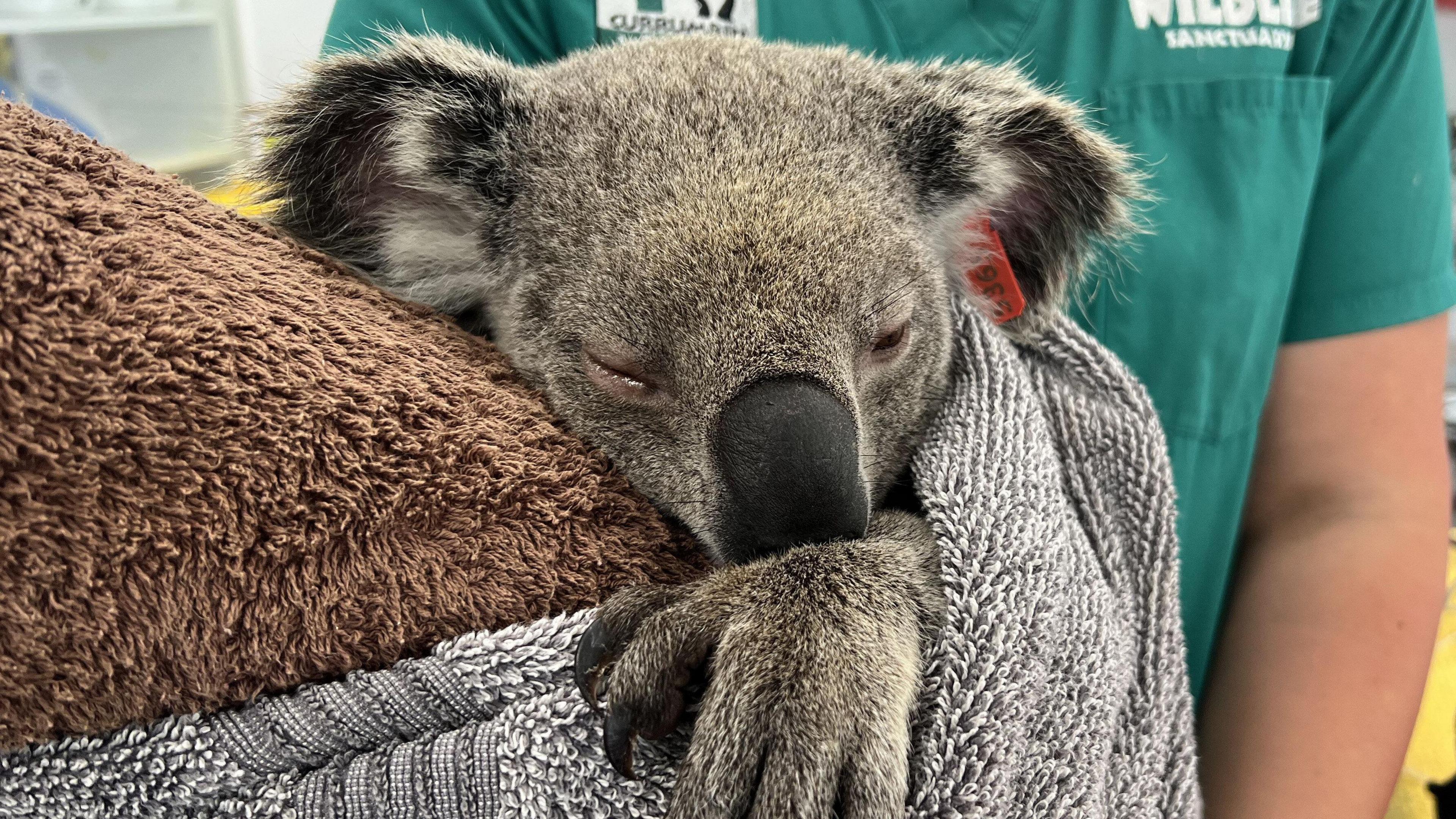
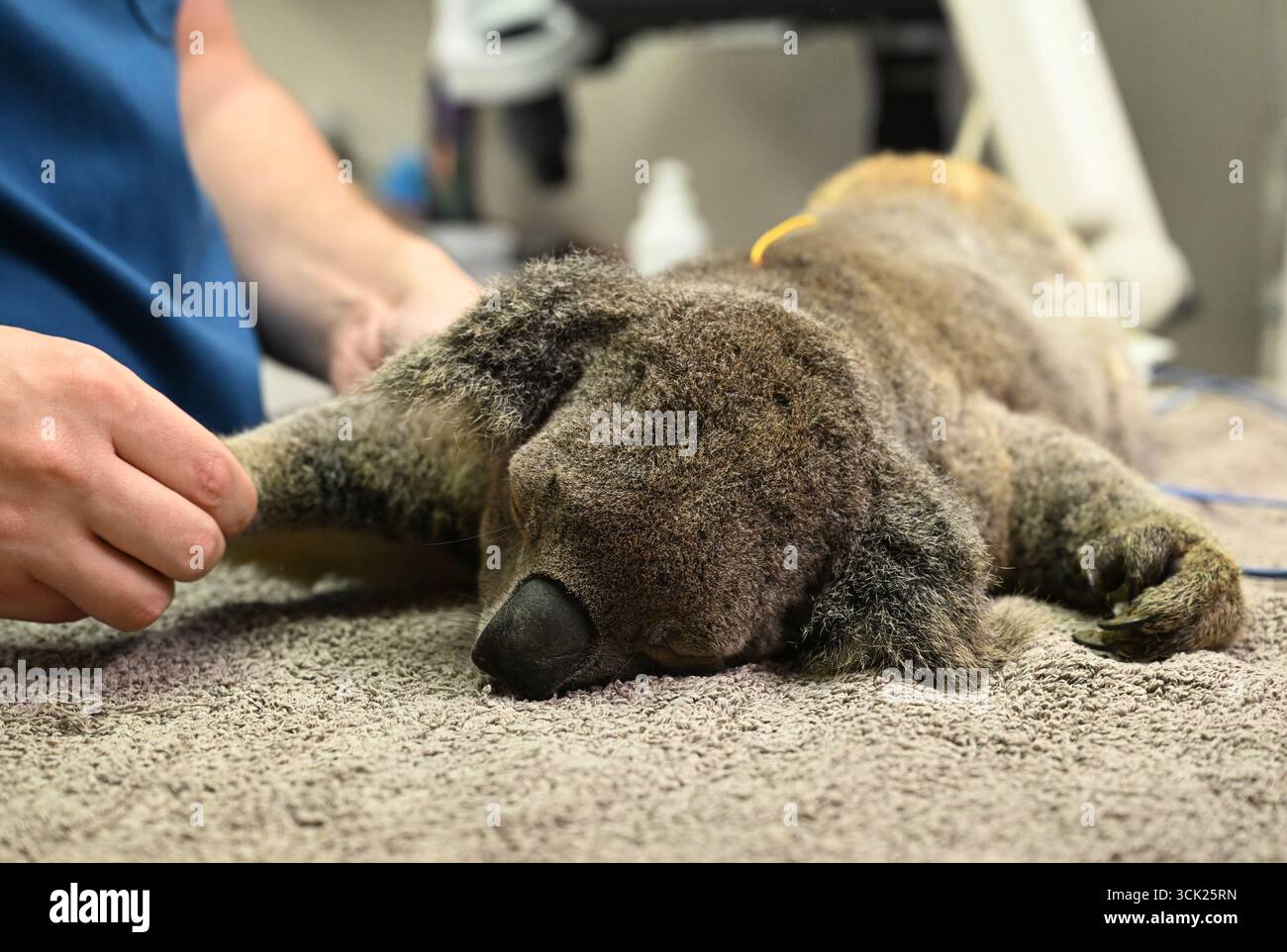
Yes, wild koala populations in Australia suffer extensively from chlamydia infections. Caused primarily by two bacterial species—Chlamydia pecorum and Chlamydia pneumoniae—the disease is a leading cause of illness and death among koalas. It manifests as painful urinary tract infections, severe conjunctivitis leading to blindness, reproductive tract disease resulting in female infertility, and fatal renal failure if left untreated.
Understanding Chlamydia in Koala Populations
Chlamydia in koalas (Phascolarctos cinereus) is not an isolated condition; it is a widespread epidemic affecting wild populations across eastern and southern Australia. While the disease shares its genus name with the human sexually transmitted infection, the specific bacterial strains impacting koalas differ substantially in their genetic structure, evolutionary history, and clinical presentations.
Wildlife biologists and veterinary scientists recognize two primary bacterial pathogens responsible for chlamydia in marsupials:
- Chlamydia pecorum: This is the most prevalent and destructive strain in koala populations. It is responsible for severe reproductive dysfunction, urinary tract infections, and ocular disease. C. pecorum affects a broad range of mammals, including sheep and cattle, but causes uniquely debilitating illness in marsupials.
- Chlamydia pneumoniae: Less virulent in koalas than C. pecorum, this species primarily causes respiratory infections and ocular discharge. Interestingly, C. pneumoniae also infects humans, though the koala-specific genotypes remain distinct from human-adapted strains.
The prevalence of infection varies dramatically by region. In certain populations throughout Queensland and New South Wales, infection rates reach as high as 80% to 90%. Conversely, isolated island populations, such as those on French Island and Magnetic Island, historically maintained lower rates or complete freedom from the bacteria, though localized translocations have altered some of these dynamics.
- Chlamydial Infection in Koalas
- Chlamydia pecorum
- Primary pathogen
- Affects eyes, urogenital system
- Causes blindness & infertility
- Chlamydia pneumoniae
- Secondary pathogen
- Affects eyes, respiratory tract
- Causes nasal discharge & distress
- Chlamydia pecorum
Evolutionary Origins: How Did Koalas Acquire the Bacteria?
Understanding how koalas contracted chlamydia requires examining both genomic sequencing and historical ecological shifts. Molecular epidemiological research indicates that Chlamydia pecorum was likely introduced to Australia via imported European livestock during the 19th century.
When European settlers introduced sheep, cattle, and goats to Australia, these domesticated animals carried endemic livestock strains of C. pecorum. Genetic analysis shows that koala strains of C. pecorum share high sequence identity with livestock isolates, strongly pointing to a cross-species spillover event (zoonotic jump in reverse, or reverse zoonosis). Once the bacteria adapted to the marsupial host, it spread rapidly through interconnected eucalyptus forest corridors across Queensland, New South Wales, and Victoria.
However, Chlamydia pneumoniae tells a somewhat different evolutionary story. Genomic evidence suggests C. pneumoniae has co-evolved with Australian marsupials over millions of years, maintaining a relatively stable host-parasite equilibrium until secondary stressors disrupted the balance.
Clinical Symptoms and Physical Pathologies
Chlamydial disease in koalas presents through distinct clinical signs depending on the target organ system. Veterinary clinicians classify the disease into ocular and urogenital presentations.
Ocular Chlamydiosis (Eye Disease)
Ocular infection begins as chronic conjunctivitis, marked by inflammation, redness, and clear-to-purulent discharge around one or both eyes. As the bacterial load increases:
- The conjunctival tissue becomes severely swollen and proliferative (chemosis).
- Corneal ulceration and vascularization develop, obscuring vision.
- Secondary bacterial infections aggravate the swelling, eventually causing total, irreversible blindness.
Blind koalas lose the ability to navigate tree canopies, select appropriate eucalyptus leaves, or avoid ground-based predators such as wild dogs and vehicle traffic.
Urogenital Chlamydiosis ("Dirty Tail")
The most severe systemic damage occurs within the urogenital tract. In field observations, this condition is commonly referred to as "dirty tail" or "wet bottom" due to chronic urinary incontinence and severe inflammation.
- In Female Koalas: C. pecorum ascends through the urogenital tract to infect the vaginas, uterus, fallopian tubes, and bursae. This triggers chronic inflammation, resulting in severe cystic expansion of the ovaries and reproductive ducts. These fibrotic cysts cause anatomical distortion and permanent reproductive sterilization. Even if the active infection is cleared with medication, damaged reproductive organs rarely recover function.
- In Male Koalas: Infection targets the testes, prostate, and bulbourethral glands. It leads to orchitis, epididymitis, painful urination, and reduced fertility or complete sterility.
- Renal Complications: Severe cystitis frequently ascends to the kidneys, leading to pyelonephritis, systemic sepsis, and painful renal failure.
| Disease Manifestation | Pathogen Responsible | Primary Organs Affected | Clinical Signs | Long-Term Consequences |
|---|---|---|---|---|
| Ocular Chlamydiosis | C. pecorum, C. pneumoniae | Eyes, conjunctiva, cornea | Swelling, purulent discharge, crusting | Permanent blindness, starvation, predation risk |
| Urogenital Chlamydiosis | C. pecorum | Bladder, urethra, kidneys | Urinary incontinence ("dirty tail"), dysuria | Renal failure, fatal systemic toxemia |
| Reproductive Pathology | C. pecorum | Ovaries, fallopian tubes, uterus, testes | Ovarian cysts, tissue fibrosis, inflammation | Irreversible infertility, population recruitment failure |
| Respiratory Infection | C. pneumoniae | Nasal passages, lungs | Rhinitis, laboured breathing, sneezing | Secondary pneumonia, compromised foraging |
Transmission Routes and Environmental Drivers
Chlamydia spreads through multiple contact pathways in wild koala populations. Understanding transmission mechanics is critical for wildlife health management and field interventions.
Sexual Transmission
Adult koalas transmit C. pecorum primarily during mating activities. Mating in koalas involves close physical contact, vocal displays, and mounting behavior, creating direct mucosal contact through which bacterial elementary bodies pass between individuals.
Maternal Transmission
Mothers transmit the bacteria to their offspring (joeys) through two distinct mechanics:
- Birth and Pouch Life: Passing through an infected birth canal exposes newborn joeys to active bacteria.
- Pap Feeding: When a joey transitions from milk to eucalyptus leaves, it consumes a specialized maternal fecal material called "pap." Pap contains concentrated gut microbes necessary for digesting eucalyptus tannins. If the mother harbors Chlamydia in her digestive or urogenital tract, the joey acquires the pathogen during pap ingestion.
Environmental Stressors as Disease Accelerators
Infection does not always mean immediate clinical illness. Many koalas carry latent, subclinical chlamydial infections without showing physical symptoms. However, environmental stress disrupts the koala's immune function, causing latent infections to flare into acute, life-threatening disease.
Major environmental stress factors include:
- Habitat Fragmentation and Loss: Clearing eucalyptus forests for urban development forces koalas into smaller, isolated forest patches. Overcrowding increases stress hormones (cortisol) and accelerates bacterial transmission rates.
- Climate Change and Heatwaves: Extreme temperatures and prolonged droughts desiccate eucalyptus leaves, reducing nutritional quality and hydration. Malnourished koalas suffer compromised immune defense mechanisms.
- Koala Retrovirus (KoRV): Koala retrovirus alters the host genome and induces immunodeficiency, similar to human HIV. Koalas co-infected with KoRV are significantly more vulnerable to acute chlamydial outbreaks and rapid tissue destruction.
Impact on Koala Conservation Status
Chlamydia is a primary biological driver of the dramatic population decline observed in wild koalas across eastern Australia. In 2022, the Australian Government formally reclassified koala populations in Queensland, New South Wales, and the Australian Capital Territory as Endangered under the Environment Protection and Biodiversity Conservation Act 1999 (EPBC Act).
- Environmental Stress Factors (Habitat Loss, Heatwaves, KoRV)
- Immunosuppression & High Cortisol
- Flare-Up of Latent Chlamydia
- Blindness, Infertility, Death
- Wild Population Decline
The demographic consequence of chlamydia is twofold:
- Direct Mortality: Acute renal failure, systemic sepsis, and severe starvation resulting from blindness directly kill adult koalas.
- Reproductive Failure: High rates of female infertility prevent wild populations from recovering naturally. Even when adult mortality rates remain moderate, a population with 80% female sterility faces inevitable extinction over several generations because replacement birth rates fall below mortality thresholds.
Veterinary Treatment Challenges: The Gut Microbiome Paradox
Treating chlamydia in captive or rescued wild koalas presents a severe pharmacological paradox for wildlife veterinarians.
Koalas rely entirely on a specialized diet of eucalyptus leaves, which are rich in complex fiber, essential oils, and toxic secondary metabolites (tannins and phenolics). To break down these toxic leaves and extract nutrients, koalas depend on a specialized intestinal microbiome rich in tannin-degrading bacteria like Lonepinella koalarum.
The Antibiotic Dilemma
Standard medical treatment for chlamydial infections involves systemic, long-term administration of broad-spectrum antibiotics, such as doxycycline, chloramphenicol, or fluoroquinolones. However, these drugs do not selectively target Chlamydia; they also eradicate the beneficial bacteria inside the koala's cecum and colon.
When antibiotic therapy destroys the gut microbiome:
- The koala loses its ability to digest eucalyptus leaves.
- Toxins accumulate in the gastrointestinal tract, causing severe dysbiosis, emaciation, and fatal gastrointestinal stasis.
- Veterinarians must balance eradicating the chlamydial infection against causing fatal gut breakdown.
To manage this risk, veterinary research institutions—including the University of Queensland School of Veterinary Science—have developed targeted dosing protocols combined with fecal microbiota transplants (microbiome restoration via "poop pills" or donor pap slurry) to support the digestive tract during antibiotic treatment.
Vaccine Breakthroughs and Conservation Strategies
Given the limitations of antibiotic therapy in wild populations, prophylactic vaccination represents the most viable long-term solution for controlling koala chlamydia.
Vaccine trials led by researchers at the University of the Sunshine Coast (USC) Centre for Bioinnovation have yielded high-efficacy candidate vaccines targeting Chlamydia pecorum.
- Prophylactic Vaccine Mechanism
- Recombinant Outer Membrane Proteins (MOMP)
- Neutralizing Mucosal IgA/IgG Antibody Production
- Targeted Immune Response Prevents Bacterial Adhesion and Protects Urogenital/Ocular Mucosal Surfaces
Vaccine Mechanics and Field Deployment
- Formulation: The vaccine uses recombinant major outer membrane proteins (MOMP) of Chlamydia pecorum combined with specialized adjuvants designed to stimulate mucosal immunity (IgA and IgG antibodies).
- Safety and Efficacy: Clinical field trials confirm that the vaccine is safe for both healthy and infected koalas. It reduces bacterial shedding in infected animals, slows disease progression, and prevents uninfected koalas from contracting the pathogen upon exposure.
- Maternal Protection: Vaccinated females pass protective antibodies to their joeys through milk and pap, shielding the offspring during critical early developmental stages.
- Field Vaccination Programs: Wildlife rescue organizations and state wildlife agencies routinely vaccinate koalas prior to release following rehabilitation, as well as during wild capture-vaccinate-release operations in vulnerable habitats.
Does Koala Chlamydia Threaten Human Health?
A frequent point of confusion is whether humans can contract chlamydia from koalas.
- Chlamydia pecorum is host-adapted primarily to ungulates and marsupials. There are no documented cases of transmission of C. pecorum from koalas to humans under normal environmental or handler conditions.
- Chlamydia pneumoniae can infect humans, causing respiratory tract infections (bronchitis and atypical pneumonia). However, genomic analyses demonstrate that human-adapted strains of C. pneumoniae are genetically distinct from the strains circulating in marsupials. While zoonotic potential is low, wildlife carers, researchers, and veterinarians practice strict hygiene protocols—including wearing personal protective equipment (PPE), face shields, and gloves—when handling infected animals to eliminate cross-contamination risks.
Human sexually transmitted chlamydia is caused exclusively by Chlamydia trachomatis, a species entirely separate from the strains affecting koalas. Humans cannot contract C. trachomatis from koalas, nor can koalas contract human strains.
Frequently Asked Questions
Can humans catch chlamydia from touching or hugging a koala?
No. The strain responsible for human sexually transmitted infections is Chlamydia trachomatis, which does not infect koalas. The primary koala strain, Chlamydia pecorum, does not infect humans. While koalas carry Chlamydia pneumoniae, which has human equivalents, transmission to humans from casual contact is extremely rare. Physical contact with wild koalas should be avoided to prevent stress to the animal.
Are all wild koalas infected with chlamydia?
Not all wild koalas carry the bacteria, but prevalence is exceptionally high in eastern Australia. In Queensland and New South Wales, regional infection rates often range between 50% and 90%. Some isolated island populations (such as those on French Island in Victoria) have historically remained uninfected, though management challenges exist when translocating animals.
Why doesn't immune response clear chlamydia naturally in koalas?
Chlamydia species are intracellular bacteria that evade the host immune system by hiding inside host cells. When a koala experiences immune suppression from environmental stress, habitat fragmentation, or co-infection with Koala Retrovirus (KoRV), the host immune system fails to suppress bacterial replication, leading to severe clinical symptoms.
How do veterinarians diagnose chlamydia in wild koalas?
Veterinarians use swab samples taken from the eyes, urogenital tract, or cloaca/sinus. These samples undergo Polymerase Chain Reaction (PCR) testing to detect Chlamydia pecorum or Chlamydia pneumoniae DNA. Veterinary clinicians also use ocular scoring, abdominal ultrasound to detect ovarian cysts, and urine analysis to evaluate infection severity.
Can a koala fully recover from chlamydia?
With early veterinary intervention using specialized antibiotic regimens and supportive care, active bacterial infections can be cured. However, permanent anatomical damage—such as scarring of the cornea (blindness) or extensive cystic damage to female reproductive organs—is irreversible, leaving cured koalas permanently blind or sterile.
Practical Actions and Conservation Support
Addressing the koala chlamydia crisis requires a combined approach involving habitat conservation, veterinary research, and active wildlife monitoring.
- Support Recognized Wildlife Sanctuaries: Support reputable wildlife hospitals, such as the Currumbin Wildlife Hospital or the RSPCA Australia Wildlife Care Centers, which fund wild koala admissions, antibiotic treatment, microchipping, and vaccination programs.
- Report Sick or Injured Wildlife: In Australia, if you observe a koala on the ground showing signs of a "dirty tail" (wet, stained rump), red/swollen eyes, or disorientation, contact a licensed local wildlife rescue organization immediately (e.g., WIRES in NSW or the RSPCA hotline in QLD).
- Advocate for Habitat Protection: Preserving continuous eucalyptus forest corridors reduces stress-induced immune suppression in wild populations, giving natural immunity and vaccination efforts the greatest chance of success.