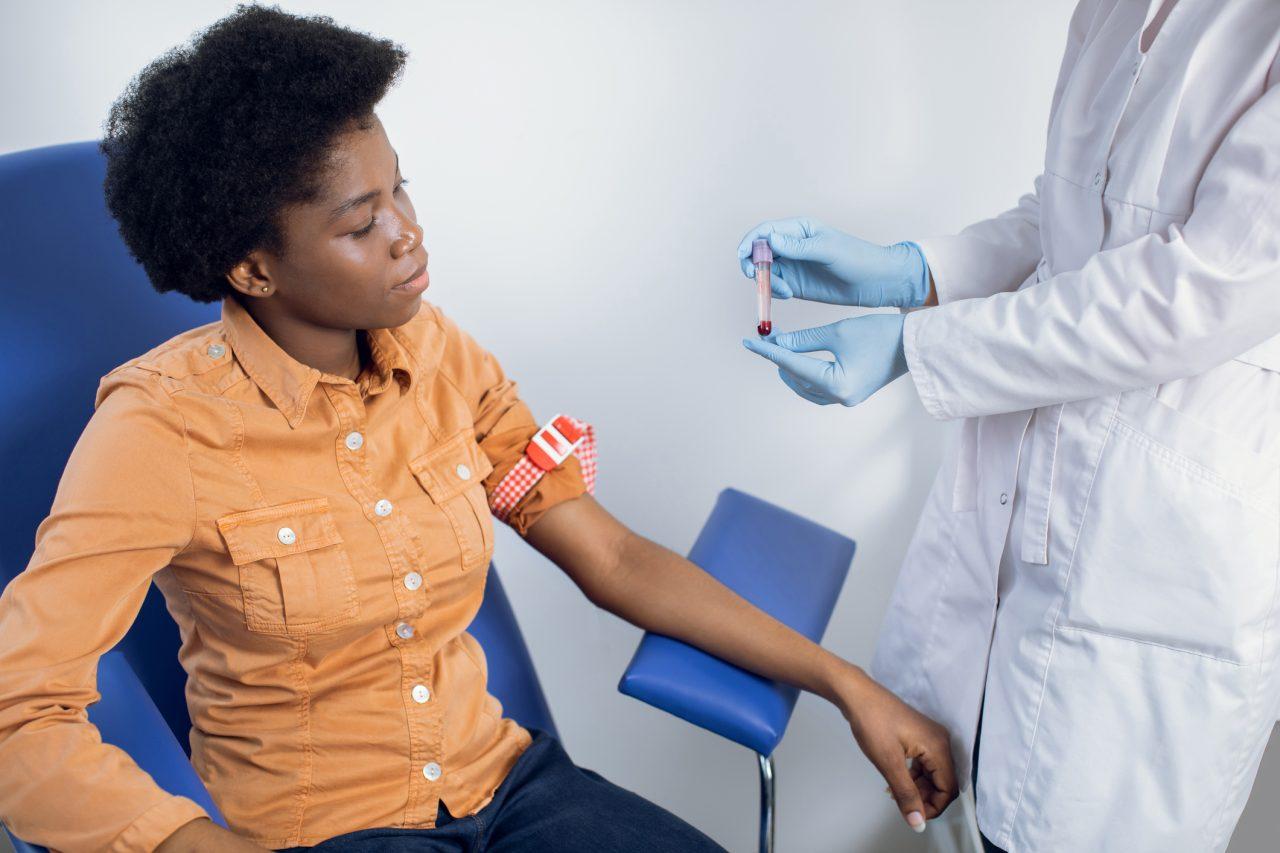
Yes, AIG (now operating its life and retirement business under Corebridge Financial) requires a blood draw for most traditional, fully underwritten life insurance policies. However, a blood test is not mandatory for every applicant. Corebridge Financial offers no-exam policies, guaranteed issue plans, and accelerated underwriting programs that allow qualifying applicants to skip the blood draw and physical exam entirely.
Understanding AIG's Transition to Corebridge Financial
Before navigating life insurance medical requirements, it is helpful to understand a recent corporate change. American International Group (AIG) separated its life and retirement division, officially rebranding it as Corebridge Financial.
While many consumers still search for "AIG life insurance," policies are underwritten by companies under the Corebridge umbrella, primarily American General Life Insurance Company (and The United States Life Insurance Company in the City of New York for New York residents). The underwriting guidelines, blood testing requirements, and paramedical examination protocols discussed below apply directly to these Corebridge / American General Life products.
When Does Corebridge (AIG) Require a Blood Test?
Whether your application involves a blood draw depends primarily on three factors: the policy type, the coverage amount (face value), and your age at the time of application.
- Corebridge (AIG) Policy
- Is it Fully Underwritten or Simplified?
- Fully Underwritten (Term / Permanent)
- Check Age & Face Amount
- Meets No-Exam Thresholds?: NO BLOOD DRAW (Accelerated Path)
- Exceeds Limits or Random Audit: BLOOD DRAW REQUIRED (Paramedical Exam)
- Check Age & Face Amount
- Simplified / Guaranteed (Final Expense / No-Exam): NO BLOOD DRAW REQUIRED (Simple Questionnaire)
- Fully Underwritten (Term / Permanent)
- Is it Fully Underwritten or Simplified?
1. Fully Underwritten Term and Permanent Policies (Blood Draw Likely)
If you apply for a standard or large-amount Term Life or Quality of Life (Universal Life) policy, underwriting standard operating procedures usually require a full paramedical examination. This exam includes a blood draw, urine sample, height/weight measurement, blood pressure check, and detailed medical history review.
- Higher Coverage Amounts: Policies requesting $1,000,000 or more almost always require a blood draw regardless of age.
- Older Applicants: Applicants aged 50 or older often undergo a blood draw even for moderate coverage levels (e.g., $250,000 to $500,000).
2. Accelerated Underwriting Programs (Blood Draw Waived for Qualifying Applicants)
Corebridge Financial utilizes fluidless (no blood/urine) underwriting technology for eligible applicants. Under these programs—often branded under automated or accelerated underwriting paths—applicants within specific age and face amount thresholds can secure fully underwritten rates without a blood draw.
- Eligibility: Typically open to applicants aged 18 to 50 or 60 seeking coverage up to specific limits (often up to $1,000,000 or $2,000,000 depending on current program guidelines).
- Requirements: You must have a clean medical background, favorable prescription database history, clean motor vehicle records, and acceptable public records.
- Random Audits: A small percentage of accelerated applicants are selected for random spot checks, which require a standard paramedical exam and blood draw.
3. Guaranteed Issue and Simplified Issue Policies (No Blood Draw)
Corebridge offers coverage options designed specifically to avoid medical exams entirely:
- Guaranteed Acceptance Whole Life: Designed primarily for older adults (typically ages 50 to 85), this policy requires no medical exam, no blood draw, and no medical questions. Approval is guaranteed regardless of pre-existing conditions, though coverage limits are lower (usually up to $25,000) and feature a graded death benefit during the first two policy years.
- Simplified Issue Policies: These require brief health questionnaires and database checks (prescription monitoring, MIB Group reports) but explicitly omit physical exams and blood testing.
Policy Types and Exam Requirements Comparison
The following table outlines the general blood draw and physical examination requirements across Corebridge (AIG) life insurance product categories:
| Policy Category | Typical Coverage Limits | Blood Draw Required? | Physical Exam Required? | Average Decision Timeframe |
|---|---|---|---|---|
| Guaranteed Acceptance Whole Life | $5,000 – $25,000 | No | No | Instant to 48 Hours |
| Accelerated Term Life | Up to $1,000,000+ | No (if qualified) | No (if qualified) | 1 to 7 Days |
| Standard Fully Underwritten Term | $250,000 to $10,000,000+ | Yes | Yes | 3 to 6 Weeks |
| Universal / Index Universal Life | $100,000+ | Yes (in most cases) | Yes (in most cases) | 4 to 6 Weeks |
| Simplified Issue Final Expense | Up to $50,000 | No | No | 24 to 72 Hours |
Note: Underwriting requirements are subject to change based on applicant risk profile, age bands, and state-specific regulations.
What Does the Corebridge (AIG) Blood Draw Test For?
When a blood sample is collected during a paramedical exam, it is sent to a certified clinical laboratory contracted by the insurer (such as ExamOne or APPS Paramedical). The blood sample is analyzed for multiple biological markers to evaluate your overall health risk profile.
- Corebridge Paramedical Blood Panel:
- Lipid Profile (Cholesterol, Triglycerides)
- Blood Sugar (Glucose, HbA1C)
- Organ Health (Liver enzymes, BUN, Creatinine)
- Nicotine / Cotinine (Tobacco & Vaping Detection)
- Infection Checks (HIV antibodies, Hepatitis B/C)
1. Cardiovascular Health and Lipid Panel
- Total Cholesterol: Evaluates overall circulating blood lipids.
- HDL and LDL Ratios: High-density lipoprotein (good cholesterol) versus low-density lipoprotein (bad cholesterol).
- Triglycerides: Measures blood fat levels, which can point to metabolic syndrome or cardiovascular risks.
2. Blood Sugar Control and Diabetes Screening
- Fasting Blood Glucose: Measures current circulating blood sugar.
- Hemoglobin A1C (HbA1C): Assesses your average blood sugar levels over the preceding two to three months. This helps identify undetected diabetes or evaluate how well managed known diabetes is.
3. Kidney and Renal Function
- Blood Urea Nitrogen (BUN) and Creatinine: High levels can indicate impaired kidney function, chronic kidney disease, or dehydration.
- Glomerular Filtration Rate (eGFR): Estimates how efficiently your kidneys filter waste from your blood.
4. Liver Function and Enzyme Activity
- AST (SGOT) and ALT (SGPT): Liver enzymes that elevate in response to liver cell inflammation, fatty liver disease, medication side effects, or excessive alcohol usage.
- GGT (Gamma-Glutamyl Transferase): Highly sensitive marker used to identify potential liver strain or chronic heavy alcohol consumption.
5. Infectious Diseases
- HIV Antibodies: Standard screening for Human Immunodeficiency Virus.
- Hepatitis B and C: Evaluates viral hepatitis markers to identify chronic liver infection risk.
6. Tobacco, Nicotine, and Substance Screenings
- Cotinine: A byproduct of nicotine. Its presence indicates recent use of cigarettes, cigars, smokeless tobacco, nicotine replacement therapy (gum/patches), or e-cigarettes/vapes.
- Prescription Medication & Substance Panel: Verifies disclosed prescription medications and screens for illicit drugs or non-disclosed controlled substances.
Step-by-Step: The Paramedical Exam Process
If your application requires a medical exam, the process is straightforward and designed for applicant convenience.
- Step 1: Scheduling
- The paramedical company contacts you to choose a time and location (home or office).
- Step 2: Pre-Exam Preparation
- Fast for 8 to 12 hours, drink plenty of water, and avoid strenuous exercise or alcohol.
- Step 3: Medical Interview & Vitals
- The examiner reviews medical history, takes height/weight, and checks blood pressure.
- Step 4: Fluid Collection
- A certified phlebotomist draws blood and collects a urine sample.
- Step 5: Lab Analysis & Underwriting
- Samples are processed at an accredited lab; results are submitted directly to underwriting.
Step 1: Scheduling the Appointment
Once your initial application is submitted, Corebridge contracts a mobile medical vendor (e.g., ExamOne). The examiner schedules an appointment at your home, workplace, or a local clinic.
Step 2: Conducting the Physical Vitals Check
The examiner will:
- Record your height and weight to calculate your Body Mass Index (BMI).
- Take multiple blood pressure readings and measure your resting pulse rate.
- Administer an electrocardiogram (EKG) if required by your age or high coverage amounts (often required for applicants over age 60 or seeking multi-million-dollar coverage).
Step 3: Medical Questionnaire Review
The examiner verifies your personal details, family medical history, current medical providers, and a detailed record of any current prescription medications.
Step 4: Fluid Collection (Blood and Urine)
A licensed phlebotomist or paramedic performs a standard venipuncture (drawing blood from a vein in your arm) into several small collection tubes. You will also provide a fresh urine specimen to cross-check kidney function, protein levels, glucose, and cotinine.
How to Prepare for an Insurance Blood Draw
Preparing properly for your paramedical appointment can help prevent false positives or temporarily elevated markers (such as high liver enzymes or elevated blood pressure) that could negatively impact your policy rate class.
24 to 48 Hours Before the Exam
- Avoid Strenuous Exercise: Intense weightlifting or high-intensity cardio can cause temporary spikes in muscle enzymes (like AST and ALT) and kidney markers (creatinine), mimicking liver or kidney distress.
- Avoid Alcohol: Alcohol consumption within 48 hours can elevate liver enzymes (GGT) and temporarily increase blood pressure readings.
- Limit Excess Sodium and Sugar: High-salt meals cause fluid retention and elevated blood pressure; high-sugar meals can trigger transient blood glucose spikes.
The Night Before and Morning of the Exam
- Fast for 8 to 12 Hours: Avoid eating or drinking anything other than water prior to your morning exam. Fasting ensures accurate baseline readings for fasting glucose and triglyceride levels.
- Hydrate Thoroughly with Water: Drinking plenty of water makes veins easier to locate for the phlebotomist, reducing discomfort during the blood draw. It also makes providing a urine sample easier and prevents false positives for high BUN/creatinine caused by mild dehydration.
- Avoid Caffeine and Tobacco: Do not drink coffee, energy drinks, or smoke on the morning of the exam. Caffeine and nicotine temporarily constrict blood vessels and elevate blood pressure and heart rate.
- Gather Documentation: Have a list of your current medications, dosages, doctor contact details, and a government-issued photo ID ready for the examiner.
What Happens After the Blood Draw?
After your samples are collected, they are sent to an accredited laboratory for analysis.
- Laboratory Processing: Results are typically generated within 3 to 7 business days and securely transmitted directly to the Corebridge Financial underwriting department.
- Underwriting Assessment: The underwriter reviews your lab panel against your application details, medical records (APS - Attending Physician Statement), and database reports.
- Risk Class Assignment: Based on the overall risk profile, Corebridge assigns a final health classification:
- Preferred Plus / Super Preferred: Exceptional lab results and physical health.
- Preferred: Excellent overall health with minor non-critical variations.
- Standard Plus / Standard: Average health, minor elevated markers (e.g., controlled blood pressure or elevated cholesterol).
- Substandard / Table Ratings: Elevated health risks requiring higher premium rates.
- Accessing Your Results: Most paramedical vendors (such as ExamOne) allow applicants to create an online account to view and download a free copy of their blood test results once underwriting is complete.
Frequently Asked Questions
Can I get AIG (Corebridge) life insurance without a blood test?
Yes. You can bypass the blood draw by applying for guaranteed issue whole life insurance, simplified issue coverage, or qualifying for Corebridge's accelerated underwriting programs. Eligibility for no-exam term coverage depends on your age, overall medical history, and requested face amount.
What happens if I am terrified of needles or blood draws?
If needle phobia prevents you from completing a blood draw, inform your life insurance agent before applying. They can steer your application toward accelerated underwriting or simplified issue policies that rely on digital health records, prescription database checks, and medical histories instead of physical blood samples.
Will AIG (Corebridge) test my blood for marijuana or CBD?
Yes. The blood and urine screening includes tests for THC (the active compound in marijuana). While marijuana use does not automatically trigger a declination, usage frequency determines whether you are categorized under tobacco rates or standard non-tobacco risk classes, depending on state regulations and underwriting guidelines.
How long do blood test results remain valid for underwriting?
Paramedical blood test results are generally considered valid by Corebridge for 6 to 12 months. If you reapply or request additional coverage within this timeframe, the insurer may reuse your recent lab results rather than requiring a second blood draw.
What if my blood test shows abnormal results?
If your lab work indicates abnormal markers (such as elevated blood glucose or high liver enzymes), Corebridge may issue a policy with a higher premium (table rating), postpone approval pending follow-up with your personal physician, or decline the application. You have the right to request a copy of your lab report to share with your primary care doctor for further medical evaluation.
Next Steps and Practical Recommendations
- Determine Your Coverage Needs First: Decide how much life insurance coverage your family or business requires before choosing an application path. Do not automatically sacrifice necessary coverage just to avoid a blood test.
- Consult an Independent Broker: Work with an independent life insurance agent who represents Corebridge Financial alongside other carriers. They can evaluate your age and medical profile to determine whether you qualify for accelerated fluidless underwriting.
- Prepare for the Exam: If your chosen policy requires a paramedical exam, follow fasting and hydration guidelines carefully to ensure your lab results accurately reflect your health profile.
- Review Your Free Lab Report: Take advantage of the free medical laboratory report provided after your exam. It offers a valuable snapshot of your cholesterol, blood sugar, and organ function.
Disclaimer: Life insurance underwriting guidelines, age bands, product availability, and examination thresholds are subject to change by Corebridge Financial and affiliated underwriting entities. For specific policy advice, consult a licensed life insurance professional or financial counselor.