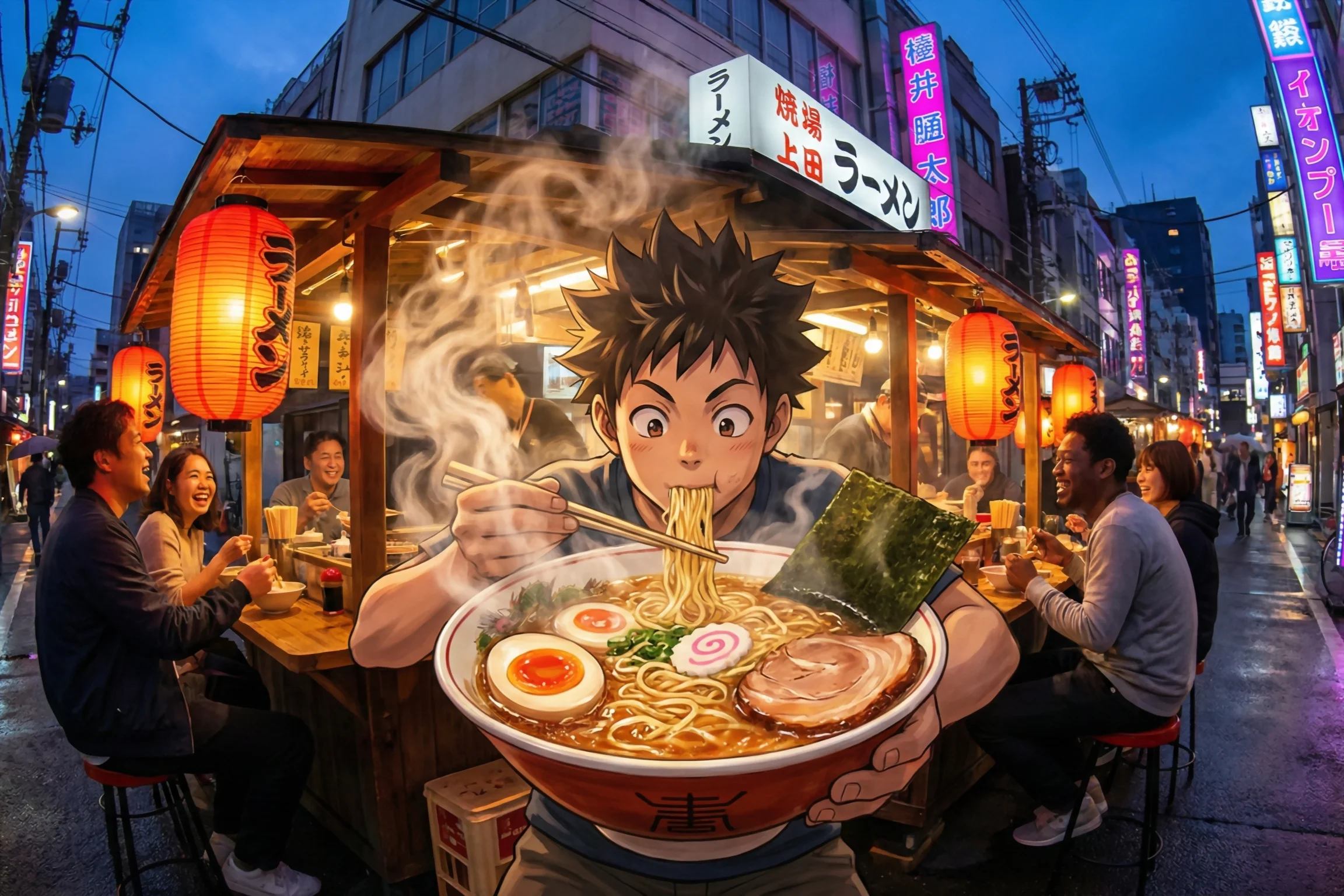
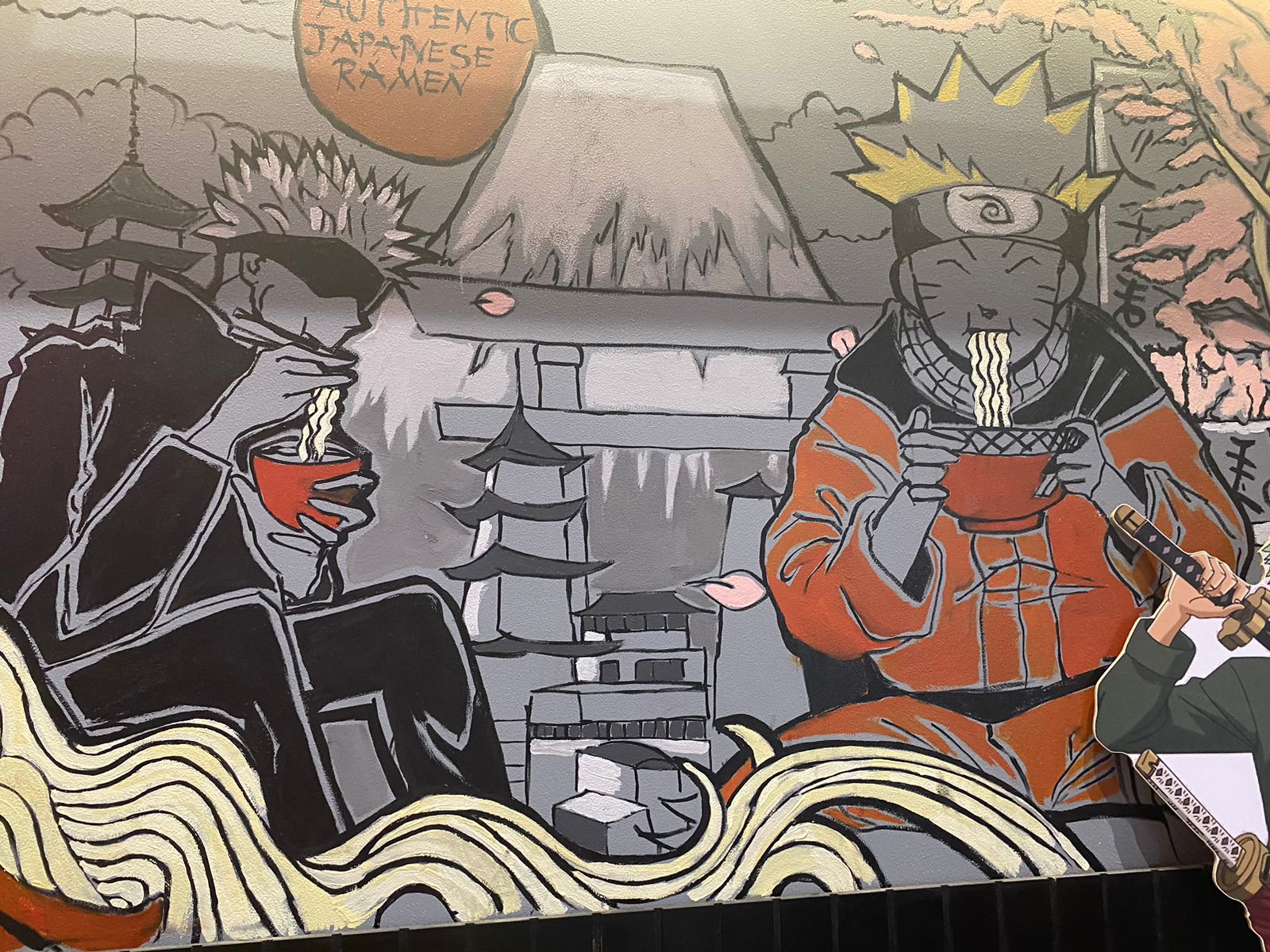
Ramen in anime serves as a vital cultural bridge, representing comfort, community, and the "soul food" of Japan. Beyond mere background art, it functions as a narrative tool to develop characters and has fueled a global obsession with Japanese cuisine, transforming local noodle shops into international landmarks and cultural icons.
The Cultural Significance of Ramen in Japanese Media
To understand why ramen is so prevalent in Japanese pop culture, specifically anime, one must first understand its position in Japanese society. Historically, ramen evolved from a Chinese import into a quintessential Japanese "soul food." It is affordable, filling, and deeply tied to the post-war recovery of Japan. In the world of anime, ramen often acts as a shorthand for "home" or "reward." Whether it is a student slurping noodles after a long day of exams or a ninja celebrating a successful mission, the bowl represents more than just calories; it represents the warmth of the Japanese social fabric.
By 2026, this representation has evolved further. Anime has moved beyond simply showing ramen to exploring the technical nuances of its preparation. The meticulousness with which "food sakuga" (high-quality food animation) is produced reflects a national pride in culinary precision. In many ways, the depiction of ramen in anime serves as a soft power tool, exporting Japanese lifestyle and values to a global audience. The "slurping" sound, often misunderstood in Western cultures as rude, is portrayed in anime as a sign of appreciation and flavor enhancement, effectively educating international viewers on Japanese dining etiquette.
Narrative Functions: Ramen as a Character Development Tool
Ramen is rarely "just food" in a well-crafted anime script. It often serves specific narrative functions that help the audience connect with the characters on a more human level.
The Reward System
In series like Naruto, ramen is the ultimate reward. Naruto Uzumaki’s frequent visits to Ichiraku Ramen are more than just meal breaks; they are moments of respite from his isolation. The shop is one of the few places where he felt welcomed early in the series. Teuchi, the shop owner, provides a paternal presence that Naruto lacked. Here, ramen symbolizes acceptance and the simple joys that sustain a person through hardship.
The Bonding Mechanism
Ramen is a communal food. In Ponyo, the scene where Sosuke’s mother prepares instant ramen for Ponyo is iconic. The steam, the melting slice of ham, and the boiling egg create a sense of safety and domestic bonding. Even in high-stakes action anime, the "ramen shop scene" is a trope used to ground the characters, allowing for dialogue and vulnerability that wouldn't fit in the heat of battle.
Technical Education
Some series, such as Ms. Koizumi Loves Ramen Noodles (Ramen Daisuki Koizumi-san), treat ramen as the primary subject. These "gourmet" anime dive deep into the chemistry of the broth, the texture of the noodles (alkalinity and hydration), and the regional variations across Japan. By 2026, these shows have created a generation of "ramen otakus" who can distinguish between a Hakata-style Tonkotsu and a Kitakata-style Shoyu broth based solely on visual cues from an animated frame.
Iconic Anime Ramen Varieties and Their Real-World Inspirations
The "anime ramen" aesthetic is often a curated version of real-world culinary traditions. Animators frequently visit actual ramen shops to study the lighting, the steam patterns, and the way oil beads on the surface of the soup.
| Anime Series | Ramen Type | Key Ingredients | Real-World Context |
|---|---|---|---|
| Naruto | Miso Chashu | Miso broth, extra pork, narutomaki | Based on a real "Ichiraku" shop in Fukuoka. |
| Ponyo | Instant/Ham Ramen | Soft-boiled egg, thick-cut ham, green onions | Represents "home-style" comfort and simplicity. |
| Dragon Ball Z | Generic Shoyu | Massive quantities of noodles and broth | Emphasizes the protagonist's superhuman appetite. |
| Ms. Koizumi | Various (Regional) | Everything from Pineapple Ramen to Jiro-style | Acts as a culinary travelogue of Japan. |
| Weathering with You | Potato Chip Ramen | Instant noodles topped with crushed chips | A "creative" modern take on bachelor cooking. |
The Aesthetics of "Food Sakuga"
The term Sakuga refers to moments in animation where the quality improves significantly to highlight a specific action. In the last decade, "food sakuga" has become a specialized sub-genre. Studios like Ufotable, CoMix Wave Films (Makoto Shinkai), and Studio Ghibli have set the gold standard for how ramen is rendered.
Technical aspects that animators focus on include:
- The Gloss Layer: The way light reflects off the fat (fat globules) floating in the broth. This indicates the richness of the soup, such as a heavy Tonkotsu.
- Noodle Elasticity: Showing the "bounce" of the noodle as it is lifted by chopsticks. This communicates the katame (firmness) level of the noodle.
- Steam Dynamics: Realistic steam movement is crucial for conveying temperature and freshness.
- The Narutomaki: This pink-and-white swirled fish cake is the most recognizable "anime" topping. While it is less common in modern high-end artisan shops, it remains a visual staple in anime to signal "classic ramen."
The Global "Ramen Boom" and Tourism
Anime’s portrayal of ramen has had a measurable impact on Japanese tourism and the global restaurant industry. Fans travel to Japan specifically to visit the "sacred sites" (seichi junrei) of their favorite food scenes.
- The Shin-Yokohama Ramen Museum: This "food theme park" has seen a surge in international visitors who cite anime as their primary reason for wanting to try different regional styles.
- Collaborations and Pop-up Cafes: In 2026, the trend of limited-time "Anime Ramen Cafes" continues to thrive. Large franchises like Jujutsu Kaisen or Demon Slayer often partner with chains like Ichiran or Ippudo to create character-themed bowls.
- The Rise of Instant Ramen Culture: Brands like Nissin (Cup Noodle) have leaned heavily into anime marketing. From the legendary Final Fantasy XV "cup noodle hat" to collaborations with One Piece, the instant ramen industry uses anime to maintain its status as a "cool" and convenient staple.
Technical Elements of Ramen Portrayed in Anime
For the uninitiated, anime serves as a primer for the four main "pillars" of ramen. Fans often learn these through the dialogue of food-obsessed characters:
- Tare (The Base): This is the seasoning sauce at the bottom of the bowl. Anime often explains the difference between Shio (salt), Shoyu (soy sauce), and Miso (fermented bean paste).
- Broth (The Body): The long-simmering process of extracting flavor from pork bones (Tonkotsu), chicken (Tori-paitan), or seafood (Dashi).
- Aroma Oil: A final layer of flavored oil (like burnt garlic oil or chili oil) that seals in the heat.
- Noodles: The role of kansui (alkaline water) in giving ramen noodles their yellow color and chewy texture is a frequent "fun fact" in culinary-themed episodes.
The Future of Ramen in Pop Culture (2026 Perspective)
As we move through 2026, the intersection of anime and ramen has expanded into the digital and high-tech realms. We are seeing the rise of Virtual Reality (VR) Dining, where users can eat a real bowl of ramen while wearing a headset that places them inside the Ichiraku shop from Naruto.
Furthermore, the "ASMR" (Autonomous Sensory Meridian Response) trend has heavily influenced how ramen is sound-engineered in anime. The crisp sound of a bamboo shoot being crunched or the specific "slurp" of a thick noodle is now recorded with high-fidelity binaural microphones to maximize the viewer's sensory experience. Ramen has moved from being a visual prop to a multi-sensory digital experience.
Common Misconceptions About Anime Ramen
While anime is a great teacher, it occasionally takes creative liberties. It is important to distinguish between "stylized" ramen and reality:
- Portion Sizes: Characters often eat bowls the size of their torsos. In reality, Japanese portions are standardized, and "extra noodles" (kaedama) are the preferred way to eat more, rather than a giant single bowl.
- Topping Overload: To make a bowl look "heroic," animators often pile on every possible topping. While "Tokusei" (special) ramen exists, most purists prefer a balance where the broth remains the star.
- Instant vs. Craft: Anime often treats instant ramen with the same reverence as restaurant ramen. While both have their place, the technical skill required for a 12-hour Tonkotsu broth is vastly different from a 3-minute Cup Noodle, a distinction sometimes blurred for comedic effect.
Frequently Asked Questions
Why do anime characters always eat ramen when they are sad?
Ramen is categorized as "comfort food" in Japan. The high carbohydrate and sodium content provide a physiological sense of satisfaction, while the warmth of the broth acts as a psychological "hug." In narrative terms, it's an easy way for creators to show a character seeking solace in something familiar and grounding.
What is the pink and white thing in anime ramen?
It is called Narutomaki, a type of kamaboko (cured surimi or fish cake). The swirl represents the whirlpools in the Naruto Strait. It became a staple of "Tokyo-style" ramen in the mid-20th century and has since become the visual shorthand for ramen in animation and emojis.
Is real Japanese ramen as healthy as it looks in anime?
Ramen is generally not considered a health food. While the toppings like seaweed (nori) and scallions have nutrients, the broth is often very high in sodium and saturated fats. However, compared to many Western fast foods, it contains fewer preservatives and more "whole food" components like long-boiled bone collagen.
Why do they slurp so loudly in anime?
In Japanese culture, slurping noodles is a sign that you are enjoying the meal. More importantly, from a technical standpoint, slurping draws air into the mouth, which helps cool the hot noodles and aerates the broth, allowing the diner to taste more complex flavor profiles—much like a sommelier aerates wine.
Can I visit the Ichiraku Ramen from Naruto?
While the specific shop in the anime is fictional, it was inspired by a real-life ramen shop called Ichiraku Ramen located near Kyushu Sangyo University in Fukuoka, where creator Masashi Kishimoto attended school. There are also several officially licensed Naruto-themed ramen restaurants in global cities like Shanghai and various locations in Japan.
Summary of Next Actions for Enthusiasts
If you are a fan looking to bridge the gap between anime and reality, consider these steps:
- Explore Regional Varieties: Move beyond "generic" ramen and try a specific style like Hokkaido Miso or Kyushu Tonkotsu to see how regionality is portrayed in shows like Ms. Koizumi.
- Learn the Toppings: Experiment with making your own Ajitsuke Tamago (marinated soft-boiled eggs), as this is the most common element fans try to replicate from the screen.
- Visit a Ramen Museum: If traveling to Japan, the Shin-Yokohama Ramen Museum offers a nostalgic, "showa-era" atmosphere that feels exactly like stepping into a classic anime set.
- Support Local Artisans: Instead of sticking to large chains, look for independent shops that emphasize handmade noodles and "double-soup" (seafood and meat) methods, which are currently trending in the 2026 culinary scene.