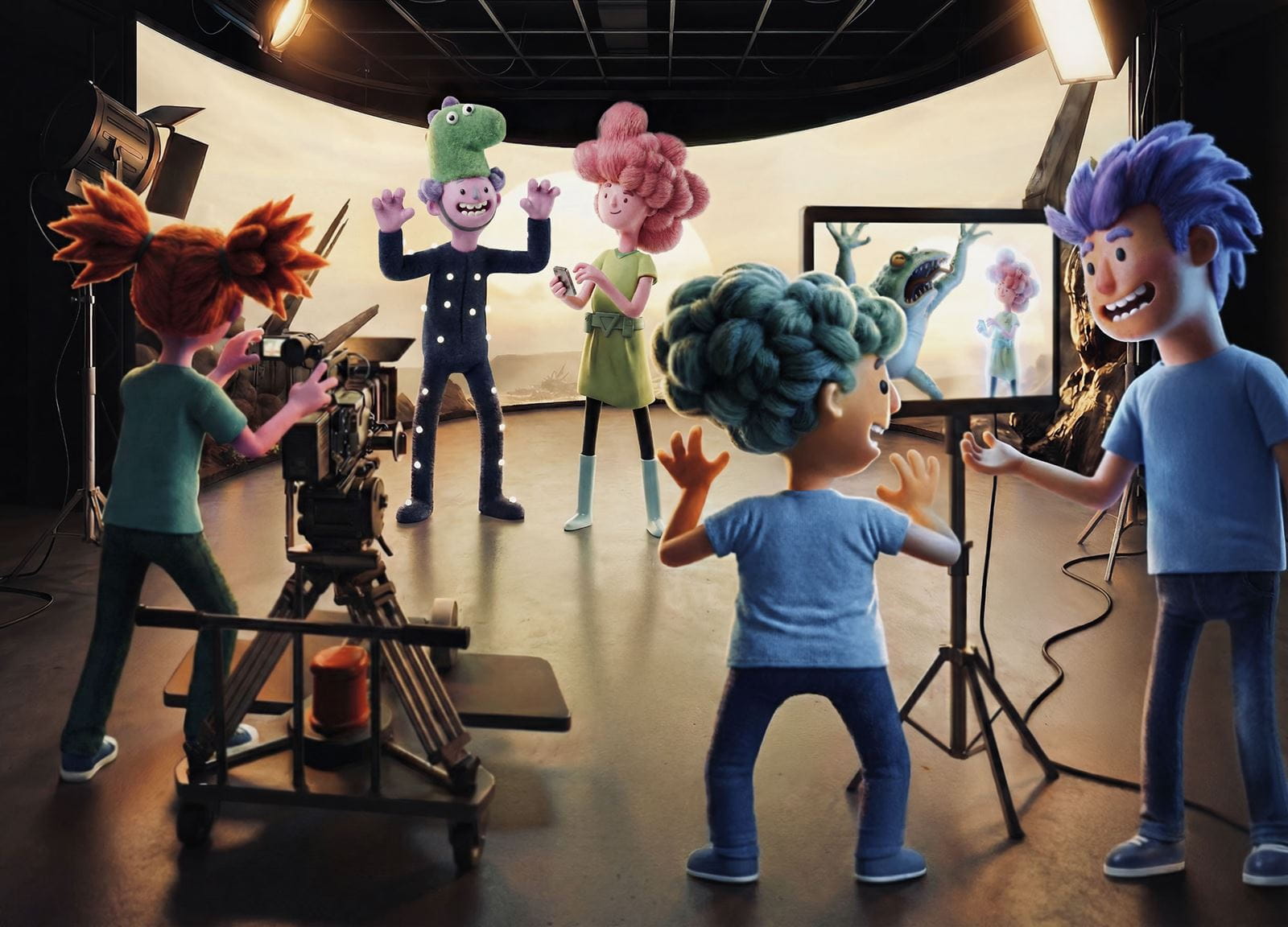
In 2026, the animation education landscape is defined by a paradox: while tuition at elite institutions continues to climb, the industry is witnessing an explosion of new technical niches. To succeed, prospective students must balance the high financial stakes of traditional degrees against the high-yield potential of emerging technologies like real-time rendering and AI-assisted production pipelines.
The animation industry has undergone more transformation in the last five years than in the previous twenty. As we navigate 2026, the decision to pursue a formal degree in animation is no longer a straightforward choice. It requires a calculated analysis of return on investment (ROI), geographic production shifts, and a clear understanding of which skills the market actually demands. For many, the "prestige" of a name-brand school is being weighed against the practical agility of specialized online programs and technical certifications.
The Financial Reality of Animation Education in 2026
The cost of attending a top-tier animation program has reached a critical threshold. In 2026, annual tuition at premier private institutions in the United States, such as the California Institute of the Arts (CalArts) or Ringling College of Art and Design, frequently exceeds $55,000, excluding housing, equipment, and software fees. When factoring in the high cost of living in animation hubs like Los Angeles, Vancouver, or London, the total four-year investment can easily surpass $300,000.
Several factors drive these rising costs:
- Infrastructure and Hardware Cycles: To keep students competitive, colleges must constantly upgrade high-end workstations, render farms, and motion capture volumes. In 2026, the standard for student workstations includes top-of-the-line GPUs capable of handling complex real-time simulations, adding thousands to institutional overhead.
- Software Licensing: While some developers offer educational discounts, the sheer breadth of tools required—ranging from Maya and ZBrush to specialized plugins and Houdini—creates a massive recurring expense for departments.
- Faculty Retention: The demand for experienced animators in the private sector (particularly in gaming and tech) remains high. Colleges must offer competitive salaries to attract "industry-hardened" instructors who would otherwise earn significantly more at studios like Sony, Pixar, or Epic Games.
For many families, these costs are unsustainable without significant financial aid or student loans. This has led to a surge in "educational auditing," where students scrutinize a program’s job placement rates and alumni networks more intensely than ever before.
Emerging Opportunities in a Tech-Driven Market
Despite the daunting costs, 2026 is an era of unprecedented opportunity for those who can navigate the changing technical requirements of the industry. The "traditional" animator role—someone who purely moves characters—is being supplemented by high-demand technical roles that often command higher starting salaries.
Real-Time Animation and Virtual Production
The integration of game engines like Unreal Engine 5 and Unity into the film and television pipeline has revolutionized the job market. Virtual production, popularized by shows like The Mandalorian, has become a standard in 2026. Students who specialize in real-time environments, lighting, and technical direction (TD) are finding themselves in a "seller's market." These skills are not only applicable to entertainment but also to automotive design, architecture, and medical visualization.
AI-Assisted Workflows
By 2026, the debate over AI has shifted from "will it replace us?" to "how do we use it?" Leading animation programs have integrated AI ethics and generative tools into their curricula. The emerging opportunity lies in "AI Pipeline Integration"—the ability to use machine learning to automate tedious tasks like rotoscoping, in-betweening, or texture generation. Animators who can direct these tools to speed up production without sacrificing artistic integrity are becoming the most valuable assets in the studio system.
The Rise of Indie Animation and Crowdfunding
The democratization of distribution through platforms like YouTube, Glitch Productions, and specialized streaming services has allowed independent creators to bypass traditional studio gatekeepers. Success stories of indie pilots being picked up for full seasons have empowered students to view their senior thesis projects not just as a grade, but as a potential intellectual property (IP) launchpad.
Comparative Analysis of Animation Education Paths
Choosing the right path depends on your career goals, financial situation, and learning style. The following table compares the three most common routes to a career in animation in 2026.
| Feature | Traditional 4-Year University | Specialized Online Schools | Self-Taught / Portfolio-Driven |
|---|---|---|---|
| Average Cost (4 Years) | $120,000 – $300,000 | $15,000 – $40,000 | $2,000 – $5,000 (Software/Gear) |
| Time Commitment | 4 Years | 6 Months – 2 Years | Variable (Self-Paced) |
| Networking Potential | Very High (Alumni/Peers) | High (Direct Mentor Access) | Low (Self-Driven Outreach) |
| Curriculum Breadth | High (Includes Liberal Arts) | Very Narrow (Skill-Specific) | Random / Interest-Based |
| Credential | BFA / Bachelor’s Degree | Certificate of Completion | Portfolio / Demo Reel Only |
| Best For | Young students seeking a full "college experience" and broad base. | Career changers or those focused solely on technical mastery. | Disciplined individuals with severe budget constraints. |
Evaluating the Value of a Degree vs. a Portfolio
In 2026, the "Golden Rule" of the animation industry remains unchanged: Your portfolio (or demo reel) is more important than your diploma. Recruiters at major studios rarely look at the name of the school before they look at the quality of the movement and the technical proficiency displayed in a 90-second video.
However, the degree still offers structural advantages that are difficult to replicate. A traditional college program provides a "safe" environment to fail, a community of peers who will eventually become your colleagues, and direct access to career fairs where recruiters actively scout for talent. Furthermore, for those looking to work abroad, a bachelor’s degree is often a legal prerequisite for obtaining a work visa in countries like Canada, Japan, or the USA.
Conversely, specialized online schools such as Animation Mentor, Gnomon (online), or iAnimate have become the industry’s secret weapon. These programs focus exclusively on the skills needed for a specific role—such as creature animation or FX—and are often taught by working professionals currently employed at major studios. The ROI of these programs is frequently higher because they cost a fraction of a university degree while delivering comparable technical training.
Strategies for Mitigating Costs
For students committed to a formal degree, several strategies can help manage the financial burden in 2026:
- Community College Transfers: Completing two years of general education at a community college before transferring to a specialized animation program can save upwards of $60,000.
- Geographic Arbitrage: Considering international schools in regions with subsidized tuition can be a game-changer. Institutions in France (like Gobelins) or Canada (like Sheridan) offer world-class training often at a lower price point than private American universities, even for international students.
- The "Hybrid" Approach: Many students are now opting for a two-year associate degree to get the basics and then finishing their education through a one-year intensive online program to polish their portfolio.
- Scholarships and Grants: Beyond school-specific aid, organizations like the Animation Guild or ASIFA-Hollywood offer specialized scholarships for promising talent.
The Importance of Specialization
The era of the "Generalist" is fading in the high-end studio world. As production pipelines become more complex, studios in 2026 are looking for specialists who can solve specific technical problems. When selecting a program, students should look for curricula that allow for deep dives into specific niches:
- Rigging and Pipeline TD: Creating the skeletal structures and software bridges that allow animators to work. This is a high-demand, high-pay role.
- Lighting and Compositing: The final stage of the pipeline where the "look" of the film is solidified.
- Procedural FX: Using math and logic in Houdini to create fire, water, and destruction.
By specializing early, students can often bypass the entry-level "runner" positions and move directly into junior artist roles, helping to pay off educational debts more quickly.
Frequently Asked Questions
Is an animation degree worth it in 2026?
The answer depends on your career goals and financial situation. If you require a work visa for international employment or value a broad, mentored environment, a degree is valuable. However, if you are strictly focused on skill acquisition and are on a tight budget, specialized online certificates often provide a better ROI.
How has AI changed the animation job market for new graduates?
AI has increased the demand for "Technical Animators"—those who can manage AI-driven tools to increase productivity. While some entry-level "grunt work" has been automated, the demand for creative decision-makers and those who can handle complex, nuanced performances has remained steady or grown.
What are the most in-demand animation skills right now?
Proficiency in real-time engines (Unreal Engine), procedural effects (Houdini), and technical rigging are currently at the top of the list. Character animation remains a core skill, but adding a "technical edge" significantly improves employability.
Can I get a job in animation without a college degree?
Yes. Studios hire based on your demo reel. Many successful professionals in the industry are self-taught or attended non-accredited trade schools. The primary hurdle for non-degree holders is navigating international work visas, which often require a formal education equivalent.
Which software should I focus on learning?
As of 2026, Autodesk Maya remains the industry standard for character animation, while Houdini dominates FX. Unreal Engine 5 is essential for real-time and virtual production. Learning Blender is also highly recommended, as its adoption in professional pipelines has grown significantly due to its robust feature set and lack of licensing costs.
Practical Recommendations
For those looking to enter the animation field in 2026, the best course of action is to start with a rigorous self-assessment. Before committing to a $200,000 degree, spend six months learning the basics using free or low-cost resources like Blender and YouTube. This will test your discipline and passion.
If you find you have the drive, look for programs that offer direct industry mentorship and a strong focus on real-time technology. Prioritize schools that have an "industry-first" mindset and a track record of adapting their curriculum to the latest technical shifts. Finally, regardless of your chosen path, spend as much time networking and building your community as you do honing your craft; in animation, your "tribe" is often what carries you through your career.