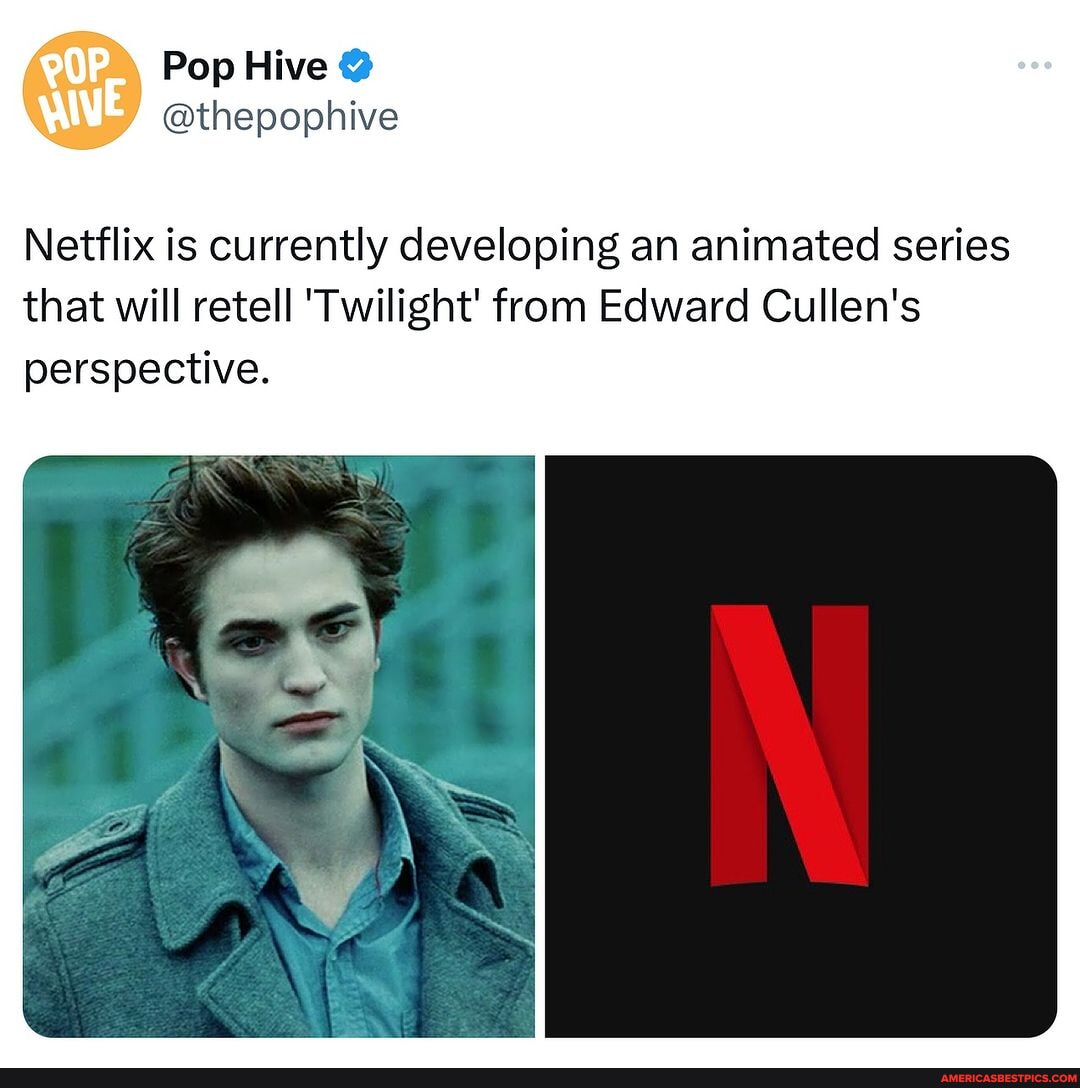
Netflix’s animated Twilight series, an adaptation of Stephenie Meyer’s 2020 novel Midnight Sun, serves as a creative expansion of the original vampire saga. Developed by Lionsgate Television and streaming exclusively on Netflix, the series retells the events of the first book from Edward Cullen’s perspective, utilizing high-end animation to explore supernatural elements that were previously constrained by live-action budgets.
The Evolution of the Twilight Franchise: From Page to Screen to Animation
The journey of the Twilight franchise from a young adult literary phenomenon to a billion-dollar film series, and now to a premier animated production, reflects a significant shift in how studios approach established intellectual property. By 2026, the "Twilight Renaissance"—a period of renewed interest among Gen Z and nostalgic Millennials—has matured, providing the perfect environment for a reimagined version of the story.
When the original films were released between 2008 and 2012, they faced the technical limitations of their time. Creating convincing depictions of "marble-skinned" vampires who move at lightning speed and "sparkle" in sunlight was a massive undertaking for early 2000s CGI. The move to animation in the mid-2020s represents a strategic choice to bypass these hurdles. Animation allows for a more stylized, ethereal aesthetic that aligns more closely with Meyer’s original descriptions of the characters’ otherworldly beauty and physical capabilities.
Lionsgate Television first confirmed the development of a Twilight series in early 2023. By late 2024, it was officially announced that the project would be animated and had found its home at Netflix. This partnership followed the success of other adult-oriented animated adaptations on the platform, which demonstrated that mature themes and complex romances could thrive in a non-live-action format.
Midnight Sun: The Foundation of the Animated Series
Unlike a direct remake of the 2008 film, the Netflix animated series draws its primary inspiration from Midnight Sun. This perspective shift is the defining characteristic of the 2026 adaptation. While the original story focused on Bella Swan’s experience of falling in love with a vampire, Midnight Sun dives into Edward Cullen’s internal struggle, his dark history, and his ability to hear the thoughts of everyone around him—except Bella.
This narrative choice provides the animated series with a much darker and more psychological tone. Viewers are not just seeing the romance; they are experiencing Edward’s century-old weariness and the constant battle between his predatory instincts and his morality. The animation format is uniquely suited to visualize Edward’s telepathy, using abstract visual cues and layered audio to represent the "noise" of the human minds he constantly monitors.
Expanding the Lore
By focusing on Edward's viewpoint, the series also expands the roles of the Cullen family members. Alice, Jasper, Rosalie, Emmett, Carlisle, and Esme receive significantly more screen time and character development than they did in the original film's runtime. The series explores their backstories through stylized flashbacks, providing a deeper look into the vampire world-building that fans have requested for years.
Production Timeline and Key Milestones (2023–2026)
The production of the Twilight animated series was a multi-year effort involving several high-profile creative entities. Understanding the timeline helps explain the high production value seen in the 2026 release.
- April 2023: Lionsgate Television announces that a Twilight TV series is in early development. Internal discussions begin regarding the format (live-action vs. animation).
- March 2024: Lionsgate Vice Chairman Michael Burns confirms during a media conference that the series will be animated, citing the creative freedom the medium offers.
- September 2024: Netflix officially wins the rights to the series. It is revealed that Sinead Daly (Tell Me Lies, The Walking Dead: World Beyond) is attached to write and executive produce.
- 2025: Voice casting and character design phases. The production leans into a "prestige animation" style, similar to Castlevania or Blue Eye Samurai, rather than a traditional cartoon look.
- Early 2026: Netflix begins its global marketing campaign, releasing the first teaser trailers and confirming the series' focus on the Midnight Sun narrative.
The series is produced by Lionsgate Television in association with Stephenie Meyer’s production company, Fickle Fish Films. This close collaboration ensured that the adaptation remained faithful to the source material while introducing the visual flair necessary for a modern streaming audience.
Animation Style and Visual Direction
One of the most discussed aspects of the Netflix adaptation is its visual identity. Rather than opting for a 3D-rendered look, the creators chose a sophisticated 2D/3D hybrid style. This approach combines the fluidity of hand-drawn character expressions with the cinematic depth of 3D environments.
The Supernatural Aesthetic
The animation allows the "sparkle" effect—a point of much debate in the original films—to be handled with artistic nuance. Instead of a glittery overlay, the animated Edward exhibits a prismatic, diamond-like refraction when exposed to sunlight, making him look truly dangerous and "inhuman" rather than merely decorative.
Furthermore, the physical movements of the vampires are depicted with "super-speed" frames that convey a sense of predatory grace. In live-action, these scenes often required wire-work and digital speeding that could occasionally look unnatural. In the animated series, the laws of physics are manipulated to emphasize the vampires' status as apex predators.
Setting the Mood: Forks, Washington
The atmospheric setting of Forks is a character in its own right. The animated medium utilizes a palette of muted greens, deep blues, and misty greys to capture the eternal gloom of the Pacific Northwest. The use of dynamic lighting and weather effects in animation enhances the "comfort-watch" vibe that the franchise is known for, while also leaning into the gothic horror roots of the story.
Voice Cast and Character Redesigned
While many fans originally hoped for the return of the film cast, the animated series serves as a "soft reboot." The voice cast was selected to reflect the ages and descriptions of the characters as written in the books.
- Edward Cullen: The voice performance focuses on the character's brooding intensity and his archaic way of speaking, a byproduct of being born in 1901.
- Bella Swan: Bella is voiced with a focus on her observant nature and dry wit, characteristics that were sometimes overshadowed by the action in the films.
- The Cullens: The voice actors for Alice and Jasper, in particular, were chosen to highlight their specific "gifts"—Alice’s ethereal, almost bird-like premonitions and Jasper’s empathetic, war-hardened gravitas.
The character designs depart from the actors' likenesses in the 2008-2012 movies. Instead, the artists returned to Stephenie Meyer’s original descriptions. Edward is depicted with his "untidy" bronze hair and high cheekbones, while Bella is given a more book-accurate "everygirl" appearance that allows the audience to project themselves into her shoes more easily.
Plot Structure: How the Animated Series Differs from the Films
As a series rather than a film, the Netflix adaptation has the luxury of time. The first season is structured to cover the events of the first book but with several key differences in pacing and focus.
- Internal Monologue: Much of the series features Edward's narration. This provides a constant stream of information regarding the thoughts of the people around him, creating a "layered" storytelling experience.
- Flashbacks: Each episode typically includes a "Legacy Moment," a flashback into the 100-year history of the Cullens. These scenes explain how the family formed and the struggles they faced in maintaining their "vegetarian" lifestyle.
- The Tracker Arc: The arrival of James, Victoria, and Laurent is handled with significantly more tension. The animation allows for a more terrifying depiction of James’s tracking abilities, making the final showdown in the ballet studio feel more like a high-stakes horror sequence than an action set-piece.
- Dialogue: The script incorporates more of the book's original dialogue, which was often trimmed for time in the films. This includes the philosophical debates between Edward and Bella regarding the soul and mortality.
Comparison: Original Film vs. Netflix Animated Series
The following table highlights the technical and narrative shifts between the iconic 2008 live-action film and the 2026 Netflix animated adaptation.
| Feature | 2008 Live-Action Film | 2026 Animated Series (Netflix) |
|---|---|---|
| Primary Perspective | Bella Swan | Edward Cullen (Midnight Sun) |
| Medium | Live-Action / Practical & CGI | 2D/3D Hybrid Animation |
| Narrative Tone | Romantic Drama | Psychological Gothic Romance |
| Visual Emphasis | Realism / Indie Aesthetic | Stylized / Ethereal Aesthetic |
| Focus on Gifts | Shown through action | Shown through visual/auditory cues |
| Pacing | 2-hour Feature Film | Multi-episode Season (approx. 8–10 hours) |
| Target Audience | General YA / Movie-goers | Franchise fans / Adult Animation fans |
| Rating | PG-13 | TV-MA / TV-14 (focus on intensity/lore) |
Streaming Exclusivity and Global Availability
As a Netflix Original, the series is available in over 190 countries. Netflix has utilized its global infrastructure to provide localized dubbing and subtitling in dozens of languages, ensuring that the international Twilight fanbase can access the series simultaneously.
The series is presented in 4K Ultra HD with Dolby Vision and Dolby Atmos support. These technical specifications are particularly important for the animated medium, as the high dynamic range (HDR) allows for the specific lighting effects of the "sparkling" skin and the deep, atmospheric shadows of the Forks forests to be rendered with maximum impact.
For viewers with standard subscriptions, the series remains accessible, but the "Prestige" animation quality is best viewed on devices that support high-fidelity playback. Netflix also integrated "interactive" elements in some regions, allowing fans to access character dossiers and lore maps directly through the interface as they watch.
Common Questions Regarding the Animated Series
Is the animated series a sequel to the movies?
No, the series is not a sequel. It is a reimagining of the first book, Twilight, specifically using the perspective found in Midnight Sun. It exists in its own continuity, separate from the 2008–2012 film franchise, allowing it to stay closer to the literary descriptions of the characters and their world.
Why did they choose animation instead of live-action?
Animation was chosen primarily for creative and technical flexibility. It allows the supernatural elements of the series—such as vampire speed, strength, and physical beauty—to be depicted more effectively than in live-action. Additionally, animation bypasses the issue of actors aging, which is crucial for a story about characters who are supposed to be eternally seventeen.
Does Stephenie Meyer have any involvement in the Netflix series?
Yes, Stephenie Meyer is an executive producer on the project through her production company, Fickle Fish Films. Her involvement has been a point of reassurance for the core fanbase, ensuring that the adaptation respects the tone and rules of the vampire world she created.
How many episodes are in the first season?
The first season consists of 12 episodes, each approximately 45 minutes long. This extended runtime compared to the films allows for the inclusion of subplots and character moments that were previously cut from the theatrical releases.
Will the series adapt the later books like New Moon and Eclipse?
While the first season focuses on the Midnight Sun / Twilight timeline, the success of the series has led to reports of future seasons in development. These future seasons would likely continue Edward’s perspective through the subsequent events of the saga, potentially drawing from unpublished or expanded notes from Meyer.
Practical Guidance for Fans and New Viewers
To get the most out of the Twilight animated series on Netflix, consider the following recommendations:
- Read (or Re-read) Midnight Sun: Because the series is heavily based on this book, familiarizing yourself with Edward's internal monologue will enhance your appreciation of the visual metaphors used in the animation.
- Check Your Display Settings: Given the dark, atmospheric color palette of the series, ensuring your television or monitor is calibrated for "Cinema" or "Filmmaker" mode will prevent the dark scenes in the Washington woods from appearing washed out.
- Listen with Headphones: The sound design for the series is particularly complex, especially the way Edward's telepathy is portrayed. Using high-quality headphones or a surround-sound system allows you to hear the subtle "whispers" of the thoughts he is reading.
- Explore the "Extras" Menu: Netflix often includes "Making Of" featurettes for their high-budget animated projects. These provide insight into the character design process and how the animators tackled the challenge of the "vampire aesthetic."
The 2026 release of the animated Twilight series marks a significant moment in the franchise's history. It successfully bridges the gap between the nostalgic appeal of the original books and the technical possibilities of modern animation. By focusing on Edward's perspective and leaning into a more mature, gothic visual style, Netflix has provided both long-time fans and newcomers with a definitive way to experience the saga.