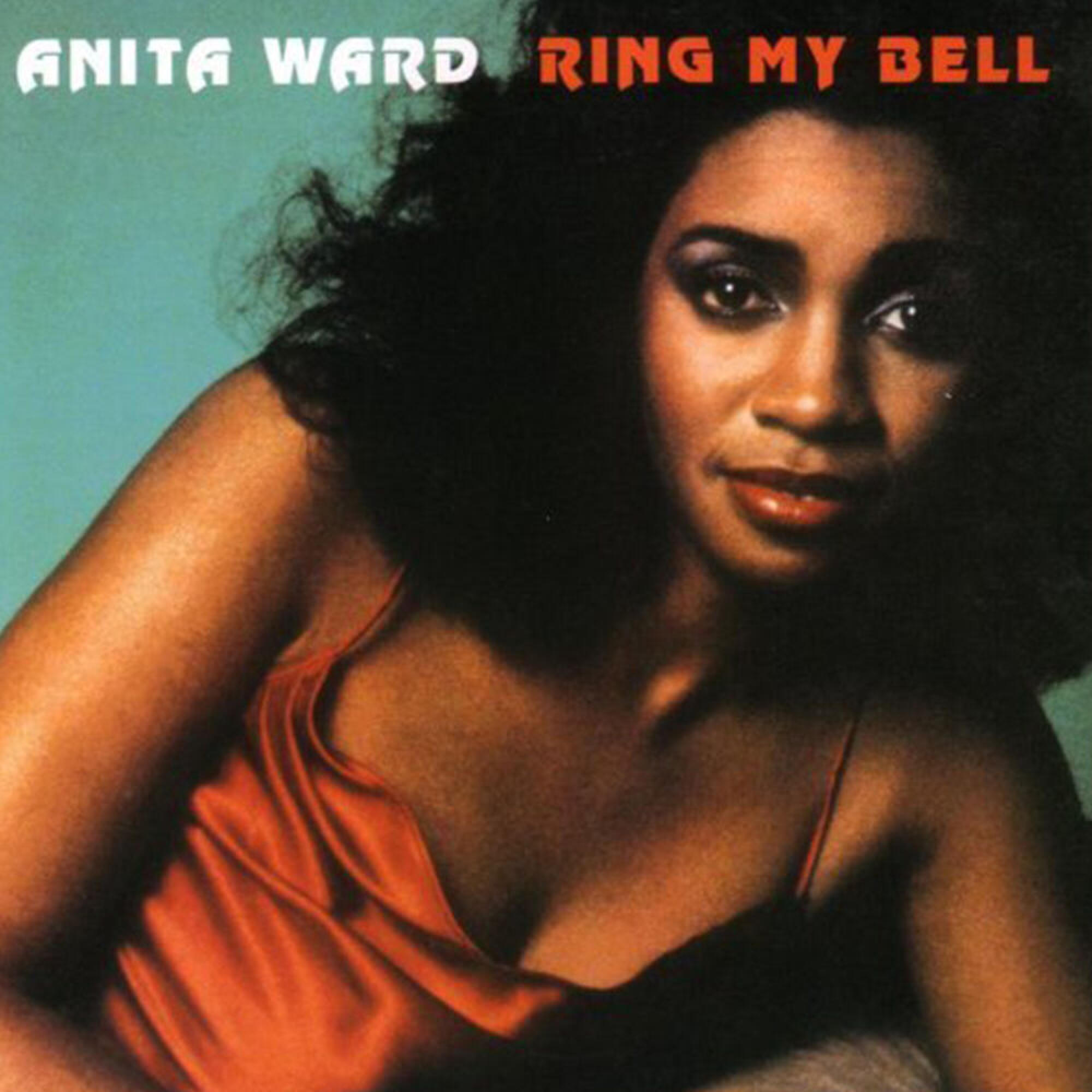
As of 2026, Anita Ward’s net worth is estimated to be approximately $2 million. This valuation is primarily sustained by the enduring legacy of her 1979 chart-topper "Ring My Bell," which continues to generate significant revenue through synchronization licensing, digital streaming, and consistent inclusion in global disco-themed media and compilations.
The financial journey of Anita Ward serves as a fascinating case study in the music industry, particularly concerning the long-term economic viability of a "one-hit wonder." While Ward’s name is synonymous with the late-70s disco explosion, her financial standing in 2026 reflects a combination of strategic royalty management, the resurgence of disco’s popularity in modern pop production, and the steady performance of legacy catalogs in the streaming era.
The Financial Engine: "Ring My Bell" and Its 2026 Impact
To understand Anita Ward’s net worth in 2026, one must first analyze the sheer power of her debut single, "Ring My Bell." Released in 1979, the track was not just a hit; it was a global phenomenon that reached the number-one spot on the Billboard Hot 100 and the UK Singles Chart. In the music business, a hit of this magnitude creates a "perpetual income machine" if the rights are managed correctly.
In 2026, legacy artists like Ward benefit from a more transparent royalty ecosystem than existed during the analog era. With the maturation of streaming platforms, tracks that once relied on physical sales now generate consistent micro-payments from millions of listeners monthly. For Anita Ward, "Ring My Bell" remains a staple of "Disco Fever" and "70s Classics" playlists on platforms like Spotify and Apple Music. These platforms provide a predictable, albeit modest, baseline of income that contributes to her overall wealth.
Synchronization Rights: The Real Gold Mine
While streaming provides consistency, synchronization (sync) licensing is the primary driver of significant wealth for legacy acts in 2026. Sync licensing occurs when a song is used in a movie, television show, commercial, or video game. "Ring My Bell" is a quintessential "mood setter." Whenever a director needs to evoke the energy of the late 1970s or a sense of playful nostalgia, Ward’s signature track is often at the top of the list.
The fees for these placements can range from a few thousand dollars for a regional advertisement to six-figure sums for major Hollywood film trailers or global brand campaigns. Because Ward’s track is so recognizable, it has maintained a high market value for nearly five decades. By 2026, the track has appeared in countless films and commercials, each contributing to the accumulation of her estimated $2 million net worth.
From the Classroom to the Charts: A Historical Perspective
Anita Ward’s financial story is unique because she did not follow the traditional "starving artist" path. Before her music career exploded, she earned a degree in psychology from Rust College in Holly Springs, Mississippi, and was working as a schoolteacher. This educational background provided her with a level of professional stability and a perspective on the industry that many of her contemporaries lacked.
Her entry into the music world came through a connection with Frederick Knight, a producer who had written "Ring My Bell" originally for a younger singer named Stacy Lattisaw. When Lattisaw moved to a different label, the song was adapted for Ward. The transition from a teacher's salary to the massive royalties of a multi-platinum artist was overnight, but it was also fraught with the complexities of 1970s recording contracts.
Overcoming Industry Challenges
The disco era was notorious for complex and often unfavorable contracts for new artists. Following the massive success of her debut album, Songs of Love, Ward faced legal and management hurdles that hindered the momentum of her follow-up projects. Her second album, Sweet Surrender, failed to replicate the commercial success of her debut.
However, the resilience of Ward’s net worth in 2026 is a testament to her ability to retain or reclaim interests in her most valuable assets. Many artists from that era lost their royalties to predatory management, but Ward’s enduring presence on the charts and in royalty distributions suggests a successful navigation of these historical pitfalls.
Asset Breakdown and Revenue Streams in 2026
Analyzing a legacy artist’s net worth requires looking beyond just the bank balance. It involves assessing the value of their intellectual property (IP), recurring revenue, and brand equity. In 2026, Anita Ward’s financial portfolio is diversified across several key areas.
| Revenue Stream | Description | Estimated Impact on Net Worth |
|---|---|---|
| Streaming Royalties | Monthly payouts from Spotify, YouTube, and Apple Music. | Moderate / Consistent |
| Sync Licensing | Commercials, TV shows (Netflix/HBO), and film placements. | High / Periodic |
| Mechanical Royalties | Sales of physical media (vinyl reissues) and digital downloads. | Low / Niche |
| Performance Rights | Payments from BMI/ASCAP for radio play and public venue use. | Moderate |
| Public Appearances | Residual income from legacy performances and festival circuits. | Moderate / Variable |
The Role of Performance Rights Organizations (PROs)
In 2026, the role of PROs like BMI (Broadcast Music, Inc.) is more critical than ever. Every time "Ring My Bell" is played in a retail store, a nightclub, or on a radio station, a royalty is generated. Because the song is a global standard, these "public performance" royalties accrue globally. Ward, as the primary performer associated with the most successful version of the song, remains a beneficiary of these ongoing distributions.
The "Disco Revival" and Modern Relevancy
A significant factor in sustaining Anita Ward’s net worth through 2026 has been the cyclical nature of music trends. The early 2020s saw a massive "Disco Revival" in mainstream pop, led by artists like Dua Lipa and Jessie Ware. This trend renewed interest in the original pioneers of the genre.
For Anita Ward, this meant her music was introduced to a Gen Z audience via social media platforms like TikTok. "Ring My Bell" has seen various "challenges" and viral trends over the years, which directly correlates to spikes in streaming numbers. When a 45-year-old song goes viral, it breathes new financial life into the artist’s catalog. This digital-native interest ensures that her net worth remains stable rather than declining as she ages.
Managing the Legacy: Why $2 Million is a Success
In an era of billionaire pop stars like Taylor Swift, a net worth of $2 million might seem modest to some. However, within the context of 1970s R&B and disco, it represents a major success. Many artists of that era ended their careers with significant debt or zero rights to their music.
Ward’s ability to maintain a million-dollar valuation in 2026 indicates:
- Effective Rights Management: Avoiding the total loss of master or publishing royalties.
- Low Overhead: Unlike current touring stars, Ward does not have the massive operational costs of a modern stadium tour.
- Longevity of the Brand: "Anita Ward" remains a recognizable name that commands respect in the industry.
Her degree in psychology and her brief return to teaching in the 1980s also suggest a grounded approach to finances. She did not overextend herself during the height of her fame, which allowed her to preserve her wealth for the long term.
The Impact of Inflation and Economic Shifts to 2026
By 2026, the global economy has seen several shifts in how intellectual property is valued. Music catalogs are now viewed as "stable assets," similar to real estate. Companies like Hipgnosis and Primary Wave have spent billions buying the rights to classic songs because they provide reliable cash flow.
While Ward’s catalog is relatively small compared to a legend like Stevie Wonder, the high performance of her one major hit makes her intellectual property valuable. If she were to sell her publishing or performance rights in 2026, the valuation would likely be based on a multiple of her annual royalty earnings, which remains strong due to the song’s "evergreen" status.
Frequently Asked Questions
Is Anita Ward still performing in 2026?
While she is not actively touring on a large scale, Anita Ward occasionally performs at specialized disco revival festivals and high-profile private events. These appearances are selective and command significant appearance fees, contributing to her annual income without the strain of a full tour schedule.
How much does Anita Ward earn from "Ring My Bell" annually?
While exact figures are private, industry estimates for a hit of that caliber suggest that "Ring My Bell" generates between $50,000 and $150,000 annually in combined royalties and licensing fees, depending on the number of high-value sync placements in a given year.
Did Anita Ward lose her money after the 1970s?
Unlike many artists who struggled financially after the disco era ended, Ward maintained a degree of financial stability. Her transition back into education for a period provided a safety net, and the eventual resurgence of 70s nostalgia in the 1990s and 2000s helped restore and grow her wealth.
What happened to the rest of her music career?
After her debut success, Ward released Sweet Surrender and later Wherever There's Love (1989). While these did not reach the heights of "Ring My Bell," they helped solidify her as a professional recording artist with a body of work that continues to be sampled and covered by modern producers.
Does Anita Ward own her master recordings?
Most artists from the late 70s do not own their original masters, as they were typically owned by the record labels (in this case, Juana Records/T.K. Records). However, she receives artist royalties from the label or the entities that currently own those catalogs, such as Malaco Records.
Recommendation for Fans and Researchers
For those interested in the financial trajectory of legacy artists, Anita Ward represents the importance of a "signature song." If you are a researcher or a fan looking to support her work, focusing on official streaming channels and authorized reissues ensures that the royalties reach the artist.
In 2026, the best way to track her ongoing influence is through Billboard’s Legacy Charts and the Official Charts Company, which continue to track the performance of 70s hits in the modern era. Understanding the mechanics of the music business, such as those detailed by BMI, can provide further insight into how artists like Ward sustain their net worth over decades.