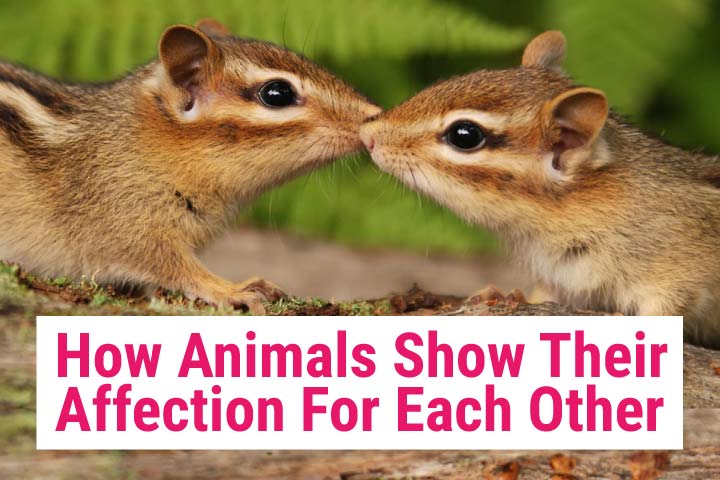
Scientific evidence confirms that many animals experience complex emotional attachments and long-term bonds functionally equivalent to human love. Driven by neurochemicals like oxytocin and dopamine, these relationships facilitate survival, cooperative rearing of young, and social stability. While expressions of affection vary by species, the biological foundations of love are deeply rooted in the evolutionary history of the animal kingdom.
The Biological Foundation of Animal Affection
To understand whether animals can love each other, we must first look at the biological architecture of the brain. For decades, the scientific community was hesitant to use the word "love" in relation to non-human species, fearing the pitfalls of anthropomorphism—the attribution of human characteristics to animals. However, by 2026, the field of ethology (the study of animal behavior) has largely moved toward a consensus: the neurochemical pathways that govern human affection are remarkably similar across the mammalian and avian lineages.
The primary driver of these emotional states is the limbic system, a set of brain structures that manage emotions and memory. Within this system, the "cuddle hormone" oxytocin plays a pivotal role. In humans, oxytocin is released during physical touch, childbirth, and breastfeeding, fostering a sense of trust and security. Researchers have identified that this same hormone is active in dogs, elephants, and even certain species of rodents when they interact with their preferred partners or offspring.
Furthermore, dopamine—the brain’s reward chemical—reinforces these bonds. When an animal interacts with a mate or a social partner, the release of dopamine creates a positive feedback loop. This explains why pets seek out their owners or why pair-bonded birds engage in mutual preening. The sensation is pleasurable, reinforcing the desire to remain close to the other individual. By studying these chemical signatures, scientists can objectively measure the intensity of an attachment, moving the conversation from philosophical speculation to measurable biological fact.
Monogamy and Pair-Bonding: Evolution’s Strategic Love
In the natural world, "love" often manifests as long-term pair-bonding. While the majority of the animal kingdom is polygamous, roughly 3% to 5% of mammals and nearly 90% of bird species practice some form of monogamy. These bonds are not merely about reproduction; they involve shared territory defense, mutual grooming, and the collaborative raising of offspring.
The Fidelity of the Prairie Vole
The most famous case study in animal bonding is the prairie vole (Microtus ochrogaster). Unlike their close relatives, the montane voles, prairie voles form lifelong pair bonds after a single mating encounter. Research published in Nature has shown that this behavior is dictated by the density of oxytocin and vasopressin receptors in the brain. When a prairie vole loses its mate, it often displays signs of depression and "learned helplessness," refusing to seek out a new partner. This physiological reaction to loss suggests a deep, individualized attachment that transcends simple biological instinct.
Avian Devotion in Albatrosses and Swans
Birds provide some of the most visible examples of "love." The Wandering Albatross, for instance, can live for over 50 years and typically maintains a single partner for the duration of its life. These birds spend months at sea alone, yet they return to the same nesting site every year to reunite with their specific mate. Their reunion involves complex "dancing" rituals that reinforce their bond. If one partner dies, the survivor may wait several years before attempting to find a new mate, and in some cases, they never do. This selective preference for one individual over all others is a hallmark of what we define as love in a social context.
Social Love: Elephants, Primates, and the Strength of the Herd
Love is not limited to romantic or reproductive pairs. In many highly intelligent species, the strongest bonds are found within social groups or maternal lineages. These relationships are critical for the survival of the species, as they ensure that the group remains cohesive in the face of predators or environmental scarcity.
The Matriarchal Bonds of Elephants
Elephants are perhaps the most emotionally sophisticated land mammals. Their societies are built on deep, multi-generational bonds between females. A matriarch leads her herd based not just on strength, but on her ability to maintain social harmony. Observations have shown that elephants will go to great lengths to protect a sick or injured member of the herd, often standing over them for days, providing shade, and attempting to help them stand.
The bond between an elephant mother and her calf is particularly intense. Calves remain dependent on their mothers for several years, and the emotional distress caused by separation is profound. In 2026, conservationists continue to highlight the long-term psychological trauma seen in orphaned elephants, who often suffer from "night terrors" and social withdrawal—symptoms nearly identical to human post-traumatic stress disorder (PTSD).
Primate Empathy and Reconciliation
Our closest relatives, the chimpanzees and bonobos, exhibit a wide range of social emotions. Primatologist Frans de Waal spent decades documenting "reconciliation" behaviors in primates, where individuals would embrace and kiss after a conflict to restore social bonds. Bonobos, in particular, use physical affection as a primary tool for conflict resolution and group bonding. These behaviors are not random; they are directed toward specific friends and allies, suggesting a level of emotional "investment" in the well-being of others.
Interspecies Friendships and Cross-Species Empathy
One of the most compelling arguments for the universality of animal love is the existence of interspecies friendships. These are relationships where the biological "imperative" of mating or kin selection is absent, yet a deep bond is formed.
A common example is the use of "support dogs" for cheetahs in zoos. Because cheetahs are naturally anxious animals, zoos often pair a cub with a domestic dog puppy. The two grow up together, and the dog provides the cheetah with a sense of calm and social cues. Despite the vast biological differences between a feline predator and a canine protector, these pairs often become inseparable, grooming each other and sleeping together.
These friendships indicate that the capacity for companionship is a flexible trait. If an animal can form a bond with a member of a completely different species, it suggests that the "emotional machinery" for love is not a rigid instinct but a broad capacity for connection. This is further evidenced by the bond between humans and their pets. Studies have shown that when a dog and its owner look into each other's eyes, both experience a significant surge in oxytocin levels, creating a cross-species "oxytocin loop."
Measuring Grief: The Proof of the Bond
To understand if animals love, we must look at how they react to the absence of a loved one. Grief is often considered the "price" of love, and the animal kingdom is full of examples of mourning.
| Species | Evidence of Grief / Bonding | Primary Neurochemical |
|---|---|---|
| Elephants | Returning to the bones of deceased family members; "funeral" rituals. | Oxytocin |
| Orcas | Carrying deceased calves for days; vocalizing in mourning. | Dopamine / Oxytocin |
| Chimpanzees | Lethargy, refusal to eat, and social withdrawal after a death. | Cortisol (Stress) |
| Prairie Voles | Lifelong monogamy; refusal to mate after partner loss. | Vasopressin |
| Dogs | Searching for deceased owners; "Strange Situation" test success. | Oxytocin |
Orcas (Killer Whales) have been observed carrying their dead calves for over a week, a behavior that provides no survival advantage and requires significant energy expenditure. In one high-profile case documented by the National Marine Fisheries Service, an orca mother carried her dead calf for 17 days across 1,000 miles. Such behavior is difficult to explain as anything other than a profound emotional response to loss.
The Scientific Debate: Anthropomorphism vs. Ethology
Despite the mounting evidence, some scientists remain cautious. The primary argument against "animal love" is that we are simply projecting our own feelings onto them. This perspective, often rooted in "Morgan’s Canon," suggests that we should always interpret an animal's action in the simplest possible terms. If a dog licks your face, is it love, or is it a submissive behavior designed to elicit a food reward?
However, the modern counter-argument—often called "anthropodenial"—suggests that it is equally unscientific to ignore the clear evolutionary and biological parallels between humans and other animals. If the same brain structures are firing and the same chemicals are flowing, it is more logical to assume the experience is similar than to assume it is fundamentally different.
By 2026, the scientific community has increasingly adopted a "functionalist" view of emotion. If an animal behaves as if it loves—by choosing one partner over all others, protecting that partner at its own risk, and grieving that partner's death—then for all practical, scientific, and ethical purposes, the animal is experiencing love.
The Ethics of Acknowledging Animal Emotion in 2026
Recognizing that animals can love each other has significant implications for how we treat them. This understanding has shifted legal and ethical frameworks globally.
- Conservation: When we protect endangered species like elephants or orcas, we must protect their social structures, not just their numbers. Breaking up a herd can be as devastating as losing a habitat.
- Animal Welfare: Laws in many jurisdictions now recognize "sentience," requiring that animals in farms, labs, and zoos be provided with social stimulation and the ability to form bonds.
- Domestic Care: For pet owners, this research emphasizes the importance of social stability. Rehoming an animal or separating bonded pairs (such as "bonded pair" shelter cats) is now understood to cause genuine emotional trauma.
The acknowledgment of animal love removes the barrier between "us" and "them." It suggests that while humans may have a unique way of articulating and intellectualizing love, the core feeling—the pull toward another being—is a shared heritage of all sentient life.
FAQ
Can animals feel "romantic" love like humans?
While animals may not experience "romance" in the sense of cultural constructs like dating or marriage, many species experience the biological equivalent. This includes intense attraction, the formation of exclusive pair bonds, and the long-term commitment to a single partner, which are the core biological components of romantic love.
Do animals love their owners?
Yes, scientific studies, including fMRI scans of dog brains, show that the reward centers of a dog's brain light up more significantly in response to their owner's scent than to any other scent, including food. The release of oxytocin during interaction further confirms a bond that is characterized by trust and affection.
Which animal is the most "loving"?
"Love" is difficult to quantify, but species with high social complexity and long-rearing periods for their young typically show the most visible emotional bonds. This includes elephants, dolphins, great apes, and certain bird species like parrots and albatrosses.
Do animals feel "heartbreak"?
Yes. Animals that form strong pair bonds or social attachments show clear physiological signs of distress when separated. This includes elevated levels of cortisol (the stress hormone), changes in heart rate, and behaviors associated with depression, such as lethargy and loss of appetite.
Is animal love just an instinct for survival?
While love has an evolutionary purpose (such as ensuring offspring survival), that doesn't make the feeling "fake." Human love also serves evolutionary purposes (social cohesion and child-rearing), yet we still experience it as a deep, meaningful emotion. The same applies to animals.
Practical Recommendations for Pet Owners and Nature Lovers
If you are looking to support the emotional well-being of animals, consider the following actions:
- Respect Bonded Pairs: If you are adopting pets from a shelter, always ask if they are part of a "bonded pair." Separating these animals can lead to severe anxiety and health issues.
- Provide Social Enrichment: For social animals like dogs, horses, or birds, ensure they have regular interaction with their own kind or significant time with their human "pack."
- Support Ethically Managed Habitats: When visiting zoos or sanctuaries, look for those that prioritize social group integrity and do not separate mothers from their young.
- Observe Without Projecting: Take time to watch animal interactions in the wild. Look for subtle signs of affection, such as mutual grooming or "leaning" on one another, to appreciate the quiet depth of their connections.
Understanding that animals can love each other enriches our own experience of the natural world. It reminds us that the capacity for connection is one of the most powerful and universal forces on the planet.