Arizona offers premier hunting opportunities for ten distinct "Big Game" species, including elk, mule deer, and desert bighorn sheep, alongside diverse small game like quail and dove. Success requires navigating the Arizona Game and Fish Department's draw system, obtaining proper licenses, and understanding specific seasonal and unit-based regulations across the state’s varied terrains.
Arizona is widely regarded as one of the most diverse hunting destinations in North America. From the high-altitude ponderosa pine forests of the Mogollon Rim to the arid Sonoran Desert plains, the state provides habitat for a staggering array of wildlife. For hunters in 2026, understanding the nuances of "The Grand Canyon State" involves more than just identifying species; it requires a deep dive into the Arizona Game and Fish Department (AZGFD) management system, which is designed to balance conservation with recreational opportunity.
Understanding the Arizona Hunting Landscape in 2026
Hunting in Arizona is strictly regulated through a system of Game Management Units (GMUs). The state is divided into dozens of these units, each with its own specific population data and harvest quotas. Before heading into the field, a hunter must secure a valid Arizona hunting license and, for most species, a specific permit-tag.
In 2026, the AZGFD continues to utilize a digitized "Portal" system. This centralized online hub is where hunters apply for the "Draw"—the randomized selection process for limited-entry tags—and purchase over-the-counter (OTC) permits. Because many of Arizona’s most sought-after species are managed for high-quality, older-age-class trophies, demand often exceeds supply, making the draw system a cornerstone of the Arizona hunting experience.
License Requirements and Costs
To hunt any animal in Arizona, you must first possess a valid hunting license. For 2026, the primary options include:
- General Hunting License: Covers small game, birds, and allows you to apply for big game tags.
- Combination Hunt and Fish License: A popular choice for residents and non-residents who wish to take advantage of Arizona's trout and bass waters between hunts.
- Short-term Licenses: Often used by non-residents for specific weekend trips, though these are generally not sufficient for big game draw applications.
The "Big Ten": Arizona’s Premier Big Game Species
Arizona is famous for its "Big Ten" species. These are the primary targets for serious big-game hunters and represent the pinnacle of the state's conservation success stories.
1. Elk (Cervus canadensis)
Arizona elk are legendary for their size. The state consistently produces world-record-class bulls, particularly in the northern units near Flagstaff and the White Mountains. Elk tags are issued exclusively through a draw system, with two primary cycles: the spring draw for autumn hunts and a smaller secondary draw for leftover tags. In 2026, hunters can target elk during archery, muzzleloader, and rifle seasons. Early-season archery hunts during the "rut" (mating season) are the most coveted tags in the state.
2. Mule Deer (Odocoileus hemionus)
Mule deer are found throughout the state, from the high deserts to the alpine meadows. The Kaibab Plateau and the "Strip" (the area north of the Grand Canyon) are world-renowned for producing massive "non-typical" racks. While some mule deer tags are available via the draw, there are also over-the-counter archery opportunities in specific units, though these are increasingly scrutinized to manage harvest rates.
3. Coues White-tailed Deer (Odocoileus virginianus couesi)
Often called the "Grey Ghost" of the desert, the Coues deer is a subspecies of white-tail found primarily in the southern mountains (the "Sky Islands"). They are much smaller than their eastern cousins and are famously difficult to spot. Hunting them involves hours of "glassing" with high-powered binoculars. They are a favorite among mountain hunters who appreciate a challenging, steep-terrain stalk.
4. Pronghorn Antelope (Antilocapra americana)
Arizona’s pronghorn reside in the open grasslands of the north and the high-desert plains of the south. Because they rely on their incredible eyesight and speed (up to 60 mph), hunting them often requires long-range shooting proficiency. Tags are limited and can take years of "Bonus Point" accumulation to draw.
5. Javelina (Tayassu tajacu)
Also known as the Collared Peccary, javelina are unique to the Southwest. While they resemble small pigs, they are actually a different family of mammals. They are social animals that travel in "squadrons." Javelina hunts are a fantastic introduction for new hunters because tags are relatively easy to draw, and the seasons (usually February) offer pleasant weather in the southern deserts.
6. Black Bear (Ursus americanus)
Arizona holds a surprising number of black bears, particularly in the thick brush of the chaparral and the high timber of the Mogollon Rim. Bear hunting is often done over water sources or by glassing hillsides for bears foraging on prickly pear fruit or acorns. Many units offer over-the-counter tags with a "harvest objective" quota; once a certain number of female bears are taken, the season in that unit closes.
7. Mountain Lion (Puma concolor)
Mountain lions are found statewide. They are a cryptic, apex predator. Most successful lion hunts involve the use of hounds to track and tree the animal. Tags are available over-the-counter, and the season is generally open year-round, subject to unit-specific harvest limits.
8. Desert Bighorn Sheep (Ovis canadensis nelsoni)
The desert bighorn is the "holy grail" of Arizona hunting. Drawing a tag is a once-in-a-lifetime event for most. These animals live in the most rugged, vertical terrain imaginable. The conservation of this species is funded largely by the auction of "Special Tags" and the fees paid by hunters entering the draw.
9. Bison (Bison bison)
Arizona manages two main herds: the House Rock Wildlife Area herd and the Raymond Ranch herd. Bison hunting is extremely regulated and involves a high degree of physical labor. These hunts are managed to keep populations in balance with the fragile desert-grassland ecosystem.
10. Merriam’s Turkey (Meleagris gallopavo merriami)
While birds, turkeys are classified as big game in Arizona. The Merriam’s turkey lives in the high-elevation pine forests, while the Gould’s subspecies is found in the southern mountains. Spring turkey hunting is a popular tradition, focusing on "calling in" gobblers during the breeding season.
Small Game and Upland Birds
Beyond the "Big Ten," Arizona is a paradise for bird hunters. The state is perhaps best known for its "Quail Slam," which involves harvesting three specific species in a single season.
Quail Species
- Gambel’s Quail: The most common, found in the low deserts. Known for their distinctive top-knot and their refusal to fly, often preferring to outrun hunters through the cactus.
- Scaled Quail: Found in the grasslands of the southeast. They are often called "cottontops" and are notorious for running in large coveys.
- Mearns’ Quail: These inhabit the oak-grassland hillsides of the south. They are a "pointing dog" favorite because they tend to hold tight in thick cover rather than running.
Dove and Waterfowl
Arizona’s dove season (starting September 1st) is a major social and sporting event. The state hosts both Mourning and White-winged doves. In 2026, the Eurasian Collared-dove, an invasive species, can be hunted year-round with no bag limit, provided the hunter has a valid license.
Waterfowl hunting is concentrated in the Colorado River corridor and the various "tanks" (stock ponds) and lakes in the northern highlands. Arizona sits within the Pacific Flyway, attracting a variety of ducks like teal, mallards, and pintails, as well as Canada geese.
Predator and Furbearer Hunting
For those looking for year-round activity, predator hunting is a mainstay of Arizona's outdoor culture.
- Coyotes: Can be hunted year-round with a general hunting license. They are ubiquitous across the state.
- Bobcats and Foxes: These fall under furbearer regulations. They typically have a set season (late autumn through winter) to ensure pelt quality and to protect the animals during their breeding cycles.
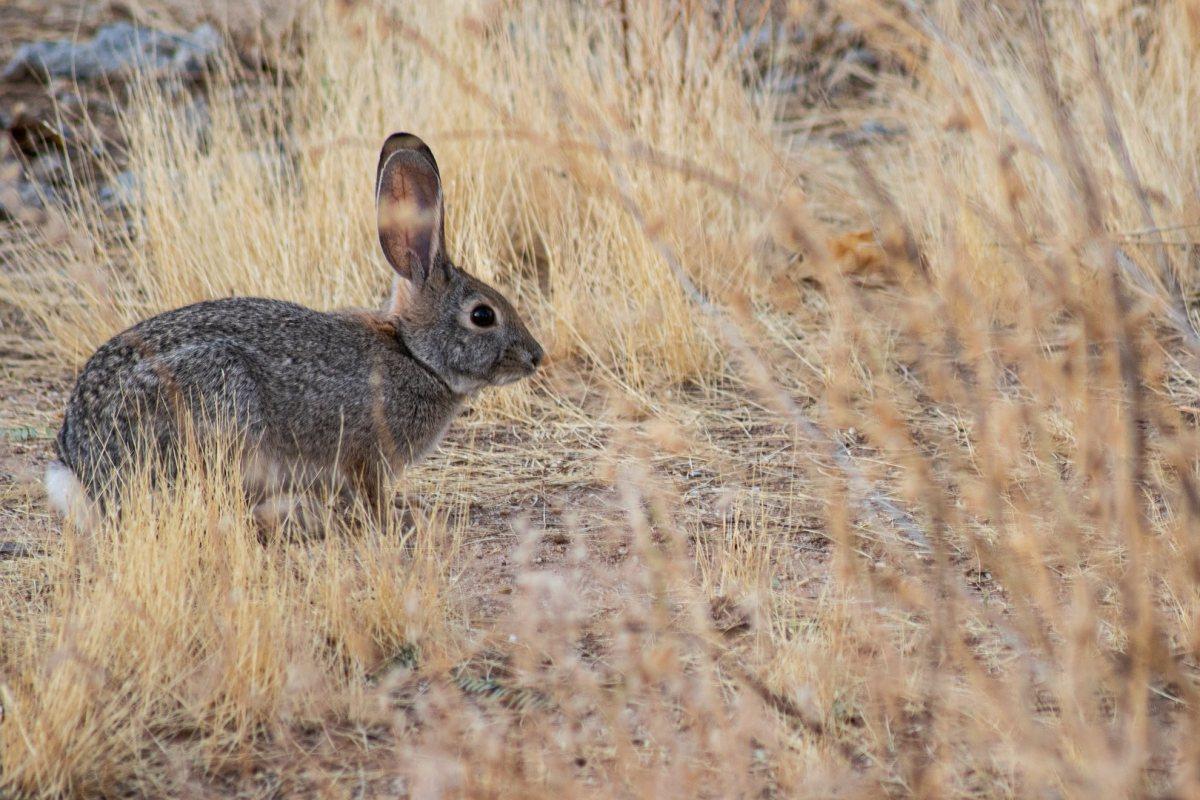
- Small Mammals: Cottontail rabbits and various squirrel species (Abert's, Red, and Arizona Gray) provide excellent opportunities for youth hunters and those looking for high-quality wild game meat.
2026 Arizona Hunting Seasons and Permit Types
The following table summarizes the typical structures for various species. Note that exact dates vary by Game Management Unit (GMU) and are finalized annually by the Arizona Game and Fish Commission.
| Species | Primary Method | Permit Type | Typical 2026 Season Range |
|---|---|---|---|
| Elk | Rifle/Archery | Draw Only | Sept - Dec |
| Mule Deer | Rifle/Archery | Draw / Some OTC | Oct - Jan |
| Javelina | Rifle/Archery/HG | Draw Only | Jan - Feb |
| Pronghorn | Rifle/Archery | Draw Only | Aug - Sept |
| Black Bear | Rifle/Archery | OTC (Harvest Limit) | Aug - Dec |
| Desert Quail | Shotgun | License Required | Oct - Feb |
| Dove | Shotgun | License Required | Sept (Early) / Nov-Jan (Late) |
| Coyote | Any Legal Firearm | License Required | Year-round |
The Arizona Draw System and Bonus Points
Because demand for big game tags is high, Arizona uses a "Bonus Point" system to reward loyalty and persistence. Every year you apply for a species and do not draw a tag, you earn a bonus point.
In the draw, 20% of the tags for any given hunt are awarded to those with the highest number of bonus points. The remaining 80% are drawn randomly, though each bonus point acts as an additional "entry" in the hat, statistically increasing your odds. For non-residents, there is a "cap" (usually 10%) on the number of tags that can be issued for high-demand species in any specific unit.
Ethical Hunting and the North American Model
Hunting in Arizona is not just about the harvest; it is the primary funding mechanism for wildlife conservation. Under the North American Model of Wildlife Conservation, wildlife is held in the public trust. The fees from licenses and the excise taxes on firearms and ammunition (via the Pittman-Robertson Act) fund the restoration of habitats, the building of water catchments for desert species, and the law enforcement efforts of game wardens.
Hunters are expected to follow "Fair Chase" principles. This includes adhering to all GMU boundaries, respecting private property, and ensuring that all edible portions of big game meat are harvested and utilized.
Essential Gear for Arizona Hunting
The diverse environment of Arizona requires specialized equipment.
- Optics: Because of the vast distances, 10x42 binoculars are the bare minimum. Many Coues deer hunters use 15x56 binoculars mounted on tripods.
- Hydration: In the 2026 climate, water management is life or death. Even in winter, the Arizona sun is dehydrating. Hunters should carry at least 3-4 liters of water for a day hike.
- Footwear: Arizona is "vertical" and "poky." Boots must have stiff soles for rocky inclines and be durable enough to withstand cactus spines.
- Clothing: Layering is essential. Temperatures can swing 40 degrees between sunrise and noon.
Frequently Asked Questions
Can a non-resident hunt in Arizona?
Yes. Non-residents are welcome to hunt in Arizona but must purchase a non-resident hunting license. While they can apply for all draw tags, there are specific quotas (generally 10% for elk and deer) that limit the number of non-resident tags in high-demand units.
Do I need a hunter education course?
If you are under 14 years of age and hunting big game, or if you want to earn a permanent "Loyalty" bonus point for the draw, completing an AZGFD-approved hunter education course is required. It is highly recommended for all hunters to ensure safety and ethical field behavior.
What is a "Bonus Point Only" application?
If you do not plan to hunt in a specific year but want to increase your chances for the future, you can apply for a "Bonus Point Only." This allows you to accumulate points without the risk of drawing a tag when you aren't ready or available.
Is hunter orange required in Arizona?
Unlike many other states, Arizona does not legally require hunters to wear blaze orange. However, it is strongly recommended, especially during general rifle seasons in heavily timbered or high-traffic areas, to ensure visibility to other hunters.
Can I hunt on Tribal Lands in Arizona?
Arizona contains many sovereign tribal nations, such as the White Mountain Apache or the Navajo Nation. These tribes manage their own wildlife and have their own separate hunting licenses, seasons, and regulations. An Arizona state license is generally not valid on tribal lands unless a specific agreement exists.
Next Steps for Prospective Hunters
To begin your Arizona hunting journey in 2026, the first step is to create a Customer Portal Account on the AZGFD website. From there, you can monitor draw deadlines (typically February for elk/pronghorn and June for deer/javelina) and review the annual "Hunting Regulations" booklet, which provides the most up-to-date legal definitions and unit boundaries.