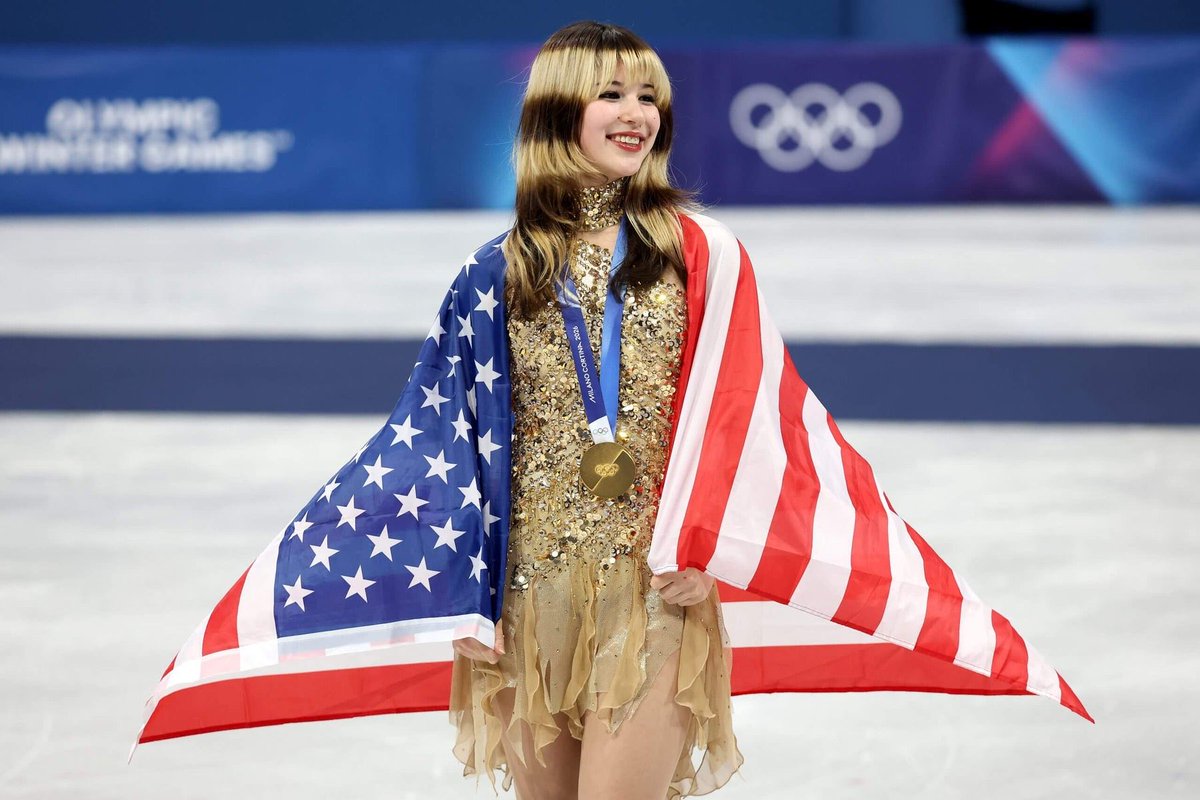
Alysa Liu was conceived via an anonymous egg donor and a gestational surrogate, a process orchestrated by her father, Arthur Liu. While the donor's specific identity remains confidential to protect her privacy and the family’s legal agreements, it is known that she was selected based on her health history and academic background to provide a strong biological foundation for Alysa.
The Context of Alysa Liu’s Conception and Family Structure
To understand the details of the anonymous donor involved in Alysa Liu’s birth, one must first understand the unique family structure created by her father, Arthur Liu. Arthur, a healthcare attorney and a former political activist who emigrated from China to the United States after the 1989 Tiananmen Square protests, desired to become a father despite being single at the time he decided to start a family.
In the early 2000s, Arthur Liu turned to assisted reproductive technology (ART) to realize his dream of parenthood. This involved a multi-step process: securing an egg donor, using his own sperm for fertilization via In Vitro Fertilization (IVF), and contracting a gestational surrogate to carry the pregnancy. Alysa, born in 2005 in Clovis, California, was the first of five children Arthur would father through this method.
The decision to use an anonymous donor was a deliberate choice. At the time of Alysa’s conception, anonymous donation was the standard practice in the United States, particularly in California, which has long been a global hub for surrogacy and donor services. This arrangement ensured that the donor provided the genetic material without any future legal claim to the child, and conversely, protected the donor from any parental obligations.
What Is Known About the Anonymous Donor’s Profile?
While the donor’s name, face, and specific location have never been made public, Arthur Liu has shared certain criteria he used during the selection process. In various interviews, including profiles with The New York Times, Arthur has noted that he prioritized specific traits that he believed would give his children a healthy and successful start in life.
1. Health and Longevity
The primary filter for the donor selection was a clean bill of health. This included a rigorous screening for genetic disorders, chronic illnesses, and a family history of longevity. Arthur Liu’s background as a lawyer in the healthcare sector likely informed his meticulous approach to vetting donor profiles. The goal was to minimize the risk of hereditary conditions that could impact Alysa’s quality of life or her potential as an athlete.
2. Academic and Intellectual Achievement
Arthur Liu has been vocal about his value for education and intellectual rigor. When browsing donor databases, he sought individuals with proven academic success. This often involves donors who are college students or graduates from reputable universities. While "intelligence" is a complex trait influenced by both nature and nurture, selecting a donor with a strong academic record is a common practice among intended parents using donor services.
3. Physical Attributes and Athletic Potential
While Alysa’s greatness as a figure skater is largely attributed to her intense training and work ethic, the selection of a donor often involves looking at physical stature and general physical fitness. However, it is important to note that Arthur has consistently emphasized that Alysa’s success on the ice—becoming the youngest U.S. women’s champion at age 13—was the result of her own drive rather than a "designed" genetic outcome.
The Legal and Ethical Framework of Anonymity in 2026
As of 2026, the landscape of donor anonymity has shifted significantly since Alysa was born in 2005. When the anonymous donor provided her eggs for Alysa’s conception, the expectation of lifelong anonymity was a cornerstone of the industry. However, the rise of consumer DNA testing (such as 23andMe and AncestryDNA) has made "true" anonymity nearly impossible to guarantee.
The "California Model" of Assisted Reproduction
Alysa’s conception took place under California’s progressive reproductive laws. The state’s legal framework is designed to clearly define the "intended parent" from the moment of conception. For Alysa, this meant that Arthur Liu was legally her sole parent from birth, regardless of the biological contributions of the donor or the surrogate.
The anonymous donor would have signed a comprehensive contract waiving all parental rights and responsibilities. These documents also typically include a confidentiality clause, preventing the donor from seeking out the child and the intended parent from publicly identifying the donor.
The Evolution of the Right to Know
In recent years, many donor-conceived individuals have advocated for the "right to know" their biological origins. While Alysa has always been aware of her origin story—Arthur has been transparent with all five of his children—she has publicly maintained that Arthur is her only parent in every meaningful sense of the word. In the world of elite sports, where athletes often face intense public scrutiny, Alysa’s openness about her donor-conceived background has been praised for its honesty and for destigmatizing non-traditional families.
Differentiating Between the Egg Donor and the Gestational Surrogate
A common point of confusion in the "Alysa Liu donor" discussion is the distinction between the egg donor and the surrogate. In Alysa’s case, these were two different women, a practice known as gestational surrogacy.
| Feature | Anonymous Egg Donor | Gestational Surrogate |
|---|---|---|
| Biological Relationship | Provides 50% of the child's DNA. | No biological/genetic link to the child. |
| Role in Process | Undergoes egg retrieval for IVF. | Carries the pregnancy to term and gives birth. |
| Interaction with Family | Usually none (in anonymous cases). | Often maintains a friendly relationship with the parent. |
| Legal Status | Waives all rights via contract prior to retrieval. | Signs a "Pre-Birth Order" establishing the intended parent's rights. |
| Alysa Liu’s Case | Selected by Arthur for health and traits. | A woman named Yan Qing (as reported in some profiles) who remained a family friend. |
The distinction is vital because the gestational surrogate who carried Alysa remained a presence in her early life. Arthur Liu often shared that the surrogate lived nearby for a time and that the children referred to her in a friendly, albeit non-maternal, capacity. This is distinct from the anonymous egg donor, who has had no contact with the family.
Alysa Liu’s Perspective on Her Origins
By 2026, Alysa Liu has spent over a decade in the public eye, having navigated the highs of Olympic competition and the challenges of early retirement and subsequent comeback. Throughout this journey, her perspective on her biological origins has remained consistent.
In interviews with major sports outlets like ESPN, Alysa has emphasized that her family is defined by the bond she shares with her father and her four siblings. Her siblings—Selina, Justin, and twins Julia and Luke—were also conceived using donor eggs and surrogates.
For Alysa, the "details" of the anonymous donor are secondary to the reality of her upbringing. She was raised in a household where her father acted as both parents, often receiving help from her grandmother and a network of nannies. This environment fostered a sense of independence and resilience that served her well in the high-pressure world of international figure skating.
The Impact of Non-Traditional Families in Elite Sports
Alysa Liu’s story is a landmark in the representation of non-traditional families in the sporting world. Historically, the "narrative" of a champion athlete often focused on a traditional nuclear family. Alysa’s success challenged these norms and provided a high-profile example of how children born through assisted reproduction can thrive.
Destigmatizing Donor Conception
By being open about the "anonymous donor" and "surrogacy" aspects of her life, the Liu family helped normalize these procedures for millions of viewers. In 2026, as more athletes and public figures utilize ART to build families, Alysa is often cited as a pioneer who handled her personal history with grace and maturity.
The Role of Genetics vs. Environment
The quest for "details of the anonymous donor" often stems from a curiosity about whether Alysa’s talent was "built" through genetics. However, sports psychologists and coaches often point out that while the donor provided a healthy genetic baseline, Alysa’s mastery of the triple axel and her world-class artistry were the results of her 5:00 AM practice sessions at the Oakland Ice Center. Arthur Liu’s selection of a healthy donor gave her the opportunity to train, but Alysa provided the effort.
Technical Aspects of the Selection Process
For those researching how the anonymous donor was selected, it is useful to look at the standard procedures of high-end donor agencies in California during the mid-2000s.
- The Database Review: Intended parents like Arthur Liu are given access to a database containing hundreds of donor profiles. Each profile includes a "long-form" questionnaire (often 30-50 pages).
- Psychological Evaluation: Donors must pass a psychological screening to ensure they understand the implications of their donation and are mentally prepared for the anonymity of the process.
- Medical Clearance: This involves blood work to check for ovarian reserve (AMH levels) and infectious diseases, as well as a physical exam.
- The Matching Phase: Once Arthur selected the donor, the clinic synchronized the donor’s cycle with the IVF laboratory’s schedule to create embryos using Arthur’s sperm.
Because Alysa has four younger siblings, there has been public interest in whether the same donor was used for all of them. While Arthur has not confirmed this for every child, it is common in surrogacy journeys to use the same donor to ensure that siblings are full biological brothers and sisters.
Frequently Asked Questions
Does Alysa Liu know who her biological mother is?
No. Alysa Liu was conceived via an anonymous egg donor. "Anonymous" in this context means that the donor’s identity was never shared with Arthur Liu or Alysa. While DNA technology makes it possible to find relatives today, Alysa has expressed no public interest in seeking out the donor, stating that her father is her primary parent.
Is the surrogate the same person as the egg donor?
No. In Alysa Liu's case, the gestational surrogate (the woman who carried the pregnancy) was not the egg donor. The surrogate has no genetic relationship to Alysa. This is the standard practice in modern surrogacy to prevent legal complications regarding parental rights.
Why did Arthur Liu choose an anonymous donor instead of a known one?
In the early 2000s, anonymous donation was the most common and legally "cleanest" route for single parents. It provided a clear boundary that protected the father’s parental rights and the donor’s privacy. It allowed Arthur to focus on the donor’s health and academic traits without the complexities of a personal relationship.
Are Alysa Liu's siblings also donor-conceived?
Yes. All four of Alysa’s younger siblings (Selina, Justin, and twins Julia and Luke) were conceived through similar processes involving egg donors and gestational surrogates. They all live together with their father, Arthur Liu.
How has Alysa Liu's family history affected her skating career?
Her family history has primarily affected her career through the unwavering support of her father. Arthur Liu’s dedication—driving her to early morning practices and managing her career—stems from his deep commitment to the family he worked so hard to create via assisted reproduction.
Final Recommendations for Understanding the Topic
When discussing the details of Alysa Liu’s anonymous donor, it is essential to balance curiosity with respect for the family's privacy and the legal boundaries of donor agreements. The most important "details" are not the donor's name or identity, but rather the intent behind her selection: a desire for health, intelligence, and a strong foundation for a child.
For those interested in the broader implications of donor conception, Alysa Liu’s life serves as a powerful testament to the fact that family is built on love, sacrifice, and presence, rather than just genetic links. If you are researching this for personal or academic reasons, focus on the evolution of California surrogacy laws and the psychological well-being of donor-conceived children, which are the most relevant and documented aspects of her story.