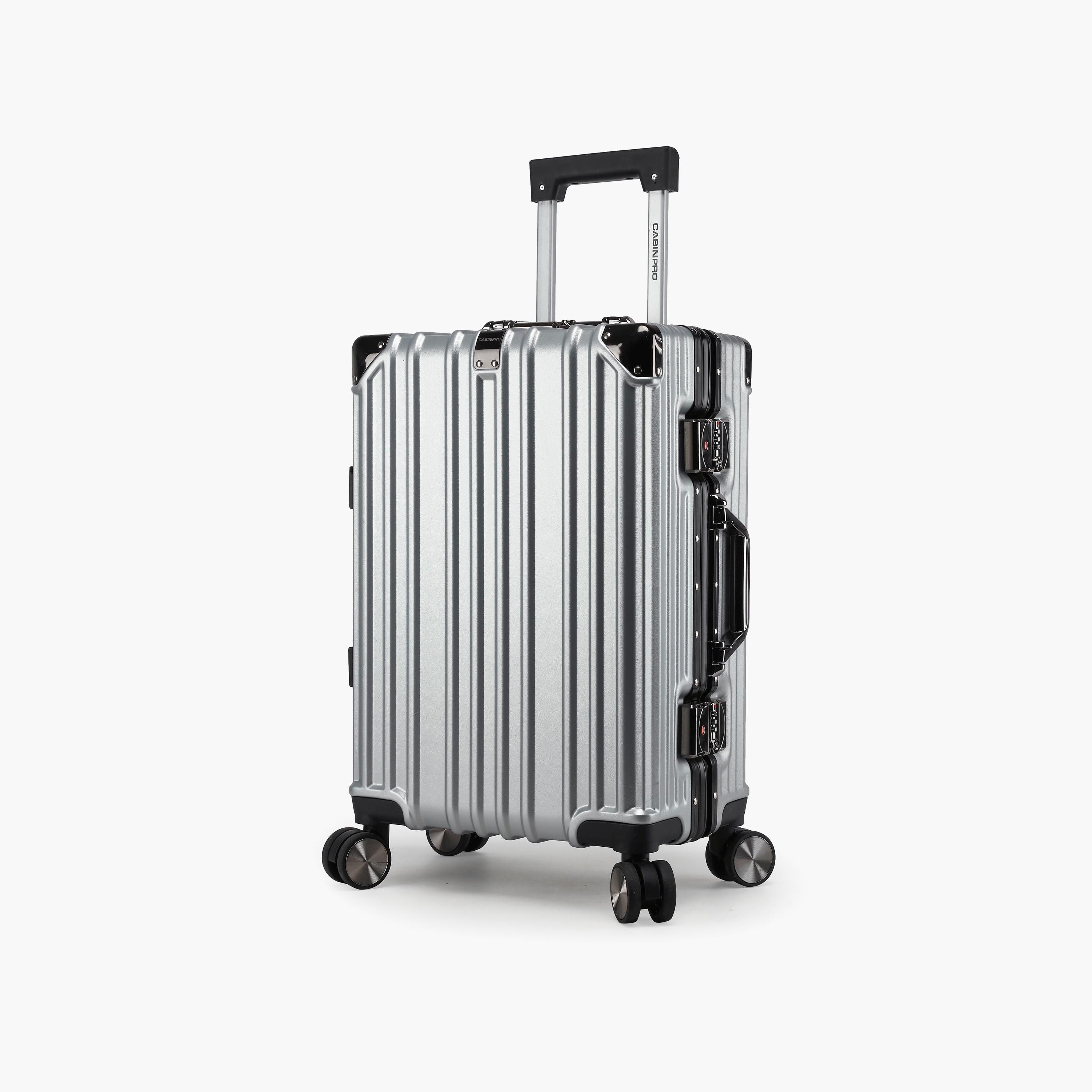
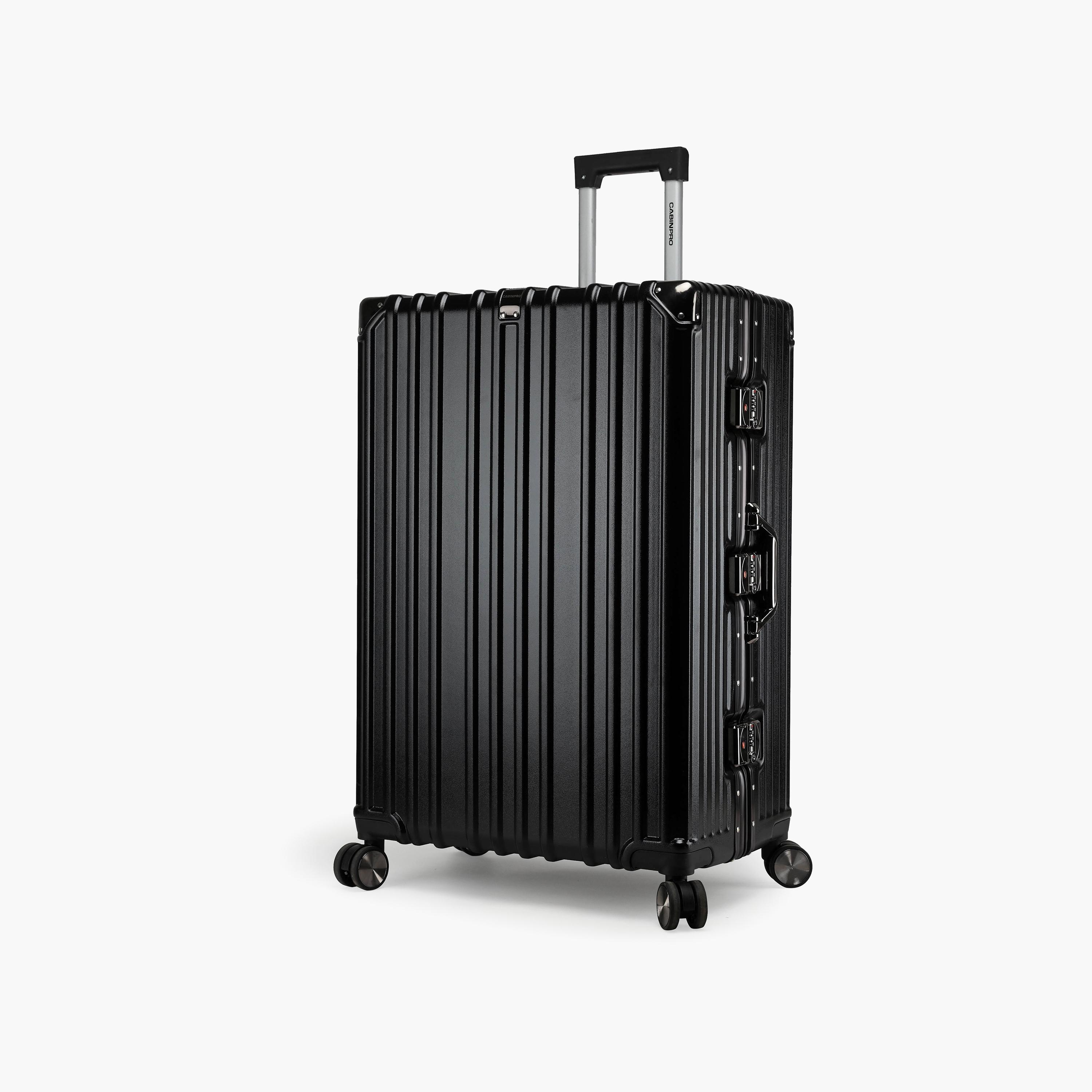
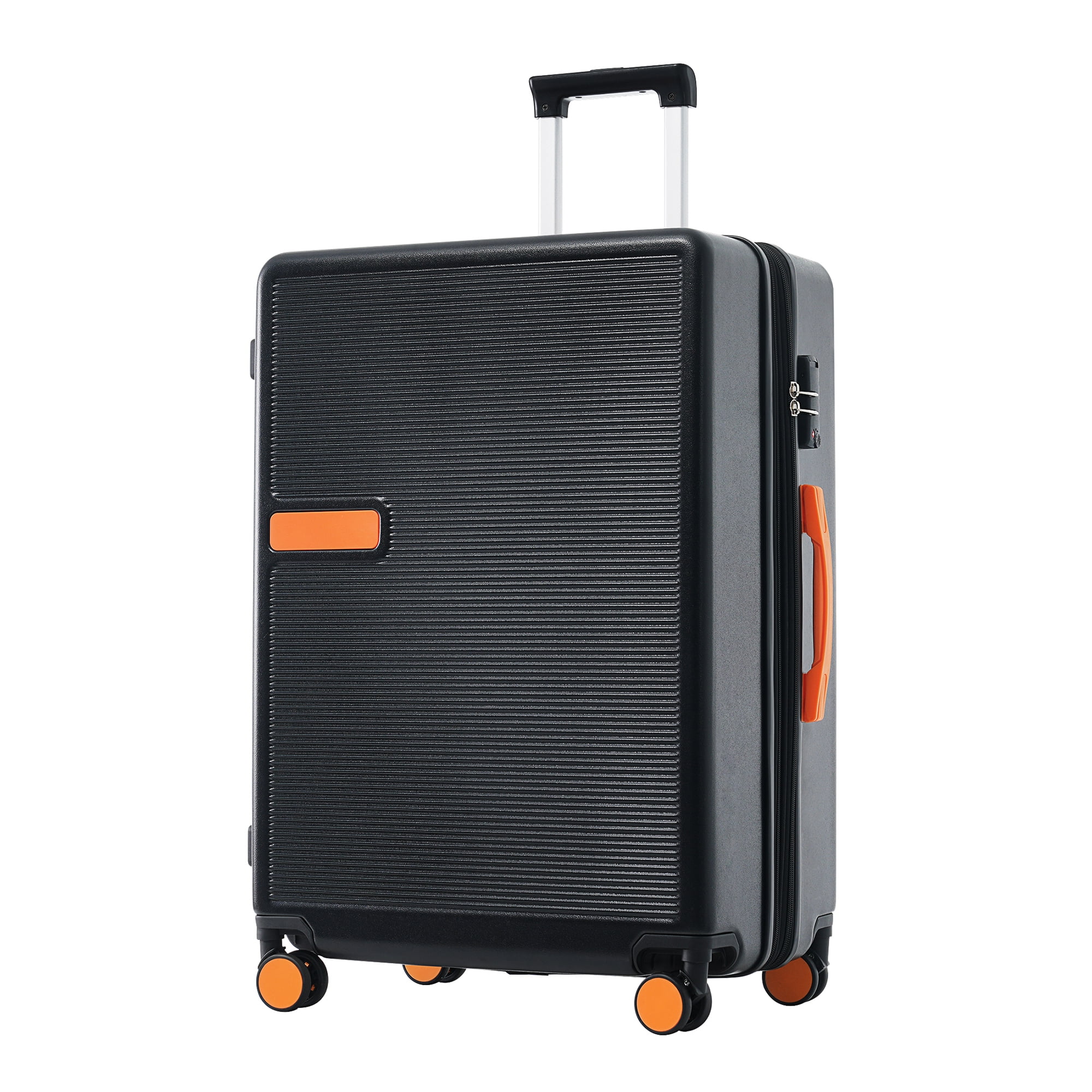
Finding reliable and affordable hard case luggage requires balancing structural integrity, shell materials like polycarbonate and ABS, smooth mobility features, and a reasonable price point. Choosing the right suitcase ensures your belongings remain protected against heavy impacts and rough baggage handling routines without requiring a luxury investment.
Purchasing luggage often feels like a compromise between structural protection and financial thrift. Traditional luggage categories frequently polarize the market into two distinct groups: exceptionally expensive polycarbonate suitcases backed by luxury branding, and fragile, low-cost soft bags that offer little defense against heavy rain or crushing impacts. However, the modern travel accessories market features a robust middle tier. Budget-conscious consumers no longer need to settle for flimsy fabric bags or overpriced designer brands to secure dependable travel gear. Understanding the engineering, material science, and design features behind modern hardside luggage allows travelers to identify durable options that deliver long-term value without straining their budgets.
Understanding Hard Case Materials: Polycarbonate vs. ABS vs. Polypropylene
The structural integrity of any hardside suitcase depends entirely on the polymer used to construct its shell. Manufacturers typically rely on three primary plastics, each offering a distinct balance of weight, flexibility, impact resistance, and cost.
Polycarbonate is widely considered the gold standard for hardside luggage. It is exceptionally resilient, highly flexible, and capable of absorbing severe kinetic energy by flexing inward upon impact rather than cracking or shattering. When a polycarbonate shell takes a heavy blow, it tends to bounce back into its original shape. While 100% pure polycarbonate suitcases generally sit at a higher price point, manufacturers often blend it with other materials or use thin layers to reduce costs.
Acrylonitrile Butadiene Styrene, commonly known as ABS, sits at the opposite end of the spectrum. ABS is rigid, lightweight, and very inexpensive to produce, making it the most common material found in ultra-affordable hard case luggage. The primary drawback of pure ABS is its brittleness; under extreme cold or severe blunt-force impact, ABS can crack or puncture. To mitigate this vulnerability, many budget-friendly luggage brands utilize a composite blend of ABS and polycarbonate. This hybrid approach pairs the structural rigidity and low cost of ABS with a percentage of polycarbonate's flexibility, creating a durable shell suitable for standard airline travel at a fraction of the cost.
Polypropylene has also gained significant traction in the affordable luggage market. It is even lighter than polycarbonate and exhibits remarkable fatigue resistance, making it an excellent choice for molded shell frames that rely on snap-closures rather than zippers. While polypropylene can scratch more easily than textured polycarbonate, its overall durability under stress makes it a favorite for frequent travelers seeking maximum utility on a budget.
Key Features to Evaluate in Budget Hardside Suitcases
When shopping for affordable hard case luggage, separating essential features from marketing gimmicks prevents buyer's remorse. A low price tag should not mean sacrificing core functional components that determine how the suitcase performs in a busy airport terminal.
Wheel systems represent the single most important mechanical component of any suitcase. Single-wheel configurations, particularly those made of hard plastic, tend to wear down quickly, generate excessive noise, and struggle on uneven pavement. Budget-conscious buyers should prioritize suitcases featuring 360-degree spinner wheels, ideally dual-wheel (often referred to as double-spinner) configurations made of polyurethane or rubberized materials. Rubberized wheels absorb shock more effectively, roll more quietly, and distribute weight evenly across all four points of contact, reducing strain on the wheel housings.
Zippers and closure mechanisms require careful inspection. Inexpensive suitcases often fail at the zipper tape, where the fabric meets the coil. Look for self-repairing nylon coil zippers with robust, oversized pull tabs. While waterproof or water-resistant zippers are typically reserved for premium models, a sturdy zipper guard or overlapping shell design can provide adequate moisture protection during transit. Alternatively, some affordable hardside lines utilize frame closures with latch locks instead of zippers, offering enhanced security and weather resistance.
Telescoping handle systems must feel stable and secure when fully extended. A wobbly handle prone to jamming indicates poor internal alignment and cheap aluminum or steel tubing. Test the locking mechanism at multiple height intervals to ensure it clicks firmly into place without slipping under pressure. Additionally, reinforced top and side carry handles with comfortable rubber grips are essential for lifting the suitcase into overhead bins or vehicle trunks.
Comparing Affordable Hardside Luggage Categories
To help visualize how different price points and material configurations align with travel needs, the comparison table below outlines the primary tiers of affordable hardside luggage currently available.
| Luggage Category | Typical Price Range | Primary Shell Material | Wheel Configuration | Best Suited For |
|---|---|---|---|---|
| Ultra-Budget Utility | Under $60 | Pure ABS | Single spinner wheels | Occasional weekend road trips and light air travel |
| Mid-Range Value | $60 – $120 | ABS/Polycarbonate Blend | Dual 360-degree spinners | Regular commercial flyers needing reliable durability |
| Value Polypropylene | $100 – $150 | 100% Polypropylene | Heavy-duty dual spinners | Frequent travelers prioritizing lightweight shell strength |
Interior Organization and Capacity Management
Hardside luggage presents a unique packing challenge compared to soft-sided luggage because the shells do not expand outward significantly. While soft bags can often be overstuffed and forced to bulge, hardside cases have rigid volumetric limits dictated by their molded frames. Consequently, interior organization features play a vital role in maximizing packing efficiency within an affordable hard case.
Quality budget luggage typically features a split-book design, dividing the interior into two primary packing compartments. One side usually includes a zippered mesh curtain or divider panel that completely encloses the contents, preventing items from spilling out when the suitcase is opened in a hotel room. The opposite side generally utilizes elastic compression cross-straps to hold folded garments securely in place.
Look for models that include integrated zippered pockets directly on the interior divider panels. These pockets are ideal for storing undergarments, socks, charging cables, toiletries, or flat documents. Some affordable options also feature a water-resistant wet pocket designed to isolate damp clothing or swimwear from the rest of your wardrobe. Packing cubes serve as an excellent complementary accessory for hardside luggage, allowing travelers to compress clothing and organize contents systematically without relying on complex built-in shelving systems.
Common Mistakes to Avoid When Buying Budget Luggage
Navigating the market for budget-friendly travel gear involves recognizing common pitfalls that lead to premature equipment failure. One of the most frequent mistakes is prioritizing exterior color and gloss finish over material composition. High-gloss finishes show scuffs, scratches, and airline handling marks almost immediately. Choosing a textured, matte, or brushed finish helps conceal normal wear and tear, keeping the luggage looking professional trip after trip.
Another common error is ignoring size and weight restrictions imposed by commercial airlines. Many budget travelers focus exclusively on exterior dimensions while neglecting the empty weight of the suitcase itself. A heavy hardside shell consumes a significant portion of strict airline weight allowances before a single item of clothing is packed. Lightweight ABS-polycarbonate blends or thin polypropylene shells help maximize your packing capacity while staying safely under carrier weight limits.
Failing to verify warranty terms is another costly oversight. Reputable luggage brands, even those offering affordable price points, typically stand by their products with limited multi-year warranties or comprehensive defect coverage. Always check what the warranty covers—such as wheel assemblies, handles, and shell cracks—and whether the manufacturer requires you to pay costly shipping fees for repairs.
Maintaining and Prolonging the Lifespan of Hardside Suitcases
Proper maintenance extends the functional lifespan of affordable hard case luggage, ensuring your investment withstands dozens of journeys. After returning from a trip, wipe down the exterior shell with a damp microfiber cloth and mild soap to remove accumulated airline grime, rubber scuffs, and road salt. Avoid abrasive chemical cleaners or scouring pads, which can strip protective coatings and scratch the polymer surface.
Lubricating mechanical components periodically prevents premature wear. Apply a small amount of silicone-based spray lubricant to the telescoping handle tracks and wheel axles if they begin to stick or squeak. Avoid using heavy oils or grease, as they attract dust, lint, and hair, which can jam the wheel bearings over time. When storing your luggage at home, keep it in a temperature-controlled environment away from direct sunlight; prolonged exposure to high heat and ultraviolet radiation can degrade plastics and cause polymer brittleness.
Frequently Asked Questions
Are ABS hardside suitcases durable enough for frequent flying?
ABS suitcases handle standard domestic and international travel well, provided they are not overloaded or subjected to extreme abuse. While pure ABS is more prone to cracking under severe impacts than polycarbonate, modern ABS-polycarbonate composite blends offer vastly improved flexibility and impact resistance suitable for regular commercial flyers.
How can I protect my hardside luggage from scratching during baggage check?
Scratches are an inevitable consequence of automated airport baggage handling systems. To minimize cosmetic damage, many travelers utilize clear plastic luggage covers, fabric slipcovers, or wrap their checked bags in protective plastic film at the airport. Alternatively, selecting a dark-colored suitcase with a heavily textured or diamond-pattern finish makes minor surface scuffs far less noticeable.
Do affordable hardside suitcases come with TSA-approved locks?
Many mid-range and budget hardside suitcases feature integrated TSA-approved combination locks built directly into the shell frame. If a budget model does not include an integrated lock, travelers can easily secure the zipper pulls with an inexpensive standalone TSA-compliant cable lock.
What is the difference between single and double spinner wheels?
Single spinner wheels feature one wheel per corner housing, whereas double spinners feature two wheels side-by-side at each corner, totaling eight wheels. Double spinners offer superior stability, smoother rolling performance over uneven surfaces, and greater weight distribution, making them the preferred choice for durability.
Can hardside luggage fit more than soft-sided luggage of the same size?
Generally, soft-sided luggage offers more packing flexibility because fabric panels can stretch and bulge outward. Hardside luggage has rigid volumetric boundaries, meaning once the two halves meet and zip shut, no further expansion is possible without straining the zipper. However, hardside cases provide superior protection for fragile items against crushing forces.
Conclusion
Securing dependable travel gear does not require overspending on luxury brands. By focusing on durable shell materials like ABS-polycarbonate composites, robust dual-spinner wheels, and practical interior organization features, travelers can easily find affordable hard case luggage that delivers years of reliable service. Assess your specific travel frequency, prioritize structural integrity over cosmetic finishes, and select a suitcase that balances everyday utility with long-term value.