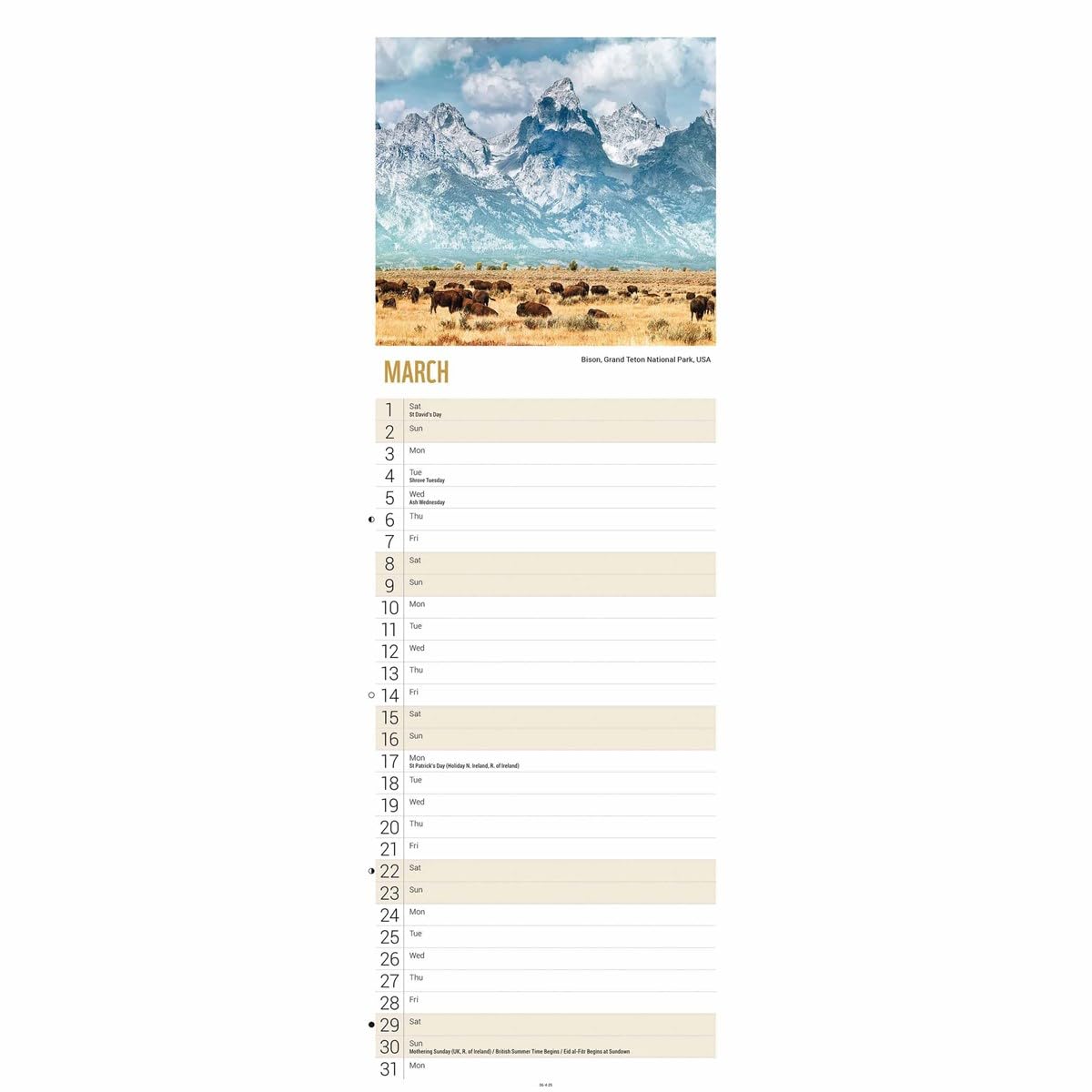
The 2025 World Wide Fund for Nature (WWF) calendar serves as a tangible intersection where wildlife conservation advocacy meets retail-driven philanthropy. By combining high-fidelity photography with functional planning tools, these publications generate unrestricted funding for global environmental initiatives while educating consumers on biodiversity, habitat protection, and the ongoing challenges of climate change.
The Mechanism of Conservation-Oriented Commerce
The sale of official WWF calendars represents a well-established model of "cause-related marketing." This strategy relies on the conversion of a consumer product—a standard scheduling tool—into an active fundraising vehicle. For the WWF, the production and sale of the 2025 calendar are not merely revenue-generating activities; they are instruments of mission amplification.
When an individual purchases a branded calendar, they are participating in a direct financial contribution to the organization’s operational budget. Unlike general merchandise, these calendars are curated to reflect the specific aesthetic and educational standards of the WWF. The imagery often features endangered species, pristine ecosystems, or the direct outcomes of previous conservation successes. This serves a dual purpose: providing the consumer with a high-quality product and maintaining a persistent, year-long visual reminder of the organization’s mandate.
The commercial aspect is strictly governed by the WWF’s global licensing and retail guidelines. In most jurisdictions, the proceeds from these sales are directed toward the organization’s primary conservation pillars: climate, food, forests, freshwater, oceans, and wildlife. By purchasing through authorized channels, supporters ensure that the maximum possible percentage of their transaction is channeled into field projects rather than administrative overhead.
Assessing the 2025 Publication Scope
The 2025 WWF calendar lineup traditionally encompasses various formats, ranging from wall calendars and desk pads to specialized planners. Each version is designed with a specific utility in mind, whether for professional office environments, domestic organization, or gift-giving.
For the 2025 editions, the editorial focus was centered on the "Conservation Meets Commerce" narrative. This theme was reflected in the selection of photographs that emphasize the fragility of ecosystems while highlighting the economic necessity of natural capital. The editorial teams responsible for these publications work in concert with conservation scientists to ensure that the captions and educational notes—often found alongside the monthly imagery—are factually accurate and align with the latest WWF reporting from 2024 and early 2025.
Evaluation Criteria: Value and Impact
When consumers evaluate the purchase of an official 2025 WWF calendar, they are typically weighing three distinct factors: aesthetic appeal, practical utility, and charitable impact. The following table illustrates the standard considerations for potential supporters.
| Criteria | Feature Scope | Conservation Impact |
|---|---|---|
| Material Quality | FSC-certified paper, soy-based inks | Supports sustainable forestry management |
| Visual Content | Award-winning wildlife photography | Enhances public awareness of biodiversity |
| Financial Model | Direct-to-charity revenue streaming | Funds field research and anti-poaching units |
| Utility | Standard grid layout with global holidays | Promotes organization and awareness |
The use of Forest Stewardship Council (FSC) certified paper is a mandatory technical requirement for WWF-branded products. This ensures that the commercial production of the calendar does not contribute to the very habitat destruction the organization seeks to prevent. The reliance on soy-based or vegetable-based inks further mitigates the environmental footprint of the printing process, aligning the physical product with the brand's core environmental philosophy.
Practical Steps for Supporting Conservation through Retail
Engaging with the WWF through their commercial channels requires a basic level of verification to ensure the authenticity of the product and the security of the transaction. Follow these steps to ensure your purchase contributes effectively to conservation efforts:
- Verification of Source: Always purchase from official regional WWF websites or verified retail partners. Avoid third-party resellers on secondary market platforms unless they are explicitly authorized, as these may not funnel profits to the organization.
- Product Inspection: Ensure the item bears the official WWF logo and includes the specific year designation (2025). Look for the FSC certification seal on the back cover.
- Transaction Security: Use secure payment methods via the official portal. Be cautious of "charity-themed" calendars that lack a clear, transparent link to the official WWF entity in your country.
- Impact Tracking: Periodically review the WWF’s annual "Impact Report" to understand how revenue from merchandising, including calendars, is allocated to specific initiatives.
Addressing Common Misconceptions
One common error among supporters is the assumption that all wildlife-themed calendars are associated with conservation organizations. Many commercial publishers produce nature-themed stationery without contributing to any environmental cause. The "Conservation Meets Commerce" branding is specific to items where a portion or the entirety of the profit margin is contractually bound to fund WWF activities.
Additionally, some users express concern regarding the sustainability of physical goods in a digital-first era. However, the WWF maintains that these physical items provide a tangible connection to the natural world that digital apps cannot replicate. By ensuring these items are printed using circular economy principles—recycled materials, non-toxic inks, and minimal plastic packaging—the organization balances the demand for physical goods with its ecological footprint.
Comparative Analysis of Calendar Formats
When deciding on a format, consider the primary environment of use:
- Wall Calendars: These prioritize large-scale imagery, often designed to serve as both a scheduling tool and decorative art. They are highly effective for educational purposes in classrooms or communal living spaces.
- Desk Planners: These prioritize space for notes and task management. They are designed for professionals who need to manage schedules while maintaining a connection to the organization's work throughout the workday.
- Academic/Fiscal Planners: These often run on non-traditional timelines to match school years or corporate fiscal calendars, providing a niche, high-utility option for students and professionals.
Frequently Asked Questions
Does buying a 2025 WWF calendar constitute a tax-deductible donation? In many jurisdictions, the purchase of a commercial product, even from a non-profit, is generally not tax-deductible because you are receiving a tangible good of value in exchange for your payment. However, the profit margin generated contributes to the organization's funding. Consult with a local tax professional regarding the specific tax laws in your country.
How does the WWF ensure the environmental safety of its products? The WWF adheres to a rigorous "Green Procurement" policy. This includes auditing suppliers to ensure they meet stringent environmental standards, such as the use of FSC-certified paper, eco-friendly printing techniques, and carbon-neutral distribution channels where possible.
Are the images in the 2025 calendar exclusively owned by the WWF? Many images are licensed from professional photographers who specialize in wildlife and conservation photography. These collaborations are essential for providing the high-quality imagery required for these products while supporting independent creators within the environmental niche.
What should I do if my calendar arrives damaged or is misprinted? Official retail channels have standard customer service protocols for returns and exchanges. Contact the regional branch or the specific online store where the purchase was made. Keep your order confirmation and digital receipt as these are required for processing any claim.
Can I donate directly instead of buying a calendar? Absolutely. If your primary goal is to support conservation without requiring a physical product, a direct donation is the most efficient way to provide funds to the WWF. Direct donations minimize the overhead costs associated with manufacturing and logistics.
Why does the 2025 calendar theme focus on "Conservation Meets Commerce"? This theme highlights the necessity of integrating economic activity with ecological health. By demonstrating that commerce can be a force for good, the organization hopes to shift the narrative from one where industry and nature are inherently at odds, to one where they can coexist through sustainable practices and consumer awareness.
Next Steps for Enthusiasts
For those interested in maintaining a connection to the WWF's mission, the purchase of a calendar is a starting point, not the conclusion. To deepen your involvement, consider signing up for the organization’s newsletter to receive regular updates on how these commercial proceeds are deployed in the field. If you find the 2025 calendar particularly effective for your planning needs, consider gifting additional copies to friends or colleagues to expand the reach of the organization’s message. By aligning your purchasing power with your environmental values, you contribute to a cycle of awareness and funding that supports the preservation of the planet’s most vital habitats.