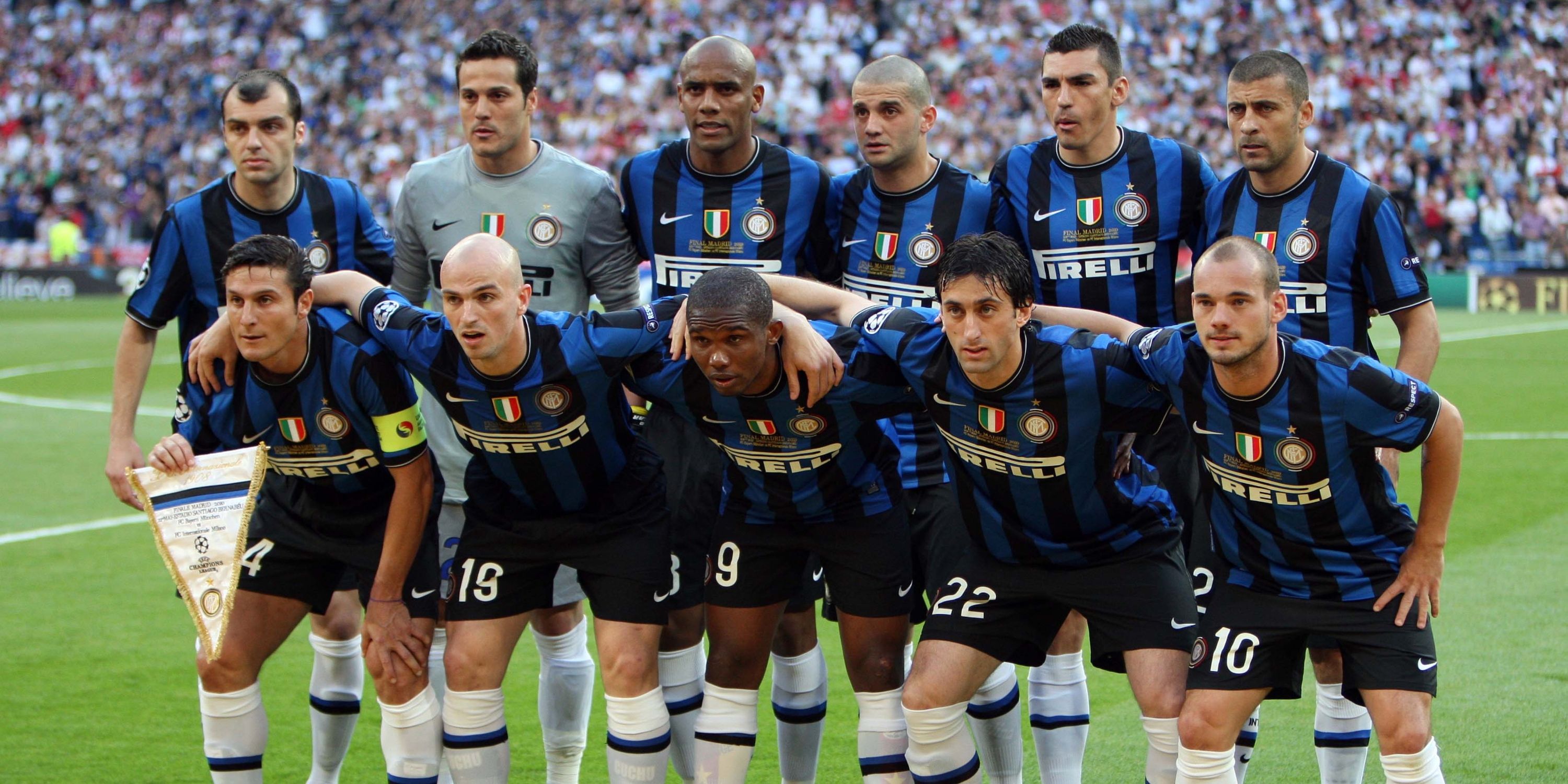
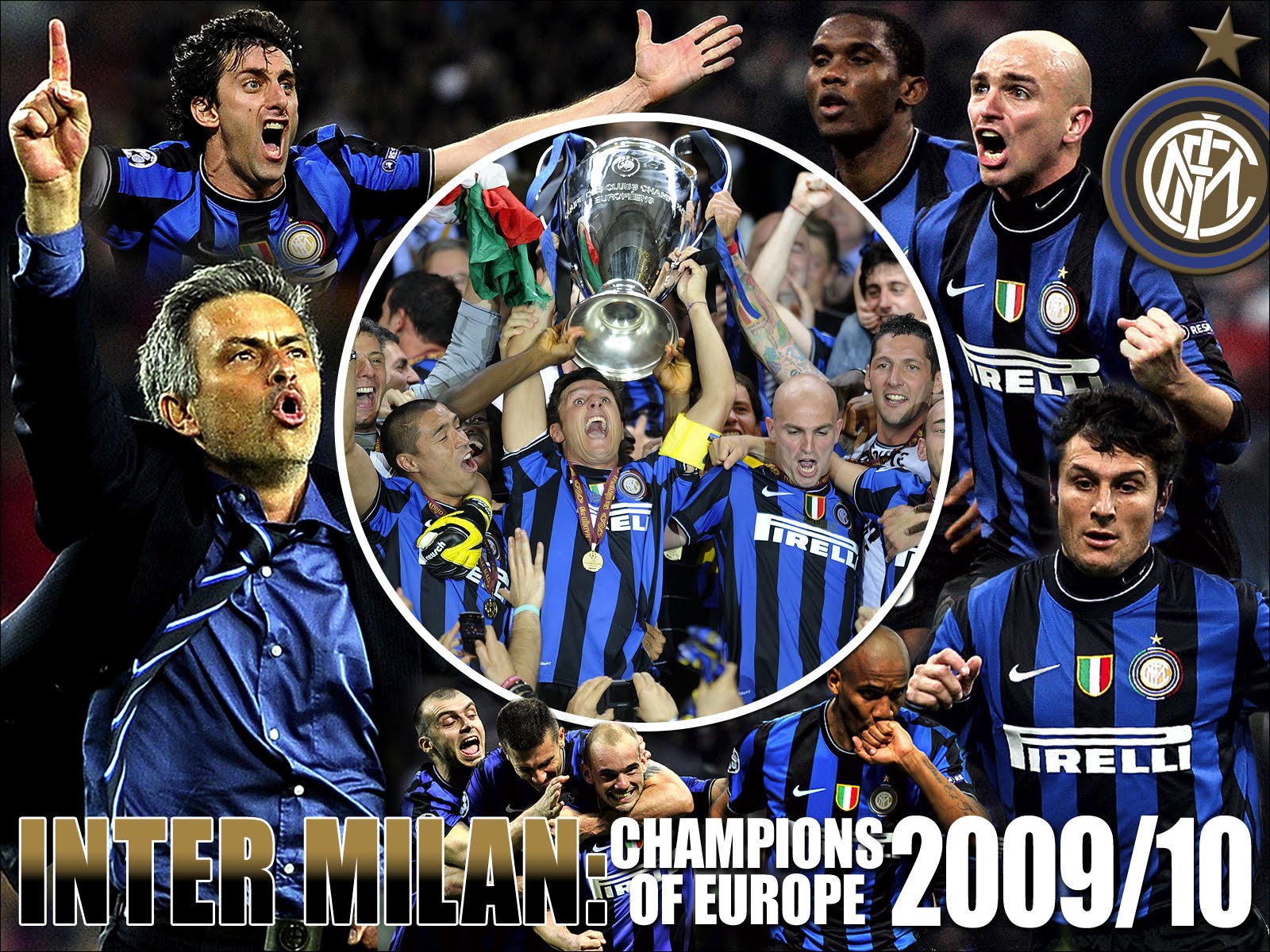
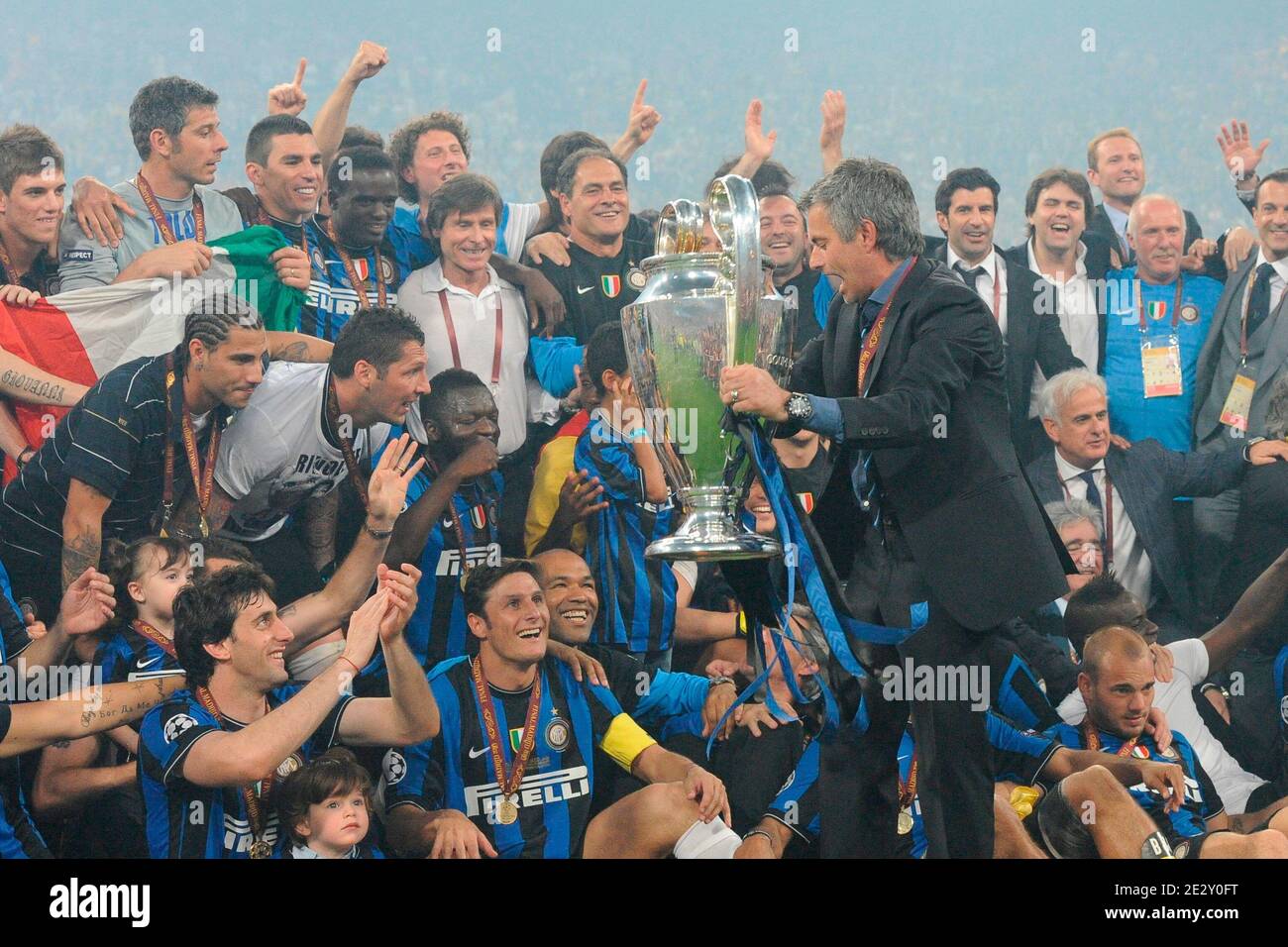
The 2010 Inter Milan squad, managed by José Mourinho, achieved the first and only "Treble" in Italian football history by winning Serie A, the Coppa Italia, and the UEFA Champions League. This legendary group featured stars like Javier Zanetti, Wesley Sneijder, and Diego Milito, defining an era of tactical discipline and defensive resilience.
The 2009-2010 season remains the pinnacle of FC Internazionale Milano’s long history. While the club had enjoyed domestic dominance following the Calciopoli scandal, European success had eluded them for nearly half a century. The transformation of the 2010 Inter Milan squad was not merely a result of talent, but a masterclass in squad building, psychological warfare, and tactical flexibility. As we look back from 2026, the achievement remains unique in the annals of Calcio, as no other Italian side has managed to replicate this specific trifecta of trophies in a single campaign.
The Architects of Greatness: Mourinho and the 2009 Transfer Window
The foundation of the 2010 success was laid during the summer of 2008 when José Mourinho replaced Roberto Mancini. However, the true catalyst was the 2009 summer transfer window. Inter made a series of calculated risks that fundamentally altered the team's DNA. The most notable transaction was the departure of Zlatan Ibrahimović to Barcelona in exchange for Samuel Eto’o plus a significant cash sum. While Ibrahimović was the reigning king of Serie A, Eto’o brought a winning pedigree from Barcelona and a relentless work ethic that would become symbolic of Mourinho’s Inter.
In addition to Eto’o, the club secured the services of Diego Milito and Thiago Motta from Genoa. Milito, nicknamed "Il Principe," provided the clinical finishing Inter lacked in high-pressure European nights. To bolster the defense, Mourinho brought in Lúcio from Bayern Munich, a move that provided physical presence and leadership alongside Walter Samuel. The final piece of the puzzle arrived late in August: Wesley Sneijder. Discarded by Real Madrid, the Dutch playmaker became the creative engine Inter had craved for years, operating in the hole behind the strikers and linking the midfield to the attack.
The Defensive Pillar: "The Wall" and the Brazilian Connection
The 2010 Inter Milan squad was built from the back. Mourinho’s tactical philosophy demanded a compact defensive unit capable of absorbing pressure for 90 minutes. At the heart of this was the central defensive partnership of Walter Samuel and Lúcio. Samuel, known as "Il Muro" (The Wall), was a master of the dark arts of defending—uncompromising in the air and timing his tackles to perfection. Lúcio provided the proactive element, often carrying the ball out of defense to initiate transitions.
Behind them stood Júlio César, who in 2010 was arguably the best goalkeeper in the world. His shot-stopping ability and commanding presence in the penalty area were vital, particularly in the Champions League knockout stages. On the flanks, Maicon redefined the role of the modern right-back. His overlapping runs and crossing ability made him a secondary playmaker, while his defensive recovery speed allowed Inter to maintain a high line when necessary. On the left, the legendary captain Javier Zanetti or Cristian Chivu provided stability. Zanetti, even at 36, possessed the stamina and versatility to play across the backline or in a holding midfield role, personifying the professional standards Mourinho demanded.
The Midfield Catalyst: Wesley Sneijder’s Transformative Impact
Before Wesley Sneijder's arrival, Inter often struggled with a lack of creativity in central areas, relying heavily on individual brilliance or wing play. Sneijder changed everything. Operating in the classic "number 10" role, he provided the vision to exploit the runs of Milito and Eto’o. His ability to strike the ball from distance and his precision on set-pieces added a new dimension to Inter’s offensive arsenal.
The midfield was balanced by the tireless work of Esteban Cambiasso. Often underrated by those outside of Italy, Cambiasso was the "brain" on the pitch. He anticipated opposition passes, covered for Maicon’s forward surges, and acted as a tactical lieutenant for Mourinho. Alongside him, players like Thiago Motta and Dejan Stanković provided physical grit and technical proficiency. This midfield trio ensured that Inter could win the "second ball" and transition from defense to attack with devastating speed.
The Clinical Frontline: Milito, Eto’o, and Tactical Sacrifice
The most remarkable aspect of the 2010 Inter Milan squad’s attack was the selflessness of its stars. Diego Milito was the designated finisher, but the roles of Samuel Eto’o and Goran Pandev (who joined in January 2010) were equally crucial.
Mourinho often deployed a 4-2-3-1 formation where Eto’o and Pandev were asked to play as defensive wingers. For Eto’o—one of the most prolific strikers in history—to spend matches tracking back to his own corner flag was a testament to Mourinho’s motivational power. This tactical sacrifice allowed Inter to maintain a solid defensive block while keeping two or three outlets ready for a counter-attack.
Diego Milito’s 2009-2010 season is the stuff of legend. He scored the only goal in the Coppa Italia final against Roma, the winning goal on the final day of the Serie A season against Siena to clinch the Scudetto, and both goals in the Champions League final against Bayern Munich. His movement in the box and composure in one-on-one situations were the defining features of Inter’s offensive efficiency.
The Path to the Treble: Defining Moments
The journey to the Treble was marked by several high-stakes matches that tested the squad's resolve. In the Champions League, the round-of-16 victory over Mourinho’s former club, Chelsea, served as a turning point, proving that Inter could compete with and defeat the elite of the Premier League.
However, the semi-final against Pep Guardiola’s Barcelona is remembered as the tactical peak of the era. After winning 3-1 at the San Siro—a game where Inter exploited Barcelona’s high line with ruthless efficiency—the return leg at the Camp Nou became a defensive masterclass. Following Thiago Motta’s controversial red card in the first half, Inter played for over an hour with ten men, "parking the bus" in a display of organized defiance that frustrated the likes of Lionel Messi and Xavi. Despite a 1-0 loss on the night, Inter progressed to the final 3-2 on aggregate.
The final in Madrid against Bayern Munich was a culmination of the season’s hard work. Inter were disciplined, clinical, and never looked like losing. Milito’s two goals ensured that the 2010 Inter Milan squad would be immortalized in football history.
Full 2009-2010 Inter Milan Squad List and Statistics
The following table highlights the key contributors to the Treble-winning campaign. While many players featured, these individuals formed the core of Mourinho’s preferred rotations across the three competitions.
| Player | Position | Nationality | Key Contribution |
|---|---|---|---|
| Júlio César | Goalkeeper | Brazil | Started nearly every game; crucial saves vs. Barcelona. |
| Maicon | Right-Back | Brazil | Provided width and 6 goals across all competitions. |
| Lúcio | Center-Back | Brazil | Physical leader; essential in the UCL knockout stages. |
| Walter Samuel | Center-Back | Argentina | The defensive anchor; dominant in aerial duels. |
| Javier Zanetti | LB / CM | Argentina | Captain; played 55 matches at age 36. |
| Esteban Cambiasso | Defensive Mid | Argentina | The tactical heartbeat; screened the back four. |
| Wesley Sneijder | Attacking Mid | Netherlands | Creative engine; 8 goals and 15 assists. |
| Thiago Motta | Central Mid | Italy | Box-to-box presence; vital in Serie A title race. |
| Samuel Eto’o | Forward / Wing | Cameroon | Tactical sacrifice; 16 goals; 2nd consecutive Treble. |
| Diego Milito | Striker | Argentina | Top scorer with 30 goals; scored in all three finals. |
| Goran Pandev | Forward / Wing | N. Macedonia | January signing; provided balance on the left wing. |
| Dejan Stanković | Central Mid | Serbia | Long-range specialist; key rotation player. |
| Iván Córdoba | Center-Back | Colombia | Veteran presence; reliable cover for the backline. |
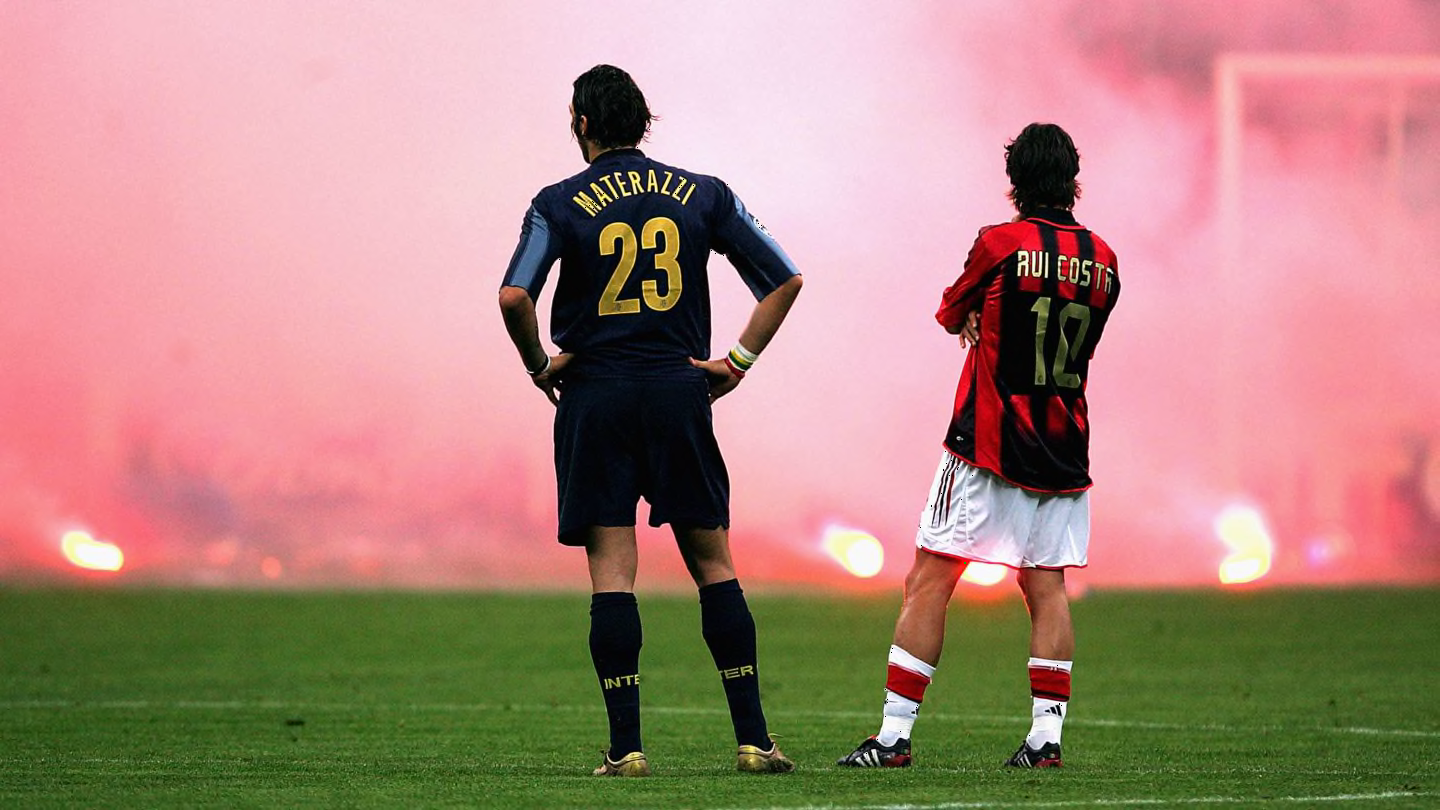
| Marco Materazzi | Center-Back | Italy | Late-game substitute to shore up the defense. |
The Legacy of the 2010 Squad
The legacy of the 2010 Inter Milan squad is often debated by football purists. While some critics labeled their style as "negative" or overly defensive, others see it as the ultimate expression of tactical intelligence. Mourinho proved that a team does not need to dominate possession to dominate a match. By controlling space and forcing opponents into low-percentage areas, Inter dictated the flow of games without the ball.
In the years following 2010, Inter struggled to maintain these heights as the core of the squad aged and Mourinho departed for Real Madrid. However, as of 2026, the achievement remains a benchmark for all Italian clubs. The 2010 squad proved that with the right recruitment, a unified dressing room, and a clear tactical identity, it was possible to overcome the financial might of the English and Spanish giants.
For more detailed historical statistics on Inter Milan's performance, you can visit the official FC Internazionale Milano archives. Additionally, the UEFA Champions League official site provides comprehensive match reports and footage of the 2010 final.
Frequently Asked Questions
Who was the top scorer for Inter Milan in 2010?
Diego Milito was the top scorer for the 2010 Inter Milan squad, netting 30 goals across all competitions. This included 22 in Serie A, 2 in the Coppa Italia, and 6 in the UEFA Champions League. His most famous goals were the double in the Champions League final against Bayern Munich and the winner against Siena to secure the league title.
Did Inter Milan win the Treble in 2010?
Yes, Inter Milan won the Continental Treble in the 2009-2010 season. They secured the Serie A title on the final day, defeated Roma 1-0 in the Coppa Italia final, and beat Bayern Munich 2-0 in the UEFA Champions League final. They remain the only Italian club to have achieved this feat.
What happened to José Mourinho after the 2010 season?
Immediately after winning the Champions League final in Madrid, José Mourinho stayed in the city to finalize his move to Real Madrid. He did not return to Milan with the team to celebrate, as he felt his cycle with Inter had reached its natural and perfect conclusion with the Treble victory.
Why was Wesley Sneijder's signing so important?
Wesley Sneijder was the "missing piece" because he provided the creative link between a defensive-minded midfield and the strikers. Before his arrival, Inter relied on a more rigid, physical midfield. Sneijder’s ability to find space, deliver through-balls, and score from distance allowed Inter to be more dangerous on the counter-attack.
How did Samuel Eto'o play differently at Inter compared to Barcelona?
At Barcelona, Eto'o was a traditional central striker. Under Mourinho at Inter, particularly in the Champions League, he was often asked to play as a wide attacker or even a wing-back. His willingness to defend and track back was crucial to the team's defensive stability, a role he famously performed during the semi-final win over Barcelona.
Which teams did Inter beat on their way to the Champions League final?
Inter's path to the 2010 final was one of the most difficult in history. They finished second in their group behind Barcelona, then defeated Chelsea in the round of 16, CSKA Moscow in the quarter-finals, and defending champions Barcelona in the semi-finals before facing Bayern Munich in the final.
Practical Recommendation for Fans and Researchers
If you are looking to study the tactical nuances of the 2010 Inter Milan squad, it is highly recommended to watch the full replay of the Inter vs. Barcelona semi-final first leg (3-1). This match perfectly illustrates how Mourinho used high-intensity pressing and rapid transitions to dismantle one of the greatest club sides in history. For those interested in squad management, analyzing the 2009 summer transfer window provides a blueprint for how to replace a "superstar" (Ibrahimović) with multiple "system players" (Eto'o, Milito, Sneijder) to create a more balanced and successful collective.