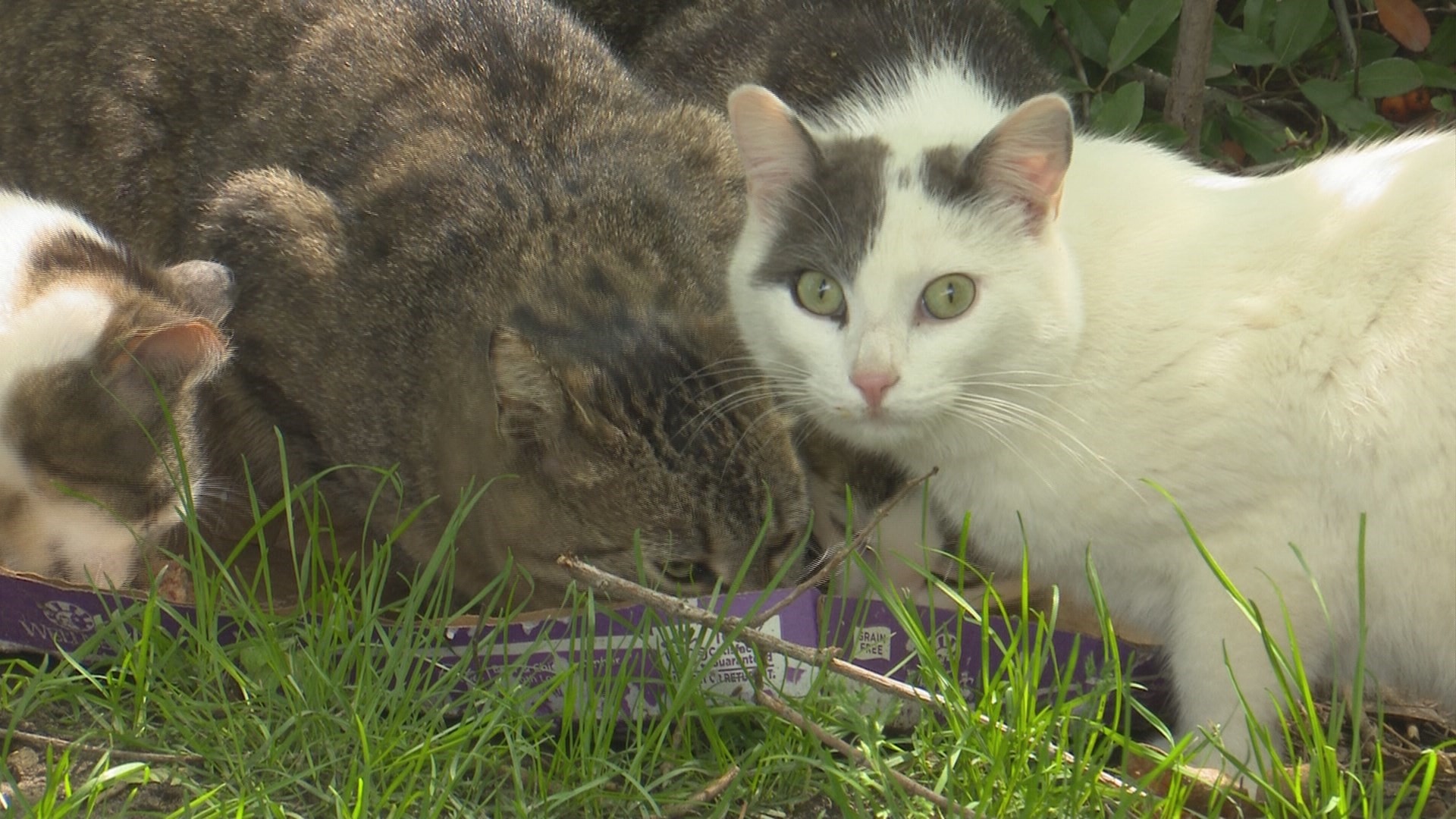
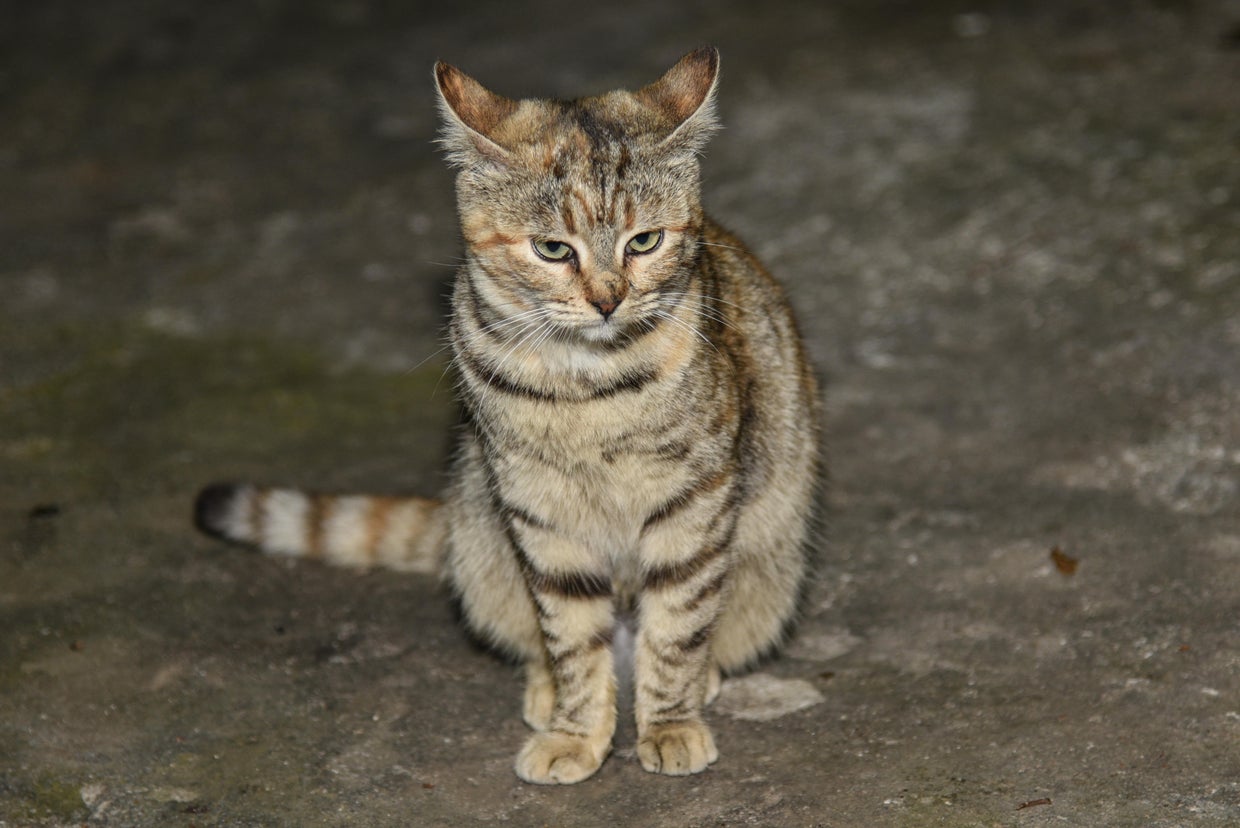
Feral cats are scientifically classified as an invasive species in most regions because they are non-native organisms that cause significant ecological and economic harm. Global conservation data confirms that free-ranging domestic cats have contributed to at least 63 extinctions of birds, mammals, and reptiles, and they remain a leading threat to global biodiversity.
Defining the Feral Cat Within the Invasive Framework
To determine if feral cats (Felis catus) qualify as an invasive species, we must first look at the standardized biological definitions used by international regulatory bodies. The United States Department of Agriculture (USDA) and the International Union for Conservation of Nature (IUCN) define an invasive species as a species that is non-native to the ecosystem under consideration and whose introduction causes or is likely to cause economic or environmental harm or harm to human health.
Feral cats meet all these criteria in nearly every environment they inhabit outside of their ancestral range in the Near East. Unlike the European wildcat (Felis silvestris), the domestic cat was selectively bred by humans and then transported globally. When these cats live in the wild without human socialization or confinement, they function as apex predators in environments that often did not evolve to withstand their specific hunting strategies.
Data from the IUCN’s Invasive Species Specialist Group consistently ranks the feral cat among the "100 of the World's Worst Invasive Alien Species." This designation is not based on a dislike of the animal but on the measurable, quantifiable impact they have on native fauna. In 2026, as urban sprawl continues to interface with protected wilderness, the distinction between a "neighborhood pet" and an "invasive predator" has become a central pillar of conservation policy.
The Data on Biodiversity Loss and Extinction
The primary argument for the invasive status of feral cats is the sheer volume of predation data collected over the last several decades. Peer-reviewed research, most notably the seminal 2013 study by the Smithsonian Conservation Biology Institute and the U.S. Fish and Wildlife Service, provided the first comprehensive estimates of the toll cats take on wildlife.
According to updated longitudinal data available in 2026, free-ranging cats (which include both feral individuals and unconfined pets) are responsible for the following annual mortality rates in the United States:
- Birds: 1.3 to 4.0 billion deaths annually.
- Mammals: 6.3 to 22.3 billion deaths annually.
- Reptiles and Amphibians: Hundreds of millions of deaths annually.
These figures represent a significant portion of the total mortality for many species, particularly migratory songbirds whose populations are already stressed by habitat loss and climate change. The data shows that cats are not merely "killing the weak" or participating in a natural "circle of life." Because they are subsidized by humans—either through direct feeding or by having a warm place to sleep—their populations can reach densities much higher than any natural predator. This decoupling of predator-prey population cycles is a hallmark of an invasive species that disrupts ecological balance.
Global Extinction Statistics
The impact is even more pronounced on islands. Because island species evolved in the absence of mammalian predators, they lack the "anti-predator" behaviors necessary to survive a cat's presence. Data indicates that cats have been a primary factor in the extinction of 63 species: 40 birds, 21 mammals, and 2 reptiles. This accounts for approximately 26% of all known contemporary extinctions in these taxonomic groups.
Ecological Impacts Beyond Direct Predation
While the "kill count" is the most cited metric, the invasive nature of feral cats extends to complex ecological disruptions. One of the most significant data points involves the transmission of Toxoplasma gondii, a parasite for which felids are the only definitive hosts (meaning the parasite can only reproduce sexually within a cat).
Toxoplasmosis as a Biological Pollutant
Feral cats shed oocysts (parasite eggs) in their feces. These oocysts are incredibly hardy, surviving in soil and water for years. Data from marine biology studies has linked feral cat populations to the deaths of endangered marine mammals, such as Hawaiian monk seals and California sea otters. The runoff from coastal feral colonies carries the parasite into the ocean, where it enters the food chain.
In terrestrial environments, Toxoplasmosis affects the behavior of native rodents and can even be fatal to various species of deer and marsupials. This "biological pollution" is a secondary but devastating impact that reinforces the classification of feral cats as an invasive threat to public and environmental health.
Competition with Native Predators
Feral cats do not exist in a vacuum. In many ecosystems, they compete directly with native predators such as foxes, raptors, and small wildcats (like the bobcat in North America). Because feral cats often exist in high-density colonies supported by "colony caretakers," they can outcompete native hunters for limited prey resources. This competition can lead to the decline of native predator populations, further destabilizing the local food web.
Comparative Management Strategies by Region
As of 2026, different nations have adopted varying legislative and management approaches to the feral cat crisis based on the severity of the data in their specific jurisdictions.
| Country/Region | Invasive Status | Primary Management Strategy | Key Data Driver |
|---|---|---|---|
| Australia | Officially Classified | Lethal control, baiting, and exclusion fencing | High rate of endemic mammal extinctions |
| United States | Varies by State | Mixture of TNR (Trap-Neuter-Return) and containment | High migratory bird mortality |
| New Zealand | Officially Classified | "Predator Free 2050" initiative; eradication in sensitive zones | Protection of flightless birds (e.g., Kiwi) |
| United Kingdom | Not Classified | Focus on pet welfare and wildcat hybridization | Presence of native Felis silvestris |
| Hawaii (USA) | Strictly Classified | Removal from sensitive habitats; ban on feeding in state parks | Protection of endangered ground-nesting birds |
The TNR Debate: What the Data Shows in 2026
Trap-Neuter-Return (TNR) is a popular management strategy among animal welfare advocates, where cats are trapped, sterilized, and returned to their "colonies." However, conservation data in 2026 remains skeptical of TNR as an effective tool for reducing invasive impacts.
Studies have shown that for a colony population to actually decline through TNR, a sterilization rate of over 75-80% must be maintained consistently—a figure rarely achieved in large-scale feral populations. Furthermore, sterilization does not stop the cat from hunting or spreading disease. Consequently, many wildlife organizations argue that TNR essentially maintains invasive predators on the landscape rather than removing the threat.
The Economic Cost of Feral Cats
The "invasive" label also considers economic harm. In 2026, the financial burden of managing feral cat populations is substantial. These costs are categorized into three main areas:
- Public Health Costs: Treating zoonotic diseases (like Toxoplasmosis and Rabies) and managing cat-related injuries.
- Environmental Mitigation: The cost of recovery programs for endangered species that are preyed upon by cats. This includes the millions spent on captive breeding programs for birds like the Guam Rail, which was nearly wiped out by invasive predators.
- Direct Management: Municipal spending on animal control, shelter operations, and the cleanup of feral colony sites.
In the United States alone, the economic impact related to the loss of birds (considering their value in pest control and the birdwatching economy) is estimated in the billions of dollars. When these factors are aggregated, the data supports the conclusion that feral cats are one of the most economically "expensive" invasive species to manage.
Human Responsibility and the Path Forward
The data makes it clear: feral cats are an invasive species with a profound impact on the planet's biodiversity. However, the designation of "invasive" is a biological classification, not a moral judgment on the animals themselves. The crisis is a human-caused issue, stemming from the abandonment of pets and a historical lack of restrictive breeding legislation.
In 2026, the most successful management programs are those that move away from polarized debates and focus on evidence-based solutions:
- Mandatory Microchipping and Sterilization: Reducing the "influx" of new cats into the feral population by ensuring pets are traceable and cannot reproduce.
- Enclosed Outdoor Spaces (Catios): Encouraging pet owners to provide outdoor access without allowing the cat to hunt native wildlife.
- Targeted Removal: Prioritizing the complete removal of feral cats from ecologically sensitive areas, such as islands and wildlife preserves, where the data shows they do the most damage.
- Transitioning Colonies: Moving feral cats from high-risk environments into managed, enclosed sanctuaries where they can live out their lives without impacting the ecosystem.
Frequently Asked Questions
Is there a difference between a stray cat and a feral cat?
Yes. A stray cat is a socialized domestic cat that was once a pet but has become lost or abandoned. A feral cat is either a domestic cat that has lived in the wild for a long period or the offspring of such a cat, having had little to no human contact. While both can be invasive, feral cats are typically unadoptable and remain in the wild, contributing more significantly to the long-term invasive population.
Are indoor/outdoor pet cats considered invasive?
Technically, yes. If a non-native species is allowed to roam and cause ecological harm, it fits the definition. Data shows that even well-fed pet cats hunt instinctively, contributing to the overall mortality of local bird and small mammal populations.
Does feeding feral cats stop them from hunting wildlife?
No. Data from numerous studies confirms that the hunting instinct in cats is separate from the hunger drive. Cats will continue to hunt and kill wildlife even if they have a consistent food source provided by humans. In fact, supplemental feeding can increase the impact by allowing cat populations to survive in numbers that the local environment could not naturally support.
What is the "Vacuum Effect"?
The vacuum effect is a theory often cited by TNR advocates, suggesting that if cats are removed from an area, new cats will move in to take their place. While this can happen if the underlying resources (like food waste) are not managed, data from successful island eradications proves that consistent removal and habitat management can permanently eliminate invasive cat populations.
Why is Australia so aggressive in managing feral cats?
Australia's wildlife evolved in isolation for millions of years without mammalian predators like cats. As a result, native species have no natural defenses. Feral cats have been linked to the extinction of at least 27 native mammal species in Australia, leading the government to implement strict invasive species laws and large-scale removal programs to prevent further loss.
Final Recommendation for 2026
For homeowners, conservationists, and policymakers, the data suggests that the most effective way to address the invasive cat crisis is through prevention and containment. Pet owners should prioritize keeping cats indoors or within secure outdoor enclosures. Communities should support legislation that mandates pet sterilization and provides funding for the removal of feral colonies from sensitive ecological zones. Relying on data-driven management rather than emotional rhetoric is the only way to protect native biodiversity while humanely addressing the feral cat population.