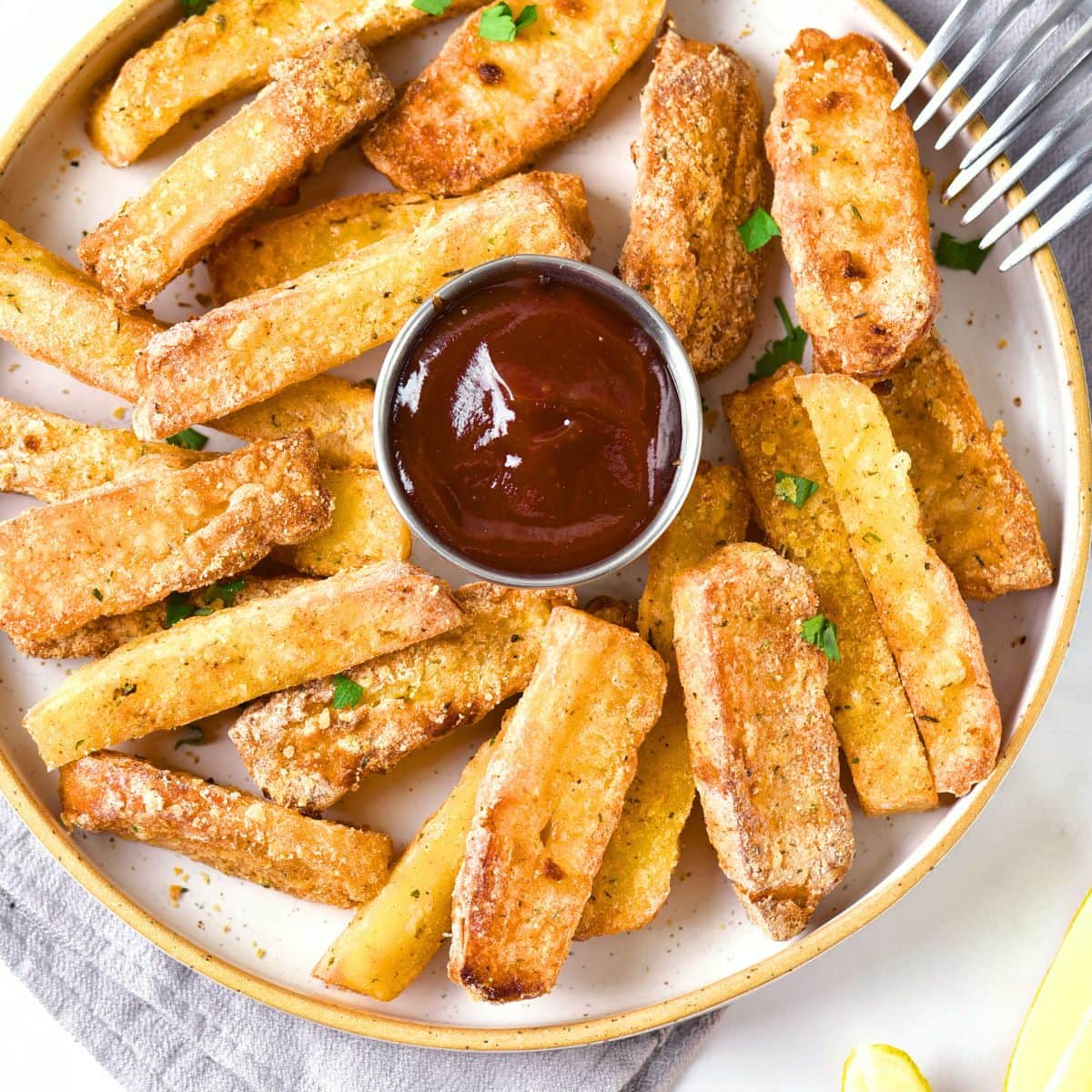
While the base ingredients of French fries—potatoes, oil, and salt—are naturally dairy-free, many commercial and restaurant versions are not. Dairy is frequently introduced through flavoring agents like "natural beef flavor" containing milk derivatives, crispy coatings used for texture, or cross-contamination from shared deep fryers used for dairy-heavy items like mozzarella sticks.
French fries are arguably the most ubiquitous side dish in the world. For those navigating life with a milk allergy, lactose intolerance, or a vegan lifestyle, determining whether a specific batch of fries is safe can be surprisingly complex. In 2026, food processing transparency has reached an all-time high, yet hidden ingredients still pose significant risks. Understanding the nuances of how potatoes are transformed into crispy fries is essential for anyone avoiding dairy.
Understanding the Basic Ingredients of French Fries
At their simplest, French fries require only three components: potatoes, oil, and salt. Potatoes are starchy tubers that are naturally vegan and gluten-free. When prepared at home from scratch, you have complete control over the ingredients, and they will almost certainly be dairy-free. However, the industrial and commercial production of fries involves several additional steps that introduce risk.
The Role of Potatoes and Oils
Most commercial fries use specific potato varieties like Russet Burbank for their high starch content and low moisture, which creates the desired fluffy interior and crispy exterior. The oil used for frying is typically a vegetable-based oil, such as canola, soybean, corn, or peanut oil. Historically, some chains used beef tallow, but most have shifted to plant-based fats. None of these primary fats contain dairy.
Processing Additives
Large-scale manufacturers often treat potatoes before they reach the restaurant or grocery store. To prevent discoloration (oxidization) during storage and cooking, fries are often dipped in a solution containing sodium acid pyrophosphate. To ensure a uniform golden-brown color, a sugar solution (dextrose) may be applied. While these chemical additives sound complex, they do not typically involve dairy. The danger arises when we move beyond these functional additives into the realm of flavoring and texture enhancement.
Common Hidden Dairy Sources in Commercial Fries
The primary reason a potato might contain dairy is the use of milk-derived flavoring agents or textural coatings. Manufacturers often look for ways to make their fries stand out, and dairy proteins are remarkably effective at providing a savory "umami" profile or an extra-crunchy shell.
1. Natural and Artificial Flavorings
One of the most famous examples of hidden dairy is the "Natural Beef Flavor" used by certain major fast-food chains. In some jurisdictions, this flavoring is derived from hydrolyzed wheat and hydrolyzed milk. For a person with a severe milk allergy, this trace amount is enough to trigger a reaction. Even though the product is a potato, the flavoring makes it unsafe for dairy-free diets.
2. Seasonings and Rubs
Seasoned fries—such as "cajun" fries, "ranch" fries, or "garlic parmesan" fries—are high-risk items. Seasoning blends often use whey powder or non-fat milk solids as a carrier for the spices or to add a creamy mouthfeel. Even "plain" seasoned fries may use milk powder to help the salt and spices adhere to the potato surface more effectively.
3. Batters and Coatings
Many modern fries, particularly "extra crispy" or "stealth" fries, are coated in a thin batter before freezing. This batter helps the fries stay crispy under heat lamps for longer periods. While many of these batters are made from cornstarch or rice flour, some include whey or casein (milk protein) to improve the browning process (the Maillard reaction) and provide a specific crunch.
Cross-Contamination: The Invisible Risk for Dairy Allergies
For individuals with a medical necessity to avoid dairy, the ingredients list is only half the story. The cooking environment is often where dairy is unintentionally introduced.
The Shared Fryer Dilemma
In most restaurant kitchens, space and equipment are limited. It is common practice to use the same deep fryer for multiple menu items. If a restaurant fries mozzarella sticks, battered chicken (which may use a buttermilk wash), or jalapeño poppers in the same oil as the French fries, the fries are no longer dairy-free.
Microscopic proteins from the cheese or milk-based batters remain in the oil and are transferred to the potatoes. In 2026, while many high-end establishments use dedicated fryers for allergen-sensitive items, this is not a universal standard in the fast-food or casual dining sectors.
Utensils and Preparation Surfaces
Cross-contamination can also occur on the "salt station" or the holding bin where fries are dumped after cooking. If a server uses the same scoop for "parmesan truffle fries" and "regular fries," dairy particles will inevitably migrate. For those with lactose intolerance, these trace amounts might only cause mild discomfort, but for those with anaphylactic milk allergies, this is a critical safety hazard.
Dairy Status of Major Fast-Food French Fries
As of 2026, the dairy status of fries at major global chains remains varied. It is vital to check regional ingredient statements, as formulations often differ by country due to local regulations and sourcing.
| Restaurant Chain | Dairy-Free Status | Shared Fryer Risk | Key Notes |
|---|---|---|---|
| McDonald's (USA) | No | High | Contains "Natural Beef Flavor" with milk derivatives. |
| McDonald's (UK/EU) | Yes | Low/Variable | UK fries do not contain milk-based flavorings. |
| Five Guys | Yes | Very Low | Cooked in 100% peanut oil; no dairy items are fried. |
| Burger King | Technically Yes | High | Ingredients are dairy-free, but they often share fryers. |
| Chick-fil-A | Yes | Low | Waffle fries are cooked in canola oil, separate from chicken. |
| Wendy's | Technically Yes | High | Natural-cut fries don't contain dairy, but shared oil is common. |
| In-N-Out Burger | Yes | Very Low | Fries are fresh-cut and cooked in 100% vegetable oil. |
Case Study: The McDonald's Controversy
McDonald's in the United States remains the most prominent example of a "hidden" dairy ingredient. The company uses a beef flavoring that includes milk proteins. This has been a point of contention for decades, leading to several lawsuits. In contrast, McDonald's in the United Kingdom and much of Europe prepares fries using only potatoes, vegetable oils, and dextrose, making them vegan and dairy-free. This highlights the importance of checking local ingredient lists rather than relying on a brand's global reputation.
Frozen French Fry Brands and Grocery Store Safety
When shopping for frozen fries in 2026, the "Contains" statement required by food labeling laws (such as FALCPA in the United States) is your best tool. However, seasoned and specialty varieties require extra scrutiny.
Plain Frozen Fries
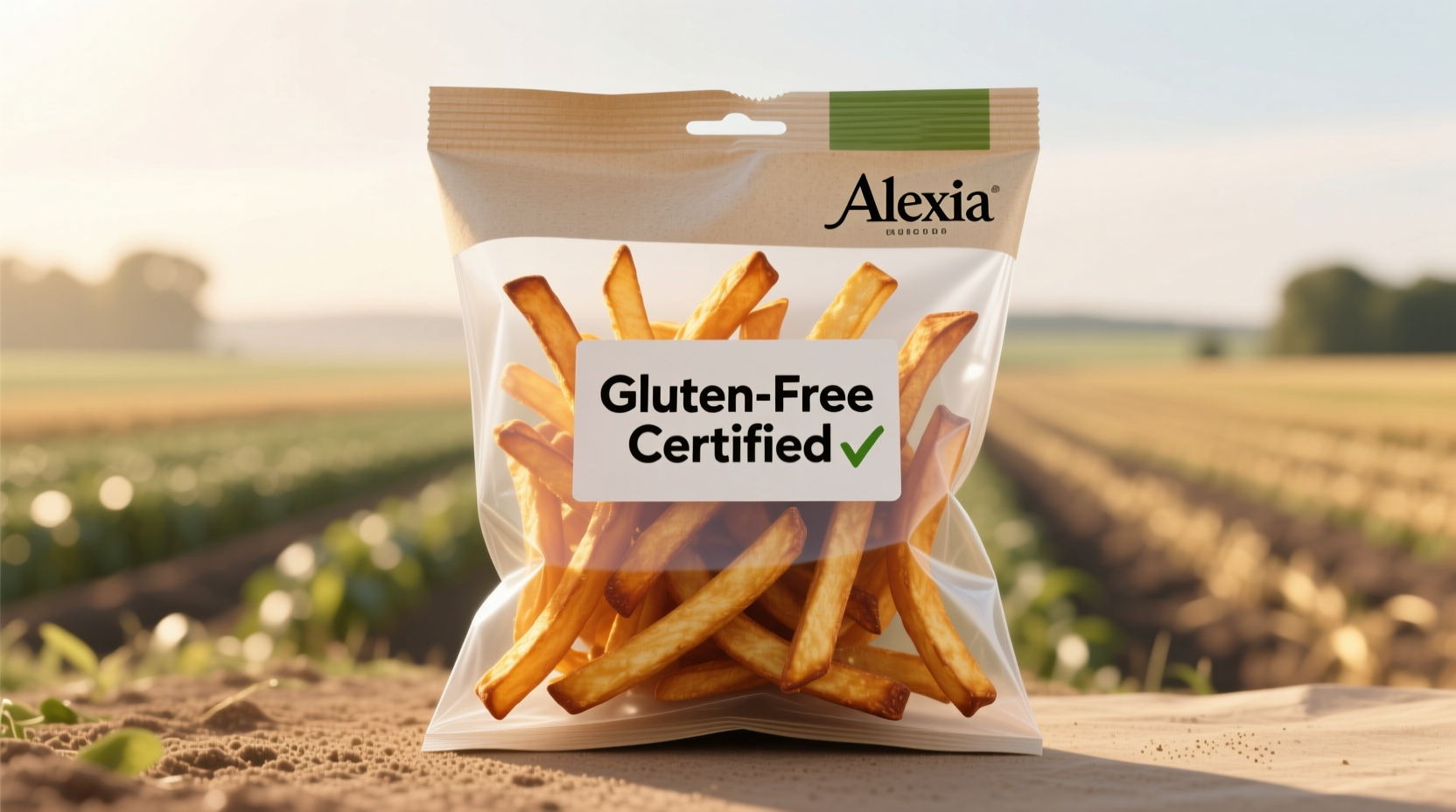
Standard frozen fries (steak cut, crinkle cut, or shoestring) from brands like Ore-Ida or Alexia are generally dairy-free. They typically contain potatoes, vegetable oil, salt, and perhaps a stabilizer. Always look for labels that specify "gluten-free" as well, as these are often processed on cleaner lines.
Seasoned and Waffle Fries
These are the most likely to contain dairy. Waffle fries often have a thicker coating to maintain their shape, and curly fries are almost always seasoned with a blend that could include milk solids. "Beer-battered" fries are another category to watch; while beer itself is dairy-free, the batter mix may include whey for texture.
Decoding the Label: Ingredients to Watch For
If you are looking at a package of frozen fries and it doesn't have a clear "Dairy-Free" seal, look for these technical terms that indicate the presence of milk:
- Whey / Whey Protein: A byproduct of cheese production.
- Casein / Caseinate: The primary protein in milk.
- Lactose: Milk sugar.
- Milk Solids / Non-fat Milk Powder: Used for flavor and browning.
- Natural Flavor: Can sometimes be derived from dairy (though major allergens must be disclosed).
- Butter Fat / Butter Oil: Occasionally used in premium or "gourmet" frozen fries.
How to Order Dairy-Free Fries at Restaurants
Dining out requires proactive communication. If you have a dairy allergy, following these steps can significantly reduce your risk:
- Ask About the Ingredients: Specifically ask if the fries have a coating or seasoning that contains milk or butter.
- Inquire About the Fryer: Ask the staff, "Do you use a dedicated fryer for the fries, or is it shared with items like mozzarella sticks or breaded chicken?"
- Check for "Secret Sauce": Some restaurants toss their fries in a butter-based herb sauce or a cheese-infused oil after they come out of the fryer. Ask for your fries "plain with salt only."
- Use Allergen Menus: Most large chains in 2026 provide digital allergen menus via QR codes or apps. These are more reliable than asking a busy server who may not have been trained on ingredient specifics.
Homemade Dairy-Free Fries: The Safest Alternative
If you want absolute certainty, making fries at home is the best solution. Not only can you ensure they are dairy-free, but you can also control the quality of the oil and the amount of sodium.
Traditional Deep Frying
To make classic fries, peel and cut Russet potatoes into sticks. Soak them in cold water for 30 minutes to remove excess starch—this prevents them from sticking together and helps them get crispy. Dry them thoroughly, then fry them twice: once at a lower temperature (325°F/160°C) to cook the inside, and a second time at a higher temperature (375°F/190°C) to crisp the outside.
Air Frying
The air fryer is a game-changer for dairy-free cooking. It provides the texture of deep frying with significantly less oil and zero risk of cross-contamination from a shared restaurant vat. Simply toss your cut potatoes in a tablespoon of avocado or olive oil and air fry at 400°F (200°C) for 15-20 minutes, shaking the basket halfway through.
Frequently Asked Questions
Are McDonald's fries dairy-free in 2026?
In the United States, McDonald's fries are not dairy-free because they contain "Natural Beef Flavor," which uses milk derivatives. However, in many other countries, including the UK, Canada, and Australia, McDonald's fries are made without dairy ingredients. Always check the specific country's allergen guide.
Do seasoned fries always contain dairy?
Not always, but they are high-risk. Seasonings often use whey or non-fat milk powder as a flavor enhancer or to help the spices stick to the fry. Always check the label for "milk" in the allergen statement.
Is the oil used for frying fries usually dairy-free?
Yes, the vast majority of restaurants use vegetable-based oils like canola, soy, or peanut oil. However, the risk is not the oil itself, but what else has been cooked in that oil (like cheese-filled appetizers).
Can I trust "vegan" fries to be dairy-free?
Generally, yes. If a product or menu item is labeled "Vegan," it should not contain any animal products, including milk or butter. However, for those with severe allergies, you should still ask about shared fryers, as "vegan" labels often refer to the ingredients list rather than the manufacturing process.
Are sweet potato fries dairy-free?
Like regular fries, sweet potato fries are naturally dairy-free in their base form. However, because they are harder to get crispy, they are even more likely to have a starch or milk-protein coating. They also frequently share fryers with dairy items in restaurants.
Next Actions for Dairy-Free Dining
If you are managing a dairy-free diet, your next steps should include identifying "safe" brands at your local grocery store and keeping a list of restaurants with dedicated fryers. For those with severe allergies, carrying an "allergy card" that explains the risk of shared fryers can help kitchen staff understand the importance of avoiding cross-contamination. When in doubt, stick to fresh-cut fries from places like Five Guys or In-N-Out, or prepare your own at home using an air fryer.