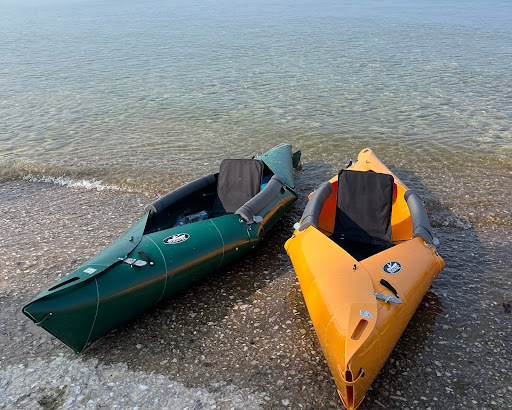
Foldable kayaks are an excellent choice for casual paddling, offering a unique balance of portability, storage convenience, and surprisingly high performance. They are specifically designed for flat-water environments like lakes and slow-moving rivers, making them ideal for urban dwellers or travelers who lack the space for a traditional hardshell boat but want better tracking than most inflatables.
For most recreational users, the decision to get onto the water is often hindered by the logistics of transporting a 50-pound, 12-foot rigid hull. Foldable kayaks, often referred to as "origami kayaks," have revolutionized this experience. As we look at the landscape of recreational watercraft in 2026, these innovative designs have moved from niche curiosities to mainstream staples for the casual enthusiast. This guide explores whether these folding wonders are the right fit for your weekend adventures.
Understanding the Foldable Kayak Concept
A foldable kayak is a watercraft constructed from specialized, high-durability materials—most commonly double-layered, custom-extruded polypropylene—that allow the hull to be folded into a compact shape for transport and storage. Unlike inflatable kayaks that rely on air pressure for structural integrity, foldable kayaks use the tension and geometry of their folds to create a rigid, hydrodynamic shape.
The market generally splits into two categories: origami-style boats, which are a single sheet of material folded into a hull, and modular kayaks, which snap together in sections. For the casual paddler, the origami style is the most prominent due to its light weight and "backpack-to-beach" convenience. Brands like Oru Kayak and Tucktec have spent years refining these designs to ensure they are not just portable, but also safe and durable for repeated use.
Material Science and Durability in 2026
One of the primary concerns for casual paddlers is whether a "plastic sheet" can actually withstand the rigors of the water. Modern foldable kayaks utilize UV-treated plastics that are rated for tens of thousands of fold cycles. This means that even if you paddle every weekend, the "hinges" of the kayak are engineered to last for decades without cracking.
In terms of puncture resistance, these materials are surprisingly tough. While they are not intended for dragging over sharp oyster beds or navigating through jagged rock gardens (white water), they easily handle the occasional bump against a wooden dock or a sandy shoreline. For the casual user who sticks to local parks and calm coastal inlets, the durability of a foldable kayak is more than sufficient.
The Advantages for Casual Paddlers
Casual paddling is defined by spontaneity and ease of access. If the process of loading a kayak onto a roof rack takes longer than the actual time spent on the water, most people will simply stay home. This is where the foldable kayak excels.
1. Unmatched Portability and Storage
The most significant barrier to entry for kayaking is the "storage problem." Traditional hardshell kayaks require a garage, a large shed, or expensive rack systems. A foldable kayak can fit in the trunk of a compact car, a hall closet, or even under a bed. For apartment dwellers or those with smaller vehicles, this is the single most compelling reason to choose a foldable model.
2. Weight and Ease of Handling
A standard hardshell recreational kayak typically weighs between 45 and 65 pounds. In contrast, many foldable models weigh between 18 and 30 pounds. This weight difference is transformative for the casual user. It allows a single person to carry the boat from their car to the water’s edge in one hand, much like a large suitcase, without the need for a wheeled cart or a second person to help.
3. Setup Time vs. Inflatables
While inflatable kayaks are also portable, they require a pump, pressure monitoring, and—most frustratingly—a long drying period before they can be packed away to prevent mold. A foldable kayak can typically be assembled in 5 to 10 minutes once the user is familiar with the folding pattern. Since the material is non-porous, a quick wipe with a towel is all that is needed before folding it back up and heading home.
4. Performance on the Water
Because foldable kayaks have a defined, rigid hull and a sharp bow and stern, they track (move in a straight line) much better than most budget-friendly inflatable kayaks. Inflatables often sit "on" the water and are easily pushed around by the wind. A foldable kayak sits "in" the water, providing a more authentic paddling sensation that mirrors the experience of a traditional hardshell boat.
Limitations and Trade-offs
While foldable kayaks are excellent for casual use, they are not a universal solution for every type of water activity. Understanding their limits is crucial for safety and satisfaction.
Environmental Constraints
Foldable kayaks are essentially "skin-on-frame" or "shell-only" vessels. They generally lack the specialized bulkheads (internal walls) found in touring kayaks that provide buoyancy if the boat capsizes. While many manufacturers include or offer optional "float bags" to prevent the boat from sinking if it flips, these kayaks are still primarily designed for "protected waters"—lakes, ponds, and slow rivers where you are never too far from shore.
Comfort and Customization
Casual paddlers often prioritize comfort. While foldable kayaks have made great strides in ergonomics by 2026, their seats and footrests are often more minimalist than those found in high-end hardshells. Because the hull must be able to fold, you won't find deep, padded "lawn chair" style seats or adjustable pedal drives in most folding models. If you have chronic back issues or plan to spend six hours straight in the cockpit, you may find the seating a bit basic.
Learning Curve
The first few times you assemble an origami kayak can be a bit like solving a giant puzzle. The plastic can be stiff, especially in cooler weather. While it becomes "muscle memory" after a few outings, there is a distinct learning curve compared to simply throwing a hardshell in the water or inflating a tube.
Comparing Foldable, Inflatable, and Hardshell Kayaks
To help determine if a foldable kayak fits your casual paddling style, consider how it stacks up against the other two main categories of recreational watercraft.
| Feature | Foldable Kayak | Inflatable Kayak | Hardshell Kayak |
|---|---|---|---|
| Storage Space | Very Low (Closet) | Lowest (Shelf) | High (Garage/Rack) |
| Weight | 18–30 lbs | 25–40 lbs | 45–70 lbs |
| Setup Time | 5–12 Minutes | 10–20 Minutes (Pumping) | 0 Minutes (Immediate) |
| Tracking/Speed | Good | Fair to Poor | Excellent |
| Durability | High (Puncture resistant) | Moderate (Risk of leaks) | Maximum (Indestructible) |
| Price Point | Mid to High ($500–$1,500) | Low to Mid ($200–$800) | Wide Range ($400–$2,500) |
| Best Environment | Calm Lakes/Rivers | Slow Rivers/Recreation | All Waters (Varies by model) |
Is the Investment Worth It?
As of 2026, the price of a quality foldable kayak generally sits between $500 and $1,500. For the casual paddler, this might seem steep compared to a $300 hardshell from a big-box sporting goods store. However, the "true cost" of a kayak includes transport and storage.
If you have to buy a $400 roof rack for your car and pay $50 a month for a storage locker because you live in an apartment, the foldable kayak actually becomes the more economical choice within the first year. Furthermore, the resale value of foldable kayaks remains high because the demand for portable, high-performance outdoor gear continues to grow among urban populations.
Safety Considerations for Casual Users
If you choose a foldable kayak for casual paddling, keep these safety tips in mind:
- Always wear a PFD: Regardless of the boat's stability, a Personal Flotation Device is mandatory.
- Use Float Bags: Especially in origami kayaks, adding inflatable float bags to the bow and stern ensures the boat stays afloat even if it swamped with water.
- Check the Latches: Before launching, double-check that all corrugated plastic seams are properly nested and all buckles are tensioned.
- Avoid Abrasive Surfaces: While durable, the longevity of the folds is preserved by avoiding dragging the boat over concrete boat ramps or sharp rocks.
Maintenance and Care
To ensure your foldable kayak remains a reliable companion for years of casual paddling, a small amount of maintenance is required.
- Rinse After Saltwater: If you paddle in coastal areas, always rinse the folds and hardware with fresh water. Salt crystals can act as an abrasive within the folds over time.
- Dry Before Storage: While they don't mold as easily as fabric-reinforced inflatables, storing a wet kayak in a dark closet can lead to odors. Wipe it down with a micro-fiber cloth.
- UV Protection: Most modern folders have UV inhibitors built into the plastic, but applying a marine-grade UV protectant spray (like 303 Aerospace Protectant) once a season can prevent the plastic from becoming brittle over the decades.
- Store Partially Unfolded (If Possible): If you have the space, storing the kayak in its "box" form or slightly unfolded can reduce the stress on the primary hinges during the off-season, though this is not strictly necessary for most modern materials.
Frequently Asked Questions
Are foldable kayaks stable enough for beginners?
Yes, most foldable kayaks designed for casual paddling have a wide "multi-chine" hull, which provides excellent primary stability. This means they feel very steady when you are sitting still on flat water. They are specifically engineered to be approachable for people who have never paddled before.
Can I take a foldable kayak on an airplane?
Most foldable kayaks fold down to the size of a large suitcase or a "checked baggage" sized box. Many users successfully check them as oversized luggage for international trips. However, always check with your specific airline regarding weight limits and "sporting equipment" fees, as these can vary.
How long do foldable kayaks actually last?
Manufacturers like Oru Kayak rate their hulls for roughly 20,000 folds. If you were to paddle and fold the boat twice a week, every single week of the year, it would theoretically take nearly 200 years to reach that limit. In practical terms, the hardware (straps and buckles) is more likely to wear out before the hull itself, and these parts are usually replaceable.
Can I bring a dog or fishing gear in a foldable kayak?
Yes, but with caution. A small to medium-sized dog with trimmed nails is generally fine. For fishing, you must be careful with sharp hooks and knives. While the plastic is tough, a focused puncture from a fish hook or a dropped fillet knife can cause damage. Many casual anglers use foldable kayaks specifically because they can reach remote ponds that don't have boat ramps.
Are they difficult to sink?
Foldable kayaks are naturally buoyant because the plastic material is lighter than water. However, if the cockpit fills with water, the boat can become submerged. This is why using float bags (air-filled bladders placed in the ends of the boat) is highly recommended for anyone venturing away from the immediate shoreline.
Final Recommendation: Should You Buy One?
Foldable kayaks are the definitive solution for the casual paddler who values convenience without sacrificing the "feel" of a real boat. If you live in an urban environment, drive a small vehicle, or simply want a kayak that you can keep in your trunk for "emergency paddling" opportunities, the foldable kayak is an excellent investment.
If your version of casual paddling involves dragging a boat over rocks, crashing through whitewater, or leaving the boat outside in the sun all year, a traditional rotomolded hardshell remains the better choice. But for the weekend warrior looking to explore local lakes and enjoy the serenity of the water with minimal logistical headaches, the foldable kayak is a game-changer in 2026.