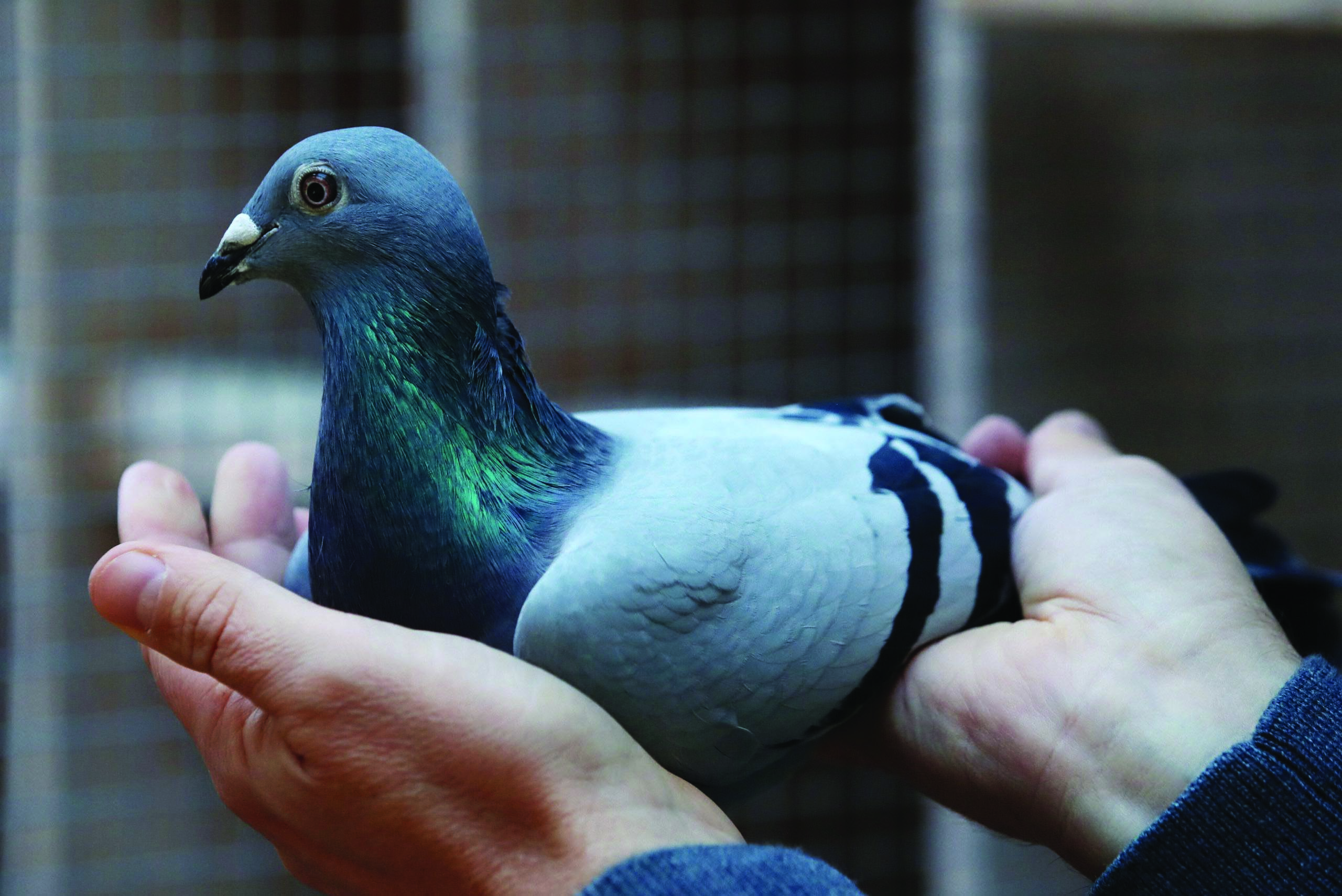
In March 2019, a Belgian racing pigeon named Armando made international headlines when he sold for a record-breaking €1,252,000 (approximately $1.4 million) at a PIPA auction. Bred by Joel Verschoot, the bird was purchased by a Chinese collector, signaling a massive shift in the valuation and global prestige of elite pigeon racing.
The sale of Armando was not merely a transaction; it was a watershed moment for the sport of pigeon racing. Often referred to as "the Lewis Hamilton of pigeons," Armando represented the pinnacle of avian athleticism and genetic pedigree. To understand how a single bird could command a price tag higher than a luxury supercar or a villa in the South of France, one must examine the intricate world of Belgian breeding, the rise of the Chinese middle and upper classes, and the rigorous standards of international pigeon racing.
The Pedigree of a Champion: Who is Armando?
Armando was not an overnight success. By the time he reached the auction block in 2019 at the age of five, he was already established as one of the greatest long-distance racing pigeons in history. In the world of "columbophilia" (the hobby of pigeon racing), a bird’s value is determined by its race record and its lineage.
Armando’s competitive resume was peerless. He secured first place in the 2018 Ace Pigeon Long Distance category for the KBDB (Royal Belgian Pigeon Federation), which is widely considered the most prestigious title a racing pigeon can earn. His victories included dominant performances in the Angoulême and Limoges races, two of the most grueling contests on the European circuit. These races require birds to navigate hundreds of miles back to their home loft, often facing adverse weather conditions, hawks, and physical exhaustion.
What set Armando apart was his "finish"—the ability to maintain high speeds over the final stretch of a 400-to-600-mile journey. For breeders, this trait is the "holy grail" of genetics. By 2019, Armando was retired from racing, meaning his value shifted from his physical performance to his reproductive potential. The buyer wasn't paying for a bird to race; they were paying for a "stud" whose offspring could potentially dominate the sport for the next decade.
The 2019 PIPA Auction: Breaking the Seven-Figure Barrier
The auction was hosted by PIPA (Pigeon Paradise), the world’s leading auction house for high-end racing pigeons. Based in Belgium, PIPA has digitized the trade of elite birds, allowing international buyers to bid in real-time.
When the auction for Joel Verschoot’s birds went live, expectations were high, but few predicted the million-euro threshold would be shattered so decisively. The previous record was held by a pigeon named "New Bliksem," which sold for €376,000 in 2018. Armando didn’t just break this record; he nearly quadrupled it.
The final minutes of the auction saw a fierce bidding war between two Chinese enthusiasts, identified by the pseudonyms "Xing Wei" and "James Huang." As the price climbed past €1 million, the pigeon racing community watched in disbelief. The hammer finally fell at €1,252,000. This event transformed the public perception of the sport, moving it from a localized working-class hobby to a high-stakes investment market for the global elite.
The Economics of Elite Pigeon Racing
To the uninitiated, the price of Armando seems absurd. However, within the context of the 2026 pigeon racing market, the logic becomes clearer. The value of an elite pigeon is derived from a combination of scarcity, gambling potential, and prestige.
Return on Investment (ROI) through Breeding
The primary driver of Armando’s price was his potential as a breeder. A champion pigeon can sire dozens of chicks per year. In the years following the 2019 sale, Armando's offspring were sold for tens of thousands of euros each. For a buyer like Xing Wei, who owns one of the largest racing lofts in China (the "Kaier" lofts), Armando was a foundational asset. By 2026, the lineage of Armando has permeated the pedigrees of numerous winners in the Chinese "One Loft Races," where prize pots can reach several million dollars.
The Chinese Market Influence
The explosion in pigeon prices is directly linked to the sport’s massive popularity in China. While pigeon racing has declined in its traditional European heartlands like the UK and Belgium, it has seen a meteoric rise in Asia. In China, pigeon racing is often associated with high-stakes wagering. Professional races in Beijing and Shanghai offer astronomical prize money, creating a demand for the best possible genetics to ensure a competitive edge.
Belgium: The "Mecca" of Genetics
Belgium remains the epicenter of the sport because of its centuries-old tradition of selective breeding. Just as Kentucky is to horse racing, the Flanders region of Belgium is to pigeons. The environmental conditions, the density of expert breeders, and the rigorous standards of the KBDB have created a "Silicon Valley" of avian genetics. Buyers from China, the US, and the Middle East travel to Belgium specifically to source birds like Armando, knowing that the Belgian "stamp of approval" is the highest guarantee of quality.
Comparative Value: Record-Breaking Pigeon Sales
Since Armando’s sale in 2019, the market has seen other significant transactions. While Armando was the first to cross the million-euro mark, he paved the way for subsequent records.
| Pigeon Name | Year of Sale | Price (Euros) | Breeder | Notable Achievement |
|---|---|---|---|---|
| Armando | 2019 | €1,252,000 | Joel Verschoot | 1st Nat. Ace Pigeon KBDB Long Distance |
| New Kim | 2020 | €1,600,000 | Gaston Van de Wouwer | Record for most expensive female pigeon |
| Best Kittel | 2021 | Private Sale* | PIPA Breeding | Dominant Sprint Lineage |
| Golden Prince | 2017 | €360,000 | Gino Clicque | Pre-Armando Record Holder |
| New Bliksem | 2018 | €376,000 | Gaby Vandenabeele | High-profile Vandenabeele lineage |
*Private sales often exceed auction prices but remain unverified by official auction house data.
Technical Factors: What Makes a Million-Euro Pigeon?
Identifying a bird like Armando requires more than just looking at race results. Expert breeders and buyers use a variety of technical indicators to evaluate a pigeon’s worth.
- Wing Theory and Aerodynamics: Collectors examine the "step" between the primary and secondary feathers. A bird destined for long-distance racing must have a wing shape that minimizes drag and maximizes lift over ten hours of continuous flight.
- The "Eye Sign": While controversial among some scientists, many elite pigeon fanciers believe the richness of color and the reactive nature of a pigeon’s iris indicate its navigational capability and "spirit."
- Skeleton and Musculature: A champion must have a "closed" vent bone (the bones near the tail) and a strong, supple pectoral muscle. When held, a bird like Armando is often described as feeling like "a balloon filled with air"—light but incredibly powerful.
- Navigational Instincts: Pigeons use a combination of magnetoreception (sensing the Earth's magnetic field), solar navigation, and olfactory cues. Armando’s ability to find his way home with pinpoint accuracy, even when blown off course, suggested a superior neurological "mapping" system.
The Role of Joel Verschoot
The success of Armando is also the story of Joel Verschoot. A retired manager of a professional cleaning company, Verschoot turned his hobby into a global enterprise. His approach to breeding was methodical, focusing on a "family" of birds that shared specific traits.
The sale of his entire colony in 2019, which included Armando, netted over €2 million. Verschoot’s success highlighted the potential for "small" breeders to achieve massive financial success through dedication to genetic purity. His story continues to inspire a new generation of breeders in 2026, who view pigeon racing not just as a pastime, but as a sophisticated field of biological engineering and asset management.
Legacy and Impact on the Sport in 2026
As we look back from 2026, the 2019 Armando sale was the catalyst for several major changes in the sport:
- Increased Security and DNA Profiling: Because of the high value of these birds, theft became a significant concern. Today, most elite racing pigeons are DNA-profiled at birth to prevent fraud and ensure that a bird’s pedigree is 100% verifiable.
- Professionalization of Lofts: The "backyard" loft is increasingly rare at the elite level. Professional racing syndicates now employ full-time veterinarians, nutritionists, and trainers to manage their avian athletes.
- Global Regulation: The massive influx of capital led to stricter regulations regarding bird welfare and transportation, ensuring that the birds are treated with the care befitting a million-dollar asset.
- Tech Integration: Modern racing now uses highly accurate GPS rings that track a bird’s exact flight path, speed, and heart rate, providing data that was unavailable when Armando was racing.
Frequently Asked Questions
Why did a Chinese buyer spend so much on a Belgian pigeon?
In China, pigeon racing is a massive cultural phenomenon and a popular avenue for investment and social prestige. Owning a world-champion bird like Armando is a status symbol akin to owning a rare piece of art or a professional sports team. Furthermore, the potential to sell the bird's offspring provides a tangible return on investment.
Can Armando still fly and race after being sold?
Armando was sold as a "breeding bird," meaning his racing days were over. Given his value, he was moved to a secure, high-tech breeding facility. Racing a million-dollar bird would be a massive financial risk, as pigeons can be lost to predators, weather, or exhaustion during a race.
Was Armando the most expensive pigeon ever?
At the time of his sale in 2019, Armando was the most expensive pigeon ever sold. However, in 2020, another Belgian pigeon named New Kim was sold for €1.6 million, breaking Armando's record. Armando remains the most expensive "long-distance" specialist ever sold at public auction.
How do racing pigeons find their way home?
Racing pigeons use a complex "multi-modal" navigation system. This includes sensing the Earth's magnetic field (magnetoreception), using the sun's position, and recognizing visual landmarks. Some studies also suggest they use an "acoustic map" of low-frequency sounds to orient themselves over long distances.
Is pigeon racing cruel to the birds?
Modern elite pigeon racing, especially in the 2020s, is subject to strict animal welfare standards. Champions like Armando live in climate-controlled lofts, receive specialized high-protein diets, and have access to professional veterinary care. While racing involves physical exertion, these birds are biologically driven by an intense homing instinct.
Recommended Next Action
For those interested in the genetics and market dynamics of elite racing, the next step is to explore the PIPA (Pigeon Paradise) website to view upcoming auction catalogs. Observing the pedigrees and "eye sign" photos of current top-tier birds provides a practical look at the traits that define a champion. Additionally, researching the KBDB national rankings will help you identify the next generation of birds that may one day challenge Armando's legendary status in the history books of columbophilia.