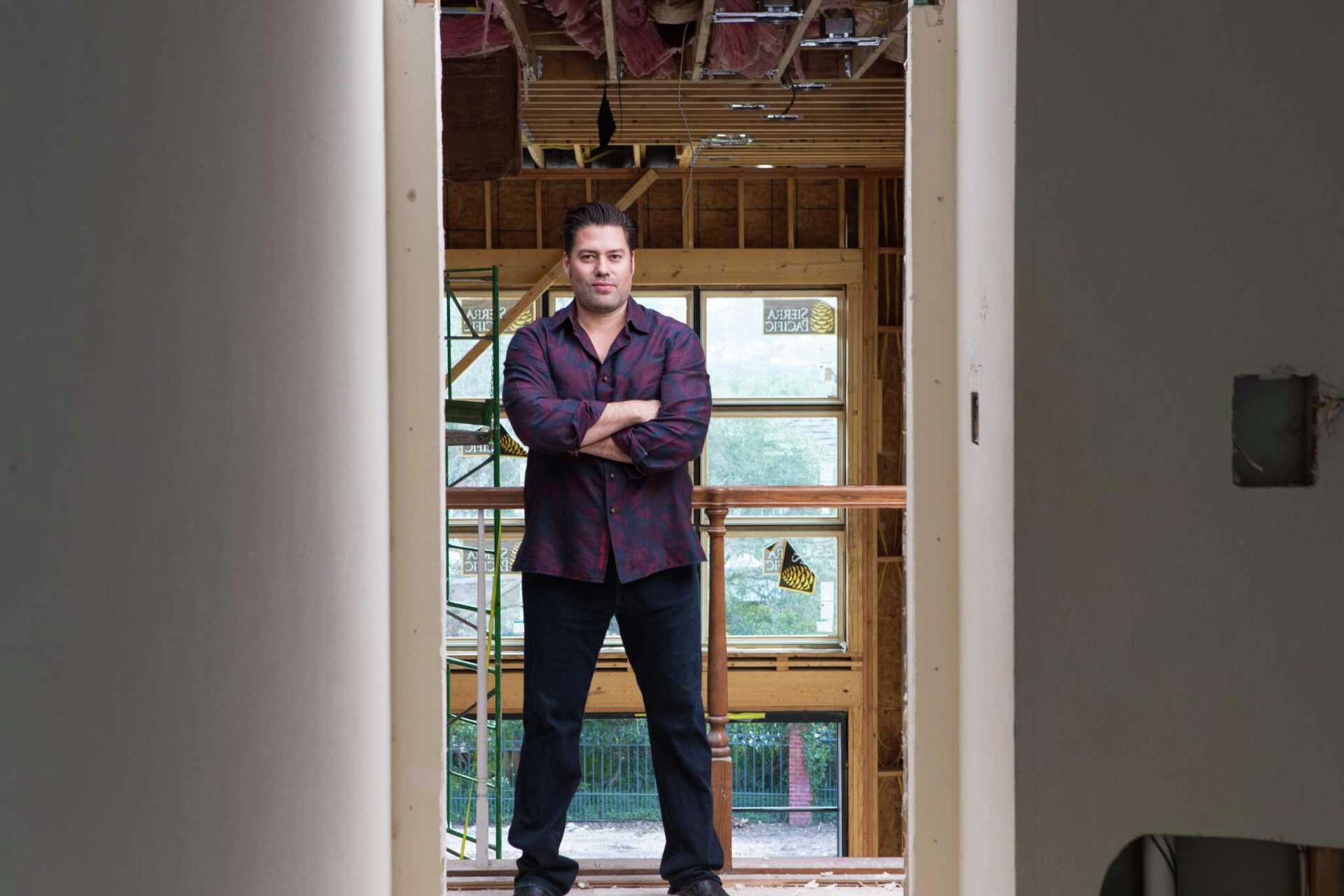
As of 2026, Armando Montelongo is not an official licensed character or a spokesperson for the House Flipper video game series developed by Frozen District. While there is no "Armando Montelongo DLC," his high-energy real estate strategies and the "Big Flip" philosophy popularized on A&E's Flip This House serve as a primary blueprint for players looking to maximize virtual profits and master the game’s economic simulation.
The intersection of Armando Montelongo and the House Flipper franchise represents a fascinating convergence of reality television, real estate education, and digital simulation. For many players, the game is not just a relaxing hobby of painting walls and installing radiators; it is a sandbox for testing the aggressive investment principles taught by one of the most recognizable names in the American real estate industry. To understand how the "Montelongo Method" applies to the virtual world of House Flipper and House Flipper 2, one must look at the mechanics of the game through the lens of professional investment.
The Cultural Connection: Why Armando Montelongo Matters to Gamers
Armando Montelongo rose to national prominence as the star of Flip This House, a show that demystified the process of purchasing distressed properties, renovating them under tight deadlines, and selling them for significant margins. His brand of real estate—fast-paced, high-stakes, and focused on "the spread"—mirrors the core gameplay loop of the House Flipper series.
In House Flipper, the player begins with a small, dilapidated office and a meager bank account. Through a series of jobs, they earn enough capital to purchase their first "fixer-upper." This trajectory is the exact narrative arc that Montelongo’s seminars and books promise to students. Consequently, a subset of the gaming community looks to Montelongo's real-world advice to optimize their in-game performance. They aren't just playing a game; they are practicing a business model.
The Psychology of the Flip
Montelongo often emphasizes the "velocity of money"—the idea that keeping capital moving is more important than waiting for the perfect, massive windfall. In House Flipper, this translates to a specific playstyle: avoiding over-renovation. Beginners often spend too much time on aesthetic details that the game’s AI buyers do not value, whereas "Montelongo-style" players focus on the specific triggers that increase the bid price, such as the number of bedrooms or the presence of a functional kitchen.
Game Mechanics and the Montelongo Strategy
To "flip" like a professional in the 2026 iteration of the game, players must master several technical systems that reflect real-world real estate hurdles. While the game simplifies the legal and financial complexities Montelongo faces in the San Antonio market, the core logic remains consistent.
Target Buyer Archetypes
In the original House Flipper, the "Auction" system is the ultimate test of a flip. Different buyers have different needs. For example, the "Jonson Family" wants multiple bedrooms, while "Dolan Trusk" looks for high-end office space. Armando Montelongo’s real-world strategy involves identifying the "end-buyer" before the first hammer is swung.
In the game, this means:
- Market Research: Checking the buyer panel to see who is currently in the lead.
- Strategic Demolition: Removing walls to create the open-plan spaces that modern virtual buyers crave.
- Appliance Maximization: Installing the most expensive heaters and air conditioning units, which provide a high Return on Investment (ROI) relative to their installation time.
The "Big Flip" Methodology in a Virtual Environment
The "Big Flip" is Montelongo’s term for large-scale projects that yield six-figure profits. In House Flipper, these are the mansions and large estates found in the DLCs (such as the Luxury DLC or Pets DLC). To execute these successfully, players must balance the "Cost of Carry" (the initial purchase price) against the "Renovation Budget."
A common mistake in the game is "over-improving" a property. Montelongo’s real-world critics and fans alike note his focus on cosmetic improvements that yield high visual impact. In House Flipper, this means prioritizing floor-to-ceiling tiling and modern lighting over expensive, hidden furniture that the AI might not recognize as "valuable."
Comparative Analysis: Virtual Flipping vs. Real-World Investment
The following table compares the mechanics found in the House Flipper series with the real-world real estate investment principles advocated by Armando Montelongo.
| Feature | House Flipper (Game) | Armando Montelongo (Real World) |
|---|---|---|
| Sourcing Properties | Limited list of available "Browser" houses. | Wholesaling, auctions, and "driving for dollars." |
| Renovation Focus | Cleaning, painting, and furniture placement. | Structural integrity, "curb appeal," and modern kitchens. |
| Profit Drivers | Meeting specific "Buyer Trait" requirements. | Market timing, neighborhood comps, and buyer financing. |
| Labor Costs | Zero (Player does all work for "free"). | Significant (Contractors, permits, and management). |
| Timeframe | 30 minutes to 4 hours per house. | 3 to 6 months per typical flip. |
| Risk Factor | Minimal; houses almost always sell for a profit. | High; market crashes and hidden repairs can lead to loss. |
Utilizing Mods and the Steam Workshop for the "Montelongo Experience"
While official Armando Montelongo content does not exist, the House Flipper community is known for its robust use of the Steam Workshop. For players who want to bring a piece of the Flip This House aesthetic into their game, there are several ways to do so.
- Custom Wall Art: Using the in-game "Camera" and "Gallery" feature, players can import images. Many fans have imported Montelongo’s "Rules of Flipping" or motivational posters from his seminars to decorate their virtual offices.
- Thematic Recreations: Players often attempt to recreate famous flips from the TV show. This involves finding a house layout in the game that matches a San Antonio bungalow or a luxury Texas estate featured in Montelongo’s portfolio.
- Modded Furniture: Custom assets allow for the "Luxury Modern" look that Montelongo often favors in his high-end flips—sleek lines, monochromatic palettes, and high-end kitchen islands.
Financial Management: The Spread and the Bottom Line
One of the most technical aspects of being a "student" of Montelongo within the game is managing the finances. In House Flipper 2, the financial tracking system is more robust than its predecessor, allowing for a better view of where every dollar is spent.
Calculating ROI in House Flipper
In the game, your profit is: Sale Price - (Purchase Price + Renovation Costs).
To maximize this, you must analyze the "Price per Square Meter." Armando Montelongo’s strategy often involves increasing the "effective" square footage by finishing basements or converting garages. In the game, changing a room's "type" (e.g., from a storeroom to a bedroom) by adding a bed and a wardrobe instantly increases the property value, reflecting the real-world value of "added rooms."
Avoiding the "Money Pit"
Montelongo warns against "falling in love" with a property. This is a psychological trap in the game as well. Players often spend hours meticulously placing books on shelves or choosing the perfect shade of "Sea Breeze" blue. From a Montelongo-inspired perspective, this is wasted time. To be a "Power Flipper," one should focus on speed and "clean, bright, and white" aesthetics that appeal to the broadest possible range of virtual buyers.
Potential Risks and Criticisms: Virtual vs. Reality
It is important to distinguish the entertainment value of House Flipper and reality TV from the actual risks of real estate. Armando Montelongo’s seminars have faced scrutiny over the years regarding the feasibility of his "get rich quick" methods for the average person.
In the game, there is no risk of a housing market crash, and there are no interest rates on the money you use to buy houses. In 2026, real-world real estate remains a complex, high-barrier-to-entry field governed by local laws, zoning regulations, and fluctuating mortgage rates. While House Flipper provides a great dopamine hit for completing a project, it should not be considered a substitute for a licensed real estate education.
Technical Tips for the Advanced Virtual Flipper
If you are aiming to reach the "top tier" of the leaderboards or maximize your bank account in House Flipper using a professional mindset, consider these technical steps:
- The Perk Tree: Prioritize the "Negotiation" perks first. Just as Montelongo emphasizes the "deal" at the closing table, the negotiation skill in the game allows you to squeeze an extra 10–15% profit out of a buyer.
- Batch Tasks: Do not move room by room. Clean the entire house first, then do all the plumbing, then all the painting. This "assembly line" approach is a staple of professional renovation teams.
- Minimalist Furnishing: If you are flipping for profit, use the cheapest furniture that satisfies the room requirement. The game’s engine often rewards the presence of an item more than its quality.
Frequently Asked Questions
Is there an official Armando Montelongo DLC for House Flipper?
No. As of 2026, there is no official partnership between Armando Montelongo and the game's developers, Frozen District. Any "Montelongo" content found in the game is usually player-created via the Steam Workshop or custom image imports.
Why do people associate Armando Montelongo with House Flipper?
The association stems from the similarity between the game’s core mechanics—buying, renovating, and selling for profit—and the real estate flipping craze that Montelongo helped popularize through his television show, Flip This House.
Can you actually learn real estate from playing House Flipper?
While the game teaches the basics of "renovation logic" (e.g., you need to paint before you put in furniture) and the concept of Return on Investment, it lacks the legal, financial, and structural complexities of real-world real estate. It is a simulation, not a training manual.
What is the "Big Flip" in House Flipper?
In the context of the game, a "Big Flip" refers to purchasing one of the largest, most expensive properties (usually from a DLC) and performing a total overhaul to achieve a profit margin of $100,000 or more.
How do I maximize profit using Armando’s "Rules of Flipping" in the game?
Focus on the "Three Cs": Clean, Clear, and Cosmetic. Ensure the house is 100% clean, clear out all trash and unnecessary walls to create an open flow, and focus on cosmetic upgrades like flooring and paint rather than expensive, niche decorations.
Final Recommendation for Players
To truly embody the Armando Montelongo spirit in House Flipper, players should pivot away from "interior design" and toward "property investment." Treat every house as a math problem rather than an art project. Focus on the buyer requirements, master the negotiation mini-game to increase your margins, and use the Steam Workshop to import motivational resources that keep you focused on the "spread." Whether you are a fan of his high-octane seminars or just looking to beat the game’s highest-tier buyers, the principles of aggressive real estate remain your best path to virtual wealth.