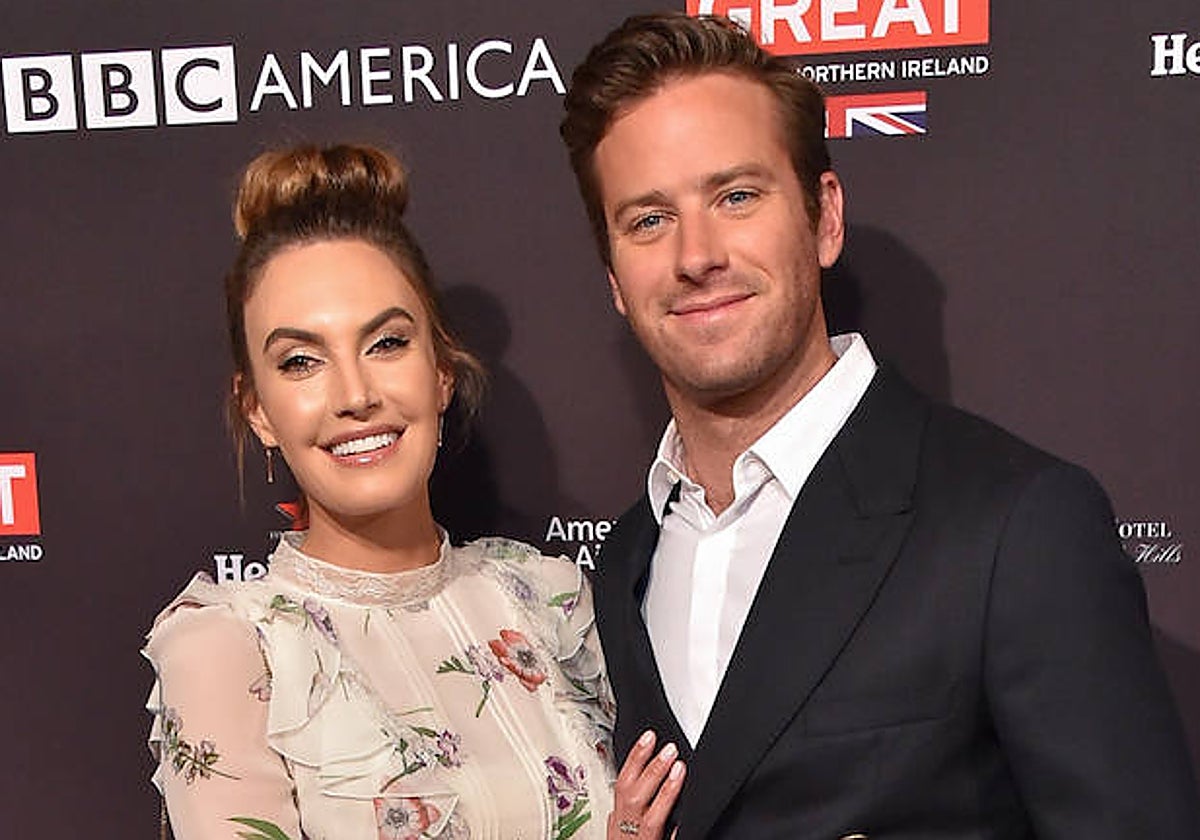
The connection between actor Armie Hammer and the Arm & Hammer brand is a blend of coincidence, naming irony, and a late-stage corporate investment. While the brand existed decades before his family’s involvement, his great-grandfather, Armand Hammer, eventually purchased a significant stake in the company and joined its board of directors, largely because of the constant public association between his name and the product.
The confusion between the Hollywood actor, his industrialist lineage, and the ubiquitous yellow box of baking soda is one of the most persistent pieces of trivia in American pop culture. To understand how these entities became intertwined, one must look past the surface-level name similarity and examine the history of a 19th-century brand, a 20th-century oil tycoon, and a 21st-century acting career that faced a dramatic public collapse. As of 2026, the legacy of the "Hammer" name remains a complex tapestry of corporate history and personal controversy.
The Origins of the Arm & Hammer Brand
Contrary to popular belief, the Arm & Hammer brand was not founded by anyone named Hammer. The iconic logo and brand name were established in 1867 by James A. Church, the son of Austin Church, one of the founders of Church & Dwight. The company itself traces its roots back to 1846, when Austin Church and John Dwight began preparing bicarbonate of soda for commercial sale.
The logo—a muscular arm wielding a hammer—is a representation of Vulcan, the Roman god of fire and metalworking. It was originally used by James A. Church for his own spice business, Vulcan Spice Mills, before being adopted as the primary trademark for the family’s baking soda products. This imagery was intended to symbolize strength and the "power" of the product in various household applications. By the time Armand Hammer (Armie’s great-grandfather) was born in 1898, the brand was already a staple of American kitchens, having existed for over half a century.
The Life and Legacy of Armand Hammer
Armand Hammer was a titan of the 20th century, primarily known as the chairman of Occidental Petroleum. His life was defined by massive wealth, international diplomacy, and a degree of controversy regarding his ties to the Soviet Union. His father, Julius Hammer, was a Russian immigrant and a dedicated socialist. It is widely reported that Julius named his son "Armand" as a tribute to the "arm and hammer" symbol used by the Socialist Labor Party of America, though others suggest it was simply a creative name choice.
Armand Hammer was a man of immense ego and business acumen. Throughout his career, he was frequently asked if he owned the baking soda company that shared his name. For decades, the answer was "no," but the frequency of the question reportedly piqued his interest. He eventually turned the joke into a reality, demonstrating the kind of opportunistic business strategy that defined his leadership at Occidental Petroleum.
How the Hammer Family Became Linked to the Brand
The formal connection between the Hammer family and Arm & Hammer began in the 1980s. After years of fielding questions about the brand, Armand Hammer decided to acquire a significant portion of Church & Dwight, the parent company of Arm & Hammer.
- Stock Acquisition: In 1986, Armand Hammer began purchasing shares of Church & Dwight.
- Board Membership: By the late 1980s, he had acquired roughly 5% of the company, which was enough to secure him a seat on the board of directors.
- Marketing Synergy: While he did not own the company in its entirety, his presence on the board solidified the association in the public consciousness.
His tenure on the board was relatively short-lived compared to the brand's long history, as he passed away in 1990. However, the move was successful in ensuring that whenever someone asked if he was related to the baking soda brand, he could finally answer in the affirmative.
Armie Hammer’s Rise and the Family Dynasty
Armie Hammer (born Armand Douglas Hammer in 1986) is the great-grandson of the industrialist. He grew up in an environment of extreme wealth, splitting his time between Los Angeles, the Cayman Islands, and Dallas. For the early part of his career, his family background was viewed as a pedigree of "old money" success.
He gained mainstream fame with his dual role as the Winklevoss twins in The Social Network (2010), followed by starring roles in The Lone Ranger (2013), The Man from U.N.C.L.E. (2015), and the critically acclaimed Call Me by Your Name (2017). During this period, the "Arm & Hammer" connection was often brought up in late-night talk show interviews as a lighthearted anecdote about his family's eccentric history and vast wealth. He was often portrayed as the handsome heir to a business empire, though he frequently stated in interviews that he did not receive a "trust fund" and had to earn his own way in Hollywood.
Clearing Up the Name Misconceptions
There are several myths regarding the relationship between the actor's family and the brand that require clarification.
- Myth: The brand is named after the family. As established, the brand name and logo predated the family’s involvement by nearly 120 years. The family name coincidentally matched the brand name chosen by the Church family.
- Myth: Armie Hammer owns the company. As of 2026, the Hammer family does not own or control Church & Dwight. While Armand Hammer held a significant stake in the late 1980s, Church & Dwight is a publicly-traded company (NYSE: CHD) with a diverse range of institutional and individual shareholders.
- Myth: The Hammer family invented baking soda. Baking soda is a naturally occurring compound. Austin Church and John Dwight were the first to refine it for commercial use in the United States, not the Hammers.
Comparison: The Hammer Family vs. The Arm & Hammer Brand
The following table highlights the distinct timelines and origins of the two entities to clarify their separate histories.
| Feature | Arm & Hammer (Brand) | The Hammer Family (Armand/Armie) |
|---|---|---|
| Founded/Born | 1846 (Company) / 1867 (Logo) | 1898 (Armand) / 1986 (Armie) |
| Original Creator | Austin Church & John Dwight | Julius Hammer (Father of Armand) |
| Primary Industry | Consumer Goods (Baking Soda, Detergent) | Oil (Occidental Petroleum) / Entertainment |
| Origin of Name | Symbol of Vulcan (Roman God) | Likely tribute to Socialist Labor Party symbol |
| Current Status | Major Global Subsidiary of Church & Dwight | Private individuals / No corporate control |
| Connection Point | 1986 stock purchase by Armand Hammer | Great-grandson of the investor |
The 2021 Controversy and the "House of Hammer"
The narrative surrounding the Hammer family changed significantly in early 2021 when a series of allegations were made against Armie Hammer. These included claims of emotional abuse, sexual misconduct, and cannibalistic fetishes, which were leaked through unverified but widely circulated social media messages. While Hammer denied the allegations of non-consensual behavior, his career effectively ended, and he was dropped by his agency and several major film projects.
This scandal led to a broader public examination of the Hammer family’s history. The 2022 documentary series House of Hammer explored the darker side of the family’s multi-generational legacy, alleging a pattern of abuse, deception, and power struggles within the Hammer dynasty. This shifted the "Arm & Hammer" conversation from a quirky trivia point to a more somber discussion about the ethics and behavior of powerful American families. As of 2026, the public perception of the name is inextricably linked to these controversies, overshadowing the previous "clean" image of the baking soda brand association.
The Financial Relationship: Church & Dwight vs. The Hammers
It is important to distinguish between the personal wealth of the Hammer family and the valuation of Church & Dwight. By 2026, Church & Dwight has grown into a massive conglomerate with a market capitalization in the tens of billions of dollars, owning brands like OxiClean, Trojan, and Spinbrush.
The Hammer family’s wealth was primarily tied to Armand Hammer’s leadership of Occidental Petroleum and his private art collection. After Armand’s death, the family faced numerous legal battles over his estate. While Armie Hammer’s father, Michael Armand Hammer, managed the family’s business interests until his death in 2022, the family’s actual "ownership" of the Arm & Hammer brand was never more than a minority investment. Today, there is no evidence of a lingering functional link between the actor’s estate and the corporate operations of Church & Dwight.
Frequently Asked Questions
Did Armie Hammer’s grandfather invent Arm & Hammer?
No. Armie Hammer's great-grandfather, Armand Hammer, did not invent the brand. It was established in the mid-19th century by the Church and Dwight families. Armand Hammer was a 20th-century businessman who eventually bought into the company long after it was successful.
Is Armie Hammer currently an heir to the baking soda fortune?
The concept of a "baking soda fortune" for the Hammers is largely a misconception. While the family was extremely wealthy due to oil and other investments, they never owned Church & Dwight (the makers of Arm & Hammer). Furthermore, the legal and financial struggles following Armand Hammer’s death dispersed much of the estate among various foundations, museums, and heirs.
Why did Armand Hammer buy shares in Church & Dwight?
He reportedly bought shares because he was tired of being asked if he owned the company. By purchasing a seat on the board, he could officially claim a connection to the brand, which he viewed as a clever marketing and personal branding move. It was an instance of a person "buying into" a joke until it became a reality.
What is the symbol on the Arm & Hammer box?
The symbol is the arm of Vulcan, the Roman god of fire, holding a hammer. It represents the "power" and "strength" of the product. It has no historical connection to the Hammer family's coat of arms or ancestry, though it may have influenced the naming of Armand Hammer by his father.
How does the Church & Dwight company feel about the Armie Hammer controversy?
Church & Dwight has historically maintained a distance from the Hammer family’s personal lives. Because the family does not own or manage the company, the scandals surrounding Armie Hammer in 2021 and 2022 had no material impact on the company’s operations or stock performance. The brand relies on its own long-standing reputation for quality and utility.
Final Summary and Next Actions
The link between Armie Hammer and the Arm & Hammer brand is a fascinating example of how a coincidence of names can evolve into a factual, albeit minor, corporate connection. The brand is a product of 19th-century American industrialism, while the Hammer family's involvement was a 20th-century vanity investment by a billionaire who shared the brand's name.
For those researching this topic for genealogical or business history purposes, the primary takeaway is the distinction between brand origin and celebrity association. To learn more about the corporate history of the brand, users should consult the official archives of Church & Dwight. For those interested in the Hammer family history, the documentary House of Hammer provides a deep, though critical, look at the family’s internal dynamics. Moving forward, it is best to view the two as separate entities that crossed paths briefly in the 1980s, leaving behind a legacy of persistent public confusion.