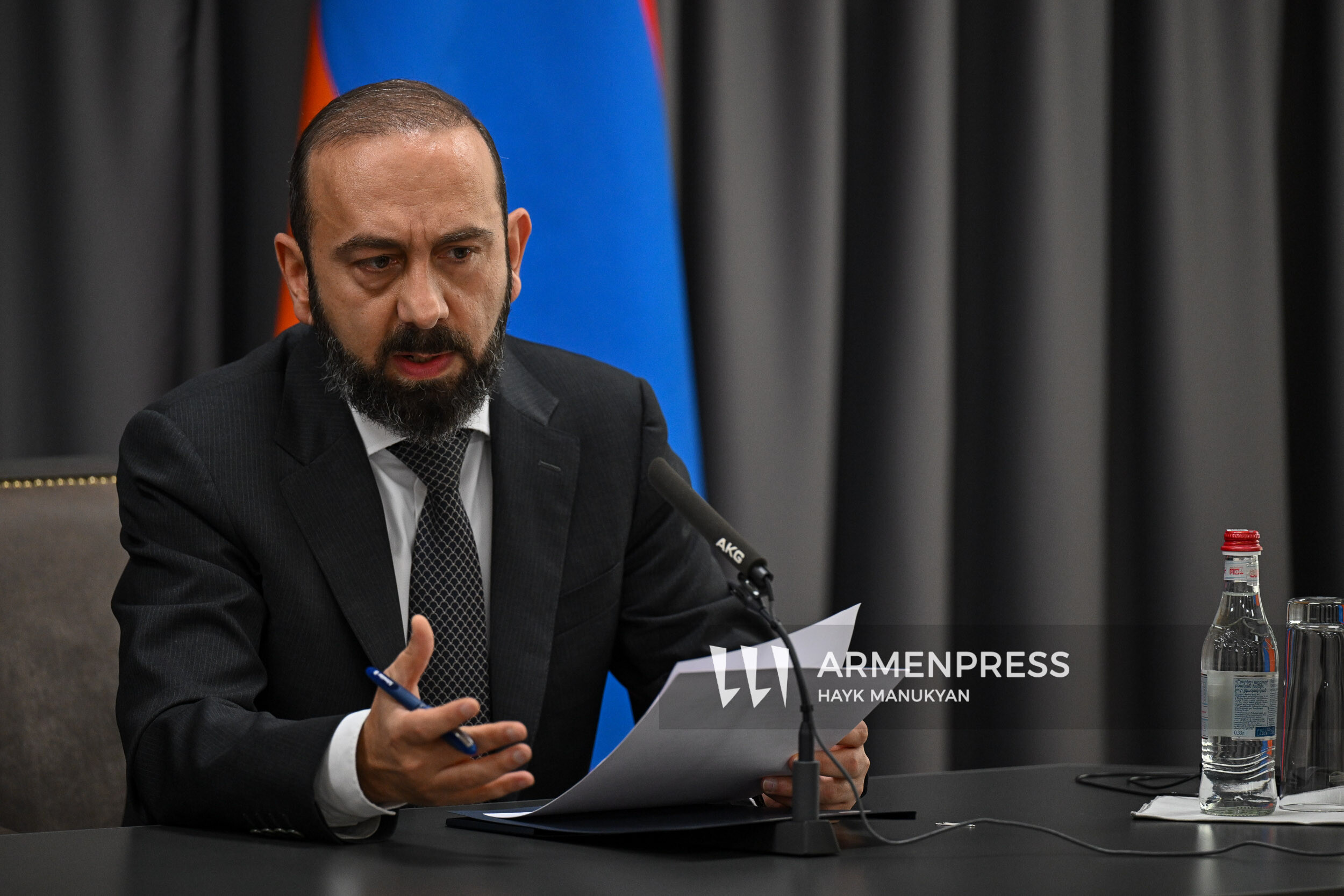
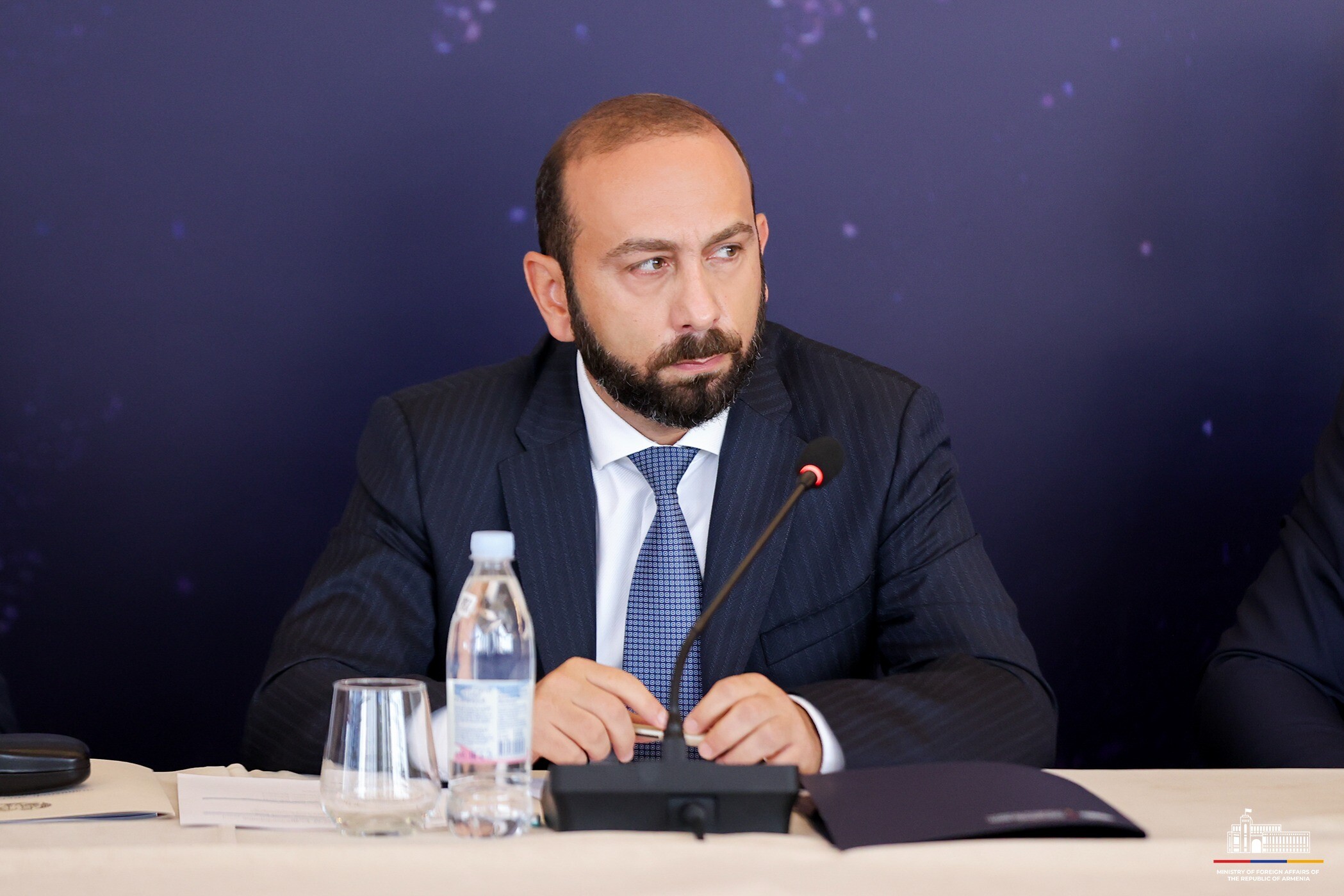
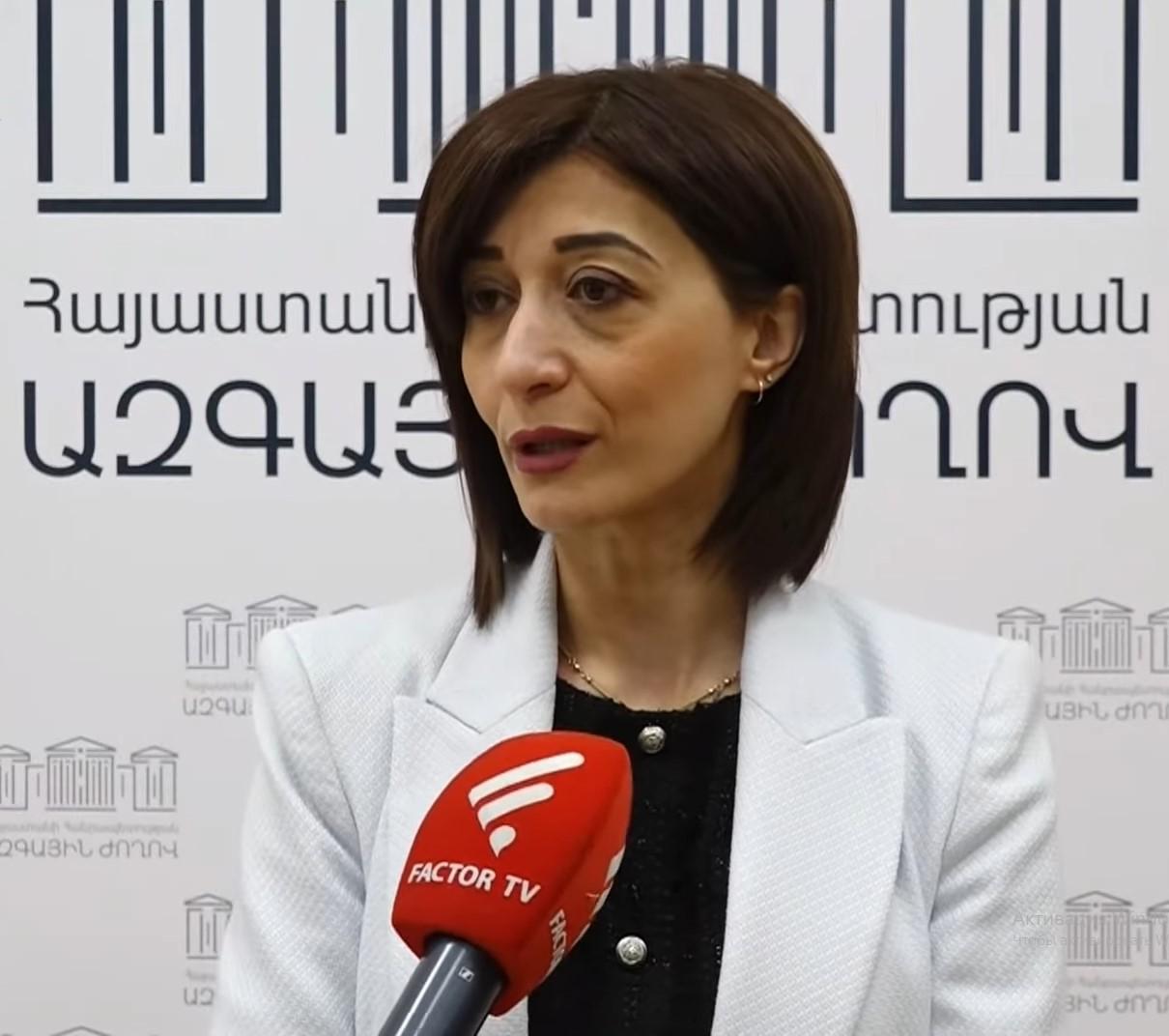
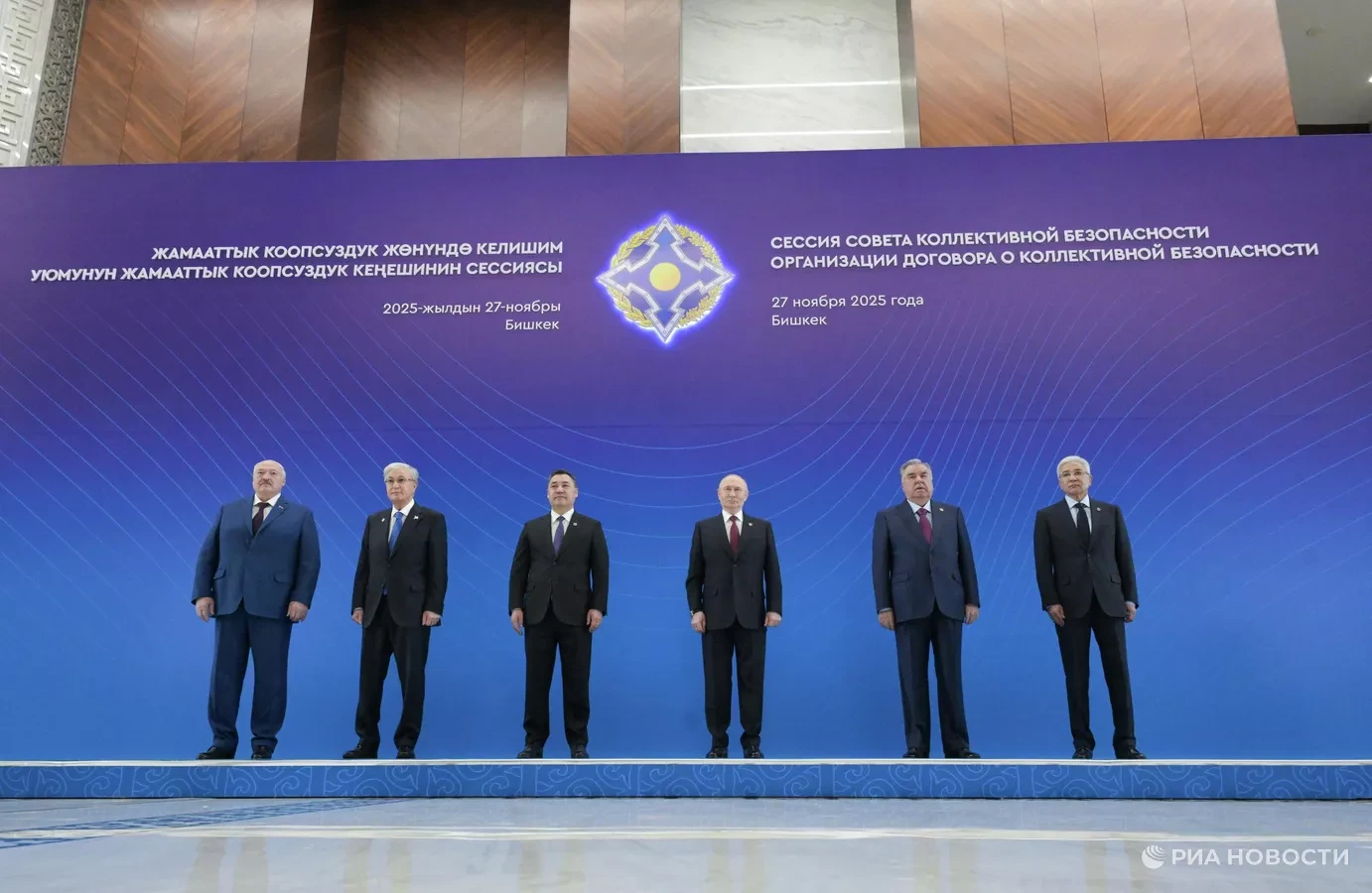
As of 2026, the Armenian political landscape is defined by a decisive pivot away from the Collective Security Treaty Organization (CSTO) and toward a diversified security architecture. Key figures such as Nikol Pashinyan, Ararat Mirzoyan, and Armen Grigoryan are actively restructuring Armenia’s defense procurement, diplomatic alliances, and border management to reduce reliance on Russian-led institutional frameworks.
The transition of Armenia from a loyal CSTO member to a state seeking "strategic autonomy" or "Western integration" did not occur in a vacuum. It was the result of a multi-year disillusionment with the treaty's efficacy following the 2020 Nagorno-Karabakh War and subsequent border incursions in 2021 and 2022. By 2026, the question is no longer whether Armenia will leave the CSTO, but how effectively its political leadership can fill the resulting security vacuum.
The Architect of the Pivot: Nikol Pashinyan
Prime Minister Nikol Pashinyan remains the central figure in Armenia's exit from the Russian security sphere. His administration’s rhetoric shifted from cautious criticism in 2022 to an outright "freezing" of participation by 2024, and eventually, the 2026 reality of total institutional detachment.
Pashinyan’s strategy is rooted in the "Crossroads of Peace" initiative, which envisions Armenia as a regional hub of connectivity rather than a military outpost for any single superpower. His role in shaping post-CSTO Armenia involves several critical maneuvers:
- Diversifying Defense Suppliers: Moving away from the 95% reliance on Russian arms that characterized the pre-2020 era. Under Pashinyan, Armenia has signed significant contracts with India (Pinaka multi-barrel rocket launchers) and France (GM200 radar systems and Mistral missiles).
- Ideological Framing: Pashinyan has successfully framed the CSTO as a "threat to Armenian sovereignty" rather than a protector. By 2026, this narrative has become a cornerstone of his party's domestic platform, arguing that the CSTO failed to act when Armenian sovereign territory was occupied.
- Constitutional and Structural Reform: The administration has worked to align Armenian military standards with those of Western partners, facilitating smoother joint exercises with the United States and the European Union.
The Diplomatic Vanguard: Ararat Mirzoyan and the Foreign Ministry
Foreign Minister Ararat Mirzoyan has been the primary operative in translating Pashinyan’s domestic shifts into international reality. His efforts in 2026 are focused on institutionalizing Armenia’s relationship with the West to provide a safety net that the CSTO failed to offer.
Engagement with the European Union
Mirzoyan’s tenure has been marked by the expansion of the European Union Mission in Armenia (EUMA). Initially a temporary civilian monitor, by 2026, the mission has become a permanent fixture on the border with Azerbaijan. Mirzoyan has argued that the presence of EU observers provides a "normative shield" that Russian peacekeepers were unable or unwilling to provide.
The Search for a New Strategic Partnership
Beyond the EU, Mirzoyan has spearheaded a deepening of ties with the United States. This includes elevated dialogues on "strategic partnership" which, while not a formal defense pact, provide Armenia with intelligence sharing and training opportunities previously reserved for NATO allies.
The Security Council Strategy: Armen Grigoryan
If Pashinyan is the voice and Mirzoyan is the diplomat, Secretary of the Security Council Armen Grigoryan is the technician of the CSTO exit. Grigoryan has been vocal about the technical failures of the CSTO, specifically citing the non-delivery of weapons already paid for by the Armenian state.
Grigoryan’s influence in 2026 is visible in:
- The Removal of Russian Border Guards: Following the 2024 withdrawal of Russian guards from Zvartnots Airport, Grigoryan has overseen the gradual replacement of Russian FSB units with Armenian border forces along the frontiers with Iran and Turkey.
- Intellectual Decoupling: He has led the effort to redefine Armenia’s "National Security Strategy," moving it away from the post-Soviet collective defense model toward a "Comprehensive Defense" model similar to those used by Finland or Singapore.
- Regional Balance: Grigoryan has maintained a delicate balance with Iran, ensuring that Armenia’s move toward the West does not alienate Tehran, which views Armenian territorial integrity as a "red line."
The Legislative Push: Alen Simonyan
As Speaker of the National Assembly, Alen Simonyan has been the legislative engine behind the CSTO departure. Simonyan was one of the first high-ranking officials to openly criticize Russian peacekeepers and CSTO leadership.
His role in shaping the post-CSTO era involves:
- Ratification of the Rome Statute: Despite intense pressure from Moscow, Simonyan’s parliament ratified the Rome Statute, making Armenia a member of the International Criminal Court (ICC). This act was a symbolic and legal declaration of independence from the Russian juridical sphere.
- Parliamentary Diplomacy: Simonyan has been active in the Inter-Parliamentary Union and other European forums, seeking to build a consensus that Armenia’s security is a matter of European interest.
The Opposition and the Traditionalist Dissent
The shift away from the CSTO is not without internal resistance. Opposition figures, primarily from the "Armenia Alliance" (led by Robert Kocharyan) and the "I Have Honor" bloc (associated with Serzh Sargsyan), argue that the post-CSTO path is a gamble with the country's existence.
These politicians represent the "Realpolitik" school of thought, which maintains that:
- Geography is Destiny: They argue that regardless of Western sympathy, Russia remains the only power capable of projecting force in the South Caucasus.
- Energy and Economy: They point to Armenia's dependence on Russian gas and the EAEU (Eurasian Economic Union) market as reasons why a total security break is suicidal.
- The Risk of Provocation: The opposition claims that by exiting the CSTO, Pashinyan is inviting an Azerbaijani or Turkish offensive by removing the Russian "deterrent," however flawed it may be.
Comparative Impact of Key Political Figures (2026 Context)
| Politician | Primary Role | Core Policy Action | Post-CSTO Strategic Goal |
|---|---|---|---|
| Nikol Pashinyan | Head of State | Diversification of Arms | Strategic Autonomy |
| Ararat Mirzoyan | Diplomacy | EU Integration / EUMA | Normative Security Shield |
| Armen Grigoryan | Security Strategy | Border Sovereignty / Intelligence Reform | Institutional Decoupling |
| Alen Simonyan | Legislation | ICC Membership / CSTO Freezing | Legal Sovereignty |
| Robert Kocharyan | Opposition | Criticizing "Western Proclivity" | Restoration of Russian Ties |
Challenges of a Post-CSTO Security Architecture
The politicians shaping this new era face three monumental challenges that will determine their legacy and the country's survival.
1. The "Gray Zone" Risk
The period between leaving a legacy alliance and securing new, binding security guarantees is often referred to as the "Gray Zone." As of 2026, Armenia does not have a "Mutual Defense Treaty" with France or the US. This leaves the country vulnerable to escalations by Baku, which may see a window of opportunity before Armenia’s new military equipment and training are fully operational.
2. Economic Retaliation
Russia has historically used economic levers—such as "health inspections" on Armenian agricultural exports or gas price hikes—to punish political pivots. The politicians in Yerevan must manage the transition to the Western security sphere without triggering an economic collapse that could lead to domestic unrest.
3. The Zangezur Corridor Pressure
Azerbaijan and Turkey continue to pressure Armenia for a corridor through Syunik. While the CSTO remained silent on this issue, the post-CSTO politicians are relying on Iranian diplomatic warnings and Western diplomatic pressure to prevent a forceful takeover of this strategic region.
Armenia’s New Security Partners
The pivot from the CSTO has led to the emergence of a "Quadrilateral" of unofficial support that Armenian politicians are cultivating:
- France: Providing high-end defensive technology and political advocacy within the UN Security Council.
- India: A reliable source of heavy weaponry and a partner that shares concerns over the "Turkey-Azerbaijan-Pakistan" axis.
- The United States: Offering institutional reform assistance, border security equipment, and military-to-military training.
- Iran: Serving as a physical barrier against territorial incursions in the south, despite Armenia's move toward Western political values.
Frequently Asked Questions
Has Armenia officially withdrawn from the CSTO by 2026?
As of early 2026, the Pashinyan administration has maintained a "de facto" withdrawal. While they have stopped attending meetings, contributing to the budget, and participating in military exercises, the final "de jure" exit (submitting a formal notice under Article 11 of the Collective Security Treaty) is a political tool being held for the right moment of leverage.
How has the Armenian military changed post-CSTO?
The military is undergoing a transition from the Soviet-standard "Deep Battle" doctrine to a more agile, NATO-style defense-in-depth approach. This includes the decentralization of command, the integration of advanced drone technology, and a focus on mountain warfare capabilities using French and Indian hardware.
Who is the most likely successor to the current pro-Western policy?
Currently, the policy is tied to the Civil Contract party. However, figures like Tigran Avinyan (Mayor of Yerevan) are seen as potential successors who would likely maintain the same Western-leaning trajectory while potentially being more technocratic and less populist than Pashinyan.
What is Russia's official stance on these politicians?
The Kremlin has labeled the current Armenian leadership as "unreliable" and has accused them of being proxies for Western interests. However, Moscow remains constrained by its ongoing focus on the Ukraine conflict, which has limited its ability to intervene directly in Armenian politics beyond economic pressure and media propaganda.
Can Armenia join NATO after leaving the CSTO?
While some politicians advocate for this, NATO membership remains unlikely in the near term due to the unresolved border disputes with Azerbaijan and the geographical reality of Turkey's role in the alliance. Instead, Armenian politicians are pursuing "Enhanced Partnership" status.
Practical Recommendations for Following Armenian Geopolitics
For analysts and observers monitoring the situation in 2026, the following actions are recommended:
- Monitor the Syunik Border: Any change in the presence of Armenian vs. Russian border guards is a primary indicator of the depth of the CSTO break.
- Follow Arms Procurement: The arrival of specific systems (like the Indian MR-SAM or French radar) signals a permanent shift in military logistics that cannot be easily reversed.
- Watch the EAEU vs. CSTO Split: Observe if Armenia remains in the Eurasian Economic Union while leaving the CSTO. This "hybrid" approach—staying in the economic bloc but leaving the military one—is the current goal of the Pashinyan administration.
- Evaluate Opposition Unified Movements: If the fragmented opposition manages to unite under a single charismatic figure (other than the former presidents), it could present a significant challenge to the post-CSTO trajectory.
The transition of Armenia's security orientation is one of the most significant geopolitical shifts in the post-Soviet space. The success or failure of the politicians mentioned above will determine whether Armenia becomes a model for small-state sovereignty or a cautionary tale of overextending in a volatile neighborhood.