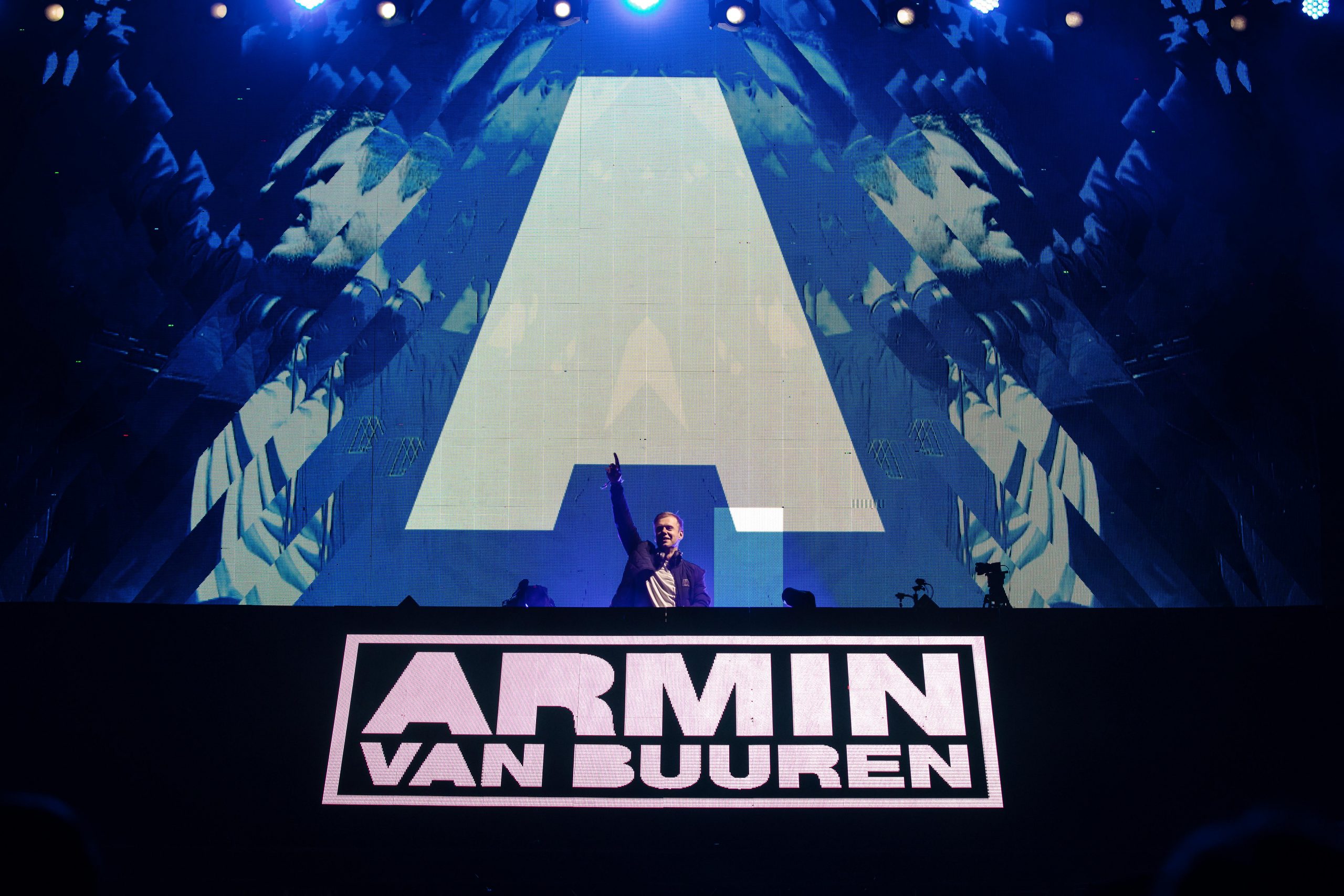
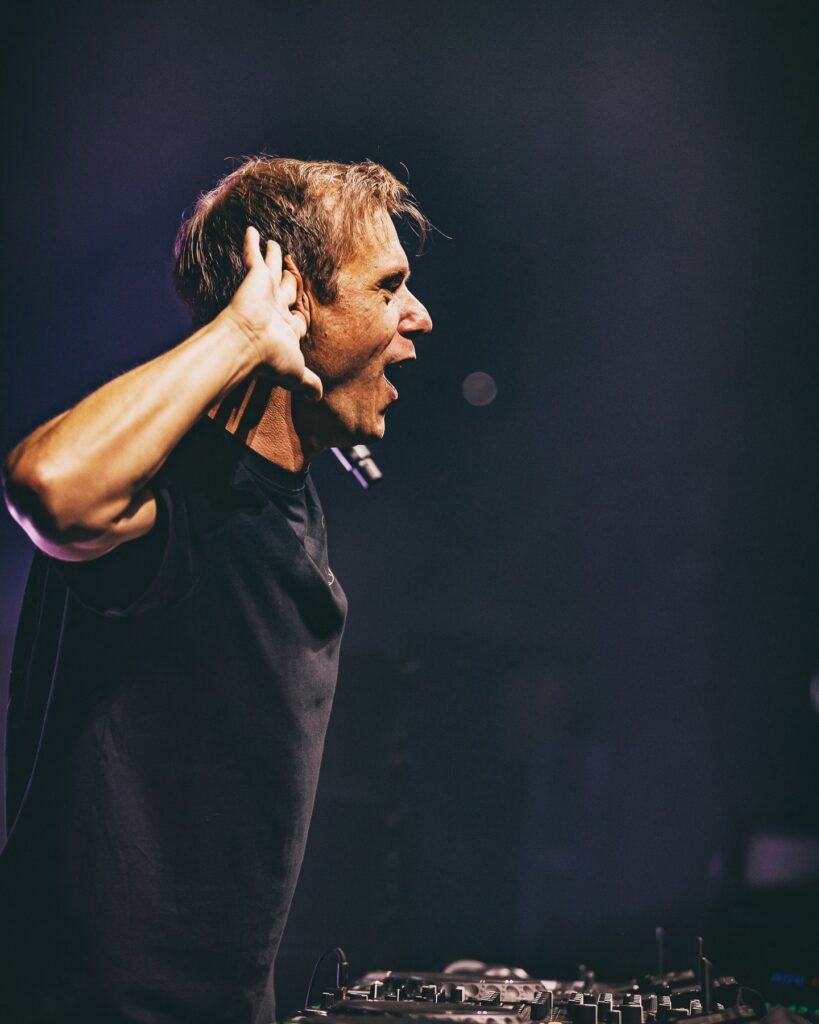
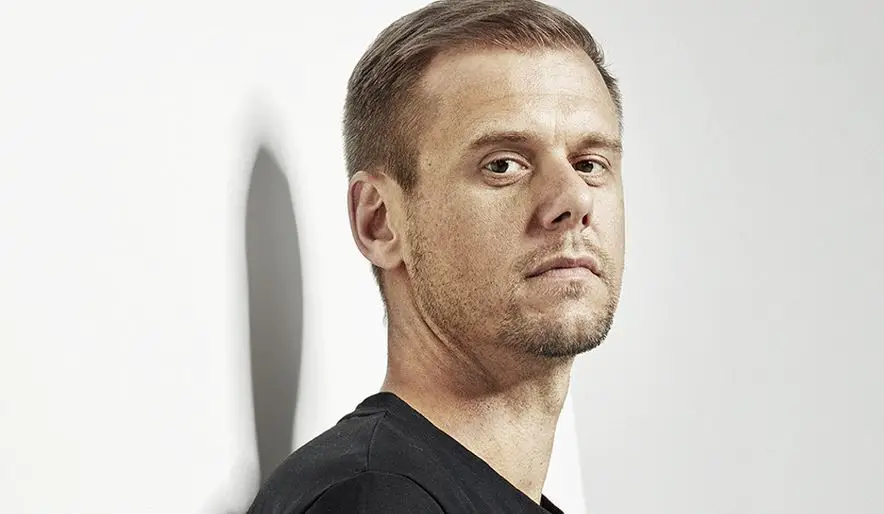
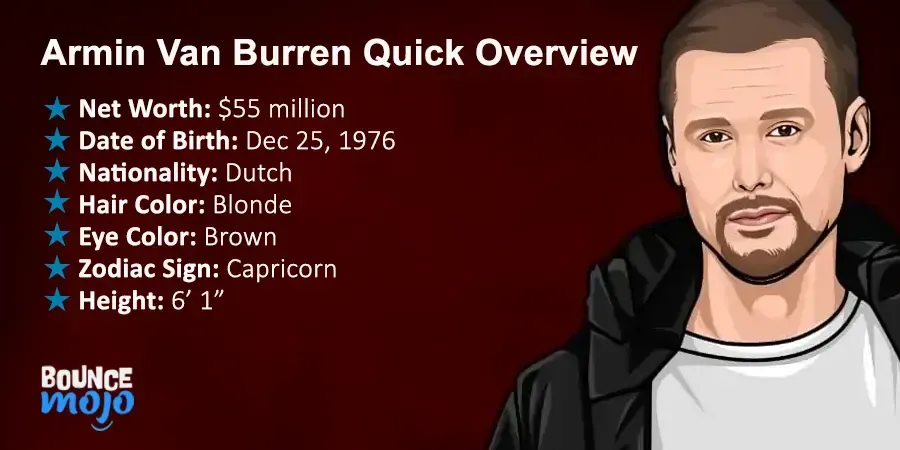
As of early 2026, Armin van Buuren’s estimated net worth is approximately $55 million to $60 million. This significant financial standing is the result of over twenty-five years of global touring, his co-ownership of Armada Music, and the massive commercial success of the "A State of Trance" brand and radio show.
To understand the financial trajectory of one of the world’s most successful DJs, one must look beyond simple performance fees. Armin van Buuren (often searched as Armin van Buren) has built a multi-faceted business empire that integrates content creation, event production, and intellectual property management. Unlike many artists who rely solely on the "next hit," Van Buuren has established a self-sustaining ecosystem that generates revenue regardless of his current chart positions.
The Pillars of Armin van Buuren’s Financial Success
Calculating the net worth of a high-tier electronic dance music (EDM) artist requires an analysis of multiple revenue streams. In 2026, these streams have matured, reflecting a shift from pure performance-based income to long-term asset management.
1. Global Touring and Live Performance Fees
For decades, the primary engine of Van Buuren’s wealth has been his rigorous touring schedule. Even in 2026, legacy trance artists remain in high demand for major festivals like Tomorrowland, Ultra Music Festival, and Electric Daisy Carnival (EDC).
- Festival Bookings: Top-tier DJs typically command fees ranging from $50,000 to over $150,000 per set, depending on the scale of the event and the artist's current ranking. Van Buuren’s status as a five-time "World's Number 1 DJ" ensures he remains at the upper end of this spectrum.
- Club Residencies: Historical residencies in high-revenue markets such as Las Vegas (Hakkasan Group) and Ibiza (Hï Ibiza) provide stable, recurring income. These contracts often include performance bonuses and travel stipends that further bolster the bottom line.
- Solo Shows: Large-scale "Armin Only" events are significant revenue generators. While these productions carry high overhead costs due to visuals, dancers, and live musicians, the ticket sales and merchandise revenue from 10,000 to 20,000-capacity venues yield high profit margins.
2. Armada Music: The Label Powerhouse
Perhaps the most critical component of Armin van Buuren’s long-term wealth is his role as a co-founder of Armada Music. Founded in 2003 alongside Maykel Piron and David Lewis, the label has grown into the world’s largest independent dance music label.
Armada Music represents a massive portfolio of sub-labels and artists, meaning Van Buuren earns not just from his own music, but from the success of hundreds of other producers. In an era where streaming dominates, owning a massive catalog of tracks is equivalent to owning high-value real estate. The label’s ability to license music for films, advertisements, and video games provides a steady stream of passive income that contributes heavily to his $60 million valuation in 2026.
3. A State of Trance (ASOT) Ecosystem
What started as a simple radio show has evolved into a global brand. The "A State of Trance" ecosystem generates revenue through several channels:
- Broadcasting Rights: The show reaches millions of listeners across more than 80 countries.
- Festival Hosting: ASOT-branded stages and dedicated multi-day festivals (such as those held in Utrecht or London) allow Van Buuren to act as a promoter as well as a performer.
- Compilation Albums: The annual ASOT compilation series remains a staple in the dance music market, consistently hitting the top of the dance charts and generating significant physical and digital sales.
Historical Context: From Law Student to Global Icon
Understanding Van Buuren's net worth requires looking at his career discipline. Unlike many of his peers, Armin completed a law degree at Leiden University while his career was taking off. This legal background has likely played a role in his business acumen, particularly regarding contract negotiations and the retention of master recording rights.
Throughout the 2010s, the "EDM Boom" saw artist fees skyrocket. Armin capitalized on this by diversifying his sound—moving occasionally from pure trance into "big room" and pop-leaning collaborations—which broadened his appeal to North American audiences. This expansion was vital for reaching the multi-million dollar net worth bracket, as it allowed him to headline mainstream festivals that previously ignored trance music.
Revenue Stream Comparison in 2026
The following table outlines the estimated distribution of Armin van Buuren's annual income sources as of 2026. Note that these are approximations based on industry standards for artists of his caliber.
| Revenue Source | Estimated Annual Contribution | Key Drivers |
|---|---|---|
| Live Performances | 45% - 55% | Festivals, Residencies, Solo Tours |
| Record Label Dividends | 20% - 25% | Armada Music equity, Distribution fees |
| Streaming & Royalties | 10% - 15% | Spotify, Apple Music, YouTube, ASCAP/BMI |
| ASOT Brand Licensing | 5% - 10% | Radio syndication, Event sponsorships |
| Brand Endorsements | 5% | Hardware partnerships (e.g., Philips), Apparel |
The Impact of Digital Streaming and Royalties
By 2026, the mechanics of music royalties have stabilized. Armin van Buuren’s discography is vast, with hundreds of singles and several full-length albums. On platforms like Spotify, he maintains millions of monthly listeners.
While individual stream payouts are low, the sheer volume of his catalog ensures a significant monthly payout. Furthermore, as a producer who often retains "writer" credits, he receives a portion of the mechanical and performance royalties. This "long-tail" revenue is essential for maintaining a high net worth during years when an artist might choose to tour less frequently.
Mastery of Intellectual Property
Van Buuren and the team at Armada have been pioneers in "catalog acquisition." By purchasing the rights to older dance classics, the label ensures that it profits from the nostalgia market and the placement of these tracks in modern media. As a partner in these ventures, Van Buuren’s net worth is tied to the overall valuation of the Armada Music Group, which has seen its market value increase as dance music becomes more integrated into mainstream culture.
Real Estate and Private Assets
While Van Buuren is known for a relatively modest lifestyle compared to the "rockstar" tropes of the industry, he has made strategic investments in real estate and production technology.
- Residential Property: He maintains a primary residence in the Netherlands, designed with a high-end, professional-grade recording studio.
- Studio Infrastructure: The "A State of Trance" studio in Amsterdam is a state-of-the-art facility that serves as a hub for both his creative work and the broadcasting of his weekly show.
- Private Travel: Like most top-tier DJs, Van Buuren frequently utilizes private aviation to manage his dense touring schedule, which is an operational expense but also a tool that allows for a higher volume of paid performances.
Strategic Brand Partnerships
Over the years, Armin has aligned himself with brands that reflect his technical and professional image. These partnerships are not merely "influencer ads" but often involve product development.
- Philips: Armin famously collaborated on the "A5-PRO" headphones, a professional-grade product that leveraged his brand to reach both DJs and audiophiles.
- Heineken: As a high-profile Dutch icon, his association with global Dutch brands like Heineken has provided lucrative sponsorship opportunities, particularly surrounding major Dutch events and King's Day celebrations.
- Software and Plugins: Collaborations with companies like LennarDigital (Sylenth1) or various DAW (Digital Audio Workstation) developers often include licensing fees or equity-based arrangements.
Challenges and Financial Resilience
Maintaining a net worth of $60 million in the volatile music industry is not without challenges. The "bubble" of EDM has been predicted to burst many times. However, Van Buuren’s focus on the "Trance" sub-genre—which has one of the most loyal fanbases in music—has shielded him from the fad-based fluctuations of the broader pop market.
In 2026, the cost of touring has increased due to logistics and energy prices. Armin has offset these costs by focusing on "quality over quantity," opting for larger, higher-paying residencies and festival appearances rather than exhaustive "bus tours." This strategic pivot preserves both his brand value and his profit margins.
Frequently Asked Questions
Is Armin van Buuren the richest DJ in the world?
No. While Armin van Buuren is incredibly wealthy, he generally ranks behind artists like Calvin Harris, Tiesto, and David Guetta. These artists often have higher net worths (exceeding $100 million) due to massive crossover pop hits and significant US-based radio play, which generates higher royalty tiers.
How much does Armin van Buuren make per year?
In a typical touring year leading up to 2026, his gross earnings are estimated to be between $10 million and $15 million. After taxes, management fees (usually 15-20%), and production costs, his net take-home pay remains substantial, contributing to his growing net worth.
Does he own 100% of Armada Music?
No. Armada Music was co-founded by Armin van Buuren, Maykel Piron, and David Lewis. While the exact equity split is private, Van Buuren is a significant shareholder. The label also received investment from companies like Providence Equity Partners in the past, which helped scale the business but shifted the ownership structure.
How did the pandemic affect his net worth?
While the 2020-2022 period halted touring revenue, Van Buuren’s net worth remained stable due to his ownership stake in Armada Music and the continued growth of streaming. He also pivoted to high-production virtual sets and increased his output of recorded music during this time.
What is the most profitable part of his business?
In terms of "active" income, live festival performances are the most profitable. However, in terms of "equity" and long-term wealth, his stake in Armada Music is considered his most valuable asset, as it represents a share of a massive, growing industry.
Final Thoughts and Next Actions
Armin van Buuren’s net worth in 2026 is a testament to the power of brand longevity and diversification. By moving beyond the role of a "performer" and becoming a "label head" and "media owner," he has secured a financial future that is not dependent on the whims of the music charts.
For those looking to understand the financial landscape of the music industry, Armin serves as a blueprint for professional conduct. His ability to balance a grueling tour schedule with the development of a global label (Armada) and a weekly media platform (ASOT) demonstrates that the highest earners in music are often those who own the infrastructure, not just the art.
If you are interested in the business of music, your next step should be to research the "Independent Label Group" model. Understanding how companies like Armada Music manage catalogs and distribution will provide a deeper insight into how modern music moguls build and sustain their wealth.