Armando Montelongo, the polarizing real estate mogul and former star of Flip This House, appeared on the CBS hit series Undercover Boss in Season 2, Episode 17. Disguised as "Chris," Montelongo went undercover within his own seminar and real estate company to identify operational inefficiencies and reconnect with the front-line employees driving his multimillion-dollar empire.
The Context of Armando Montelongo’s Undercover Journey
In 2011, when the episode originally aired, Armando Montelongo was at the height of his television fame. Having successfully transitioned from a house flipper in San Antonio to a national seminar leader, his business model relied heavily on high-energy events and a massive administrative backend. The primary goal of his appearance on Undercover Boss was to evaluate whether the aggressive, sales-driven culture of his corporate office was filtering down to the educational seminars that served as the face of his brand.
The episode stands as one of the more unique entries in the series because of the nature of the business. Unlike traditional manufacturing or retail companies, Montelongo’s business dealt in "information products" and real estate education. This created a specific set of challenges for an undercover executive, as the quality of the service was subjective and dependent on the emotional and financial investment of the students.
The Disguise and the Persona
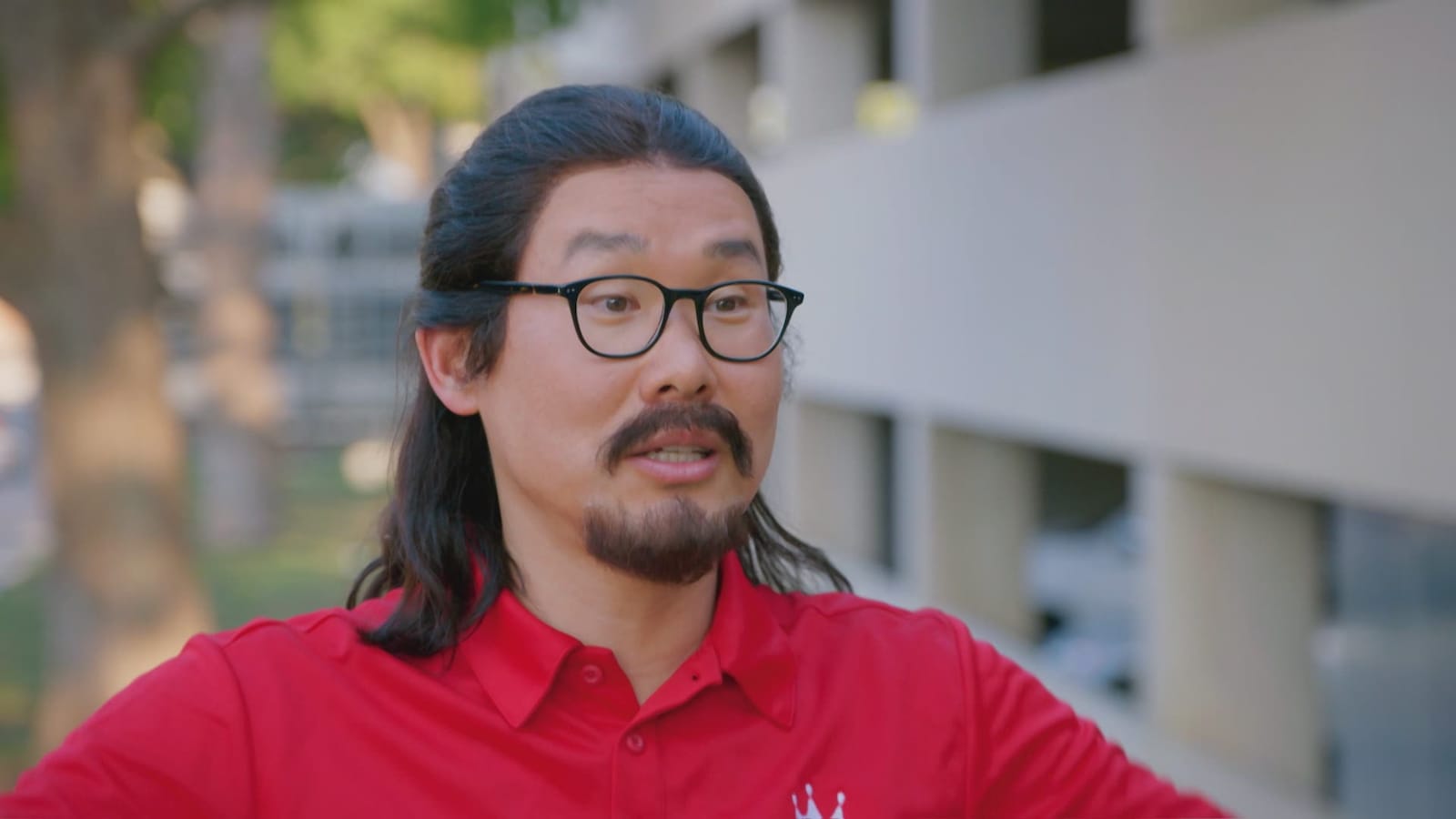
Armando’s transformation into "Chris" was significant. Known for his polished, high-end suits and meticulously groomed appearance, the show’s makeup artists equipped him with long, shaggy hair, a thick beard, and a more casual, "everyman" wardrobe. The disguise was intended to hide his identity from employees who saw his face daily on promotional materials and instructional videos.
Throughout the episode, Armando struggled with the physical and emotional demands of the entry-level roles. His persona as a man looking for a fresh start in the real estate industry allowed him to ask probing questions about employee satisfaction and corporate leadership without raising suspicion.
Key Operational Discoveries and Employee Interactions
The core of Undercover Boss lies in the interactions between the executive and the staff. Armando worked across several departments, including telemarketing, event coordination, and field operations. Each segment revealed a different facet of how his company operated away from his direct supervision.
The High-Pressure Sales Floor
One of the most revealing segments involved Armando working in the telemarketing and sales department. Here, he witnessed the relentless pace required to convert leads into seminar attendees. He observed the disconnect between the "dream" being sold to customers and the mechanical, often exhausting nature of the sales process. This experience highlighted the risk of employee burnout and the potential for a "churn and burn" culture that could eventually tarnish a personal brand.
Event Coordination with Angel
A standout moment in the episode featured Armando working with Angel, an event coordinator who managed the logistical chaos of the traveling seminars. Angel’s dedication to the students—and her ability to manage high-stress environments on a modest salary—deeply impacted Armando. He realized that while he was the "face" of the company, people like Angel were the backbone, ensuring that the promises made in marketing materials were physically realized in hotel ballrooms across the country.
Field Training and Student Interaction
Armando also spent time with mentors who taught students how to evaluate properties. This was a critical test of his "Student-First" philosophy. He discovered that while the curriculum was being followed, the nuances of local real estate markets were sometimes lost in the standardized corporate approach. This realization prompted him to consider how to better empower his field mentors to provide more localized, high-value advice.
Detailed Breakdown of the Undercover Boss Experience
The following table summarizes the primary tasks Armando performed and the key takeaways from each interaction.
| Department | Supervisor/Peer | Primary Task | Key Organizational Discovery |
|---|---|---|---|
| Event Operations | Angel | Setting up seminars and managing registration. | The extreme physical toll and long hours required for traveling staff. |
| Sales/Lead Gen | Amanda | Handling high-volume outbound calls to potential students. | The need for better emotional support for sales staff facing constant rejection. |
| Field Mentoring | Reyna | Evaluating distressed properties with seminar students. | A disconnect between corporate "best practices" and on-the-ground reality. |
| Customer Service | Various | Resolving student complaints and billing issues. | The friction caused by complex refund policies and high-ticket sales. |
The Reveal and the Financial Rewards
As is standard for the series, the episode concluded with Armando revealing his true identity to the employees he worked with. The "reveal" in the Montelongo episode was particularly emotional, as he addressed the personal struggles many of his staff members were facing, ranging from health issues to financial instability.
Individual Rewards and Corporate Changes
Armando provided significant financial gifts and career opportunities to the featured employees:
- Angel: Received a significant promotion and financial assistance to help with her family’s needs, acknowledging her as a vital asset to the company's logistical success.
- Amanda: Was given professional development opportunities and financial support to ease her burdens outside of work.
- Reyna: Received a bonus and more autonomy in her role as a field mentor.
Beyond individual rewards, Armando pledged to overhaul certain corporate policies. He aimed to improve communication between the San Antonio headquarters and the traveling seminar teams. He also expressed a desire to humanize the sales process, moving away from a purely transactional model to one that prioritized student outcomes.
Long-Term Impact and Controversies (2011–2026)
Writing from the perspective of 2026, it is essential to look at the legacy of this episode in the broader context of Armando Montelongo’s career. While the Undercover Boss appearance was a PR success in the short term, the years following the 2011 broadcast were marked by significant legal and regulatory challenges.
Regulatory Scrutiny and Business Evolution
In the mid-2010s, Montelongo’s business practices came under intense scrutiny from the Federal Trade Commission (FTC) and various state attorneys general. Thousands of former students alleged that the seminars were "get-rich-quick" schemes that provided little practical value for the high costs (often exceeding $50,000 for elite packages).
The transparency Armando sought during his time on Undercover Boss was often cited by critics as a staged attempt to soften a reputation that was already beginning to fray. However, supporters of the mogul pointed to the episode as evidence of his genuine care for his employees, even if his broader business model was subject to industry-wide criticism of the "wealth coaching" sector.
The Shift in Real Estate Education
By 2026, the real estate seminar industry has shifted significantly toward digital platforms and transparent, per-use subscription models. The high-ticket, hotel-ballroom seminar model seen in the Undercover Boss episode has largely been replaced by decentralized learning. Armando Montelongo Companies adapted to these changes, though the "Chris" persona and the lessons of 2011 remain a foundational part of the brand’s history, often used in retrospective marketing to show the "human side" of the founder.
Analyzing the "Undercover" Strategy in the Seminar Industry
The seminar industry is uniquely dependent on the charisma of its leader. For Armando Montelongo, going undercover was not just about finding a broken conveyor belt or a slow cashier; it was about protecting the integrity of a personal brand.
The Difficulty of Maintaining Quality at Scale
One of the technical takeaways from the episode was the difficulty of scaling a "personality-driven" business. When the product is the expertise of the founder, every employee acts as a proxy for that founder. Armando’s time on the sales floor and in the field showed that without constant reinforcement of the core values, the message can become diluted.
Employee Loyalty in a High-Turnover Sector
The real estate coaching industry often suffers from high employee turnover. The Undercover Boss experience highlighted that the key to retention in this sector is not just high commissions, but a sense of purpose. Employees like Angel stayed because they believed they were helping people change their lives, not just because they were collecting a paycheck. Armando’s realization of this fact led to a temporary shift in how he incentivized his mid-level management.
Frequently Asked Questions
Is Armando Montelongo still in business in 2026?
Yes, Armando Montelongo remains active in the real estate and investment education space. While his business model has evolved to include more digital assets and diverse investment vehicles, he continues to operate under the Armando Montelongo brand, leveraging his decades of experience in the flipping and seminar industries.
Was the Undercover Boss episode scripted?
Like most reality television, Undercover Boss uses a structured format to ensure compelling storytelling. While the emotional reactions and the specific employee stories are generally authentic, the "undercover" setups are carefully coordinated by the production team. Participants are told they are filming a different type of documentary to keep the boss's identity a secret.
What happened to Angel from the Armando Montelongo episode?
Following the episode, Angel received a promotion and continued to work with the company for several years. Her story remains one of the most cited examples of the "human impact" of the show, highlighting the challenges faced by single parents in high-demand corporate roles.
How did the FTC lawsuits affect Armando's reputation after the show?
The lawsuits filed in the years following the episode (notably around 2016 and 2020) created a significant PR challenge. Critics argued that the "benevolent boss" image portrayed on CBS was at odds with the experiences of students who felt misled by the seminars. However, the legal resolutions eventually allowed the company to continue operating with modified disclosure requirements.
Where can I watch the Armando Montelongo Undercover Boss episode today?
As of 2026, the episode (Season 2, Episode 17) is available through various streaming services that host CBS and Paramount+ archives. It is also frequently used as a case study in business management courses focusing on leadership and corporate culture.
Final Recommendation for Business Leaders
The Armando Montelongo episode of Undercover Boss serves as a vital reminder that regardless of the industry—be it manufacturing or high-ticket education—the distance between the executive suite and the front line is where most organizational failures occur.
For modern entrepreneurs in 2026, the lesson is clear: Regularly "go undercover" in your own operations. You do not need a camera crew or a Hollywood disguise to listen to your employees or shadow a sales call. Real-time feedback from those who interact with your customers is the most valuable data point an executive can possess. By identifying the "Angels" in your organization and supporting them, you build a resilient brand that can survive even the most intense public and regulatory scrutiny.