Arkansas Workers' Compensation Commission (AWCC) Rule 7 is the primary regulation establishing the Medical Fee Schedule for workers' compensation claims in the state. It dictates the maximum allowable reimbursement for medical, surgical, and hospital services provided to injured workers, ensuring that medical costs remain controlled while maintaining access to quality care.
For healthcare providers, legal professionals, and insurance carriers operating in 2026, understanding the intricacies of Rule 7 is essential for ensuring compliance, facilitating prompt payments, and navigating the dispute resolution process. This rule acts as the financial blueprint for the medical aspect of the workers' compensation system, balancing the needs of the injured employee with the financial sustainability of the employer's insurance framework.
The Statutory Authority and Purpose of Rule 7
Rule 7 is promulgated under the authority granted to the Arkansas Workers' Compensation Commission by the Arkansas General Assembly, specifically through Arkansas Code Annotated § 11-9-517. This statute mandates that the Commission adopt a medical fee schedule to limit the charges for medical services provided under the Workers' Compensation Act. The overarching goal of Rule 7 is "medical cost containment." By setting a ceiling on what providers can charge for specific treatments, the state prevents price gouging and ensures that the costs of the workers' compensation system remain predictable for businesses.
In practice, Rule 7 serves three main functions. First, it provides a standardized list of codes and maximum payment amounts for virtually every medical procedure imaginable. Second, it establishes the guidelines for billing and reporting, ensuring that carriers receive the information they need to verify the necessity of the treatment. Third, it provides the basis for the "Rule 30" dispute process, which is used when a provider believes they have been underpaid according to the Rule 7 schedule. In 2026, this rule continues to integrate closely with Medicare's Resource-Based Relative Value Scale (RBRVS) to maintain alignment with broader national healthcare trends.
Understanding the Medical Fee Schedule (MFS)
The heart of Rule 7 is the Medical Fee Schedule. This is not a static document but a dynamic framework that is periodically updated to reflect changes in medical technology and economic conditions. The schedule utilizes the Current Procedural Terminology (CPT) codes developed by the American Medical Association (AMA) as its foundational language. Every service, from a simple office visit to complex neurosurgery, is assigned a CPT code which then corresponds to a maximum allowable reimbursement amount.
Reimbursement calculations under Rule 7 generally follow a formula: (Relative Value Unit × Conversion Factor) = Maximum Allowable Payment.
The Relative Value Unit (RVU) reflects the resources required to perform the service, including the physician’s work, practice expenses, and malpractice insurance costs. The "Conversion Factor" is a dollar amount set by the AWCC that translates these units into actual currency. As of 2026, the Commission continues to monitor inflationary pressures to adjust this factor, ensuring that providers are fairly compensated for their services while preventing the runaway costs often seen in the private healthcare sector.
Scope of Coverage: Who and What Does Rule 7 Apply To?
Rule 7 is comprehensive, covering a wide array of medical entities and services. Its reach extends far beyond general practitioners to include specialized care and ancillary services. It is important to note that Rule 7 applies to all medical treatments rendered for a compensable injury, regardless of whether the provider is in-state or out-of-state, provided the claim is handled under Arkansas jurisdiction.
Physician and Professional Services
This category includes MDs, DOs, chiropractors, podiatrists, and optometrists. Rule 7 specifies that these professionals must bill using the appropriate CPT codes and include necessary modifiers (such as -25 for a significant, separately identifiable evaluation or -50 for bilateral procedures). The rule explicitly forbids "unbundling," which is the practice of billing separately for components of a procedure that should be included in a single global code.
Hospital and Institutional Care
Reimbursement for inpatient and outpatient hospital services is one of the most complex areas of Rule 7. For inpatient care, Arkansas often utilizes a system based on Diagnostic Related Groups (DRGs) or per diem rates. Rule 7 sets the parameters for how these "room and board" charges interact with specific surgical fees. Outpatient surgery centers are also bound by these schedules, with specific limits placed on facility fees that often differ from the fees paid for the same procedure performed in a physician's office.
Physical and Occupational Therapy
Given the frequency of musculoskeletal injuries in workers' compensation, therapy services are a major focus of Rule 7. The rule limits the number of units that can be billed per session and requires detailed documentation of the patient's progress to justify ongoing treatment. In 2026, the AWCC maintains strict oversight of "passive" modalities (like heat packs or ultrasound) versus "active" therapies (like therapeutic exercise), favoring the latter in its reimbursement structure.
Pharmacy, Supplies, and Durable Medical Equipment (DME)
The cost of prescription drugs and medical equipment (like braces, wheelchairs, or CPAP machines) is a significant component of many long-term claims. Rule 7 establishes specific formulas for these costs, typically based on the Average Wholesale Price (AWP) plus a professional dispensing fee for pharmaceuticals.
For DME, the rule generally adopts the Medicare "Healthcare Common Procedure Coding System" (HCPCS). Providers are often required to provide proof of purchase or invoices for high-cost items to ensure the "cost-plus" markup remains within the limits of the rule. In 2026, Rule 7 also addresses the rising use of specialty pharmacies and physician-dispensed medications, often capping these at the same rates as retail pharmacies to prevent excessive markups.
The Role of Form N and Reporting Requirements
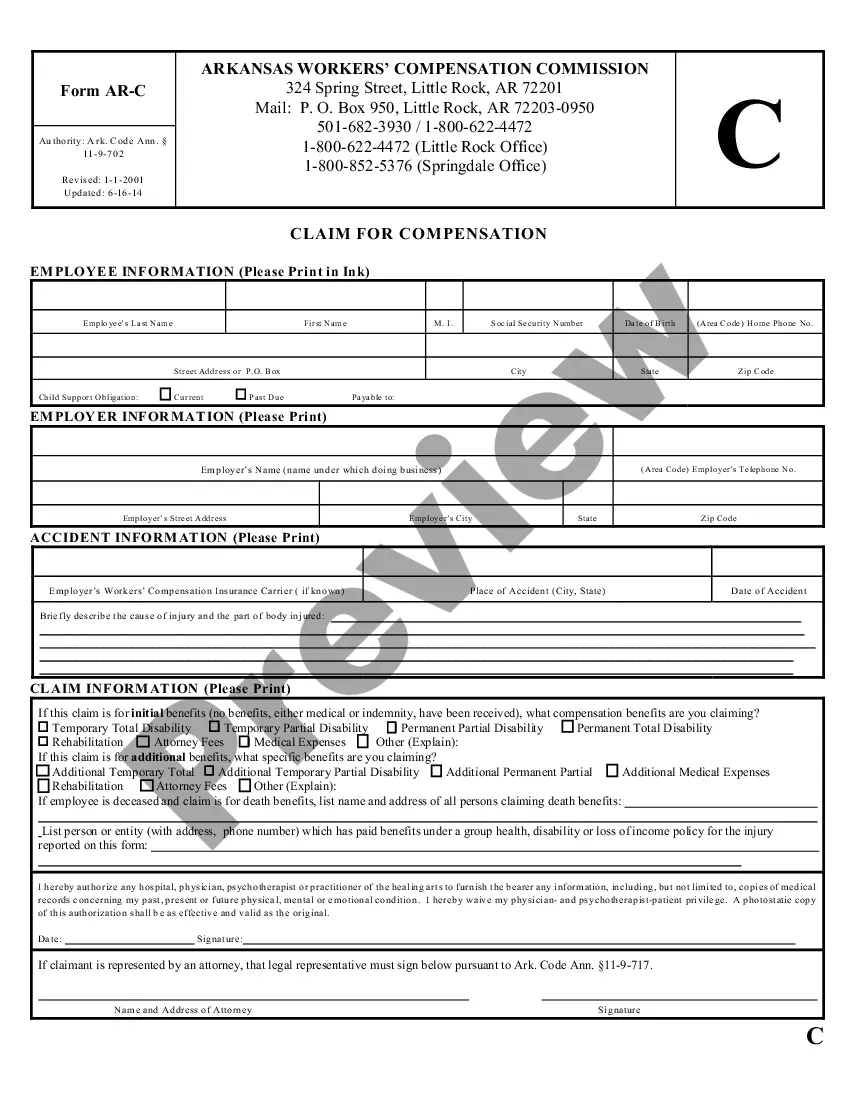
Rule 7 is not just about the amount paid; it is also about the documentation required to receive that payment. One of the most important administrative requirements is the submission of the AWCC Form N. This form serves as the official medical report and billing statement.
A provider must submit Form N (or an equivalent electronic version approved by the Commission) along with their itemized bill. Failure to provide a completed Form N can lead to a legitimate denial of payment by the insurance carrier. The form requires details such as:
- The date of injury and the nature of the accident.
- A clear diagnosis using ICD-10 codes.
- The patient’s current work status (e.g., total disability, light duty, or fit for full duty).
- The specific treatments provided and the plan for future care.
In the 2026 environment, electronic data interchange (EDI) has become the standard. Rule 7, in conjunction with Rule 33, mandates that carriers accept electronic billings, provided they meet the technical specifications set forth by the Commission.
Comparison of Reimbursement Methodologies Under Rule 7
The following table outlines how different categories of medical services are typically reimbursed under the Rule 7 framework as of 2026.
| Service Category | Primary Coding System | Reimbursement Basis | Key Constraint |
|---|---|---|---|
| Professional Services | CPT Codes | RVU × Arkansas Conversion Factor | No "unbundling" of codes allowed. |
| Inpatient Hospital | ICD-10 / DRG | Per Diem or DRG-based rates | Usually capped at a % of charges or fixed rate. |
| Outpatient Surgery | CPT / HCPCS | Facility Fee Schedule | Limits on "implants" and high-cost supplies. |
| Pharmaceuticals | NDC (National Drug Code) | AWP + Dispensing Fee | Generic substitution usually required. |
| Physical Therapy | CPT (Timed Codes) | Fee per 15-minute unit | Maximum units per visit limitations. |
| DME / Supplies | HCPCS | Medicare-based Fee Schedule | Evidence of "invoice cost" often required. |
Dispute Resolution: What Happens When Payments Are Late or Incorrect?
Disputes regarding Rule 7 often arise when a carrier "down-codes" a procedure or when a provider believes the carrier has ignored the clear mandates of the fee schedule. These disputes are generally handled through AWCC Rule 30, which establishes the Medical Cost Containment Department's role in mediation.
If a provider is underpaid, they must first attempt to resolve the issue directly with the carrier. If this fail, they can file a request for administrative review with the AWCC. The Commission's medical staff will then review the billing, the medical records, and Rule 7 guidelines to issue a "Preliminary Recommendation." If either party disagrees with this recommendation, the case can proceed to a full hearing before an Administrative Law Judge.
It is a violation of Rule 7 for a provider to "balance bill" an injured worker. This means that if the Commission rules that a doctor is only entitled to $200 for a service, even if the doctor’s standard rate is $500, the doctor cannot seek the remaining $300 from the patient. The patient is protected from all medical costs associated with a compensable injury.
Common Pitfalls and Compliance Strategies
For insurance adjusters and medical billers, several common mistakes can lead to penalties or delayed treatments. Avoiding these pitfalls is critical for smooth operation within the Arkansas system.
- Incorrect Modifier Usage: Many bills are rejected because a provider used a modifier that is not recognized by Rule 7 or failed to provide the documentation to support a "complexity" modifier.
- Timeliness of Filing: Providers generally have a limited window to submit bills. If a bill is submitted years after the service, it may be denied as untimely, regardless of its accuracy.
- Incomplete Form N: As mentioned previously, the Form N is the "passkey" for payment. Missing signatures or vague work status descriptions are the leading causes of administrative delays.
- Failure to Verify Compensability: Rule 7 only applies to compensable claims. If a claim is controverted (denied) by the employer, the provider may have to seek payment from the patient's private health insurance until the AWCC makes a final ruling on the claim's status.
Frequently Asked Questions
What is the Arkansas Conversion Factor for 2026?
The conversion factor is a specific dollar value used to multiply the RVUs of a CPT code. While the exact figure is updated by the AWCC through administrative orders, it generally hovers around a rate that is competitive with Medicare but adjusted for the higher administrative burdens of the workers' compensation system. You can find the current 2026 figure on the official AWCC website.
Can a provider charge more than the Rule 7 amount if the surgery was very difficult?
Generally, no. Rule 7 is a "maximum allowable" schedule. However, certain CPT modifiers (like -22 for increased procedural services) allow for a higher reimbursement if the provider submits a detailed operative report proving that the service was significantly more difficult than a standard procedure. These are reviewed on a case-by-case basis.
Does Rule 7 apply to telehealth services in 2026?
Yes. Following the expansion of telehealth, the AWCC integrated specific telehealth codes and modifiers into Rule 7. Reimbursement for telehealth is typically parity-based, meaning providers receive the same rate for a virtual visit as an in-person visit, provided the service meets the clinical requirements for remote delivery.
What should an injured worker do if they receive a bill for a workers' comp injury?
The worker should immediately notify their attorney (if they have one) and the insurance carrier. They should not pay the bill. Under Arkansas law, once a claim is accepted as compensable, the provider is prohibited from seeking payment from the employee. The worker can provide the doctor's office with the claim number and the carrier’s contact information to redirect the billing.
Are there exceptions to the fee schedule for emergency care?
While emergency stabilization must be provided regardless of fee schedules, the eventual reimbursement for that emergency care still falls under Rule 7 guidelines. Hospitals and emergency physicians are expected to bill according to the schedule, though some "out-of-network" protections may apply if the carrier has a specific managed care contract.
Practical Recommendations for Stakeholders
For Healthcare Providers, the best practice in 2026 is to utilize automated billing software that is specifically updated for the Arkansas Workers' Compensation Commission's latest RBRVS values. Ensure that your clinical staff is trained on the importance of the Form N, as a lack of clinical detail is the most common reason for payment denial.
For Insurance Carriers and TPAs, maintaining a robust bill review process is essential. While Rule 7 protects you from overcharging, errors in the bill review software can lead to "under-payments" that trigger Rule 30 disputes, which are costly and time-consuming. Regular audits of bill review vendors are recommended to ensure they are applying the current 2026 Arkansas-specific conversion factors rather than generic national averages.
For Injured Workers, your role is primarily one of communication. Ensure every doctor you see knows your injury is a workers' compensation case from the very first visit. This prevents the billing from being sent to the wrong place and ensures that your medical records are formatted as required by Rule 7.
Professional-Advice Limitation: This article is provided for informational purposes only and does not constitute legal or professional medical billing advice. Arkansas Workers' Compensation rules are subject to change by legislative action or Commission orders. Always consult with a qualified attorney or a certified coding specialist regarding specific claims or legal compliance.