As of 2026, Arkansas maintains its position as the 33rd most populous state in the United States, with an estimated population of approximately 3.08 million residents. This ranking reflects a period of modest but consistent growth driven primarily by a booming corporate sector in the northwest and a low cost of living that attracts domestic migrants. While Arkansas remains mid-sized compared to giants like Texas or California, its demographic shifts reveal a state undergoing a significant internal transformation between its rural roots and emerging urban centers.
Historical Context: Arkansas’s Path to 33rd
Arkansas has historically been a state defined by its geography and its agricultural output. For much of the early 20th century, the state’s population growth mirrored the national average, but it faced stagnation during the mid-century period due to the mechanization of farming and the "Great Migration," which saw many residents move to industrial hubs in the North and West.
By the 1970s and 80s, the trend began to reverse. The rise of global corporations headquartered in the state—most notably Walmart, Tyson Foods, and J.B. Hunt—created a new economic floor. This corporate presence necessitated a professional workforce, leading to a steady influx of residents from other states. By the 2010 census, Arkansas had solidified its position in the bottom half of the top 40 states. In the years leading up to 2026, the state has managed to hold onto the 33rd spot, successfully fending off a drop in rank by outpacing the slower growth or decline seen in neighboring states like Mississippi and West Virginia.
Comparing Arkansas to the National Landscape
To understand why Arkansas sits at 33rd, it is essential to look at the states immediately surrounding it in the rankings. The competition for population share in the mid-tier of U.S. states is often dictated by regional economic shifts and migration patterns.
| State Rank (2026 Est.) | State | Estimated Population | Primary Growth Driver |
|---|---|---|---|
| 31 | Iowa | 3,240,000 | Ag-Tech and Manufacturing |
| 32 | Nevada | 3,210,000 | Tourism and Tech Spillovers |
| 33 | Arkansas | 3,085,000 | Corporate HQ and Low Cost of Living |
| 34 | Mississippi | 2,920,000 | Agriculture and Gaming |
| 35 | Kansas | 2,890,000 | Aerospace and Agriculture |
Arkansas’s 33rd-place ranking is a "bridge" position. It is large enough to maintain four Congressional districts and a significant presence in regional politics, yet it remains small enough to avoid the intense infrastructure strain and high taxation seen in the nation's top 10 most populous states. In 2026, the gap between Arkansas and Nevada (32nd) has widened slightly as Nevada continues to absorb "equity refugees" from California, while the gap between Arkansas and Mississippi (34th) has also grown, as Arkansas proves more successful at retaining its younger workforce.
The Tale of Two Arkansases: Regional Growth Divergence
The 33rd-place ranking tells an incomplete story if one does not look at the internal movement of people within the state. Arkansas is currently experiencing a "great divergence" where some counties are among the fastest-growing in the nation, while others face a steady decline.
The Northwest Arkansas (NWA) Engine
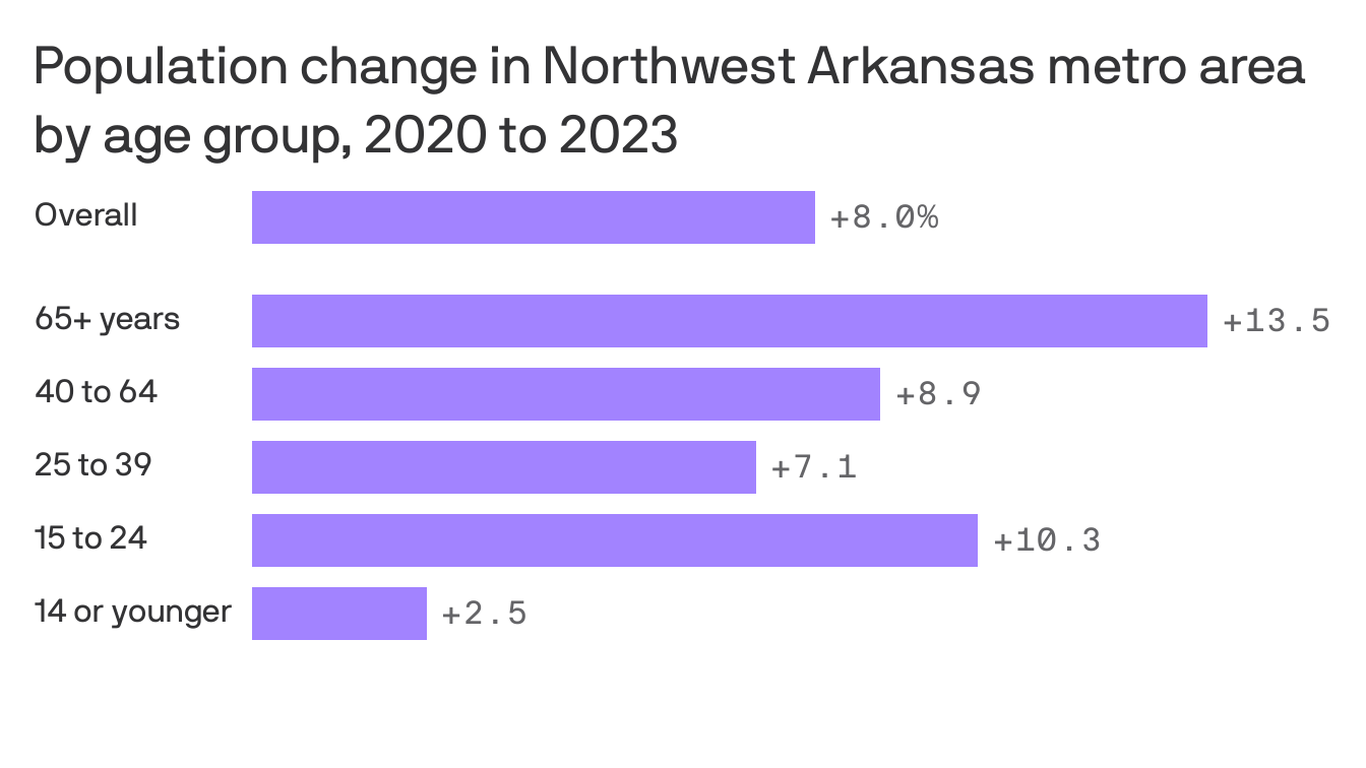
The Northwest corner of the state, encompassing Benton and Washington counties, is the primary reason Arkansas hasn't slipped further down the rankings. Cities like Bentonville, Fayetteville, Rogers, and Springdale have seen double-digit growth rates over the last decade.
The presence of the University of Arkansas and the headquarters of three Fortune 500 companies creates a unique ecosystem. In 2026, NWA is no longer just a "company town" region; it has matured into a cultural and technological hub. The investment in quality-of-life amenities—such as the expansive Razorback Regional Greenway and world-class museums like Crystal Bridges—has made the region a destination for remote workers and young professionals who are priced out of coastal markets.
The Delta and Rural Decline
In stark contrast to the Northwest, the Mississippi Delta region in Eastern Arkansas continues to lose population. This area, which was once the economic heart of the state due to cotton and rice production, has struggled with the automation of agriculture and a lack of industrial diversification. As younger generations move to Little Rock or out of state for higher-paying service and tech jobs, the Delta faces a shrinking tax base and aging infrastructure. This internal migration doesn't change the state's overall ranking of 33rd, but it shifts the political and economic power within the state's borders.
Stability in Central Arkansas
The Little Rock-North Little Rock-Conway metropolitan area remains the state's most populous region. As the state capital, Little Rock provides a stable base of government employment, healthcare, and legal services. While it does not experience the explosive growth of the Northwest, Central Arkansas serves as a steadying force for the state’s population statistics, maintaining a consistent 1-2% growth rate that keeps the state competitive in national rankings.
Economic Factors Influencing the 33rd Ranking
Population rank is often a lagging indicator of economic health. For Arkansas, several key economic factors are currently supporting its 33rd-place position in 2026.
1. Housing Affordability: One of Arkansas’s strongest draws is its housing market. Even with the inflationary pressures of the mid-2020s, the median home price in Arkansas remains significantly lower than the national average. This affordability is a major pull factor for families in the Midwest and South who are looking to maximize their purchasing power.
2. The "Natural State" Branding: Post-2020, there was a documented shift toward "outdoor-centric" living. Arkansas utilized its "Natural State" moniker to recruit retirees and outdoor enthusiasts. The expansion of mountain biking trails in the Ozarks and the preservation of the Buffalo National River have turned tourism into a permanent residency pipeline.
3. Incentivized Migration: Following the lead of states like Oklahoma, certain regions in Arkansas (notably the Northwest) have experimented with "remote worker grants," offering financial incentives for high-earning professionals to relocate. These programs have successfully brought in thousands of residents who contribute to the local tax base without requiring local job creation.
Demographic Breakdown and Diversity in 2026
The Arkansas of 2026 is more diverse than it was twenty years ago, a factor that contributes to its steady population growth. The Hispanic and Latino population has grown significantly, particularly in the Northwest and the Arkansas River Valley, where they play a vital role in the poultry processing and construction industries.
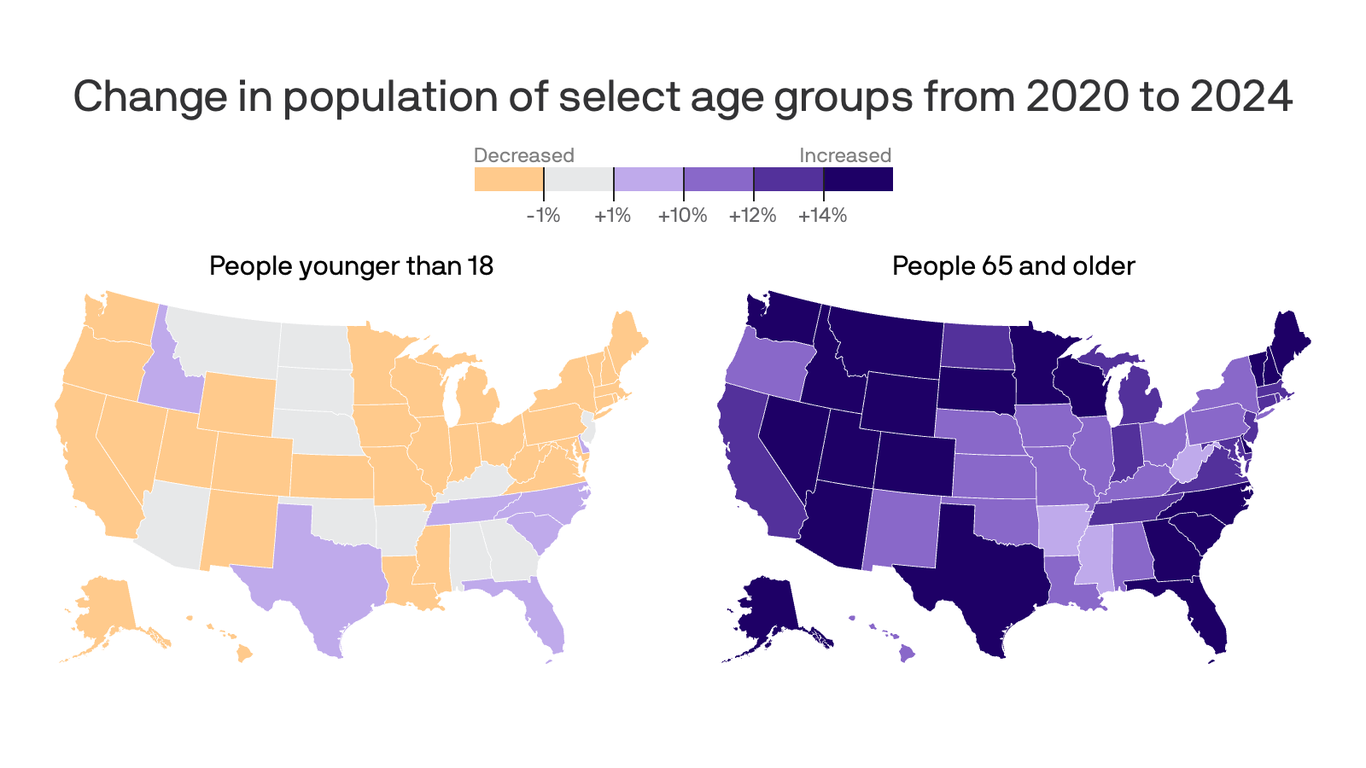
Furthermore, the state has seen a modest increase in international migration. While not a primary gateway like Florida or Texas, Arkansas’s universities and medical centers (such as UAMS) attract a global cohort of researchers and students. The aging of the "Baby Boomer" generation also plays a role; while Arkansas is a popular retirement destination, it faces the same demographic "silver tsunami" as the rest of the country, where natural increase (births minus deaths) is slowing, making net migration the primary driver of the 33rd-place ranking.
Political and Federal Implications
Ranking 33rd in population has tangible consequences for the state’s influence in Washington D.C. and its share of federal resources.
- Congressional Apportionment: Arkansas currently holds four seats in the U.S. House of Representatives. Based on 2026 projections, the state is in no danger of losing a seat in the 2030 census, but it is also unlikely to gain one. It remains a "solid" four-seat state, which provides it with a reliable, albeit modest, level of influence in federal legislation.
- Federal Funding: Many federal programs, including Medicaid, highway funding, and educational grants, are distributed based on per-capita formulas. Maintaining the 33rd rank ensures that Arkansas receives a predictable flow of billions of dollars in federal aid, which is crucial for a state with significant rural infrastructure needs.
- Electoral College: Arkansas carries six electoral votes (two for its Senators and four for its House members). In a polarized political climate, these six votes are part of a reliable "red" bloc, though the urban growth in the Northwest and Central regions is beginning to introduce new nuances into the state's political discourse.
Challenges to Future Growth
While Arkansas is currently stable at 33rd, several headwinds could threaten its growth trajectory toward the 2030s.
- Workforce Development: While corporate HQs attract high-level talent, the state still struggles with overall educational attainment levels. To move up in rank—or even maintain its current spot—Arkansas must improve its "homegrown" talent pool to meet the needs of an increasingly digital economy.
- Healthcare Access: Rural Arkansas faces a crisis in hospital closures and a shortage of primary care physicians. If the state cannot provide adequate healthcare in its rural and Delta regions, the out-migration from those areas may eventually outweigh the gains in the urban corridors.
- Infrastructure Strain: The rapid growth in Northwest Arkansas has led to traffic congestion and a shortage of affordable multi-family housing. If the infrastructure does not keep pace with the influx of people, the region’s "low cost of living" advantage could erode, slowing the state’s overall growth.
FAQs About Arkansas’s Population Rank
Is Arkansas growing faster than the national average?
As of 2026, Arkansas’s growth rate is roughly on par with the national average, at approximately 0.4% to 0.6% annually. However, this varies wildly by region; Northwest Arkansas is growing much faster than the national average, while the Delta is experiencing a population decline.
Which city is responsible for most of Arkansas’s growth?
Bentonville and Fayetteville are currently the primary drivers of growth. However, Little Rock remains the largest city by a significant margin. The "suburbanization" of towns like Conway and Rogers also contributes heavily to the state's total numbers.
Could Arkansas lose its 33rd-place spot soon?
It is unlikely in the immediate future. The states behind Arkansas, such as Mississippi and Kansas, are experiencing slower growth or stagnation. The state most likely to challenge Arkansas for a spot in the future would be Utah or Iowa, depending on their respective tech and industrial booms.
How does Arkansas's population density compare to other states?
Despite being 33rd in total population, Arkansas is relatively sparsely populated, ranking in the bottom half of states for population density. This is due to its large land area and significant portions of protected forest and mountainous terrain.
What is the projected population of Arkansas by 2030?
Current estimates suggest Arkansas will reach approximately 3.15 to 3.2 million residents by the 2030 Census, likely maintaining its 33rd or 34th place ranking depending on the growth of Western states.
Summary and Next Actions for Residents and Investors
Arkansas’s status as the 33rd most populous state in 2026 is a testament to its resilience and its ability to reinvent its economy. For individuals considering a move to the state, the data suggests that the Northwest and Central regions offer the most robust economic opportunities and infrastructure.
For investors and policy-makers, the focus should remain on bridging the gap between the booming urban corridors and the struggling rural regions. Addressing healthcare disparities and improving high-speed internet access in the Delta will be essential to ensuring that Arkansas’s growth is sustainable and that it retains its competitive position in the American South. Whether you are a business owner looking for a low-tax environment or a family seeking a higher quality of life, Arkansas’s "mid-sized" status offers a unique balance of opportunity and community that is increasingly rare in more densely populated states.