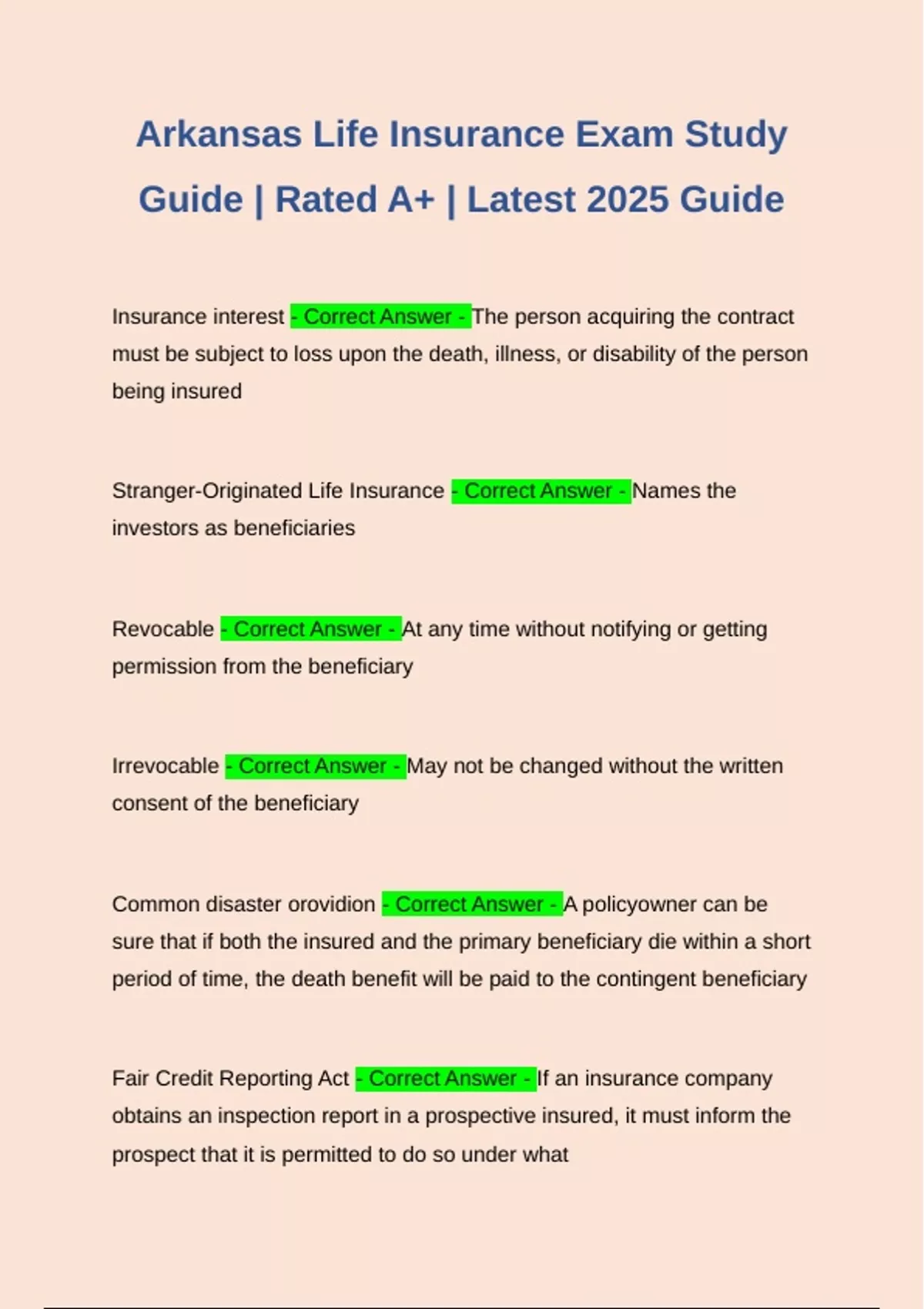
Arkansas life insurance serves as a critical financial safety net, providing beneficiaries with a tax-free death benefit regulated by the Arkansas Insurance Department. Policyholders in the Natural State benefit from specific legal protections, including a 31-day grace period for missed payments and a state-backed guaranty association that secures up to $300,000 in death benefits per individual.
Choosing life insurance in Arkansas requires a blend of understanding state-specific statutes and evaluating the financial landscape of 2026. Whether you are a resident of Little Rock, Fayetteville, or the rural Delta, your insurance needs are dictated by your family’s long-term financial goals, your current health profile, and the legal framework established by Arkansas Code. This guide explores the nuances of policy types, the impact of state law on your coverage, and the practical steps to securing the most competitive rates available this year.
The Regulatory Framework: Arkansas Insurance Department
Life insurance in Arkansas is overseen by the Arkansas Insurance Department (AID). This regulatory body is responsible for licensing insurance companies, overseeing the conduct of agents, and ensuring that policies sold within the state adhere to strict consumer protection laws.
The Arkansas Life and Health Insurance Guaranty Association
One of the most vital components of the Arkansas insurance market is the Arkansas Life and Health Insurance Guaranty Association. As of 2026, this association provides a safety net for policyholders if their insurance provider becomes insolvent or cannot fulfill its financial obligations.
The coverage limits provided by the association are generally as follows:
- $300,000 in life insurance death benefits.
- $100,000 in net cash surrender and net cash withdrawal values for life insurance.
- $250,000 in the present value of annuity benefits.
It is important to note that these limits apply per person, regardless of how many policies they have with the failing company. This protection ensures that even in the rare event of a corporate failure, Arkansas families are not left entirely without recourse.
Key Arkansas Life Insurance Laws and Consumer Protections
Arkansas state law provides several mandatory protections that are written into every life insurance contract sold in the state. These regulations are designed to prevent unfair cancellations and ensure transparency between the insurer and the insured.
The 31-Day Grace Period
Arkansas Code mandates a 31-day grace period for all life insurance policies. If a policyholder fails to pay their premium by the due date, the insurance company cannot immediately terminate the coverage. Instead, the policy remains active for 31 days. If the insured individual passes away during this window, the insurer is required to pay the death benefit, though they may deduct the overdue premium from the final payout.
The Incontestability Clause
After a policy has been in force for two years, it becomes "incontestable" under Arkansas law. During the first two years, an insurer can investigate the application for material misrepresentations and potentially deny a claim if fraud is discovered. However, once the two-year mark passes (the contestability period), the insurer must pay the claim regardless of errors in the application, except in very specific cases involving extreme fraud or non-payment of premiums.
Misstatement of Age or Gender
If an applicant accidentally misstates their age or gender on their application, Arkansas law prevents the insurer from simply canceling the policy. Instead, the insurance company must adjust the death benefit to reflect what the premiums would have purchased had the correct information been provided.
Prompt Payout and Interest
In Arkansas, insurers are expected to settle death claims promptly once they receive proof of death. If there is a significant delay in the payout, state law typically requires the insurer to pay interest on the death benefit, starting from the date of the claim submission or the date of death, depending on the specific policy language and state guidelines.
Types of Life Insurance Available in Arkansas
Understanding the difference between policy types is the most significant step in tailoring a plan to your financial needs. In 2026, the Arkansas market offers a variety of products ranging from simple temporary coverage to complex investment-linked accounts.
Term Life Insurance
Term life insurance remains the most popular choice for Arkansas families due to its affordability. It provides coverage for a specific period, such as 10, 20, or 30 years.
- Suitability: Ideal for replacing income during working years, covering a mortgage, or ensuring children's education funds are available.
- Cost: Generally provides the highest death benefit for the lowest initial premium.
- Limitations: If the insured survives the term, the policy expires without value, though many Arkansas policies include a "conversion rider" allowing the holder to switch to a permanent policy without a new medical exam.
Whole Life Insurance
Whole life is a form of permanent insurance that lasts for the duration of the insured’s life, provided premiums are paid.
- Cash Value: A portion of each premium goes into a cash value account that grows at a guaranteed rate.
- Stability: The premiums are fixed and will never increase, regardless of the insured's age or declining health.
- Arkansas Perspective: Often used by residents for final expense planning or as a component of an estate plan to provide liquidity for heirs.
Universal Life (UL) Insurance
Universal life insurance offers more flexibility than whole life. It allows policyholders to adjust their premiums and death benefits as their financial situation changes.
- Indexed Universal Life (IUL): Popular in 2026, IULs link the cash value growth to a market index, such as the S&P 500, while providing a floor to protect against market losses.
- Variable Universal Life (VUL): These policies allow the cash value to be invested in sub-accounts similar to mutual funds. These carry higher risk and are regulated as both insurance and securities.
Final Expense Insurance
Often referred to as "burial insurance," these are small whole life policies (typically $5,000 to $25,000) designed specifically to cover funeral costs and small outstanding debts. In Arkansas, these are frequently marketed to seniors who may not need a large death benefit but want to ensure their family isn't burdened by funeral expenses.
Comparison of Common Policy Types in 2026
| Feature | Term Life Insurance | Whole Life Insurance | Universal Life Insurance |
|---|---|---|---|
| Duration | Fixed Period (10-30 years) | Lifelong | Lifelong |
| Premiums | Fixed for the term | Fixed permanently | Flexible |
| Cash Value Build-up | No | Yes (Guaranteed growth) | Yes (Market-linked or interest) |
| Death Benefit | Fixed | Fixed | Often Adjustable |
| Complexity | Low | Moderate | High |
| Primary Goal | Income Replacement | Estate Planning / Savings | Flexibility / Investment |
Factors Influencing Costs in Arkansas
Life insurance premiums in Arkansas are determined by several demographic and lifestyle factors. In 2026, insurers use sophisticated data modeling to assess risk.
- Age and Gender: Generally, the younger you are when you purchase a policy, the lower your premiums. Statistically, women in Arkansas have longer life expectancies than men, often resulting in lower rates for females.
- Health Profile: Underwriters look at Body Mass Index (BMI), blood pressure, cholesterol, and history of chronic illness. Given that Arkansas has higher rates of certain lifestyle-related conditions, local applicants who maintain a healthy lifestyle can often qualify for "Preferred Plus" rates that are significantly lower than the state average.
- Tobacco Use: Smokers and vapers in Arkansas can expect to pay two to three times more for life insurance than non-smokers.
- Occupation and Hobbies: If your job or hobbies (such as private piloting or rock climbing in the Ozarks) involve high risk, you may face "ratings" or extra charges on your premium.
- The Arkansas Premium Tax: Like most states, Arkansas imposes a tax on insurance premiums. While this is paid by the insurance company, it is a factor in how they price their products within the state.
The Application and Underwriting Process
Applying for life insurance in 2026 has become increasingly streamlined, but it still requires a systematic approach to ensure you get the best deal.
Step 1: Needs Analysis
Determine how much coverage you actually need. A common rule of thumb is 10 to 15 times your annual income. However, Arkansas residents should also consider local factors like the remaining balance on their mortgage and the cost of tuition at institutions like the University of Arkansas.
Step 2: Obtaining Quotes
Use independent agents who represent multiple carriers. Because Arkansas laws are standardized, the main difference between companies will be their underwriting appetite—some companies are more "friendly" toward certain health conditions (like high blood pressure) than others.
Step 3: The Medical Exam
Most traditional policies require a paramedical exam. A technician will visit your home or office to record height, weight, and blood pressure, and collect blood and urine samples. In 2026, "accelerated underwriting" is also common, where healthy applicants can skip the exam by allowing the insurer to review their digital health records and prescription history.
Step 4: Policy Delivery and Free Look Period
Once the policy is issued, read it carefully. Arkansas provides a "Free Look Period," usually lasting 10 to 20 days. During this time, you can cancel the policy for any reason and receive a full refund of any premiums paid.
Identifying Beneficiaries and Estate Considerations
In Arkansas, your life insurance death benefit is generally paid directly to your named beneficiaries and does not pass through probate. This makes it an incredibly efficient way to transfer wealth.
- Primary vs. Contingent: Always name a contingent beneficiary in case the primary beneficiary predeceases you.
- Minor Beneficiaries: Avoid naming minor children directly. In Arkansas, insurance companies cannot pay large sums to minors. Instead, the money may be held by the court until the child turns 18, unless you have established a trust or named a custodian under the Arkansas Uniform Transfers to Minors Act (UTMA).
- Community Property: Arkansas is a common law state, not a community property state. This means you generally have more freedom to name whoever you wish as a beneficiary without your spouse's written consent, though legal advice is recommended for complex family situations.
Frequently Asked Questions about Arkansas Life Insurance
Is life insurance mandatory in Arkansas?
No, there is no state law requiring individuals to carry life insurance. However, lenders may occasionally require a life insurance policy as collateral for large business loans or certain types of mortgages to ensure the debt is covered in the event of the borrower's death.
How do I find a lost life insurance policy in Arkansas?
If you believe a deceased relative had a policy but you cannot find the documentation, the National Association of Insurance Commissioners (NAIC) offers a Life Insurance Policy Locator Service. Arkansas residents can use this tool to request that all participating companies search their records for a policy in the deceased's name.
Does Arkansas tax life insurance death benefits?
Generally, no. Life insurance death benefits are not considered taxable income by the IRS or the State of Arkansas. However, if the death benefit is paid into an estate that exceeds certain high-value thresholds, it may be subject to federal estate taxes. Additionally, if the beneficiary chooses to leave the proceeds with the insurer to earn interest, the interest earned is taxable.
What happens if my insurance company goes out of business?
If an insurance company licensed to do business in Arkansas becomes insolvent, the Arkansas Life and Health Insurance Guaranty Association steps in. They will either transfer your policy to another stable company or provide the funds to pay your claims, up to the state-mandated limits (typically $300,000 for life insurance).
Can an insurer deny my claim if I die by suicide?
Most Arkansas life insurance policies contain a suicide clause. Typically, if the insured commits suicide within the first two years of the policy's issuance, the insurer will not pay the death benefit but will refund the premiums paid to the beneficiaries. After the two-year period, suicide is usually covered like any other cause of death.
Practical Recommendation for 2026
When shopping for Arkansas life insurance in 2026, your first action should be to verify the financial strength rating of any prospective insurer through agencies like A.M. Best or Standard & Poor’s. Look for companies with an "A" rating or higher to ensure they have the long-term solvency to pay a claim decades from now.
Furthermore, consider a "laddering" strategy. Instead of one large, expensive policy, you might purchase a 20-year term policy to cover your mortgage and a smaller whole life policy to cover final expenses. This approach can optimize your budget while ensuring that different financial risks are addressed at the appropriate stages of your life. Always consult with a licensed Arkansas insurance professional to ensure your policy language aligns with your specific estate planning needs.