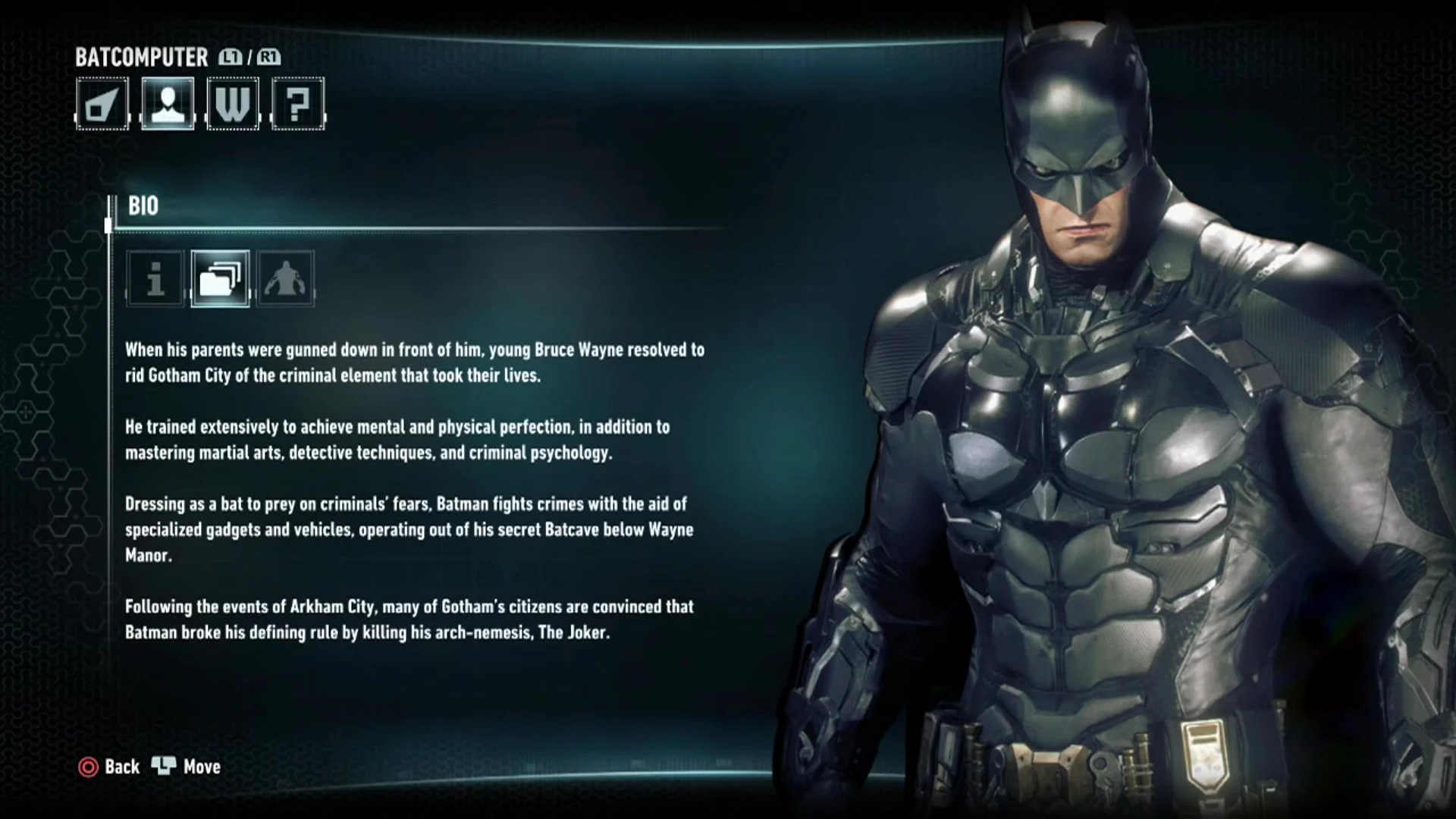
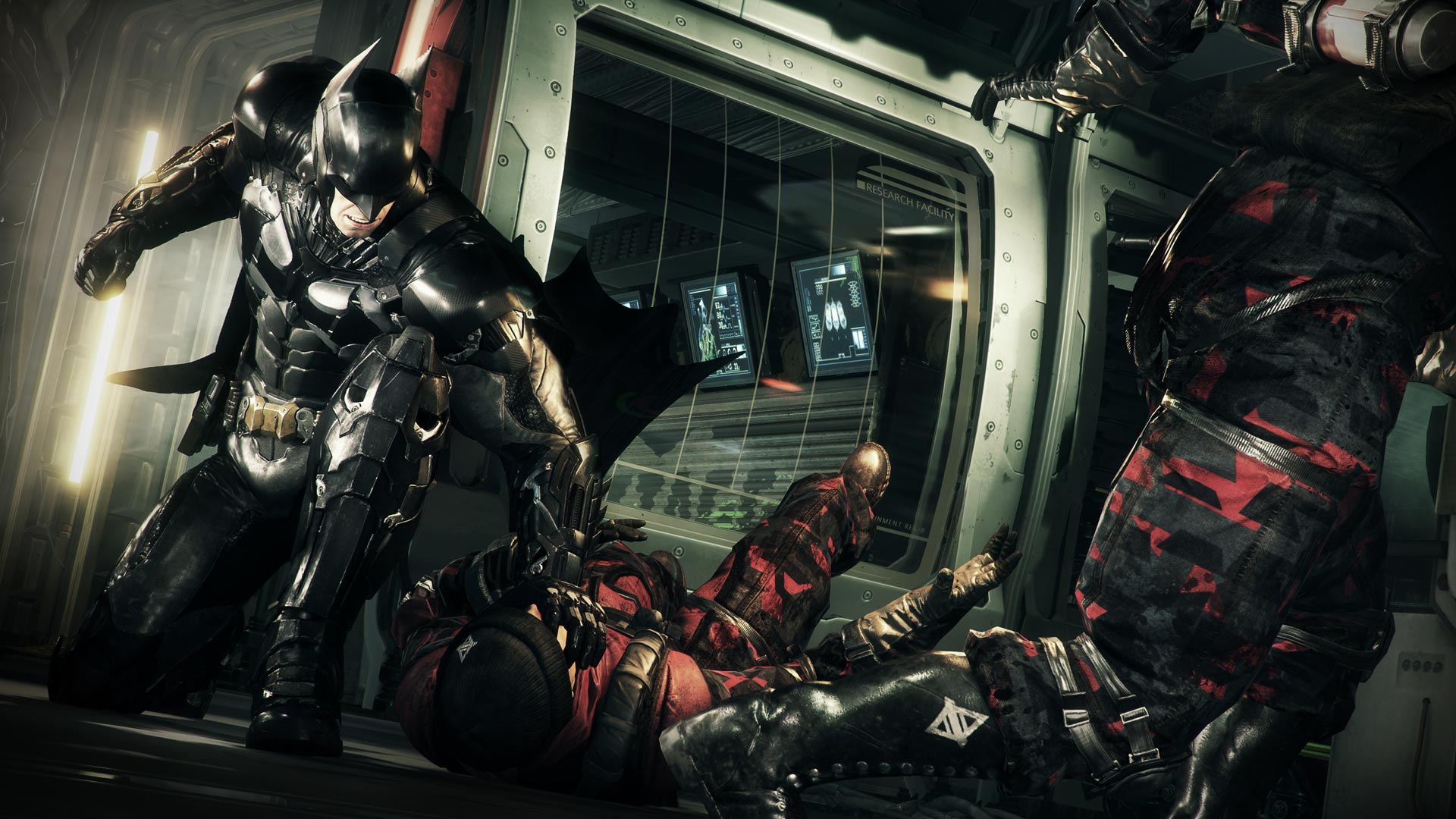
The voice cast of Batman: Arkham Knight features a blend of legendary voice-acting veterans and high-profile Hollywood talent. Led by the late Kevin Conroy as Batman and Mark Hamill as the Joker, the ensemble includes John Noble as Scarecrow, Jonathan Banks as Commissioner Gordon, and Troy Baker in the dual roles of the Arkham Knight and Two-Face.
The 2015 release of Batman: Arkham Knight served as the definitive conclusion to Rocksteady Studios' Arkham trilogy. In the decade since its release, the game’s performances have remained the gold standard for superhero media, bridging the gap between traditional voice acting and cinematic performance capture. As of 2026, the industry continues to look back at this specific cast as a monumental gathering of talent that defined the modern interpretation of the DC Universe. This guide explores the primary cast members, the characters they brought to life, and the impact of their performances on the legacy of the franchise.
The Pillars of Gotham: The Primary Cast
The success of Arkham Knight hinges on the psychological battle between Batman and his adversaries. This dynamic is grounded by a cast that understood the gravity of a "final" story. The performances are characterized by a darker, more weary tone than previous entries, reflecting the physical and emotional toll the events of the "one long night" take on the characters.
Kevin Conroy as Batman (Bruce Wayne)
For many fans, Kevin Conroy is the definitive voice of the Dark Knight. Having voiced the character since Batman: The Animated Series in 1992, Conroy’s performance in Arkham Knight represents the culmination of over two decades of character development. In this installment, Conroy portrays a Batman who is increasingly isolated and desperate.
His performance is notably more stoic and strained, reflecting Bruce Wayne’s struggle against the Joker’s internal influence and the external threat of Scarecrow’s fear toxin. In the context of 2026, Conroy’s work in this game is viewed with deep reverence, as it remains one of his final and most complex portrayals of the character before his passing in 2022. He brought a sense of finality to the "Arkhamverse" Batman, ensuring that the character's internal monologue and external interactions felt earned and consistent.
Mark Hamill as The Joker
Despite the character’s death in the preceding game, Batman: Arkham City, Mark Hamill returned to deliver a haunting performance as a manifestation of Batman’s fractured psyche. Hamill’s Joker in Arkham Knight is not a physical presence but a hallucination induced by the Titan blood and Scarecrow’s toxin.
This role allowed Hamill to play a "commentator" role, constantly mocking Batman from the sidelines. His delivery oscillates between high-pitched mania and a low, menacing rasp, illustrating the Joker's parasitic nature. Hamill had famously suggested he would retire from the role after Arkham City, but the unique narrative requirements of Arkham Knight—acting as a psychological shadow—lured him back for a performance that many critics consider his most nuanced work in the series.
John Noble as Scarecrow (Dr. Jonathan Crane)
Taking over from Dino Andrade (who voiced the character in Arkham Asylum), John Noble provided a completely different interpretation of the Scarecrow. Noble, known for his roles in Fringe and The Lord of the Rings, brought a cold, calculated, and intellectual menace to the character.
Rather than a screeching monster, Noble’s Scarecrow is a soft-spoken philosopher of fear. His voice, deep and resonant, carries a sense of authority that makes him a credible threat as the game’s primary mastermind. Noble’s performance was essential in shifting the tone of the game toward psychological horror, moving away from the more colorful villainy of previous installments.
The Bat-Family and Allies
The supporting cast in Arkham Knight is larger than in any previous entry, requiring a diverse range of actors to portray Batman’s various protégés and confidants.
Jonathan Banks as Commissioner James Gordon
In a notable casting shift, Jonathan Banks (Breaking Bad, Better Call Saul) replaced Bryan Cranston and Tom Kane from earlier iterations. Banks brought a gravelly, weary authenticity to Jim Gordon. His performance emphasizes the character’s frustration with the escalating violence in Gotham and his strained relationship with Batman following the "death" of his daughter, Barbara Gordon. Banks’s naturalistic style grounded the often-fantastical elements of the plot in a gritty, human reality.
Ashley Greene as Oracle (Barbara Gordon)
Ashley Greene (Twilight) took over the role of Barbara Gordon (Oracle) from Kimberly Brooks. As the primary communication link for Batman, Greene had the difficult task of delivering massive amounts of technical exposition while maintaining an emotional core. Her performance is central to the game’s stakes, particularly during the sequences where her safety is directly threatened by the Arkham Knight and Scarecrow.
Matthew Mercer as Robin (Tim Drake)
Matthew Mercer, a giant in the voice-acting world known for Critical Role and Overwatch, voiced Tim Drake. Mercer’s Robin is depicted as more mature and capable than previous incarnations, acting as Batman’s "equal" in many tactical situations. His chemistry with Conroy highlights the tension between a mentor who wants to protect his student and a student who is ready to step into the light.
Scott Porter as Nightwing (Dick Grayson)
Scott Porter provided the voice for Dick Grayson, the original Robin turned independent hero. Porter’s performance captures the charm and agility of Nightwing, offering a lighter, more optimistic contrast to Batman’s brooding nature. His "Dual Play" combat sequences with Batman are punctuated by witty banter that reinforces the history between the two characters.
The Villains and Antagonists
The "Rogues Gallery" in Arkham Knight features a mix of returning veterans and new voices who define the chaotic state of Gotham.
Troy Baker as The Arkham Knight and Two-Face
Troy Baker is one of the few actors to play multiple major roles in the same game. As the Arkham Knight, Baker utilizes a digitally altered, aggressive tone that hides the character’s true identity while conveying a deep-seated hatred for Batman.
Once the mask is removed, Baker shifts into an emotionally raw and vengeful performance as Jason Todd. Simultaneously, Baker reprises his role as Two-Face (Harvey Dent), utilizing a split-personality vocal style that jumps between a calm, judicial tone and a raspy, violent growl. Baker’s versatility is a cornerstone of the game’s audio design, allowing him to inhabit two distinct corners of Batman’s history.
Tara Strong as Harley Quinn
Following Arleen Sorkin’s retirement from the role, Tara Strong became the definitive voice of Harley Quinn for the modern era. In Arkham Knight, her performance is darker and more vengeful, reflecting Harley’s grief over the loss of the Joker. Strong balances Harley’s trademark high-pitched bubbliness with moments of genuine sorrow and psychopathic rage, making her a more formidable threat than in previous games.
Nolan North as Penguin (Oswald Cobblepot)
Nolan North, famous for his role as Nathan Drake in Uncharted, used a thick Cockney accent to portray the Penguin. This version of Cobblepot is a gritty, street-level mob boss rather than a caricatured aristocrat. North’s performance is abrasive and aggressive, perfectly suiting the character’s role as a black-market arms dealer fueling the chaos in Gotham.
Detailed Voice Cast Reference Table
This table provides a comprehensive overview of the primary and secondary cast members involved in Batman: Arkham Knight.
| Character | Voice Actor | Notable Previous/Parallel Work |
|---|---|---|
| Batman / Bruce Wayne | Kevin Conroy | Batman: The Animated Series |
| The Joker | Mark Hamill | Star Wars, Avatar: The Last Airbender |
| Scarecrow | John Noble | Fringe, The Lord of the Rings |
| The Arkham Knight / Jason Todd | Troy Baker | The Last of Us, BioShock Infinite |
| Commissioner James Gordon | Jonathan Banks | Breaking Bad, Better Call Saul |
| Oracle / Barbara Gordon | Ashley Greene | The Twilight Saga |
| Alfred Pennyworth | Martin Jarvis | Titanic, Wreck-It Ralph |
| Robin / Tim Drake | Matthew Mercer | Critical Role, Overwatch |
| Nightwing / Dick Grayson | Scott Porter | Friday Night Lights, Hart of Dixie |
| Catwoman / Selina Kyle | Grey DeLisle | Avatar: The Last Airbender |
| Harley Quinn | Tara Strong | Teen Titans, The Fairly OddParents |
| The Riddler | Wally Wingert | Bleach, Invader Zim |
| Poison Ivy | Tasia Valenza | Star Wars: The Clone Wars |
| Two-Face / Harvey Dent | Troy Baker | The Last of Us |
| Penguin / Oswald Cobblepot | Nolan North | Uncharted, Destiny 2 |
| Lucius Fox | Dave Fennoy | The Walking Dead (Telltale) |
| Azrael | Khary Payton | The Walking Dead (TV), Teen Titans |
| Firefly | Crispin Freeman | Naruto, Hellsing |
The Legacy of the Performances in 2026
Looking back from the perspective of 2026, the voice acting in Arkham Knight remains a high-water mark for the industry for several reasons. First, the technical implementation of "Performance Capture" allowed actors like John Noble and Kevin Conroy to provide not just their voices, but their facial nuances, which Rocksteady’s engine translated into the game’s cinematic cutscenes.
Secondly, the game serves as a bridge between generations. It features the "Old Guard" of DC voice acting (Conroy, Hamill) alongside the new titans of the industry (Baker, Mercer, Strong). This passing of the torch is palpable in the game’s narrative themes of aging, legacy, and the question of who will protect Gotham once Batman is gone.
The 2026 gaming landscape, dominated by hyper-realistic AI-driven NPCs and expansive metaverses, still struggles to replicate the chemistry found in Arkham Knight. The scenes between Conroy’s Batman and Hamill’s Joker, in particular, are studied by aspiring voice actors for their timing, emotional resonance, and the deep understanding of character history that only decades of experience can provide.
Casting Changes and Their Impact
Arkham Knight saw several major recasts from the previous games (Asylum and City), which initially caused discussion within the fanbase.
- Commissioner Gordon: The shift to Jonathan Banks brought a more "Prestige TV" feel to the character. While Tom Kane’s previous performance was more traditional, Banks provided a sense of gravitas that aligned with the game's more mature themes.
- Oracle: Ashley Greene’s casting was seen as an attempt to bring more Hollywood "star power" to the franchise. While some fans missed Kimberly Brooks, Greene’s performance was praised for its vulnerability during the game’s darker narrative beats.
- The Arkham Knight: Because the Arkham Knight was a new character (at least in name), Troy Baker had the freedom to define the role from scratch. His ability to sound distinct from his Two-Face performance in the same game is often cited as a testament to his range.
Frequently Asked Questions
Who voices Batman in Arkham Knight?
Batman is voiced by Kevin Conroy. This was Conroy’s final performance in the core Arkham trilogy. He had voiced the character for over 20 years across various media, and his work in Arkham Knight is often considered his most emotionally demanding portrayal.
Why did Mark Hamill return as the Joker?
Mark Hamill initially intended to retire from the role after Batman: Arkham City. However, the script for Arkham Knight allowed him to play the Joker as a psychological manifestation or "ghost" within Batman's mind. This unique narrative angle offered Hamill a fresh way to approach the character, leading to his return.
Is Troy Baker in Batman: Arkham Knight?
Yes, Troy Baker plays two major roles: the Arkham Knight (and eventually Jason Todd) and Two-Face (Harvey Dent). He also provided the voice for the Joker in the prequel game, Batman: Arkham Origins, but in Arkham Knight, he returned to these specific roles while Mark Hamill resumed the Joker role.
Who voices Scarecrow in Arkham Knight?
Scarecrow is voiced by John Noble. He replaced Dino Andrade, who voiced the character in Batman: Arkham Asylum. Noble’s version of the character is more menacing and serious, reflecting the character’s redesign and his role as the game's primary antagonist.
Did Jonathan Banks voice Gordon in the other Arkham games?
No. Commissioner Gordon was voiced by Tom Kane in Arkham Asylum and Bryan Cranston had been rumored for roles in the past, but Jonathan Banks specifically took over the role for Arkham Knight. In the prequel Arkham Origins, a younger Jim Gordon was voiced by Michael Gough.
Who is the voice of Harley Quinn in this game?
Tara Strong voices Harley Quinn. She took over the role from Arleen Sorkin starting with the Arkham City DLC and continued as the primary voice for Harley Quinn throughout the rest of the Arkham series and most subsequent DC video games.
Recommendation for Fans
If you are interested in the art of voice acting, it is highly recommended to play Batman: Arkham Knight with high-quality headphones to appreciate the subtle nuances of the performances. Pay close attention to the "interrogation" sequences and the ambient dialogue from thugs on the street, which feature legendary voice talents like Steve Blum and Fred Tatasciore. For a deeper look at the production, the "Arkham Insider" video series (available on various archival platforms in 2026) offers behind-the-scenes footage of the actors in the recording booth, providing invaluable insight into how these iconic voices were brought to life.