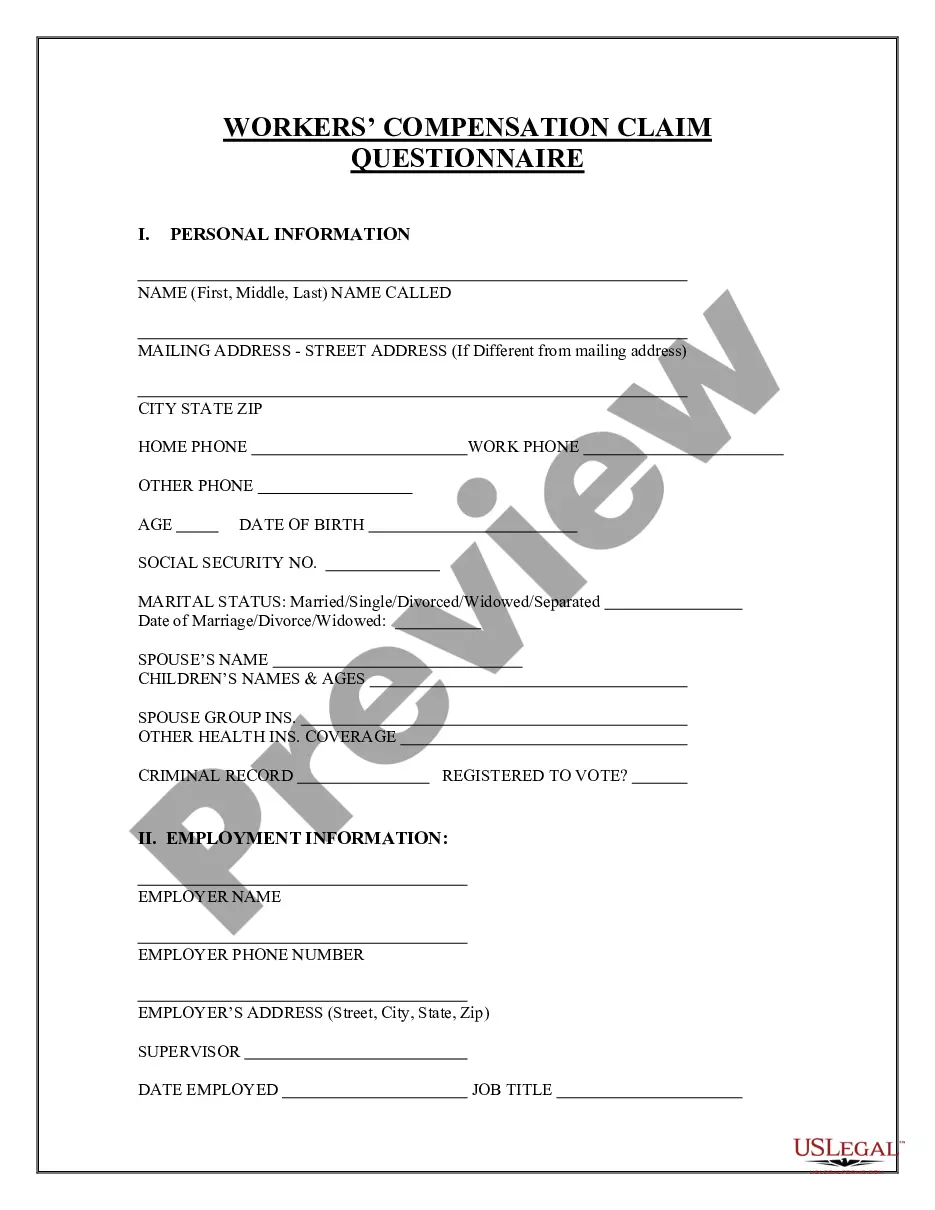
The Arkansas workers’ compensation system relies on standardized forms managed by the Arkansas Workers’ Compensation Commission (AWCC). To secure benefits in 2026, employees must file Form AR-C to establish a formal claim, while employers are required to submit Form AR-1 to report injuries. Accurate completion of these documents is essential for ensuring medical coverage and wage replacement.
Navigating the administrative landscape of workplace injuries in Arkansas requires a precise understanding of the documentation required by the Arkansas Workers’ Compensation Commission (AWCC). Whether you are an injured worker seeking medical benefits, an employer reporting an accident, or an insurance carrier managing a claim, the forms you submit serve as the evidentiary foundation for the entire process. In 2026, the AWCC maintains strict adherence to procedural rules, where a missing signature or an incorrectly filed form can lead to significant delays in benefit disbursement or the permanent loss of legal rights.
This guide provides a comprehensive breakdown of the essential forms, filing deadlines, and procedural requirements within the Arkansas workers' compensation system.
The Role of the Arkansas Workers’ Compensation Commission (AWCC)
The AWCC is the state agency responsible for supervising the administration of the Arkansas Workers’ Compensation Law (Arkansas Code Title 11, Chapter 9). It is important to clarify that the AWCC is not an insurance company; it is a regulatory and adjudicatory body. It ensures that employers provide the required coverage and that injured workers receive the benefits to which they are legally entitled.
Every formal action within a claim—from the initial report of injury to the final settlement—is documented through specific AWCC forms. These forms provide a standardized method for the commission to track claim progress, monitor medical treatment, and ensure that indemnity (wage replacement) payments are calculated and delivered correctly. As of 2026, the AWCC encourages the use of electronic filing for many of these documents to streamline the adjudication process.
Essential Forms for Employees and Injured Workers
For the worker, documentation begins the moment an injury occurs. While verbal notice to a supervisor is a necessary first step, it is the written forms that carry legal weight.
Form AR-N: Notice to Employer and Employee
Form AR-N is typically the first piece of paper a worker encounters. It serves as the official notice that an injury has occurred. Arkansas law requires employees to notify their employers "immediately" or as soon as practicable. Form AR-N contains a section for the employee to describe the accident and a section for the employer to acknowledge receipt of the notice.
Failure to provide notice via Form AR-N (or a similar written format) can jeopardize a claim, particularly if the employer can prove they were prejudiced by the delay. In 2026, employers are legally mandated to provide this form to an employee as soon as they become aware of a workplace injury.
Form AR-C: Claim for Compensation
The Form AR-C is arguably the most critical document for an injured worker. While the employer might start paying for medical bills or lost time voluntarily, a "claim" is not officially filed with the AWCC until the Form AR-C is submitted.
This form serves multiple purposes:
- Tolling the Statute of Limitations: In Arkansas, you generally have two years from the date of injury (or one year from the date of the last payment of compensation) to file a formal claim. Filing the AR-C protects this right.
- Specifying Benefits: The form allows the worker to check boxes indicating whether they are seeking initial benefits, additional benefits, or a specific type of compensation (such as permanent partial disability).
- Requesting a Hearing: If a claim is controverted (denied) by the insurance carrier, the AR-C is used to request a hearing before an Administrative Law Judge.
It is a common mistake for workers to assume that because the insurance company is paying for their doctor visits, their claim is "filed." Without an AR-C on file with the AWCC in Little Rock, the legal clock continues to tick.
Form AR-M: Change of Physician
Under Arkansas law, the employer or their insurance carrier generally has the right to select the initial treating physician. If a worker is unhappy with their medical care, they cannot simply go to a different doctor and expect the insurance company to pay. Instead, they must file Form AR-M.
The AWCC must approve a change of physician. If a worker sees an unauthorized physician without filing Form AR-M and receiving approval, the employer is usually not liable for those medical expenses.
Essential Forms for Employers and Insurance Carriers
Employers have a separate set of reporting obligations to remain compliant with state law and to avoid administrative penalties.
Form AR-1: First Report of Injury or Illness
When an employee reports an injury that results in more than one day of lost work time or requires medical treatment beyond simple first aid, the employer must file Form AR-1. This form must be submitted to the AWCC and the insurance carrier within 10 days of the employer learning of the injury.
The AR-1 is a data-gathering tool. It asks for the employee's wage information, the nature of the injury, and the circumstances of the accident. It is important to note that filing an AR-1 is not an admission of liability; it is a mandatory reporting requirement.
Form AR-2: Report of Payment or Suspension of Payments
Insurance carriers use Form AR-2 to notify the commission and the injured worker about the status of indemnity benefits. Whenever payments start, stop, or change in amount, an AR-2 must be filed. This ensures transparency in how the "Average Weekly Wage" was calculated and why benefits might have been terminated (for example, if the worker returned to full duty).
Form AR-3: Physician’s Report
Medical providers play a vital role by submitting Form AR-3. This form provides the clinical evidence needed to support a claim. It details the diagnosis, the treatment plan, and the "Maximum Medical Improvement" (MMI) status. Without a completed AR-3 or a comparable medical narrative, the insurance carrier may lack the necessary evidence to authorize continued wage replacement.
Summary of Key Arkansas Workers' Compensation Forms
The following table summarizes the primary forms used in the Arkansas workers’ compensation system as of 2026.
| Form ID | Official Name | Who Files | Primary Purpose |
|---|---|---|---|
| AR-N | Notice to Employer | Employee/Employer | Documents the initial report of injury. |
| AR-C | Claim for Compensation | Employee | Formally initiates a claim and protects legal rights. |
| AR-1 | First Report of Injury | Employer | Reports the accident to the AWCC within 10 days. |
| AR-2 | Report of Payment | Carrier | Tracks the commencement and cessation of benefits. |
| AR-3 | Physician’s Report | Doctor | Provides medical evidence and disability ratings. |
| AR-M | Change of Physician | Employee | Requests a legal change in the treating doctor. |
| AR-D | Claim for Death Benefits | Beneficiaries | Initiates a claim for dependents in fatal accidents. |
Procedural Requirements and Filing Timelines
Accuracy and timing are the two pillars of a successful workers' compensation filing. In 2026, the AWCC strictly enforces deadlines established by the Arkansas Workers’ Compensation Commission.
The Two-Year Rule
The statute of limitations is a frequent point of contention. Most injured workers have two years from the date of the accident to file an AR-C. However, if the injury is a "latent" injury or an occupational disease, the timelines may differ. Furthermore, if the insurance carrier has been paying benefits and then stops, the worker typically has one year from the date of the last payment to file for additional benefits.
Electronic Submission (EDI)
For employers and insurance carriers, Electronic Data Interchange (EDI) is the standard for submitting Form AR-1 and Form AR-2. This system allows for real-time tracking of claims data. Small employers may still use paper filings, but the commission encourages digital adoption to reduce the "lost mail" phenomenon that plagued the system in previous decades.
Notarization and Signatures
While many forms no longer require notarization, the AR-C must be signed by the claimant. In the event of a "Joint Petition" (a final settlement that closes out medical rights), the documentation requirements become significantly more stringent, often requiring a formal hearing before an Administrative Law Judge to ensure the worker understands they are waiving future rights.
Common Mistakes in Completing AWCC Forms
Even a well-intentioned filing can be rejected or lead to a denial if common errors are made.
- Vague Injury Descriptions: On Form AR-C, describing an injury as "hurt back" is less effective than "acute lumbar strain while lifting 50lb crates." Specificity helps avoid investigations into "pre-existing conditions."
- Inaccurate Wage Data: Employers often fail to include bonuses or overtime in the AR-1 wage calculation. This results in the worker receiving lower weekly checks than the law requires.
- Missing the Body Part: If a worker injures their neck and shoulder but only lists "neck" on the AR-C, the insurance company may later deny shoulder treatment, claiming it was not part of the original filed claim.
- Failure to File AR-C While Receiving Benefits: As mentioned, receiving "voluntary" benefits does not protect the statute of limitations. Workers should file an AR-C even if the insurance company is currently cooperative.
The Joint Petition (Form AR-L)
When a claim reaches its conclusion, parties may agree to a "Joint Petition" settlement. This is a final agreement where the worker receives a lump sum of money in exchange for releasing the employer from all future liability, including future medical care. This process is governed by specific rules to prevent workers from being coerced into unfair settlements. A Joint Petition is not final until it is approved by the AWCC after a brief, formal record is made.
Frequently Asked Questions
Where can I get Arkansas workers' compensation forms?
The most current versions of all forms are available on the official website of the Arkansas Workers’ Compensation Commission. It is vital to use the latest versions, as outdated forms may be returned without being processed.
Is there a fee to file a workers' compensation claim form?
No, there is no filing fee to submit an AR-C or any other claim-related form with the AWCC. The system is designed to be accessible to workers regardless of their financial status.
What happens if my employer refuses to file the AR-1?
If an employer refuses to report the injury, the employee should immediately file a Form AR-C directly with the AWCC. This puts the commission on notice, and the AWCC can then compel the employer or their insurance carrier to respond.
Can I change my doctor by just telling the insurance adjuster?
No. While an adjuster might verbally agree to a change, you are only legally protected if you follow the Form AR-M process. Relying on verbal agreements often leads to "unauthorized medical" disputes where the worker is left with the bill.
How long does it take for the AWCC to process a form?
Electronic filings (EDI) are usually acknowledged within 24 to 48 hours. Paper filings may take several days to be scanned into the system. If you are requesting a hearing via Form AR-C, it may take several months to get a date on the judge's docket.
Practical Recommendations for 2026
If you are navigating the Arkansas workers' compensation system in 2026, your first priority should be documentation.
- For Workers: File your Form AR-C as soon as possible, even if your employer says they are taking care of everything. Keep a copy of every document you sign and send. Use certified mail if you are submitting paper forms to ensure you have proof of receipt.
- For Employers: Ensure your supervisors have Form AR-N readily available. Immediate reporting via Form AR-1 reduces the likelihood of litigation and helps the insurance carrier manage medical costs effectively through early intervention.
- For All Parties: Consult the Arkansas Code Annotated or a qualified legal professional if a claim becomes "controverted" (denied). The forms are the map, but the statutes are the rules of the road.