The Arkansas-Oklahoma border spans approximately 410 miles, serving as a critical geographic and administrative divide in the American South and Mid-South. As of 2026, this boundary is more than just a line on a map; it represents a complex intersection of differing tax codes, tribal jurisdictions, and distinct recreational opportunities. Whether you are relocating to a border town like Fort Smith, commuting for work, or traveling the scenic Ozark corridors, understanding the regulatory and physical landscape of this state line is essential for legal compliance and financial planning.
Geographic Overview of the Arkansas Oklahoma Border
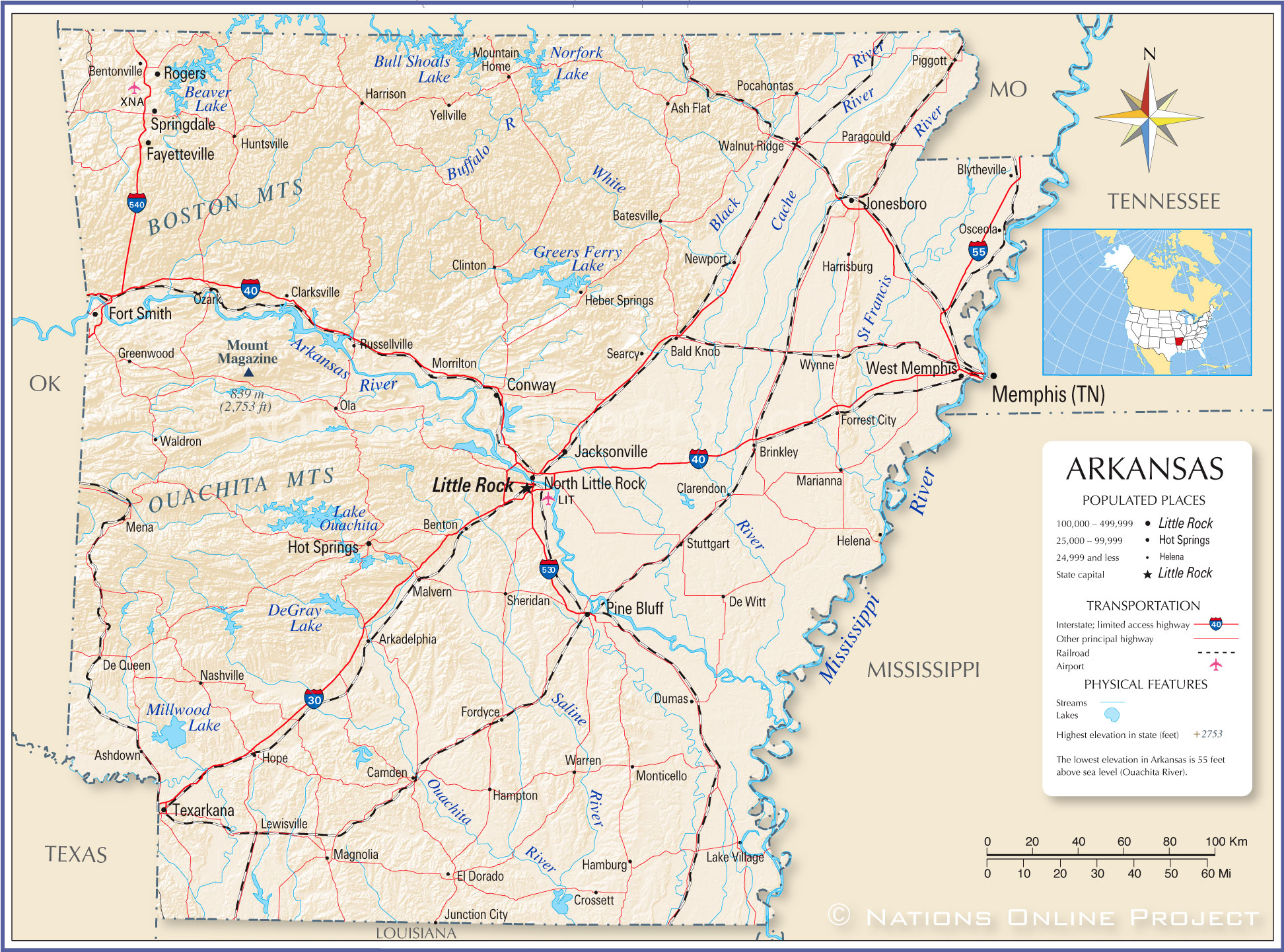
The border between Arkansas and Oklahoma is defined by a mix of natural landmarks and surveyed lines that have historical roots dating back to the early 19th century. Starting at the tri-point of Missouri, Arkansas, and Oklahoma in the north, the line runs south through the rugged terrain of the Ozark Mountains.
As the border moves southward, it intersects the Arkansas River at Fort Smith, which remains the most significant urban center on the state line. South of the river, the boundary traverses the Ouachita National Forest and the Ouachita Mountains, eventually reaching the Red River, which forms the southern limit of the border before meeting Texas.
For travelers and residents, the geography dictates much of the infrastructure. The northern section is characterized by winding scenic byways, such as US-412 and AR-59/OK-59. The central section is dominated by the I-40 corridor, a massive artery for national logistics. The southern section features the Talimena Scenic Drive, a 54-mile stretch that straddles the ridge of Rich Mountain and Winding Stair Mountain, offering some of the highest elevations in the region.
The Fort Smith Dynamic: Life in a Border City
Fort Smith, Arkansas, is the quintessential border city. Its history as a frontier military post and a gateway to the "Indian Territory" (now Oklahoma) has created a unique dual-state culture. In 2026, the Fort Smith metropolitan area continues to function as a single economic unit, despite being split by the state line.
The Border City Tax Exemption
One of the most critical legal aspects of the Arkansas-Oklahoma border is the Arkansas Border City Tax Exemption. Under Arkansas law, residents of certain cities that are divided by a state line (or are contiguous to a city in an adjoining state) may be eligible for specific tax considerations. Historically, this was designed to help Arkansas businesses compete with Oklahoma’s lower or different tax structures.
In Fort Smith, this often manifests in sales tax nuances. Residents frequently cross into Oklahoma (specifically towns like Roland, Muldrow, and Pocola) to take advantage of different retail pricing or specific services. Conversely, Oklahoma residents frequently commute into Fort Smith for healthcare, higher education at the University of Arkansas at Fort Smith (UAFS), and manufacturing jobs.
Infrastructure and Connectivity
The Garrison Avenue Bridge is the primary umbilical cord connecting the two states at Fort Smith. As of 2026, maintenance of these cross-border bridges is a shared responsibility between the Arkansas Department of Transportation (ARDOT) and the Oklahoma Department of Transportation (ODOT). Traffic counts on the I-40 bridge at West Siloam Springs and the US-64 bridge remain at record highs, necessitating ongoing regional cooperation for road expansions and safety improvements.
Comparative Regulations: Taxes, Law, and Governance
Living or working across the Arkansas-Oklahoma border requires an understanding of two distinct sets of state laws. While both states are generally considered "business-friendly," their approaches to revenue and personal liberty differ significantly.
Income and Sales Tax Comparison (2026)
As of 2026, both states have undergone several rounds of tax reform aimed at lowering individual income tax rates. However, the methodology remains different:
| Feature | Arkansas (AR) | Oklahoma (OK) |
|---|---|---|
| Individual Income Tax | Graduated scale, top rate approx. 3.9% | Graduated scale, top rate approx. 4.25% |
| State Sales Tax | 6.5% (Local taxes can add 1-3%) | 4.5% (Local taxes can add 3-5%) |
| Food Tax | Lowered/Exempt at state level | State portion eliminated (2024/25) |
| Property Tax | Approx. 0.62% of value | Approx. 0.85% of value |
Note: Sales tax in Oklahoma can often feel higher at the register because municipal and county "add-ons" are frequently more aggressive than in Arkansas, even if the state base rate is lower.
Marijuana and Controlled Substances
The legal landscape for cannabis is one of the sharpest contrasts on the border.
- Oklahoma: Continues to operate one of the most robust medical marijuana programs in the country. While recreational use has faced legislative hurdles, the medical program remains highly accessible to residents.
- Arkansas: Maintains a more regulated medical marijuana system. As of 2026, reciprocity—the legal recognition of an Oklahoma medical card in Arkansas—is subject to strict temporary visitor permit requirements and fees.
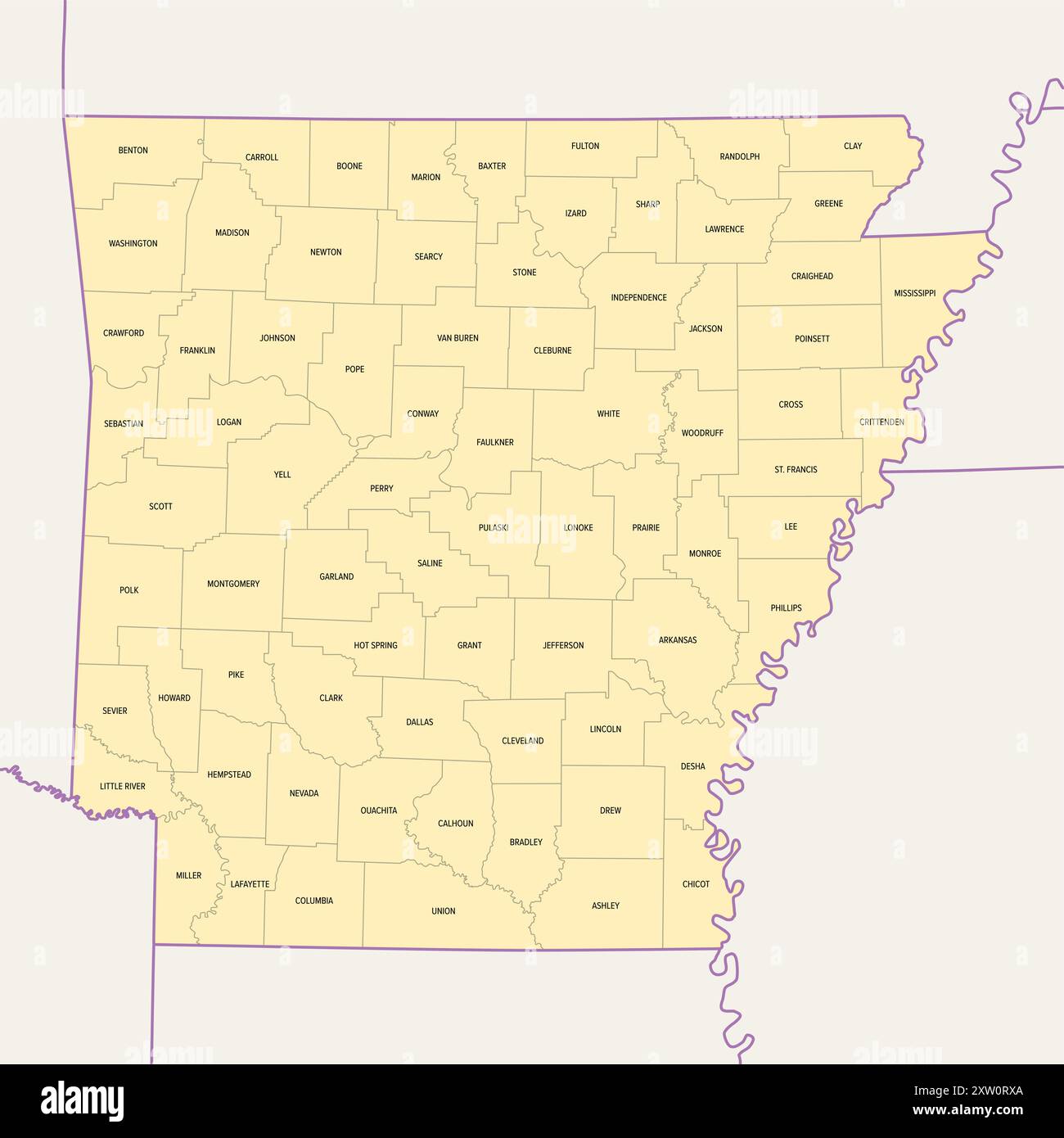
Crossing the border with cannabis remains a federal offense and a state-level crime if the proper permits are not held for the specific jurisdiction. Law enforcement in border counties (such as Sebastian and Crawford in AR, and Sequoyah and Le Flore in OK) remains vigilant regarding the transport of controlled substances across state lines.
Tribal Jurisdiction in Eastern Oklahoma
A defining feature of the Oklahoma side of the border is the presence of sovereign tribal nations. Much of the land immediately west of the Arkansas border lies within the jurisdictional boundaries of the Cherokee Nation (in the north) and the Choctaw Nation (in the south).
Following landmark legal rulings (such as McGirt v. Oklahoma), the jurisdictional landscape has shifted. In 2026, if you are a member of a federally recognized tribe and commit a crime or are a victim of a crime within these boundaries, the case may fall under tribal or federal jurisdiction rather than state jurisdiction. For non-tribal members, the impact is felt most in civil matters, such as business licensing and certain tax exemptions on tribal land.
Visitors to the border should also note the significant economic presence of tribal casinos, such as the Cherokee Casino in West Siloam Springs and the Choctaw Casino in Pocola. these facilities are major employers for residents of both states.
Transportation and Cross-Border Commuting
For those commuting across the state line, vehicle registration and insurance are common points of confusion.
- Residency Rules: You must register your vehicle in the state where you maintain your primary residence. If you move from Oklahoma to Arkansas, you generally have 30 days to update your registration and driver’s license.
- Insurance Requirements: Both states require liability insurance, but minimum coverage limits differ. In 2026, it is highly recommended to carry "Underinsured/Uninsured Motorist" coverage, as both states have historically high rates of uninsured drivers.
- Tolls: While Arkansas remains largely toll-free on its interstate system, Oklahoma utilizes the "Pikepass" system extensively. Commuters from Arkansas into the Tulsa area or via the Muskogee Turnpike should ensure they have a compatible transponder to avoid administrative fines.
Tourism and Natural Attractions
The Arkansas-Oklahoma border is home to some of the most pristine wilderness in the central United States.
The Ozark Plateau
In the northern border region, the Grand Lake of the Cherokees in Oklahoma is a massive draw for Arkansas residents. Conversely, the Buffalo National River in Arkansas (the first national river in the U.S.) attracts thousands of Oklahomans annually. The border towns of Siloam Springs (AR) and West Siloam Springs (OK) serve as the gateway to these water-based recreational areas.
The Talimena Scenic Drive
Stretching from Mena, Arkansas, to Talihina, Oklahoma, this National Scenic Byway is a premier destination for fall foliage. It is maintained by both the U.S. Forest Service and the respective state park departments. Travelers should be aware that cell service is spotty along the ridge, and there are no gas stations on the 54-mile crest of the drive itself.
Fort Smith National Historic Site
For history enthusiasts, the Fort Smith National Historic Site provides an in-depth look at the "Trail of Tears" and the legal history of the border. It preserves the remains of two 19th-century forts and the courtroom of "Hanging Judge" Isaac C. Parker, who had jurisdiction over the lawless expanses of the Indian Territory.
Frequently Asked Questions
1. Do I have to pay income tax in both states if I live in Oklahoma but work in Arkansas?
Generally, you must file a tax return in both states. You will file a "Non-Resident" return in Arkansas for the income earned there and a "Resident" return in Oklahoma. Most states, including Arkansas and Oklahoma, provide a tax credit to residents for taxes paid to another state to prevent "double taxation" on the same income. Always consult the Oklahoma Tax Commission or the Arkansas Department of Finance and Administration for current 2026 filing protocols.
2. Can I use an Oklahoma medical marijuana card in Arkansas?
As of 2026, Arkansas allows out-of-state patients to apply for a "Visiting Patient" permit. This requires an application fee and proof of a valid medical marijuana certification from your home state (like Oklahoma). The permit is typically valid for 90 days. You cannot simply walk into an Arkansas dispensary with an Oklahoma card without this state-issued visiting permit.
3. Which state has lower property taxes for someone moving to the border?
Historically, Arkansas has lower property tax rates than Oklahoma. However, Oklahoma offers various homestead exemptions that can significantly lower the effective tax rate for primary residences. If you are looking at land near the border, compare the specific county millage rates in Sebastian County (AR) versus Sequoyah County (OK).
4. What is the "Choctaw Line" often referred to in local history?
The "Choctaw Line" refers to the original surveyed boundary between the state of Arkansas and the Choctaw Nation's lands in the 1820s. This line was subject to several disputes and resurveys throughout the 19th century, which eventually settled into the current border we see today south of the Arkansas River.
5. Are there different speed limits when crossing the border?
Yes. Oklahoma interstates (like I-40) often have a speed limit of 70 or 75 mph in rural areas. Arkansas typically maintains a 70 or 75 mph limit on interstates but can vary more frequently near construction zones or city limits like Fort Smith. Always watch for the "State Line" markers, as law enforcement often monitors these transition zones.
Practical Recommendations for Residents and Travelers
If you are planning to move to or frequently visit the Arkansas-Oklahoma border region in 2026, take the following actions to ensure a smooth transition:
- Review Local Sales Tax: If making a major purchase (like a vehicle or large appliance), calculate the total tax including municipal add-ons. Sometimes driving 20 miles across the line can save hundreds of dollars, but be aware that you must pay "Use Tax" in your home state when registering a vehicle.
- Obtain a Pikepass/EZ-Pass: Since Oklahoma uses electronic tolling and Arkansas is increasingly moving toward "ready-tag" systems for certain bridges or future corridors, having a universal transponder is a major convenience.
- Verify Professional Licensing: If you are a contractor, real estate agent, or healthcare provider, note that licenses do not automatically transfer. Each state has its own board requirements, although "reciprocity agreements" are common for many professions in the 2026 labor market.
- Monitor Weather Alerts: This region is part of "Tornado Alley." Ensure your mobile devices are set to receive alerts for both your current location and your destination, as weather patterns frequently track from Oklahoma directly into Western Arkansas.