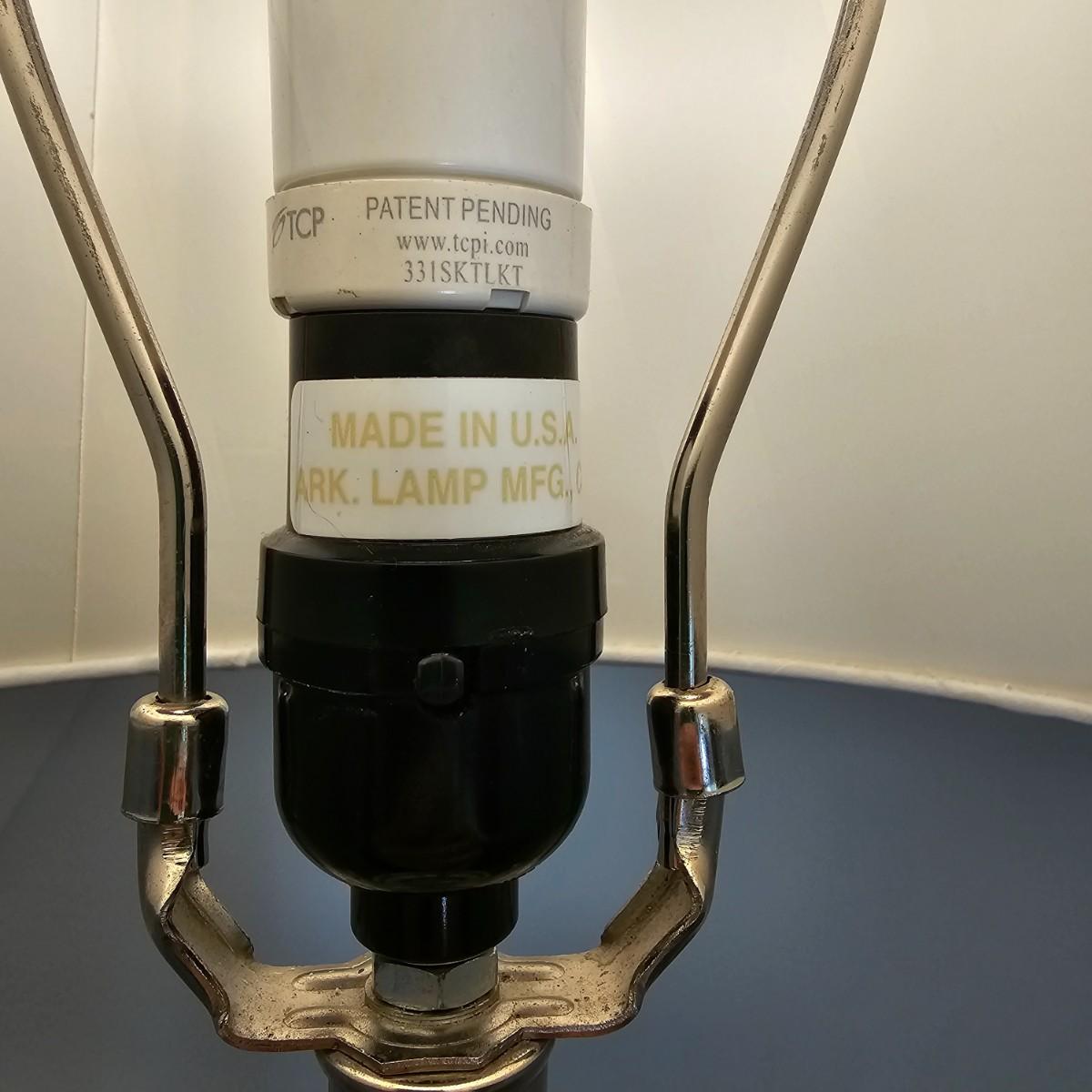
The Arkansas Lamp Guide provides a comprehensive roadmap for navigating the services of the Arkansas Lamp Co., a premier manufacturer based in Van Buren. It details the processes for custom lighting fabrication, professional antique restoration, and large-scale hospitality projects, ensuring clients meet rigorous safety standards while achieving specific aesthetic and functional design goals.
Lighting is more than a utility; it is a structural element that defines the atmosphere of a space. For those in the hospitality industry, architectural design, or historical preservation, finding a reliable partner for high-quality illumination is a specialized task. The Arkansas Lamp Co. has established itself as a cornerstone of this niche, blending traditional craftsmanship with modern electrical engineering. This guide examines the technical requirements, service tiers, and project workflows associated with one of the region's most prominent lighting manufacturers.
Understanding the Heritage and Scope of Arkansas Lamp Co.
Located in the historic manufacturing hub of Van Buren, Arkansas Lamp Co. has spent decades refining the art of American-made lighting. In 2026, the company continues to bridge the gap between mass-produced fixtures and bespoke art pieces. Their operations are primarily divided into three distinct sectors: commercial hospitality manufacturing, custom residential design, and technical restoration.
The significance of a localized manufacturer in the South-Central United States cannot be overstated. By maintaining a physical production facility in Arkansas, the company offers designers and contractors a level of oversight and quality control that is often lost in overseas production. This proximity allows for iterative prototyping, hands-on material selection, and a verifiable chain of custody for components—critical factors for large-scale developments like hotels and municipal buildings.
The Van Buren Manufacturing Facility
The heart of the operation is the Van Buren plant, where raw materials are transformed into finished fixtures. Unlike many "lighting showrooms" that merely distribute products, this facility houses the equipment necessary for metal spinning, welding, finishing, and electrical assembly. This vertical integration allows for the creation of unique patinas and custom finishes that are not available through standard retail catalogs.
Core Services: Custom Fabrication and Hospitality Lighting
The primary search intent for an Arkansas Lamp Guide often centers on how to procure high-volume or unique lighting solutions for businesses. The hospitality sector—comprising hotels, restaurants, and resorts—demands lighting that is both aesthetically striking and exceptionally durable.
Hospitality and Commercial Solutions
Commercial lighting must withstand rigorous use. In a hotel setting, a lamp is not just a light source; it is a piece of furniture that will be handled by thousands of guests. Arkansas Lamp Co. specializes in "value engineering" for hospitality. This involves taking a designer’s high-end concept and refining it for mass production without sacrificing the visual impact.
Technical considerations for this tier include:
- Weighted Bases: Ensuring stability to prevent tipping in high-traffic areas.
- Integrated Power: Incorporating USB-C and standard AC outlets into the lamp base, a standard requirement in 2026 for guest room convenience.
- Tamper-Resistance: Using specialized hardware to prevent the removal of shades or bulbs in public spaces.
Custom Design and Prototyping
For architects working on bespoke projects, the "custom" aspect of the guide is paramount. The process begins with architectural drawings or even simple sketches. The engineering team translates these into CAD (Computer-Aided Design) files. This phase is crucial for calculating the center of gravity, heat dissipation for high-wattage LEDs, and structural integrity.
Professional Lamp Restoration and Repair
Beyond new manufacturing, a significant portion of the Arkansas Lamp Guide focuses on the preservation of history. Many residents and curators across the state possess antique fixtures that are no longer electrically safe or have suffered structural damage.
The Restoration Process
Restoration is a delicate balance between maintaining historical integrity and meeting modern safety codes. When a lamp is brought in for restoration, it undergoes a multi-stage evaluation:
- Structural Assessment: Checking for metal fatigue, cracked glass, or missing ornamental components.
- Electrical Audit: Old silk-wrapped wires and cardboard-insulated sockets are the leading causes of electrical fires in antique lamps. These are replaced with UL-listed components that mimic the aesthetic of the original.
- Refinishing: This involves cleaning years of oxidation or "polishing out" scratches. In many cases, a conservator’s approach is taken to preserve the original patina rather than making the piece look brand new.
Sourcing Rare Parts
One of the most difficult aspects of lamp repair is finding period-accurate hardware. Arkansas Lamp Co. maintains an extensive inventory of specialized parts, including finials, harps, and glass globes that are no longer in standard production. If a part cannot be found, the manufacturing arm of the company can often fabricate a replacement.
Technical Standards and UL Certification
A critical element that differentiates professional manufacturers from hobbyist "lamp makers" is adherence to safety standards. Any fixture used in a commercial or public space in 2026 must be certified by an independent testing laboratory, most notably Underwriters Laboratories (UL).
Why UL Listing Matters
A UL listing signifies that the fixture has been tested for:
- Fire Safety: Ensuring the materials used do not easily ignite and that the wiring can handle the intended load.
- Electrical Shock Protection: Verifying that all conductive surfaces are properly grounded.
- Mechanical Strength: Confirming that the fixture can support its own weight and the weight of its glass components.
When following this guide for a commercial project, always verify that the "UL Label" is included. This is not just a safety recommendation; it is often a legal requirement for passing building inspections and maintaining insurance coverage. For more information on these safety standards, you can visit the official Underwriters Laboratories website.
Material Selection and Finishing Options
The durability and appearance of a lamp are dictated by its base materials. Arkansas Lamp Co. utilizes a variety of metals and finishes to suit different environments.
| Material | Best Use Case | Durability Rating | Maintenance Needs |
|---|---|---|---|
| Solid Brass | High-end residential, coastal environments | Excellent | Low (if lacquered) |
| Steel / Iron | Industrial designs, budget-conscious commercial | High | Moderate (requires rust-proofing) |
| Cast Aluminum | Outdoor fixtures, lightweight portable lamps | Very High | Low |
| Hand-Blown Glass | Statement pieces, decorative pendants | Moderate | High (fragility) |
Finishing Techniques
The finish is the final layer of character. Common options include:
- Antique Bronze: A dark, rich finish achieved through chemical oxidation.
- Brushed Nickel: A contemporary, matte silver look that hides fingerprints well.
- Powder Coating: An extremely durable, baked-on paint finish available in almost any color, ideal for high-traffic commercial areas.
Sustainability and LED Integration in 2026
As of 2026, energy efficiency is no longer optional. Federal and state regulations have largely phased out inefficient incandescent bulbs in favor of Light Emitting Diodes (LEDs). The Arkansas Lamp Guide emphasizes the transition to "Integrated LED" systems versus "LED-Ready" fixtures.
Integrated LED vs. Socketed Fixtures
- Integrated LED: The light source is built directly into the fixture. This allows for much thinner designs and better thermal management, but it requires the entire module to be replaced if the light fails.
- Socketed Fixtures: These use traditional screw-in bulbs (E26 or E12 bases). They offer more flexibility for the end-user to change the brightness or color temperature but are limited by the physical size of the bulb.
The company focuses on High Color Rendering Index (CRI) LEDs. In hospitality, a high CRI (90+) is essential because it ensures that food, decor, and skin tones look natural rather than washed out or grey.
The Project Workflow: Working with Arkansas Lamp Co.
Initiating a project requires a structured approach to ensure the final product meets expectations. Whether you are a homeowner or a purchasing agent for a hotel chain, the following steps are standard.
Phase 1: Discovery and Quoting
Provide the company with as much detail as possible. For custom work, this includes dimensions, preferred materials, quantity, and the required "drop" (the distance from the ceiling to the bottom of the fixture). If you are seeking a repair, high-resolution photos of the current wiring and any damaged areas are necessary for an accurate estimate.
Phase 2: Design and Engineering
Once the quote is approved, the engineering team creates a submittal drawing. This is a technical document that the client must sign off on. It specifies every nut, bolt, and wire gauge. In 2026, this phase often includes a 3D digital rendering so the client can visualize the lamp in their specific environment.
Phase 3: Production and Testing
The physical build takes place in Van Buren. Lead times can vary significantly based on the complexity and quantity. A single restoration might take 2–4 weeks, while a 500-room hotel order might require 12–20 weeks. Every fixture undergoes a "hi-pot" test (high potential test) to ensure there are no electrical leaks before it leaves the factory.
Common Mistakes to Avoid
- Ignoring Scale: A lamp that looks perfect in a catalog may be dwarfed by a high-ceilinged lobby. Always measure the "negative space" where the lamp will sit.
- Mismatched Color Temperatures: Mixing "Warm White" (2700K) lamps with "Cool White" (4000K) overhead lighting creates a disjointed and uncomfortable environment.
- Underestimating Lead Times: Custom manufacturing is not an "Amazon Prime" experience. Rushing the curing process for finishes or the assembly of delicate glass can lead to long-term quality issues.
Frequently Asked Questions
Does Arkansas Lamp Co. ship nationwide?
Yes. While they are a local Arkansas manufacturer, they serve the entire North American market. For large commercial orders, they utilize freight carriers with specialized "white glove" handling to ensure glass and delicate finishes arrive undamaged. For individual repairs, customers typically ship items via standard couriers using double-walled boxes.
Can they retrofit my old lamp to be dimmable?
Most antique lamps can be retrofitted with dimmable sockets or inline dimmers. However, the success of dimming also depends on the LED bulb used. It is recommended to use "TRIAC" dimming compatible components, which are the standard for most wall dimmers found in homes and hotels as of 2026.
Is there a minimum order quantity for custom designs?
For completely unique, engineered-from-scratch designs, there is often a minimum order or a "setup fee" to cover the engineering and tooling costs. However, for modifications to existing catalog items (such as changing a finish or height), the company is generally flexible with smaller quantities.
How do I identify if my lamp is worth restoring?
Value is subjective, but generally, fixtures made of solid brass, copper, or bronze, or those with hand-painted glass, are worth the investment. If a lamp has a manufacturer's mark (like Stiffel or Miller), it often holds significant resale value that justifies professional restoration.
What is the warranty on new Arkansas Lamp products?
Typically, commercial fixtures carry a one-year warranty on mechanical parts and finishes, while the electrical components (like LED drivers) may carry longer warranties depending on the specific manufacturer of those components. Always request a written warranty statement during the quoting phase.
Final Recommendations for Your Lighting Project
When engaging with the services outlined in this Arkansas Lamp Guide, the most successful outcomes result from clear communication and technical preparation. For hospitality professionals, ensure your electrical plans are finalized before ordering custom fixtures to avoid "voltage mismatch" issues (e.g., ordering 120V fixtures for a 277V commercial circuit). For those seeking restoration, prioritize safety over aesthetics; a beautiful lamp is only a value to your home if it is safe to turn on.
If you are ready to begin, the next step is to compile your project specifications or photographs and contact the Van Buren office directly. Requesting a "finish sample" is highly recommended for custom orders to ensure the metal patina aligns with your interior design palette under your specific site lighting.