The Arkansas life and health insurance landscape in 2026 is defined by a robust regulatory framework overseen by the Arkansas Insurance Department, emphasizing consumer protections and a unique Medicaid expansion model. Residents navigate a competitive market featuring private individual policies, employer-sponsored group plans, and the state’s specific ARHOME program for low-income populations.
The insurance market in Arkansas is a complex ecosystem influenced by federal mandates, state-specific legislative adjustments, and the unique demographic needs of the Natural State. Whether you are a long-term resident or newly relocated, understanding the interplay between private carriers, state-managed programs, and federal subsidies is essential for securing appropriate coverage. In 2026, the landscape continues to evolve, balancing traditional insurance models with innovative healthcare delivery systems designed to improve rural access and health outcomes.
The Structure of Health Insurance in Arkansas
Health insurance in Arkansas is primarily categorized into three segments: private individual plans (often purchased through the Health Insurance Marketplace), employer-based group coverage, and government-sponsored programs like Medicare and Medicaid.
The Arkansas Insurance Department (AID) serves as the primary regulatory body, ensuring that carriers remain solvent and adhere to state laws regarding coverage mandates and consumer rights. For 2026, the AID continues to review and approve premium rates, ensuring they are not "excessive, inadequate, or unfairly discriminatory." This regulatory oversight is critical in a state where geographic disparities can significantly influence the cost of care.
The Individual Marketplace and the Affordable Care Act (ACA)
For individuals who do not have access to employer-sponsored insurance, the ACA Marketplace remains the primary vehicle for obtaining coverage. Arkansas utilizes the federal platform, healthcare.gov, for enrollment. In 2026, the marketplace remains highly competitive, with multiple national and local carriers offering tiered plans (Bronze, Silver, Gold, and Platinum).
One of the defining features of the Arkansas market is the use of geographic rating areas. Arkansas is divided into seven distinct rating areas. This means a resident in Little Rock (Rating Area 1) may pay different premiums for the exact same policy than a resident in the Ozarks or the Delta. These variations are driven by the local cost of healthcare services and the density of provider networks in those specific regions.
ARHOME: Arkansas’s Unique Medicaid Model
Arkansas is notable for its innovative approach to Medicaid expansion. The Arkansas Health and Opportunity for Me (ARHOME) program, which succeeded the previous "Arkansas Works" initiative, is a centerpiece of the 2026 health landscape. Unlike traditional Medicaid, ARHOME uses federal and state funds to purchase private health insurance for eligible low-income residents.
This "private option" model aims to integrate Medicaid beneficiaries into the private market, theoretically providing better access to the same networks used by commercially insured individuals. In 2026, ARHOME includes specific "Life360 HOMEs" initiatives—targeted programs for maternal health, rural health, and individuals with high-risk behavioral health needs. Eligibility is generally tied to household income, specifically those earning up to 138% of the Federal Poverty Level (FPL).
Life Insurance Regulations and Protections
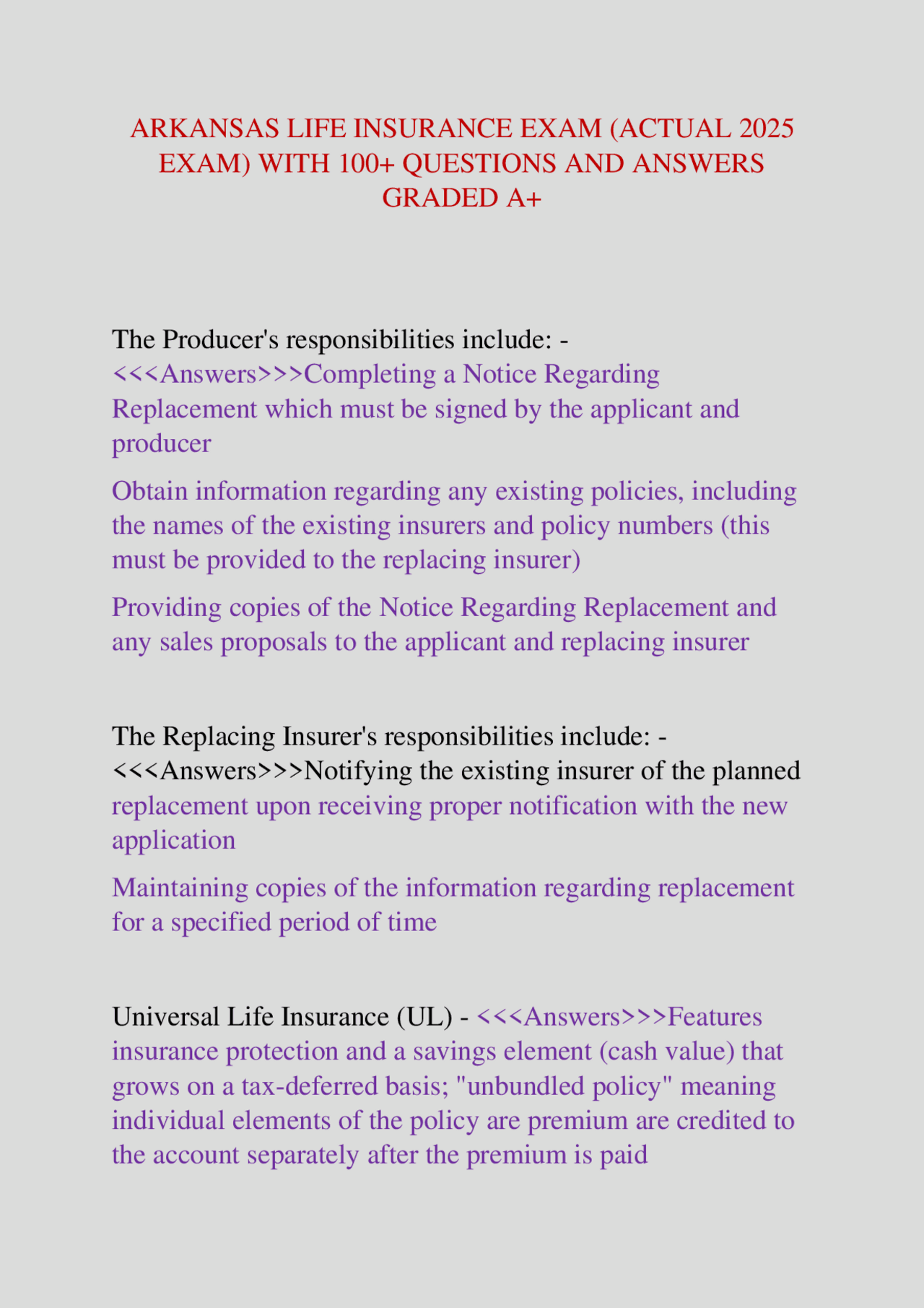
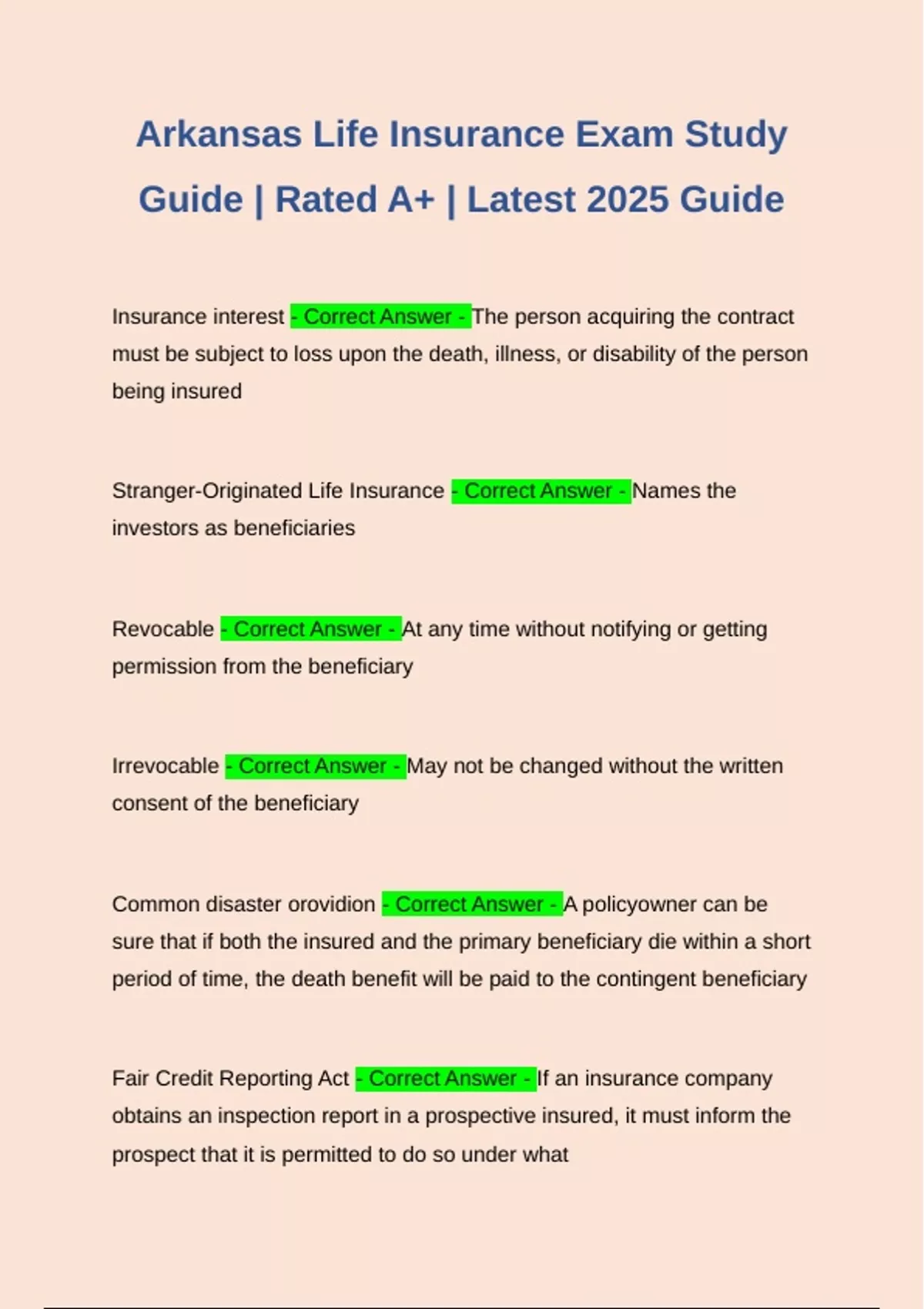
Life insurance in Arkansas provides financial security for beneficiaries, but it is governed by specific state statutes that differ from those in neighboring states. The Arkansas Code Title 23 outlines the requirements for policy forms, disclosure statements, and the treatment of beneficiaries.
Mandatory Grace Periods and Contestability
In 2026, Arkansas law maintains a standard 31-day grace period for life insurance policies. If a policyholder misses a premium payment, the insurer must keep the policy in force for at least 31 days, allowing the individual time to catch up on payments before the coverage lapses.
Furthermore, the Incontestable Clause is a standard protection in Arkansas. After a policy has been in force for two years, the insurance company generally cannot contest the validity of the policy based on misstatements made in the original application, except in cases of extreme fraud. This provides a layer of certainty for beneficiaries, ensuring that claims are not arbitrarily denied years after the policy was initiated.
The Arkansas Life and Health Insurance Guaranty Association
A critical component of the state’s safety net is the Arkansas Life and Health Insurance Guaranty Association. This entity protects policyholders in the event that an insurance company becomes insolvent or is unable to meet its financial obligations.
For 2026, the protection limits generally remain at:
- $300,000 in life insurance death benefits.
- $100,000 in cash surrender or withdrawal values for life insurance.
- $250,000 in the present value of annuity benefits.
- $500,000 for basic hospital, medical, and surgical insurance.
It is important to note that these limits are per individual, regardless of the number of policies held with the insolvent carrier. This protection ensures that even in economic downturns, the core promises of the insurance contract are upheld to a significant degree.
Comparative Overview of Coverage Types
To better understand the options available in the 2026 Arkansas landscape, it is helpful to compare the primary characteristics of the most common insurance products.
| Coverage Type | Primary Goal | Target Audience | Regulatory Oversight | Key Feature in 2026 |
|---|---|---|---|---|
| ACA Marketplace | Comprehensive health coverage | Individuals/Families without group plans | Federal (CMS) & State (AID) | Advanced Premium Tax Credits (APTC) based on income |
| ARHOME | Medicaid-funded private health | Low-income adults (<138% FPL) | Arkansas DHS & AID | Use of private carriers (e.g., BCBSAR, Ambetter) |
| Term Life | Temporary death benefit | Young families, mortgage protection | Arkansas Insurance Dept. | Fixed premiums for 10, 20, or 30-year terms |
| Whole Life | Permanent death benefit + cash value | Long-term estate planning | Arkansas Insurance Dept. | Guaranteed cash value accumulation |
| Medicare Advantage | Private Medicare alternative | Seniors (65+) and certain disabled persons | Federal (CMS) | Integrated Part D and supplemental benefits |
The Role of the Arkansas Insurance Department (AID)
The Arkansas Insurance Department acts as the referee in the state's insurance market. For residents, the AID is the primary resource for verifying the license of an agent or a company. In 2026, the department continues to emphasize consumer education through its "Consumer Services Division," which handles complaints and assists with policy interpretations.
One of the department's most vital functions is the Market Conduct Examination. The AID periodically audits insurance companies operating within the state to ensure they are following Arkansas-specific laws regarding claim settlements and premium calculations. If an insurer is found to be systematically underpaying claims or engaging in deceptive marketing, the AID has the authority to issue fines and revoke licenses.
Health Insurance Costs and Rating Factors
In 2026, health insurance premiums in Arkansas are determined by a limited set of factors as allowed by the ACA. Understanding these can help residents better estimate their monthly expenditures.
- Age: While insurers can charge more for older individuals, the "age band" is limited to a 3:1 ratio, meaning an older adult cannot be charged more than three times the premium of a younger adult.
- Tobacco Use: Arkansas allows insurers to charge a tobacco surcharge. This can increase premiums by up to 50%, and these surcharges are not eligible for federal tax credits.
- Geography: As mentioned, the seven rating areas reflect local provider costs. Regions like Northwest Arkansas and Central Arkansas often have more competition, which can sometimes lead to more varied pricing compared to rural areas.
- Plan Tier: The choice between Bronze, Silver, Gold, or Platinum determines the "actuarial value"—the percentage of total healthcare costs the plan pays vs. what the consumer pays out of pocket.
For those shopping for coverage in 2026, the "Silver" tier remains the most popular due to Cost-Sharing Reductions (CSRs). If an individual's income falls within a certain range, choosing a Silver plan can significantly lower their deductible and out-of-pocket maximums.
Medicare in Arkansas: 2026 Developments
Medicare serves a significant portion of the Arkansas population, particularly in retirement-heavy regions. In 2026, the Medicare landscape includes Original Medicare (Parts A and B), Medicare Supplement (Medigap) plans, and Medicare Advantage (Part C).
Medicare Advantage (MA) has seen continued growth in Arkansas. Many residents prefer these plans because they often combine hospital, medical, and prescription drug coverage into a single policy, frequently with zero or low additional monthly premiums beyond the Part B premium. However, the AID frequently warns consumers to check the provider networks of MA plans, as they can be more restrictive than Original Medicare, especially in rural counties.
For those choosing Original Medicare, Arkansas offers a standardized list of Medigap plans. These are private policies designed to "fill the gaps" in coverage, such as coinsurance and deductibles. Because these plans are standardized by federal law, the benefits for a "Plan G" are the same regardless of which company sells it; the primary difference is the monthly premium and the company’s reputation for customer service.
Life Insurance Beneficiary Rights and Claims
Arkansas law provides clear pathways for beneficiaries to claim life insurance proceeds. Upon the death of the insured, the beneficiary must submit a claim along with a certified copy of the death certificate.
By 2026, the process has become increasingly digitized, but the legal protections remain steadfast. Arkansas insurers are generally required to pay death claims promptly. If a payment is delayed, the insurer may be required to pay interest on the proceeds from the date the proof of death was received.
If a resident believes they are the beneficiary of a lost policy, the AID provides a Life Insurance Policy Locator Service. This tool allows individuals to submit a request that is forwarded to all insurance companies licensed in Arkansas, who then search their records for matching policies. This is a vital service for families who may not have access to the deceased’s physical paperwork.
Essential Next Steps for Arkansas Residents
Navigating the insurance landscape requires proactive engagement. For 2026, residents should consider the following actions:
- Audit Current Coverage: Review health and life policies annually to ensure they still meet family needs, particularly if there has been a change in income or health status.
- Verify Licenses: Before signing with an agent or company, use the AID's License Search tool to ensure they are authorized to do business in the state.
- Check Provider Networks: In health insurance, "access" is as important as "coverage." Ensure your preferred doctors and hospitals are in-network for any plan you consider.
- Utilize Free Resources: The Arkansas Navigator program provides free, unbiased assistance for those enrolling in ACA or ARHOME plans.
Frequently Asked Questions
What is the deadline to enroll in health insurance in Arkansas for 2026?
The Open Enrollment Period for 2026 health insurance generally runs from November 1, 2025, to January 15, 2026. For coverage to begin on January 1, applications must typically be submitted by December 15. Outside of these dates, you may only enroll if you qualify for a Special Enrollment Period due to a qualifying life event, such as marriage, birth of a child, or loss of other coverage.
Can Arkansas life insurance companies deny a claim due to a pre-existing condition?
Life insurance companies in Arkansas can use medical underwriting to determine premiums or eligibility at the time of application. However, once a policy is issued and the two-year contestability period has passed, they generally cannot deny a death claim based on a condition that existed before the policy began, provided there was no material misrepresentation on the application.
How does the ARHOME program differ from standard Medicaid?
The ARHOME program is a "private option" model. Instead of the state paying doctors directly through a government-run system, Arkansas uses Medicaid funds to buy private health insurance for eligible residents. This allows beneficiaries to use the same networks and insurance cards as those with employer-sponsored or marketplace plans.
Are premiums for health insurance higher in rural Arkansas?
Premiums can vary by rating area. In some cases, rural areas may have higher premiums due to a lack of provider competition or higher costs of delivering care in remote locations. However, federal subsidies (tax credits) are also adjusted based on the cost of the "benchmark" plan in your specific area, which helps offset these higher costs for eligible residents.
What happens to my life insurance if my company goes bankrupt?
If your insurer becomes insolvent, the Arkansas Life and Health Insurance Guaranty Association provides coverage. They will typically either continue your coverage by transferring it to a solvent insurer or provide a settlement up to the legal limits ($300,000 for life insurance death benefits).
Professional Advice Limitation: This article is for informational purposes only and does not constitute legal, financial, or medical advice. Insurance laws and availability can change. For specific guidance, consult with a licensed insurance professional or a legal advisor familiar with Arkansas statutes.