The Arkansas brain-eating amoeba survivor, Kali Hardig, achieved a historic medical recovery in 2013 after contracting Primary Amebic Meningoencephalitis (PAM) at a water park. Her survival, credited to rapid diagnosis, experimental drug use, and therapeutic hypothermia, remains a cornerstone of modern protocols for treating Naegleria fowleri infections.
The 2013 Arkansas Incident: A Turning Point in Medical History
In the summer of 2013, the state of Arkansas became the focal point of a rare medical miracle. Kali Hardig, then a 12-year-old girl, visited Willow Springs Water Park, a popular sand-bottomed swimming lake in Little Rock. Shortly after her visit, she began experiencing severe symptoms that mimicked meningitis: high fever, intense headaches, and vomiting.
Unlike most cases of PAM, which are diagnosed posthumously due to the rapid progression of the disease, Hardig’s mother took her to Arkansas Children’s Hospital almost immediately. This speed proved to be the first and most critical factor in her survival. The medical team, led by Dr. Matt Linam, quickly identified the presence of Naegleria fowleri in her cerebrospinal fluid.
The source of the infection, Willow Springs Water Park, had a history of issues. Another case had been linked to the park several years prior. Following Hardig's diagnosis, the park was closed by the Arkansas Department of Health and eventually shuttered permanently. By 2026, the site remains a somber reminder of the risks associated with warm, stagnant, untreated freshwater bodies during the peak of summer.
Understanding the Pathogen: Naegleria fowleri
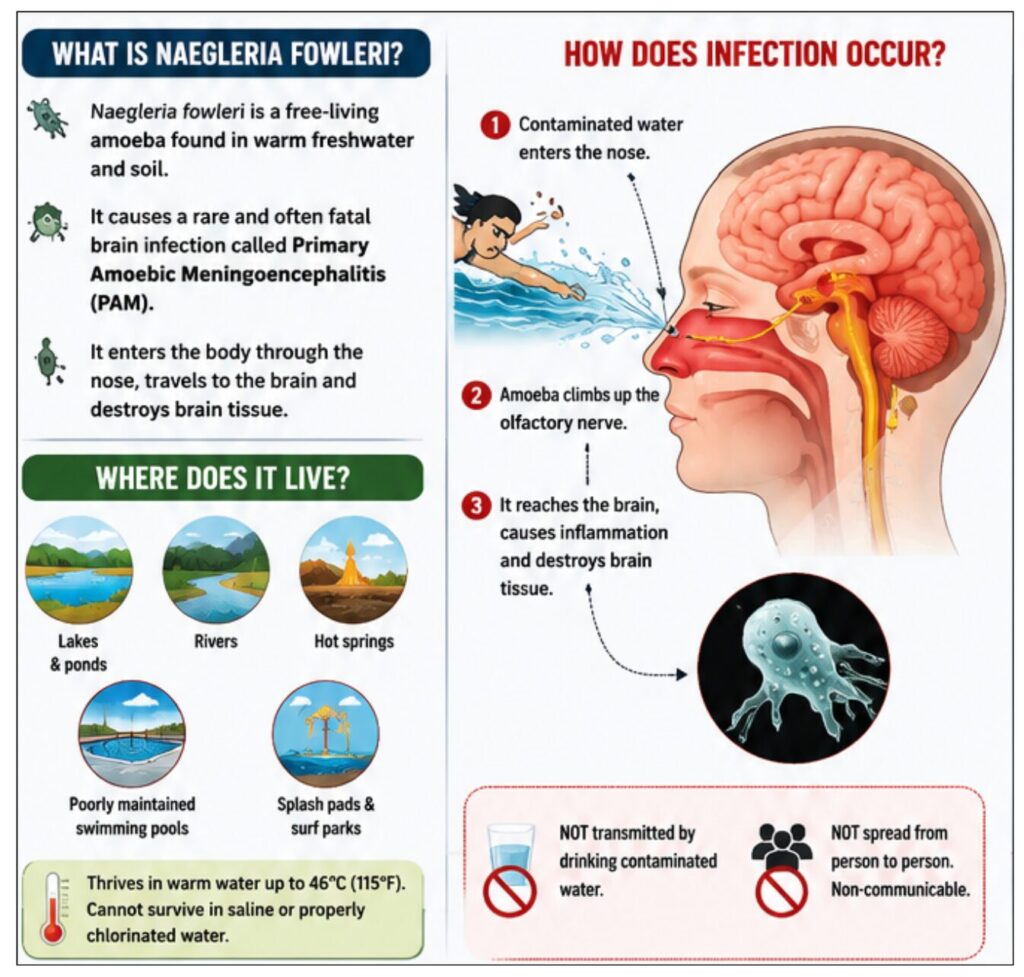
To understand the magnitude of Hardig's survival, one must understand the biological ferocity of Naegleria fowleri. Commonly known as the brain-eating amoeba, this thermophilic (heat-loving) single-celled organism thrives in warm freshwater environments such as lakes, rivers, and hot springs.
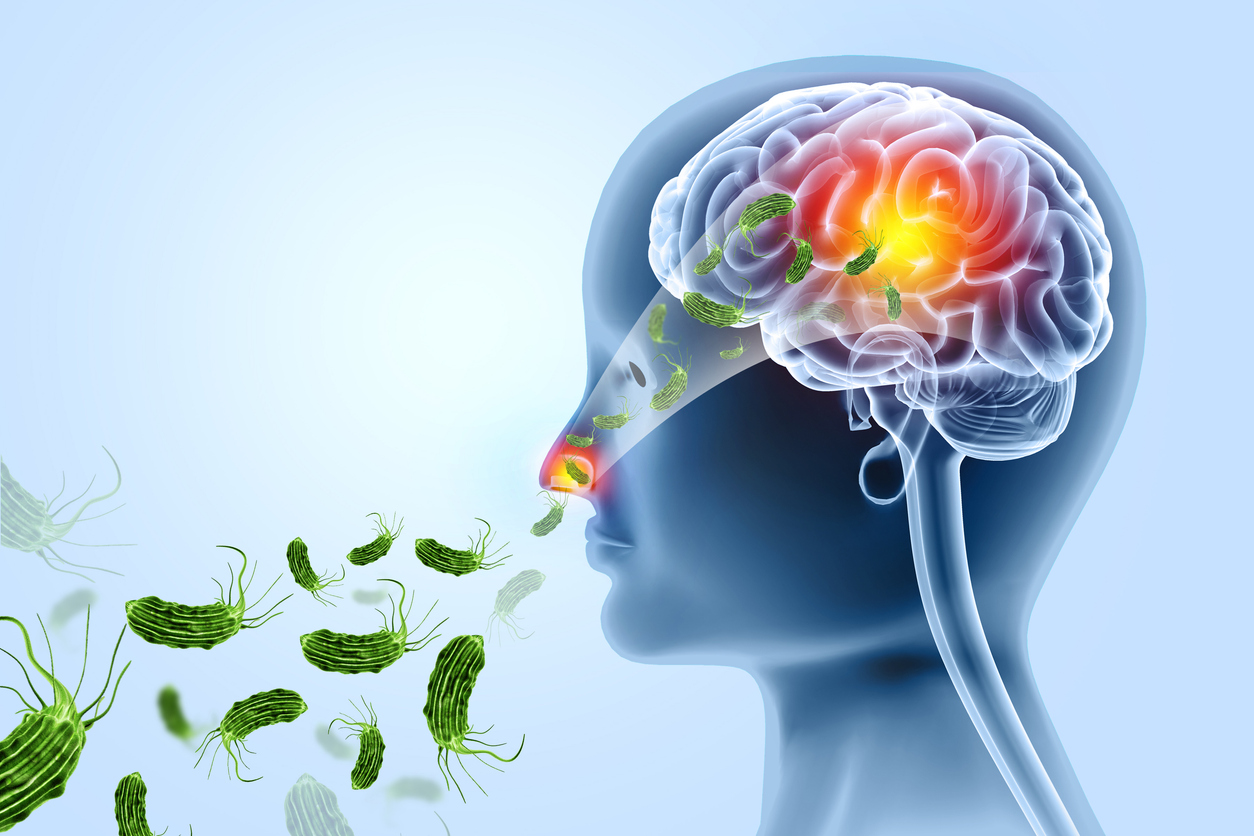
The infection process is specific and devastating. The amoeba enters the human body through the nose. This typically occurs during activities like swimming, diving, or water-skiing, where water is forced up the nasal passages under pressure. Once inside the nasal cavity, the amoeba migrates along the olfactory nerve, passing through the cribriform plate to reach the brain.
Once it reaches the frontal lobes, the amoeba begins to consume brain tissue, leading to Primary Amebic Meningoencephalitis (PAM). This triggers a massive inflammatory response from the body’s immune system, causing the brain to swell within the rigid confines of the skull. This swelling—not just the amoeba itself—is what usually leads to death. The mortality rate for PAM is historically cited as being over 97%, making the Arkansas survivor’s recovery an extreme statistical outlier.
The Clinical Breakthrough: Treatment Protocols
The survival of Kali Hardig was not a matter of luck alone; it was the result of an aggressive, multi-pronged clinical strategy that has since informed the CDC’s recommendations for PAM treatment. The medical team at Arkansas Children's Hospital employed a combination of traditional anti-fungal medications and experimental interventions.
The Role of Miltefosine
One of the most significant aspects of the Arkansas case was the use of miltefosine. At the time, miltefosine was an experimental drug primarily used to treat leishmaniasis (a parasitic disease) and certain types of breast cancer. Laboratory tests had shown it was effective against Naegleria fowleri, but it had rarely been used in human PAM cases.
Upon Hardig's diagnosis, the CDC rushed miltefosine to Arkansas. The drug works by disrupting the cell membrane of the amoeba, effectively killing the pathogen before it can finish its destruction of the brain tissue. Hardig was the first survivor in the United States to have this drug as a central part of her treatment regimen.
Therapeutic Hypothermia
In addition to pharmacological intervention, doctors used therapeutic hypothermia. This involves cooling the patient's body temperature to approximately 93 degrees Fahrenheit (34 degrees Celsius). By cooling the body, doctors were able to:
- Reduce Metabolic Demand: Slowing down the brain's metabolic rate helps preserve tissue.
- Control Swelling: Lowering the temperature is a proven method for managing intracranial pressure, which is the primary cause of death in PAM patients.
By 2026, therapeutic hypothermia is more widely understood as a neuroprotective strategy, but its successful application in the Arkansas PAM case remains one of its most dramatic success stories.
Long-term Recovery and Neurological Rehabilitation
The "survivor" label only tells half the story. The recovery process for the Arkansas survivor was long and arduous. Because the amoeba and the subsequent inflammation cause physical damage to the brain, Hardig had to undergo months of intensive rehabilitation.
Initially, Hardig lost the ability to speak and walk. Her recovery involved:
- Speech Therapy: Relearning how to form words and swallow safely.
- Physical Therapy: Rebuilding the muscular strength and coordination required for independent movement.
- Occupational Therapy: Regaining the skills needed for daily living activities.
By the time she was released from the hospital, she had regained most of her functions, a feat that stunned the medical community. In the years following her discharge, she became an advocate for water safety, using her experience to warn others about the dangers of warm freshwater activities without proper protection.
Comparing PAM Treatment Strategies
The treatment landscape for PAM changed significantly following the 2013 Arkansas case. The table below compares the standard approach prior to 2013 with the "Hardig Protocol" that has influenced modern medicine.
| Treatment Component | Pre-2013 Standard | Modern Post-Arkansas Protocol |
|---|---|---|
| Primary Medication | Amphotericin B (High dose) | Amphotericin B + Miltefosine |
| Intracranial Pressure | Drainage and steroids | Drainage + Therapeutic Hypothermia |
| Diagnostic Speed | Often post-mortem/Late | Rapid PCR and CSF analysis |
| Ancillary Drugs | Fluconazole, Rifampin | Comprehensive cocktail (Miltefosine focused) |
| Survival Outcome | Rare (under 3% globally) | Improved with early intervention |
The Legacy of the Arkansas Survivor in 2026
As of 2026, the case of the Arkansas brain-eating amoeba survivor serves as the primary reference point for neurologists and infectious disease specialists. While Naegleria fowleri infections remain rare—typically averaging fewer than five cases per year in the United States—the geographic range of the amoeba has expanded.
Due to rising global temperatures and prolonged summer heatwaves, the amoeba has been detected in northern states where it was previously unknown, such as Minnesota and Iowa. The protocols established during the Arkansas crisis are now the standard "go-to" response for any suspected PAM case across North America.
Furthermore, the Arkansas Department of Health continues to maintain strict guidelines regarding the monitoring of public swimming areas. The closure of Willow Springs set a precedent for how state authorities handle "hot spot" locations, prioritizing public safety over commercial interests.
Prevention and Public Safety Guidance
While medical treatments have improved, the best "cure" for PAM remains prevention. The Arkansas case highlighted that even healthy, young individuals are at risk if they engage in high-risk water activities in the wrong environment.
To minimize the risk of infection, health authorities recommend the following:
- Avoid Warm Freshwater: Refrain from swimming in stagnant or very warm freshwater during periods of high temperatures and low water levels.
- Use Nose Clips: If swimming in lakes or rivers, use nose clips or keep your head above water to prevent water from entering the nasal passages.
- Avoid Sediment Disturbance: The amoeba lives in the sediment at the bottom of lakes. Avoid digging in or stirring up the mud in shallow, warm water areas.
- Neti Pot Safety: Use only boiled, filtered, or distilled water for sinus rinses. Using tap water for Neti pots has resulted in PAM infections in several states.
Frequently Asked Questions
How did the Arkansas survivor get the amoeba?
Kali Hardig contracted the amoeba while swimming at Willow Springs Water Park in Little Rock, Arkansas. The amoeba entered her nose as she played in the warm, sand-bottomed lake.
What medication was used to save her?
The primary breakthrough medication was miltefosine, an experimental drug provided by the CDC. She was also treated with a combination of Amphotericin B, fluconazole, and rifampin, alongside therapeutic hypothermia.
Are there other survivors of the brain-eating amoeba?
Yes, but they are extremely few. Since Hardig’s 2013 survival, a few other individuals, such as Sebastian DeLeon in Florida (2016), have survived using similar miltefosine-based protocols. Globally, there are fewer than 10 well-documented survivors.
Is Willow Springs Water Park still open in 2026?
No. Willow Springs Water Park closed permanently following the 2013 incident. The owners cited the inability to guarantee the safety of the water and the high insurance costs following the legal and medical fallout.
Can you survive the brain-eating amoeba without miltefosine?
While survival is statistically possible without it (as seen in a 1978 case), miltefosine has significantly improved the odds when combined with early diagnosis and aggressive temperature management.
Final Recommendations for Water Safety
The story of the Arkansas brain-eating amoeba survivor is one of medical triumph against overwhelming odds. However, the severity of the disease means that individuals should always exercise caution when swimming in untreated freshwater. If you or a family member experience a sudden onset of high fever, headache, or stiff neck after swimming in warm freshwater, seek emergency medical attention immediately and specifically mention the water exposure to healthcare providers. Early detection is the only bridge to survival in cases of Naegleria fowleri.