Credit life insurance is a specialized form of insurance designed to pay off specific debt obligations—such as a personal loan, auto loan, or retail installment contract—in the event of the borrower's death. In Arkansas, these policies are regulated by the Arkansas Insurance Department to ensure that coverage terms, premium rates, and disclosure requirements are transparent and fair to consumers. When you take out a loan, the lender may offer this product as a means of protecting the debt, but understanding the mechanics, costs, and alternatives is essential for informed financial decision-making in 2026.
Understanding the Mechanism of Credit Life Insurance
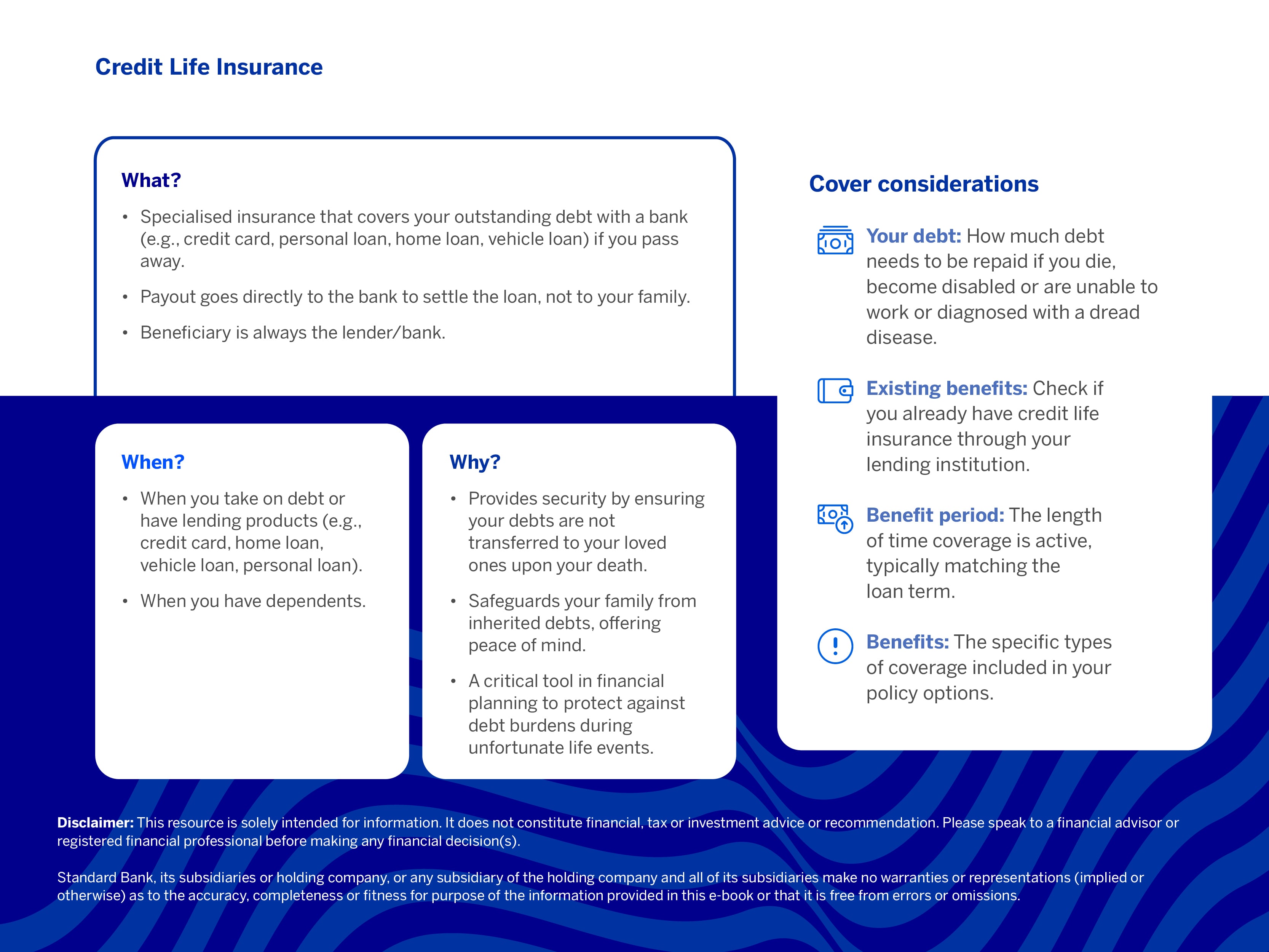
Credit life insurance functions as a decreasing term life insurance policy. Its primary purpose is to provide a death benefit specifically earmarked for the repayment of a debt. Unlike standard term or whole life insurance policies, where the death benefit is paid to a beneficiary of your choosing (such as a spouse or child), the beneficiary of a credit life insurance policy is almost always the creditor—the bank, credit union, or finance company that issued the loan.
The "decreasing" nature of the policy means that the death benefit is tied directly to the remaining balance of your loan. As you make your scheduled payments and the principal balance of the loan decreases, the potential payout of the insurance policy decreases proportionally. If you pass away with an outstanding balance, the insurance company pays the lender directly, effectively settling the debt and preventing the obligation from becoming a burden on your estate or your surviving family members.
Regulatory Oversight in Arkansas
The Arkansas Insurance Department (AID) provides essential oversight for credit life insurance to protect consumers from predatory practices. Under Arkansas law, credit life insurance policies must meet specific standards regarding the relationship between the cost of the coverage and the benefits provided.
Lenders in Arkansas are prohibited from making the purchase of credit life insurance a mandatory requirement for loan approval. If you feel pressured to purchase this coverage as a condition of receiving a loan, this is a significant red flag. While the policy can be a useful tool for some borrowers, it is an optional add-on product. Furthermore, the state monitors the "loss ratios"—the relationship between premiums collected and claims paid—to ensure that the product provides reasonable value to the policyholder.
Costs, Premiums, and Financial Implications
The cost of credit life insurance is often bundled into your monthly loan payment or financed as part of the total loan amount. Because it is often treated as a small "add-on" to a larger loan, many borrowers fail to calculate the true cost of the coverage.
When you finance the premium as part of your loan, you are technically paying interest on the insurance premium itself for the entire term of the loan. If you have a $20,000 auto loan and add a $500 credit life insurance premium to that loan, you will be paying interest on that $500 for the duration of the loan term. This makes credit life insurance significantly more expensive than it might appear at first glance.
Comparative Cost Table: Credit Life vs. Standard Term Life
| Feature | Credit Life Insurance | Standard Term Life Insurance |
|---|---|---|
| Beneficiary | The Lender | Named individual(s) |
| Coverage Amount | Decreases with loan balance | Stays level |
| Cost Basis | Often flat rate per $100 of debt | Based on age, health, and term |
| Portability | Tied to the specific loan | Independent of debt |
| Underwriting | Minimal (often guaranteed issue) | Requires health assessment |
The Pros and Cons of Coverage
Deciding whether credit life insurance is right for you requires a balanced look at your specific financial situation.
The Benefits:
- Simplicity and Convenience: The application process is typically instantaneous. Because the coverage amounts are relatively low, insurance companies often use "guaranteed issue" rules, meaning you are not required to undergo a medical examination or answer detailed health questions.
- Debt Protection: It provides an immediate safety net, ensuring that your survivors are not faced with a lingering loan balance that could result in the loss of an asset, such as a vehicle.
- Availability: For individuals who may have health conditions that would make obtaining a standard life insurance policy difficult or expensive, credit life insurance is often available without medical underwriting.
The Drawbacks:
- High Relative Cost: In many instances, the premium-to-coverage ratio is significantly worse than that of an individual term life insurance policy.
- Limited Payout: The benefit only covers the debt. If your goal is to provide income replacement for your family, this product is insufficient.
- Loss of Value upon Refinancing: If you pay off your loan early or refinance your debt, the credit life insurance policy usually terminates. You generally do not get a "refund" on the unused portion of the premium in a way that allows you to carry that coverage forward.
Evaluating Alternatives to Credit Life Insurance
Before signing an agreement for credit life insurance, explore alternatives that may offer better value.
- Individual Term Life Insurance: If you are in good health, a standard term life insurance policy for an amount equal to your total debts (or more) will likely be cheaper and more flexible. The death benefit from a term policy can be used by your family to pay off the loan and cover other expenses.
- Employer-Provided Insurance: Many employers offer group life insurance as a benefit. Review your current coverage; you may already have enough insurance to cover your outstanding debts in the event of your death.
- Emergency Savings: If you are in a position to build a "debt payoff fund" in a savings account, you might eventually reach a point where you are "self-insured," meaning you no longer require specialized insurance products to protect against specific debt obligations.
Common Misconceptions
There is a widespread belief that credit life insurance is mandatory for certain types of loans, especially subprime or high-risk financing. This is false. No financial institution in Arkansas can legally require you to buy credit life insurance to get a loan. If a representative implies otherwise, you are entitled to request documentation or report the practice to the Arkansas Insurance Department.
Another common misconception is that the coverage is "free" because the monthly cost appears negligible. Always look at the Annual Percentage Rate (APR) and the total cost of credit. By isolating the insurance premium and calculating the total interest you will pay on that amount, you can determine the true cost of the convenience you are purchasing.
Frequently Asked Questions
1. Is credit life insurance the same as credit disability insurance? No. Credit life insurance only pays out in the event of your death. Credit disability insurance (sometimes called credit accident and health insurance) is designed to make your loan payments if you become temporarily or permanently disabled and unable to work. They are often sold together, but they serve different purposes.
2. What happens if I pay off my loan early? If you pay off your loan ahead of schedule, you should be entitled to a pro-rata refund of the unearned premium. Check your policy documents carefully for the refund provision. You should contact your lender or the insurance provider immediately upon paying off the loan to request this refund.
3. Does my health status affect my eligibility for credit life insurance? Generally, no. Credit life insurance is designed for quick enrollment, which usually means it relies on simplified underwriting. You are rarely required to provide medical records or take a physical, which makes it accessible to those who might be denied traditional insurance.
4. Can I cancel credit life insurance after I’ve signed the contract? Yes. You have a "free look" period—usually 10 to 30 days after signing—during which you can cancel the policy and receive a full refund of your premium. After that period, you can usually still cancel, but you must contact your lender to understand how to remove the premium charge from your remaining loan balance.
5. Should I buy credit life insurance for a mortgage? Credit life insurance is generally not recommended for mortgages. Mortgage protection insurance or standard term life insurance is typically more cost-effective and provides more comprehensive coverage for long-term debts.
Final Next Steps
If you are currently considering credit life insurance, follow this simple checklist before signing:
- Review your existing insurance: Do you already have a life insurance policy that would cover your debts if you passed away?
- Request a quote for term life: Compare the cost of a private term life policy against the premium quoted for the credit life add-on.
- Ask for the "disclosure statement": By law, lenders must provide a clear statement regarding the cost and terms of the insurance. Read the fine print to see if the premium is being added to the principal of your loan.
- Verify the cancellation policy: Ensure you know exactly how to cancel the coverage should you change your mind shortly after purchasing.
If you believe a lender has acted unfairly or coerced you into purchasing this insurance, you can file a formal complaint with the Arkansas Insurance Department via their official consumer assistance portal. By staying informed, you ensure that your financial decisions serve your long-term stability rather than just the interests of the lender.