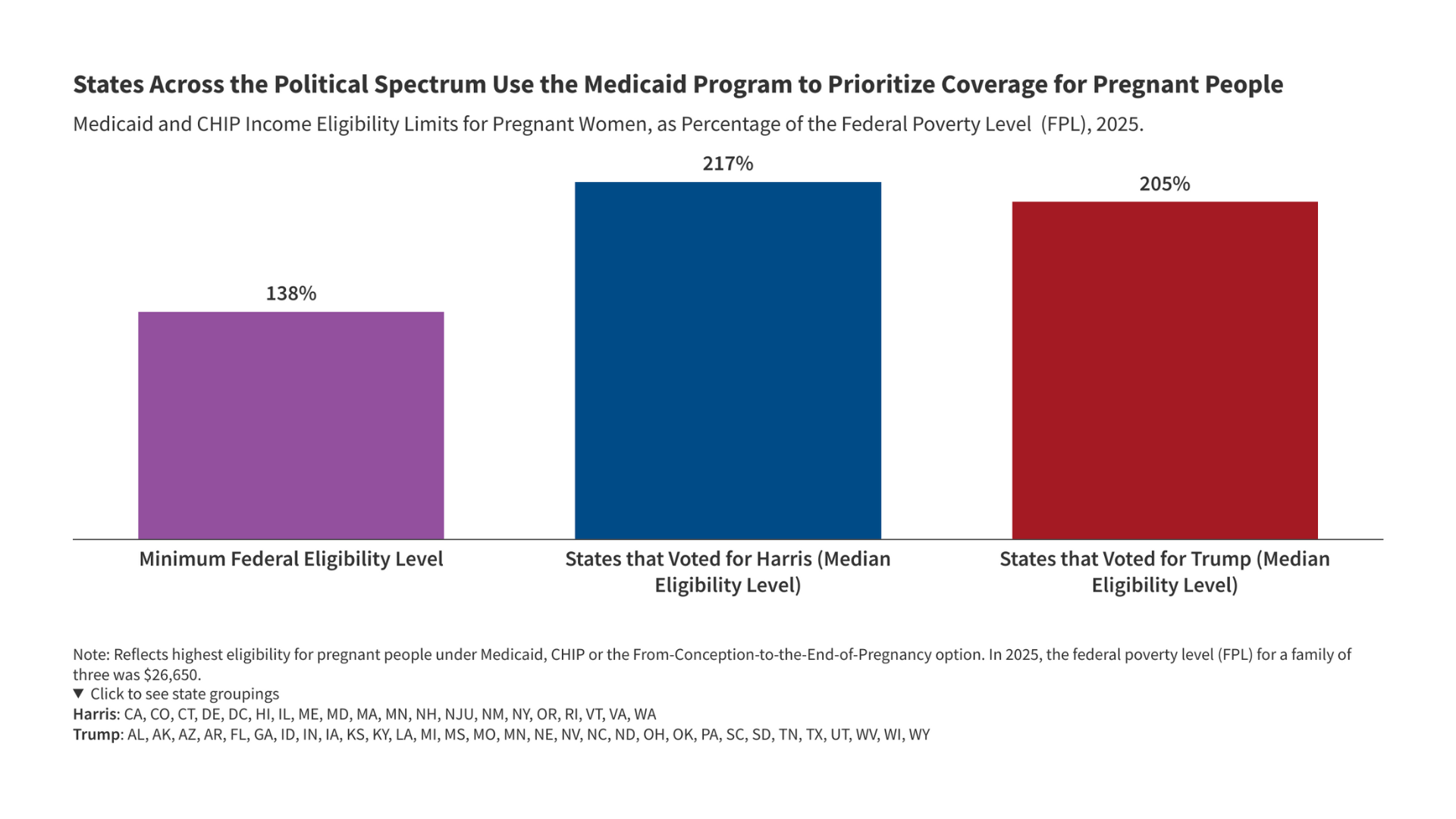
In 2026, Arkansas Medicaid provides essential healthcare coverage for pregnant women with household incomes up to 209% of the Federal Poverty Level (FPL). This eligibility threshold is significantly higher than standard adult Medicaid, ensuring that expectant mothers have access to prenatal care, delivery services, and 12 months of continuous postpartum support regardless of their prior insurance status.
Understanding Medicaid Coverage for Pregnancy in Arkansas
Arkansas Medicaid serves as a vital safety net for expectant mothers across the state. The program is specifically designed to reduce infant mortality and improve maternal health outcomes by removing financial barriers to medical care. In Arkansas, pregnancy-related Medicaid is not just for those with zero income; the "Pregnant Women" category is an expanded eligibility group that recognizes the high costs associated with childbirth and neonatal care.
Eligibility for this program is primarily determined by two factors: your Modified Adjusted Gross Income (MAGI) and your household size. Under MAGI rules, certain types of income are excluded, and the way your family is counted follows specific IRS-based guidelines. One of the most important aspects of this program is that the unborn child (or children, in the case of multiples) is counted as a household member immediately upon the verification of pregnancy. This increases the household size, which in turn raises the allowable income limit for the family.
In 2026, the state continues to operate under the Arkansas Department of Human Services (DHS), which oversees the Division of County Operations (DCO). This division is responsible for processing applications and verifying that applicants meet the financial and non-financial requirements for the program.
Arkansas Medicaid Pregnancy Income Limits for 2026
The income limits for Arkansas Medicaid are adjusted annually based on the updated Federal Poverty Level (FPL) guidelines. Because the 2026 FPL reflects inflationary adjustments, the dollar amounts for eligibility have shifted upward to accommodate the rising cost of living.
For the "Pregnant Women" category, Arkansas uses a limit of 209% of the FPL. To determine if you qualify, you must calculate your total gross monthly income and compare it to the limits for your household size. If your income is at or below the figures listed in the table below, you are likely eligible for full pregnancy benefits.
2026 Monthly Income Eligibility Table (Estimated at 209% FPL)
| Household Size (Including Unborn Child) | Annual Income Limit (209% FPL) | Monthly Income Limit (209% FPL) |
|---|---|---|
| 2 (Mother + 1 Unborn Child) | $42,636 | $3,553 |
| 3 (Mother + Spouse + 1 Unborn) | $53,713 | $4,476 |
| 4 (Mother + 2 children/spouse) | $64,790 | $5,399 |
| 5 | $75,867 | $6,322 |
| 6 | $86,944 | $7,245 |
| 7 | $98,021 | $8,168 |
| 8 | $109,098 | $9,091 |
Note: For households with more than eight members, add approximately $11,077 per year or $923 per month for each additional person.
It is crucial to understand that "income" for Medicaid purposes refers to gross income before taxes are taken out. However, certain deductions allowed on a federal tax return—such as student loan interest or alimony payments—may be subtracted from your total to reach your MAGI. If your income is slightly above the limit, it is still advisable to apply, as the DHS workers will perform the final calculations using all applicable disregards.
How Household Size is Calculated for Pregnant Women
Determining your household size is one of the most common areas of confusion for Medicaid applicants. For the "Pregnant Women" group, the rules are specifically designed to be favorable to the applicant.
- The Unborn Child: In Arkansas, an unborn child is always counted as a household member. If you are pregnant with twins, your household size increases by two. This rule is significant because a larger household size allows for a higher income threshold.
- The Applicant and Spouse: If you are married and living with your spouse, your spouse is included in the household size, and their income is counted toward the limit.
- Children: Any biological, adopted, or step-children under the age of 19 living in the home are typically counted in the household size.
- Tax Filing Status: Medicaid generally follows tax-filling units. If you claim someone as a dependent on your taxes, or if you are claimed as a dependent, this will influence how your household is structured for the application.
Non-Financial Eligibility Requirements
While income is the primary hurdle for most, there are several non-financial requirements you must meet to receive Arkansas Medicaid during your pregnancy.
State Residency
You must be a current resident of Arkansas. There is no specific duration you must have lived in the state before applying, but you must intend to remain in Arkansas. Documentation such as a utility bill, lease agreement, or Arkansas driver's license can serve as proof of residency.
Citizenship and Immigration Status
To qualify for full Medicaid benefits, you must be a U.S. citizen or a "qualified alien" (such as a lawful permanent resident who has been in the country for at least five years). However, Arkansas provides Emergency Medicaid services for pregnant women who do not meet these citizenship requirements but meet the income limits. Emergency Medicaid typically covers the labor and delivery portion of the pregnancy but may not cover routine prenatal checkups.
Social Security Number
Applicants must provide a Social Security Number (SSN) or proof that they have applied for one. This is used by the state to verify income through various federal and state databases.
The Postpartum Coverage Extension
One of the most significant developments in Arkansas maternal healthcare, which remains fully in effect in 2026, is the 12-month postpartum coverage extension. Previously, pregnancy-related Medicaid coverage ended 60 days after the birth of the child. Under current state policy, once you are approved for pregnancy Medicaid, you remain covered for a full year following the end of the pregnancy.
This extension is vital for addressing postpartum depression, complications from childbirth, and chronic conditions like hypertension or diabetes that may have been triggered or exacerbated by pregnancy. During these 12 months, the coverage remains "continuous," meaning that even if your income increases above the 209% FPL limit during that year, you will not lose your benefits until the renewal period at the end of the postpartum term.
Presumptive Eligibility: Immediate Care
Arkansas recognizes that waiting weeks for a Medicaid application to be processed can delay critical early prenatal care. To solve this, the state offers Presumptive Eligibility (PE).
Presumptive Eligibility allows certain "qualified entities"—such as health clinics, hospitals, and the Department of Health—to make an immediate, temporary eligibility determination. If you appear to meet the income limits based on the information you provide, the clinic can grant you temporary Medicaid on the spot.
This temporary coverage allows you to:
- Receive your first prenatal exam.
- Get necessary lab work and ultrasounds.
- Obtain prescriptions related to your pregnancy.
Once PE is granted, you must still file a full Medicaid application through the Arkansas Access website or at a local DHS office to ensure your coverage continues beyond the temporary period (which usually lasts until the end of the following month).
Covered Services for Pregnant Women
The benefits provided under the Arkansas Medicaid pregnancy category are comprehensive. The goal is to ensure both the mother and the baby reach the delivery date in the best possible health. Covered services include:
- Prenatal Visits: Routine checkups with an OB-GYN or certified nurse-midwife.
- Labor and Delivery: Hospital stays, physician fees, and anesthesia.
- Laboratory Tests: Blood work, glucose screening, and STI testing.
- Imaging: Ultrasounds and other necessary diagnostic imaging.
- Prescription Drugs: Prenatal vitamins and other medications required for maternal health.
- Dental Care: Arkansas Medicaid provides dental coverage for pregnant women, as oral health is closely linked to birth outcomes.
- Mental Health Services: Counseling and treatment for postpartum depression and anxiety.
- Transportation: Non-emergency medical transportation (NEMT) to and from pregnancy-related appointments.
How to Apply for Arkansas Medicaid in 2026
Applying for Medicaid in Arkansas has been streamlined to allow for several different methods of entry.
Online Application
The fastest way to apply is through the Arkansas Access portal. You can create an account, upload digital copies of your documents, and track the status of your application. This system is available 24/7.
In-Person Application
You can visit any DHS County Office to pick up a paper application or speak with a caseworker. Arkansas has at least one DHS office in every county. For those who need assistance navigating the forms, this is often the most reliable method.
Telephone Application
The DHS offers a dedicated help line for those who prefer to apply over the phone or who have questions about the income limits. The staff can walk you through the questions and submit the application on your behalf.
Required Documentation
When applying, have the following information ready to speed up the process:
- Proof of Income: Pay stubs from the last 30 days, or a letter from your employer.
- Identification: A state ID, driver's license, or passport.
- Proof of Pregnancy: A statement from a doctor or clinic confirming the pregnancy and the expected due date (EDD).
- Citizenship Info: Social Security numbers for all family members applying.
What Happens if You Are Above the Income Limit?
If your household income exceeds the 209% FPL limit, you still have options for affordable coverage in Arkansas.
- The Health Insurance Marketplace: Under the Affordable Care Act, pregnancy is a "Qualifying Life Event" in some contexts, but more importantly, you can apply for Marketplace coverage during the Open Enrollment period. If your income is just above the Medicaid limit, you may qualify for significant Advanced Premium Tax Credits (APTCs), which can lower your monthly premiums to nearly zero.
- ARHOME (Arkansas Health and Opportunity for Me): For non-pregnant adults who don't meet the pregnancy-specific limit but have very low income (up to 138% FPL), ARHOME provides private insurance coverage through companies like Blue Cross Blue Shield or Ambetter, paid for by the state.
- Employer-Sponsored Insurance: Check if your employer offers a plan. Pregnancy allows you to add your newborn to your plan immediately after birth, which is a Special Enrollment Period.
Frequently Asked Questions
Does Arkansas Medicaid count my boyfriend's income?
In Arkansas, a boyfriend's income is only counted if he is the legal father of a child already living in the home or if you file taxes jointly (which is not applicable to unmarried couples). If you are living together but are not married and have no other children together, his income is generally excluded from your household total for Medicaid eligibility.
I already have private insurance. Can I still get Medicaid for my pregnancy?
Yes. Medicaid can act as a secondary insurance. If your private insurance has a high deductible or high co-pays for delivery, Arkansas Medicaid can often "wrap around" your primary coverage, paying for the out-of-pocket costs that your private plan does not cover, provided you meet the income limits.
How long does it take for my application to be approved?
By law, the state has up to 45 days to process a Medicaid application. However, pregnancy applications are often prioritized. If you need care immediately, you should seek Presumptive Eligibility at a local health clinic to get covered while your main application is pending.
Will my baby be covered after birth?
Yes. A baby born to a mother who is covered by Arkansas Medicaid at the time of birth is automatically eligible for Medicaid for at least the first year of life. This is often referred to as "Deemed Newborn" coverage. You will simply need to notify DHS of the birth to receive the baby’s individual Medicaid ID card.
Can I keep Medicaid if I get a raise during my pregnancy?
Once you are approved for pregnancy Medicaid in Arkansas, you are protected by "continuous eligibility" rules for the duration of the pregnancy and the 12-month postpartum period. Even if your income increases beyond the 209% FPL limit, your coverage will typically not be cancelled until your next annual renewal after the postpartum period has ended.
Next Steps for Expectant Mothers
If you believe you fall within the 209% FPL income limits for 2026, your first step should be to confirm your pregnancy with a medical professional. Once you have a confirmed pregnancy and an estimated due date, visit the Arkansas Access website to begin your application.
Do not delay seeking care due to cost. If you are currently uninsured, visit a local Department of Health unit or a community health center to inquire about Presumptive Eligibility. Early and consistent prenatal care is the single most important factor in ensuring a healthy pregnancy and a safe delivery for both you and your child.
For personalized assistance or to find your local DHS office, you can visit the official Arkansas Department of Human Services website or call the state's healthcare assistance line.