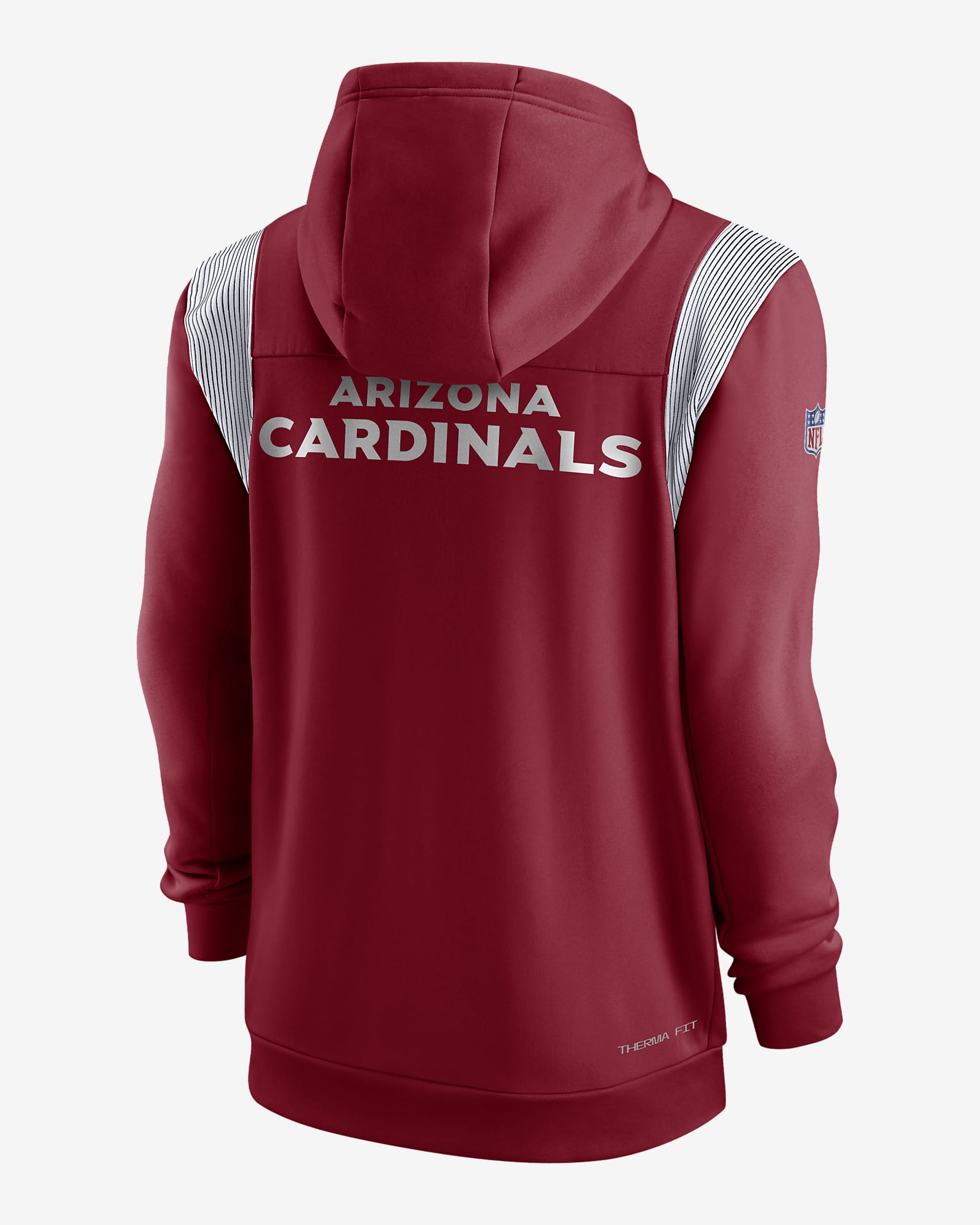
The Arizona Cardinals maintain a complex ecosystem of physical and intellectual materials that support their professional operations in the National Football League. This overview examines the core components of the organization’s branding guidelines, performance equipment standards, structural facility requirements at State Farm Stadium, and the archival material management necessary for maintaining the team’s historical legacy.
The Foundation of Arizona Cardinals Visual Identity
The visual identity of the Arizona Cardinals is governed by strict brand guidelines that ensure consistency across all media, apparel, and stadium signage. The transition of the organization’s aesthetic has historically focused on the evolution of the "Cardinal head" logo and the specific implementation of the team’s signature color palette: Cardinal Red, Black, and White.
Brand material management involves the precise use of color hex codes, Pantone matching, and logo isolation zones. For commercial partners and licensed merchandise manufacturers, these technical specifications are mandatory. The organization mandates that the cardinal head logo—a profile of the bird featuring a sharp, aggressive eye—must always face to the right. Deviations in the orientation of this graphic asset are prohibited, as they dilute the intellectual property value and historical recognition of the franchise.
Beyond the logo, typography plays a critical role. The font used for the team’s wordmarks and uniform lettering is custom-designed to convey speed and modernity. This material is treated as proprietary corporate data, requiring explicit licensing for any third-party reproduction. Understanding these branding requirements is essential for anyone dealing with team-affiliated media, as unauthorized use of these specific design materials constitutes a violation of NFL intellectual property protocols.
Performance Equipment and Player Safety Standards
In 2026, the material science behind Arizona Cardinals player equipment is governed by the league-wide mandates issued by the NFL and the NFL Players Association (NFLPA). The equipment used by players—ranging from helmets to shoulder pads and cleat outsoles—must undergo rigorous testing to ensure it meets impact attenuation standards.
The most critical material component is the protective headgear. The Cardinals’ equipment staff utilizes data-driven helmet selection processes based on the annual NFL/NFLPA helmet performance posters. These reports categorize helmets based on their ability to reduce rotational and linear impact forces. In 2026, the focus has shifted toward custom-fitted shell liners, which utilize 3D-scanned interior geometry to match the specific cranial contours of individual players, minimizing internal movement during high-velocity collisions.
Uniform materials represent another layer of specialized technology. Modern jerseys are composed of high-tenacity, moisture-wicking synthetic blends designed to maximize breathability while maintaining the structural integrity required to withstand extreme physical tension. These materials are treated with antimicrobial finishes to meet sanitation standards during the rigorous demands of a 17-game season. For the equipment staff, managing these physical assets involves a strict lifecycle management system where garments are tracked, laundered, and replaced at intervals determined by wear-and-tear analytics.
State Farm Stadium Facility Operations
The Arizona Cardinals’ home, State Farm Stadium, is a marvel of material engineering, most notably for its retractable grass field. Unlike traditional stadiums that rely on permanent turf, the Cardinals utilize a "roll-out" field system. The playing surface is housed in a massive steel tray that sits outside the stadium in the Arizona sunlight during the week to facilitate natural grass growth.
This system requires sophisticated logistical coordination. The material specifications for the tray involve high-tensile steel construction and a proprietary irrigation and drainage system that ensures the grass remains in peak condition despite the desert climate. The transition of this tray into the stadium is a mechanical process governed by complex structural load-bearing requirements.
In addition to the field, the interior of the stadium utilizes specialized acoustic materials to dampen noise for concerts and events while enhancing crowd noise during game days. Managing these architectural materials is a primary concern for stadium operations, as the longevity of the infrastructure depends on the maintenance of these specific, high-performance finishes.
Archival Preservation and Historical Assets
The "material overview" of the Cardinals extends to the historical artifacts that define the franchise, which dates back to the Chicago Cardinals, the oldest continuously run professional football franchise in the United States. The preservation of historical material—including film reels, original programs, and retired jerseys—is a specialized task that requires climate-controlled storage and archival-grade packaging.
Archivists for the team focus on digitizing brittle or degrading media. This involves high-resolution scanning of legacy photographs and the conversion of magnetic tapes (such as Betacam or VHS) into high-fidelity digital formats. By preserving these materials, the organization ensures that the history of the team remains accessible for future documentaries, museum exhibits, and digital hall-of-fame presentations. This process is not merely about storage; it is about cataloging metadata for every item, ensuring that researchers and team historians can locate specific assets without causing physical handling damage to the originals.
Material Comparison and Procurement Considerations
To understand the scope of the Cardinals' material requirements, it is helpful to categorize their primary asset classes and the standards to which they are held.
| Asset Class | Primary Material/Standard | Management Responsibility |
|---|---|---|
| Uniforms | High-tenacity synthetics | Equipment Manager |
| Protective Gear | Polycarbonate/Composite foam | NFL/NFLPA Safety Committee |
| Stadium Field | Natural Bermuda grass / Steel tray | Groundskeeper / Ops Lead |
| Brand Assets | Digital vectors / Pantone files | Marketing Department |
| Historical Archives | Acid-free storage / Digital server | Team Historian |
Troubleshooting and FAQ
1. Where can I find the official brand usage guidelines for the Arizona Cardinals? The Arizona Cardinals do not provide public access to their internal branding manuals. These materials are proprietary and are provided only to authorized partners, sponsors, and media agencies under strict non-disclosure agreements. Any inquiries regarding commercial usage must be directed to the team's official licensing office.
2. Are fans permitted to purchase game-worn material? Yes, the organization periodically auctions game-worn or team-issued equipment through the official Arizona Cardinals team auction portal. These items are accompanied by a Certificate of Authenticity (COA) to ensure the buyer that the physical asset is verified by the team’s own equipment tracking records.
3. What happens to the field material during the off-season? The roll-out field tray remains outside the stadium to receive optimal sunlight exposure. During the off-season, the sod is often replaced or treated by the grounds crew to ensure it is resilient enough for the upcoming season. The material composition of the turf involves specialized soil mixtures designed to withstand the heat of the Arizona climate.
4. How does the team handle the recycling of worn-out athletic gear? The organization adheres to strict sustainability protocols. Worn-out performance gear that no longer meets safety standards is either decommissioned and destroyed to prevent unauthorized use or recycled through certified industrial waste partners. This ensures that no compromised equipment enters the secondary market.
Strategic Recommendations
For those engaging with the organization as vendors, media, or researchers, the primary takeaway is the emphasis on verification and compliance. Whether you are dealing with a digital logo file or a physical piece of stadium infrastructure, every asset is categorized by a specific set of operational standards.
If you are seeking access to specific archival images for media purposes, ensure that your request includes the intended context, as the team prioritizes the protection of its historical narrative. For equipment and technology providers, compliance with the NFL’s safety and performance benchmarks is the non-negotiable barrier to entry. Always maintain direct contact with the appropriate department—whether it be the communications office for branding or the stadium operations team for facility-related inquiries—to ensure you are working with the most current material specifications.