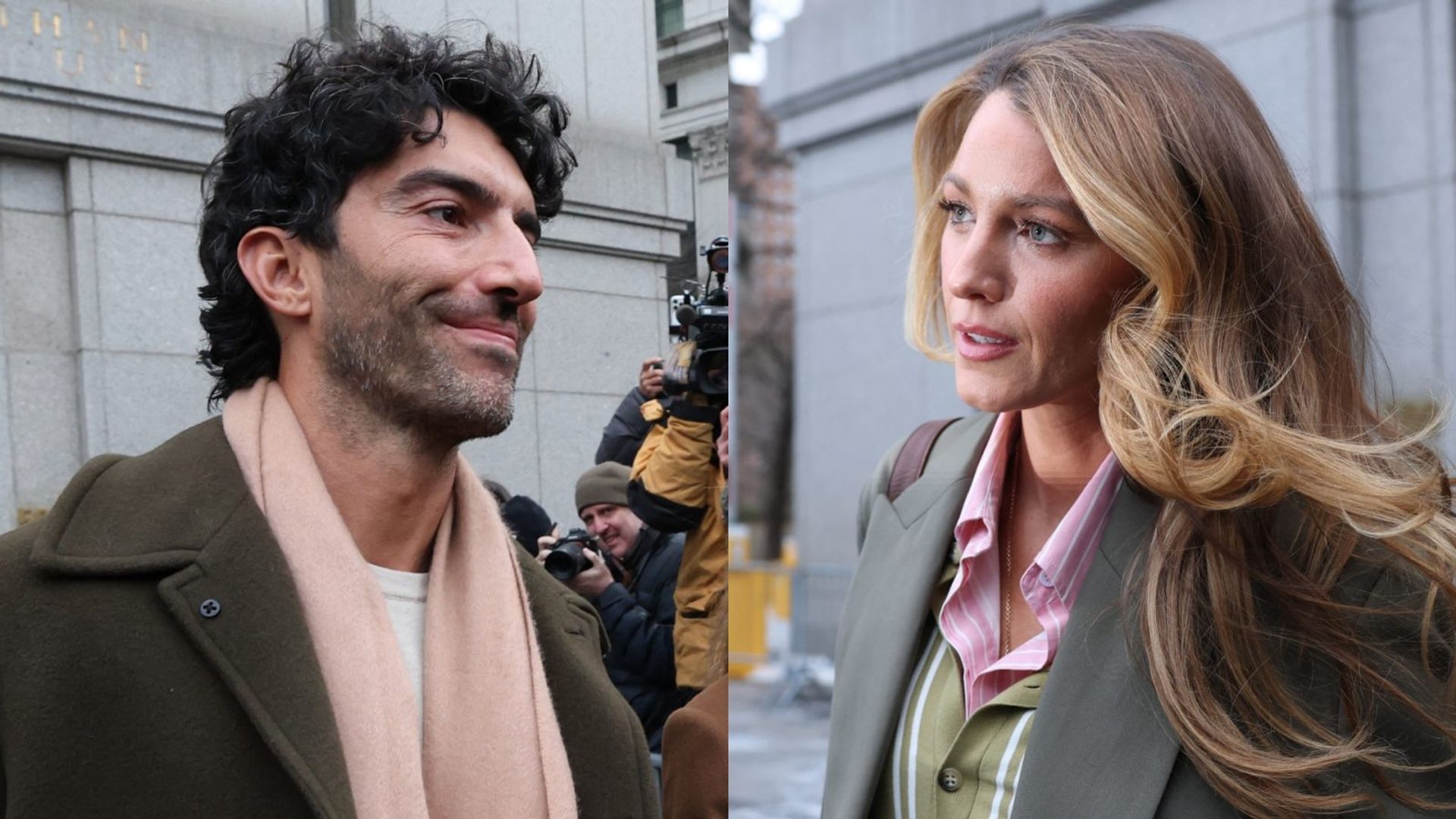
The intersection of Hollywood talent management, high-stakes independent production, and legal brinkmanship creates a volatile environment where corporate fallout can swiftly escalate into formal litigation. The reported friction between Endeavor CEO Ari Emanuel and actor-director Justin Baldoni underscores the deep structural tensions within the modern entertainment industry, particularly regarding creative control, distribution rights, and the power dynamics of major talent agencies. While public-facing disputes often appear as simple personality clashes, underlying corporate dynamics, contractual obligations, and strategic positioning typically drive these high-profile conflicts.
The Anatomy of Hollywood Power Dynamics and Representation
To understand any corporate fallout involving a major industry figure like Ari Emanuel, one must first examine the structural architecture of modern talent representation. Endeavor, operating as a publicly traded global sports and entertainment giant, commands immense influence through its subsidiary agencies, most notably WME (William Morris Endeavor). Ari Emanuel, as the chief executive of Endeavor, sits at the apex of this operational hierarchy. His leadership style is characterized by aggressive business strategies, corporate expansion, and an uncompromising approach to deal-making.
On the other side of these dynamics sit independent actor-directors, producers, and production companies like Justin Baldoni’s Wayfarer Studios. Wayfarer positions itself with a distinct ethos focused on purpose-driven media, social impact storytelling, and maintaining creative autonomy outside the traditional studio machine. This philosophical divergence creates an inherent operational friction when independent creators must navigate or partner with massive corporate conglomerates to finance, distribute, and market their projects.
When a project experiences friction during production, post-production, or promotional rollout, the fault lines quickly spread from the creative floor to the corporate boardroom. Talent agencies are tasked with balancing the commercial interests of their corporate stakeholders, the demands of studio financiers, and the artistic visions of their individual clients. When these competing interests cannot be reconciled, high-stakes fallout can occur, leading to stalled projects, fractured professional relationships, and, ultimately, legal maneuvering.
Catalysts for Corporate Fallout in Independent Production
The friction between major agency leadership and independent filmmakers typically stems from several recurring structural pressure points within the entertainment ecosystem:
- Creative Control Versus Commercial Mandates: Independent creators often fight to preserve their final cut and artistic vision, whereas corporate entities prioritize marketability, brand safety, and box-office or streaming viability.
- Financing and Distribution Disagreements: Securing backing from major studios or private equity often requires compromises that independent producers find restrictive. Disagreements over marketing budgets and release strategies frequently strain these alliances.
- Representation Conflicts: When an agency represents multiple parties with competing interests in a single project—such as the financiers, the lead talent, and the director—conflicts of interest can complicate loyalty and advocacy.
- Public Relations and Crisis Management: In the modern digital era, narrative control during a promotional campaign is vital. Disagreements over how to handle public relations crises or messaging friction can permanently fracture professional ties.
Legal Battlegrounds: Contracts, Defamation, and Breach of Duty
When corporate disagreements cross the threshold into legal battles, the disputes are typically litigated across several distinct legal categories. Understanding these avenues clarifies the mechanisms by which powerful figures and entities settle scores or protect their commercial interests.
| Legal Category | Typical Claim | Primary Focus in Entertainment Disputes |
|---|---|---|
| Contractual Breach | Breach of Contract / Covenant of Good Faith | Violations of production agreements, profit-participation terms, or representation contracts. |
| Fiduciary Duty | Breach of Fiduciary Duty | Claims that an agent or executive acted against the financial or professional best interests of a client. |
| Reputational Harm | Defamation / Tortious Interference | Disputes involving leaked stories, smear campaigns, or deliberate interference with business relationships. |
| Intellectual Property | Copyright / Trademark Disputes | Ownership and control of underlying source material, cuts of a film, or promotional assets. |
In high-profile disputes, formal lawsuits are often preceded by confidential settlement negotiations, demand letters, and arbitration threats. Entertainment law heavily relies on arbitration clauses embedded within standard talent agency and production agreements, meaning many contentious battles are resolved away from public courtrooms through private arbitration panels.
Comparative Overview: Corporate Agency Power vs. Independent Autonomy
| Feature | Major Corporate Agency (e.g., Endeavor/WME) | Independent Production Entity (e.g., Wayfarer Studios) |
|---|---|---|
| Primary Objective | Maximizing shareholder value, global expansion, multi-vertical monetization. | Executing a specific creative vision, purpose-driven storytelling, artistic independence. |
| Resource Access | Vast capital networks, cross-promotional platforms (sports, fashion, media), global reach. | Nimble funding models, private equity partnerships, targeted audience building. |
| Risk Tolerance | Generally conservative regarding brand risk and corporate liability; aggressive on deal terms. | Higher appetite for creative risk, but vulnerable to cash-flow and distribution bottlenecks. |
| Dispute Resolution | Institutional legal teams, standardized arbitration frameworks, aggressive defense postures. | Often reliant on external legal counsel, public narrative management, and settlement flexibility. |
Practical Implications for Industry Professionals
The fallout and legal disputes involving prominent figures serve as a cautionary case study for creators, producers, and executives operating within the entertainment industry. Navigating these turbulent waters requires careful preparation and a clear understanding of legal and contractual safeguards.
- Meticulous Contract Drafting: Ensure that all agreements explicitly define creative control, final cut privileges, and the boundaries of agency representation. Ambiguity in contracts is the primary catalyst for prolonged litigation.
- Clear Communication Protocols: Maintain contemporaneous written records of all strategic decisions, notes from studio or agency meetings, and directives regarding marketing and distribution.
- Proactive Conflict Management: When creative or corporate friction arises, involve specialized entertainment counsel early to mediate before positions harden into formal legal complaints.
- Understanding Fiduciary Boundaries: Clients must remain aware of the precise scope of their representation agreements and understand when an agent's dual obligations to multiple parties might compromise single-client advocacy.
Frequently Asked Questions
What role does Ari Emanuel typically play in high-profile entertainment disputes?
As the CEO of Endeavor, Ari Emanuel oversees a massive conglomerate that includes major talent representation and media assets. While he may not handle day-to-day representation directly, his leadership style and strategic directives heavily influence how the corporation handles high-stakes client relationships, crises, and business disputes.
Why do creative disagreements escalate into legal battles in Hollywood?
Disagreements escalate because massive financial stakes, intellectual property rights, and professional reputations are continuously on the line. When artistic visions clash with commercial realities, and parties cannot reach a settlement regarding distribution, credit, or compensation, they turn to the courts or arbitration.
How do talent agencies handle conflicts of interest with independent producers?
Talent agencies frequently represent multiple sides of a transaction—directors, actors, writers, and financiers. They manage these through internal conflict-of-interest waivers and ethical walls, though these mechanisms are frequently tested when high-profile projects face financial or creative distress.
Are entertainment disputes usually resolved in public courts?
Most high-profile entertainment disputes are resolved through confidential private arbitration rather than public trials. Standard industry contracts typically mandate arbitration clauses to protect proprietary business information and maintain industry discretion.
What is the significance of Wayfarer Studios in independent cinema?
Wayfarer Studios, co-founded by Justin Baldoni, focuses heavily on purpose-driven entertainment and independent financing models. This positioning often places it at a philosophical and structural odds with traditional studio systems and major agency conglomerates that prioritize conventional commercial metrics.
Conclusion and Next Steps
The corporate fallout and legal complexities surrounding industry leaders like Ari Emanuel and independent creators like Justin Baldoni highlight the fragile equilibrium of modern entertainment. For industry participants, the key takeaway is the absolute necessity of robust contractual protection, clear boundaries in representation, and vigilant management of corporate partnerships. Anyone entering into high-stakes multi-party productions should consult specialized entertainment litigators and transactional attorneys to review governance structures, arbitration clauses, and intellectual property rights before production commences.