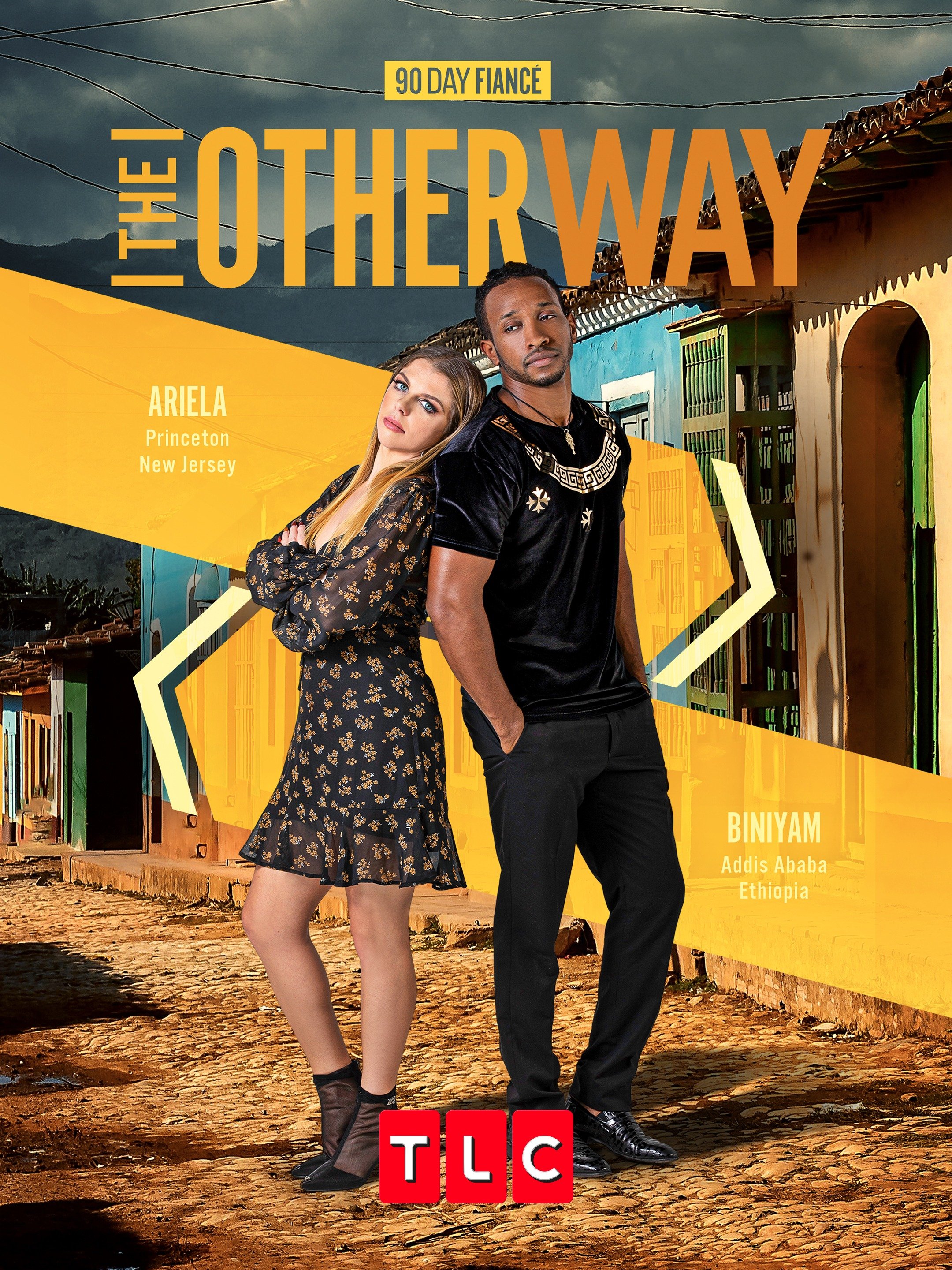
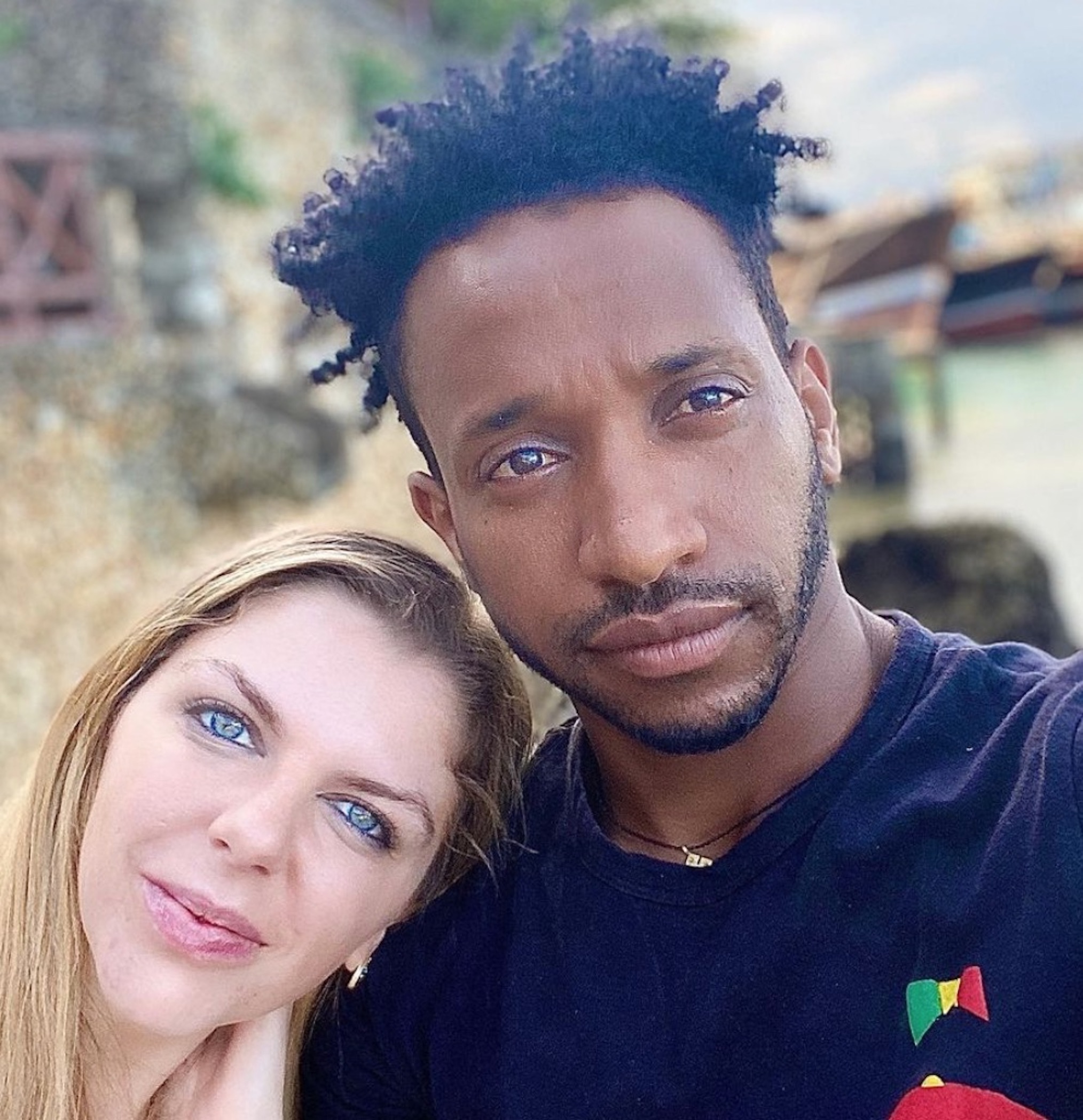
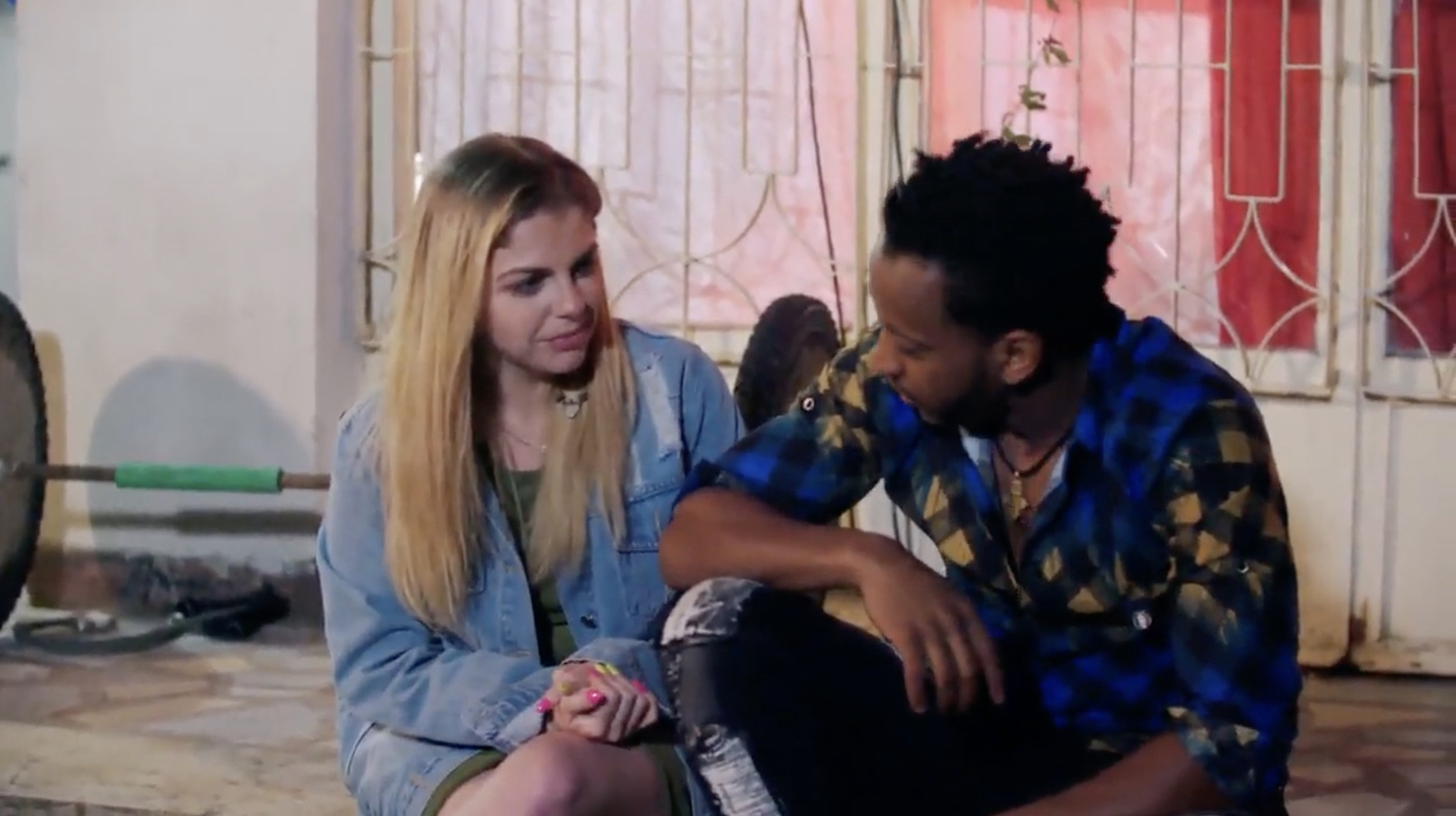
Ariela Weinberg and Biniyam Shibre’s journey on 90 Day Fiancé: The Other Way chronicles a high-stakes cross-cultural relationship defined by unexpected pregnancy, relocation to Ethiopia, intense family pressures, and an eventual move to the United States. Their story highlights the complexities of international romance, blending deep emotional bonds with the practical realities of blending two vastly different cultures and legal systems.
Introduction to Ari and Biniyam’s Cultural and Personal Backgrounds
The narrative of Ariela Weinberg and Biniyam Shibre began long before cameras started rolling for TLC’s hit reality franchise. Ariela, a freelance writer and global traveler from Princeton, New Jersey, was previously married to a man she met while traveling abroad. Following her divorce, she embarked on another journey of self-discovery that led her to Addis Ababa, Ethiopia. During a fateful taxi ride in the capital city, she caught the eye of Biniyam Shibre, a multi-talented local entertainer, dancer, martial artist, and personal trainer.
Biniyam was already a familiar face in local entertainment circles and had been previously married to an American woman, with whom he shared a young son. This background meant Biniyam was intimately familiar with the complexities, expectations, and scrutiny that come with an international relationship. Despite a whirlwind courtship, their lives changed forever when Ariela discovered she was pregnant. Facing a major crossroads, Ariela decided to leave the comfort of the United States to have the baby in Ethiopia, setting the stage for their dramatic entry into 90 Day Fiancé: The Other Way.
Pregnancy, Childbirth, and Early Struggles in Ethiopia
When Ariela moved to Ethiopia to build a life with Biniyam, the cultural differences and lifestyle adjustments became immediately apparent. Relocating from suburban New Jersey to Addis Ababa presented immediate hurdles, particularly regarding healthcare standards, housing, and daily infrastructure. Ariela’s mother, Janice Weinberg, a seasoned nurse, accompanied her daughter to Ethiopia to inspect the living conditions and evaluate local obstetric care, injecting a layer of maternal anxiety into the narrative.
The couple's housing situation became an early source of tension. Biniyam secured an apartment for them, but Ariela found it substandard, lacking basic amenities she considered essential for raising a newborn, such as reliable running water and a modern kitchen. Financial strain compounded these stresses. Biniyam worked multiple jobs—dancing, modeling, and training—but earning a living wage in Ethiopia's fluctuating economy was difficult.
The emotional pinnacle of this chapter was the birth of their son, Aviel Shibre, via a scheduled cesarean section. While the arrival of Aviel brought immense joy, it also amplified cultural tensions regarding child-rearing philosophies. Ariela favored Western pediatric guidelines and independence, while Biniyam and his family advocated for traditional Ethiopian parenting styles. These disagreements formed a recurring theme in their storyline, testing the structural integrity of their relationship.
Religious Differences and Family Pressures
As Ariela and Biniyam attempted to build a stable family unit, underlying religious and familial expectations created friction. Biniyam is a devout Ethiopian Orthodox Christian, while Ariela comes from a Jewish background. In Ethiopian culture, religious identity and community integration hold profound significance. Biniyam’s family expressed deep concern over how Aviel would be raised and whether Ariela would commit to traditional cultural norms.
A critical milestone in their journey was the baptism of baby Aviel in the Ethiopian Orthodox Church. While the ceremony was deeply meaningful to Biniyam and his family, Ariela experienced severe anxiety regarding the rituals and the intense public pressure. Biniyam’s sisters, insbesondere Wish and Mimi, were fiercely protective of their brother and skeptical of Ariela’s commitment to staying in Ethiopia long-term. Their direct, confrontational communication style often clashed with Ariela’s sensitivities, leading to emotional confrontations that tested Biniyam’s ability to mediate between his fiancée and his family.
Furthermore, Biniyam’s ambition to build a career as an MMA fighter and professional performer added another layer of stress. Training consumed hours of his day, leaving Ariela feeling isolated and lonely in a foreign country where she had few social connections outside of Biniyam’s immediate circle.
| Season / Phase | Location | Primary Conflict | Key Milestone |
|---|---|---|---|
| Season 2 | Ethiopia | Housing standards, pregnancy, and cultural clashes with Biniyam's family | Birth of son Aviel; baby's baptism |
| Season 3 | Ethiopia | Financial instability, career ambitions, and potential relocation to the US | Decision to pursue a K-1 visa or CR-1 visa |
| Season 9 | United States | Visa approval, adjustment to American life, and MMA career pursuits | Relocation to New Jersey; wedding ceremony |
Transitioning to the United States: The K-1 Visa and New Jersey Move
The dynamic of Ari and Biniyam’s relationship shifted dramatically when they transitioned from The Other Way format to standard franchise appearances, focusing on bringing Biniyam to the United States. Securing a visa required navigating complex immigration protocols, background checks, and embassy interviews. Once Biniyam was granted travel authorization and arrived in the United States, the couple faced a new set of adjustment challenges.
Relocating to New Jersey placed Biniyam in an environment vastly different from Addis Ababa. While he was excited about pursuing American career opportunities—specifically in mixed martial arts (MMA) and professional wrestling—he experienced profound homesickness and culture shock. Ariela’s parents played a supportive yet hands-on role during this period, providing housing and financial guidance that sometimes rubbed Biniyam the wrong way, as he desired to be the primary provider for his family.
Balancing training schedules, language nuances, and the pressures of integration strained their marriage. Biniyam dedicated significant time to his MMA training gym, striving for a professional fighting contract, while Ariela managed household responsibilities and her own career aspirations. Trust issues from their past—including jealousy surrounding Biniyam’s female dance partners in Ethiopia—occasionally resurfaced, requiring counseling and open communication to resolve.
Wedding Bells and Marital Evolution
Despite the hurdles, cultural misunderstandings, and family interventions, Ariela and Biniyam solidified their commitment through marriage. Their wedding ceremony in the United States brought together family members and friends, marking a formal chapter in their multi-year television journey. The wedding symbolized not only a legal union but also a compromise between their respective cultural backgrounds.
In the years following their wedding, the couple has continued to navigate the realities of public life, parenting young Aviel, and balancing their professional ambitions. While reality television often amplifies interpersonal conflict for dramatic effect, Ariela and Biniyam have consistently emphasized their dedication to personal growth and family stability. Their trajectory reflects the broader realities of international couples attempting to bridge geographic, cultural, and familial divides under the global spotlight of reality television.
Frequently Asked Questions
When did Ariela and Biniyam first meet?
Ariela and Biniyam met in Addis Ababa, Ethiopia, when Ariela was traveling through the country following her divorce. They crossed paths in a taxi, sparking an immediate connection that led to a whirlwind romance and eventually resulted in Ariela’s relocation to Ethiopia.
Do Ariela and Biniyam have children together?
Yes, they share one son, Aviel Shibre, who was born in Ethiopia during Season 2 of 90 Day Fiancé: The Other Way. Aviel’s upbringing, healthcare, and religious upbringing have been major focal points of their storyline across multiple seasons.
Where do Ariela and Biniyam currently live?
After spending several years living in Addis Ababa, Ethiopia, the couple relocated to the United States. They currently reside in New Jersey, where Biniyam has pursued career opportunities in mixed martial arts and entertainment.
What were the biggest challenges in their relationship?
Their primary challenges included cultural and religious differences, lifestyle adjustments between the US and Ethiopia, financial instability, intense scrutiny and involvement from Biniyam’s family, and managing trust issues related to Biniyam’s career as a dancer and fighter.
Are Ariela and Biniyam still together?
Yes, Ariela and Biniyam are married and continue their relationship in the United States, actively co-parenting their son while balancing their respective career goals and personal development.
Conclusion and Next Actions
Ari and Biniyam’s journey on 90 Day Fiancé: The Other Way offers a compelling study in cross-cultural resilience, family dynamics, and the pursuit of love across international borders. For viewers and followers interested in deeper insights into the franchise, exploring official TLC programming updates, cast interviews, and social media channels provides an authentic window into their ongoing post-reality television lives.