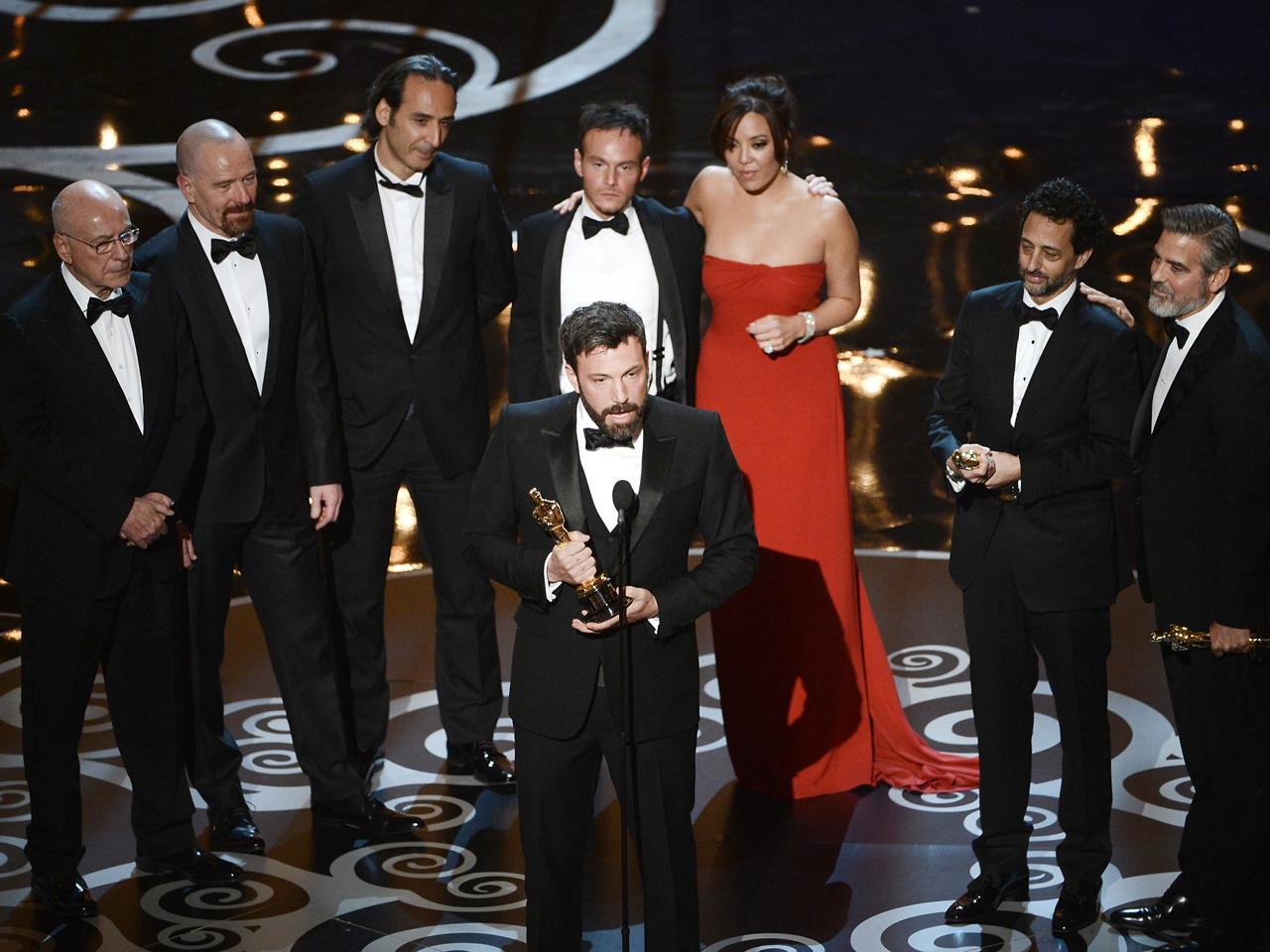
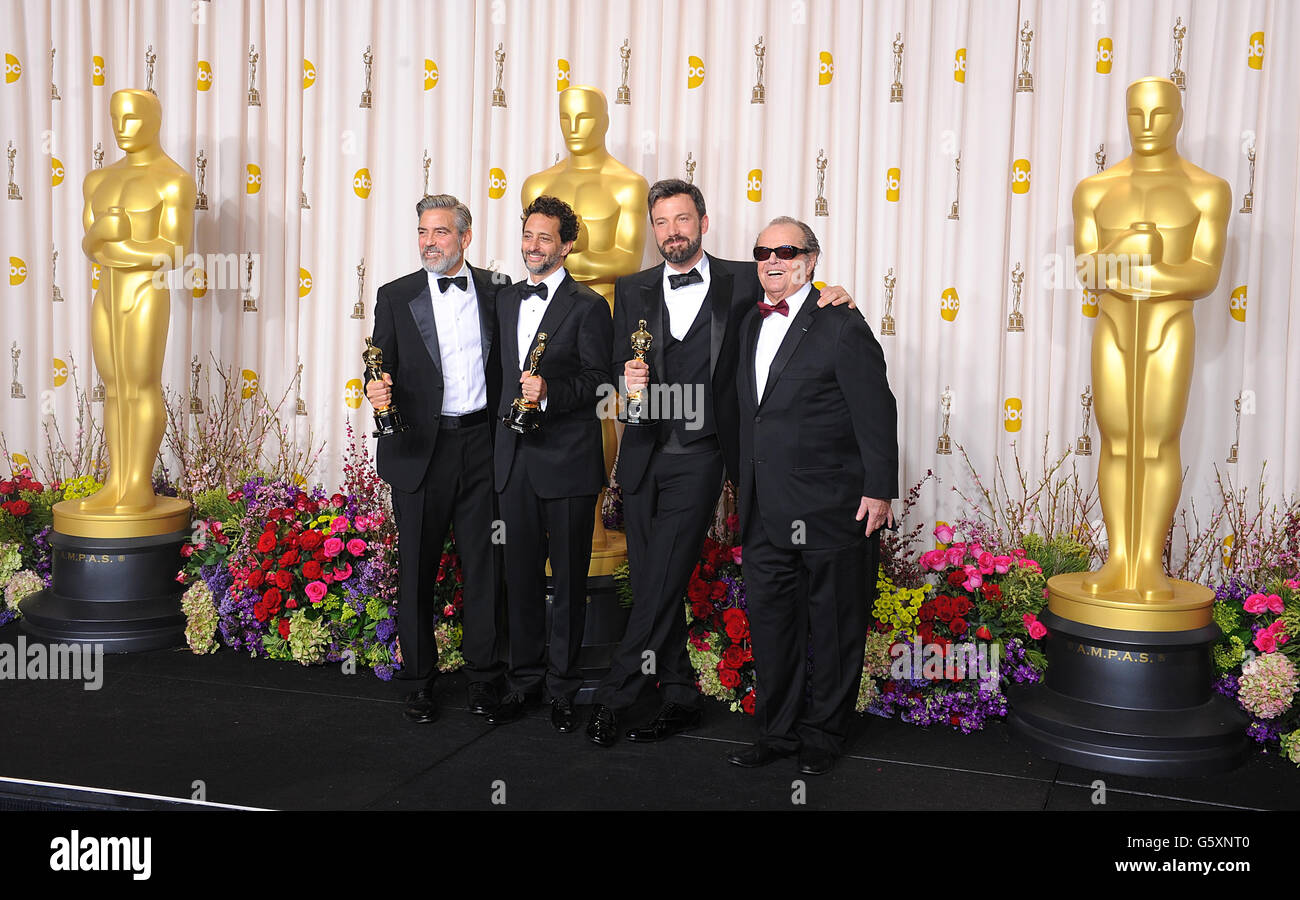
The 2013 Academy Awards ceremony, honoring the best films of 2012, delivered a historic moment when Ben Affleck's political thriller Argo won the Academy Award for Best Picture. This victory immediately ignited a fierce, enduring debate across film criticism, industry circles, and pop culture regarding the historical accuracy of the film's narrative, the political optics of its win, and its place among cinematic masterpieces.
To understand why Argo and its Best Picture win remain a focal point of discussion years later, one must examine the intersection of Hollywood myth-making, geopolitical history, international diplomacy, and the mechanics of Academy Award campaigning. This comprehensive analysis breaks down the anatomy of the film, the controversies surrounding its historical fidelity, the dynamics of the 2012–2013 awards season, and the long-term legacy of its triumph.
The Cinematic Scope and Narrative Foundation of Argo
Directed by and starring Ben Affleck, Argo adapts a staggering real-life rescue mission executed during the 1979 Iran hostage crisis. The core premise follows CIA exfiltration expert Tony Mendez, who concocts a daring ruse: pose as a Hollywood film crew scouting locations in Tehran for a cheesy science-fiction movie titled Argo, thereby providing an explicit cover story to rescue six American diplomats hiding in the home of Canadian Ambassador Ken Taylor.
Production and Dramatic Structure
Released by Warner Bros. in October 2012, the film was praised by mainstream critics for its taut pacing, atmospheric tension, and period-accurate aesthetic. Working from a script by Chris Terrio—which adapted a 2007 Wired magazine article by Joshuah Bearman alongside Mendez's own memoirs—the production team meticulously recreated late-1970s Washington, D.C., and Tehran.
The film relies heavily on the language of cinema itself as a structural device. By framing the escape as a fake movie production, Affleck plays with meta-narrative themes, demonstrating how Hollywood illusion can manifest real-world salvation. This clever self-referential framework deeply resonated with Academy voters, who naturally gravitate toward stories celebrating the power of the film industry.
Critical Reception Upon Release
Upon its theatrical debut, Argo garnered widespread acclaim. Critics lauded its blend of political thriller elements and dry, cynical comedy about the film business. It achieved a rare combination of commercial success and critical validation, grossing over $230 million worldwide against a modest $44 million budget. This box-office momentum provided a solid foundation for what would eventually become an unstoppable awards-season juggernaut.
The Core Controversy: Hollywood History vs. Fact
Despite its cinematic virtues, the victory of Argo unleashed a wave of scrutiny regarding its historical liberties. As historians, journalists, and participants in the actual event came forward, a stark discrepancy emerged between the real rescue operation and the Hollywood adaptation.
Minimizing International Contributions
The most prominent criticism leveled against Argo concerned its handling of foreign diplomatic allies, most notably Canada and the United Kingdom. In reality, the Canadian government—specifically Ambassador Ken Taylor and immigration officer John Sheardown—risked their lives and diplomatic standing to shelter the six Americans for months, coordinating closely with Ottawa.
Furthermore, British and New Zealand diplomats played crucial roles in assisting the escapees, securing travel documents and logistical support. The film minimizes these contributions, shifting the dramatic focus entirely onto the American CIA operative Tony Mendez and American agency bureaucracy. This jingoistic framing drew sharp rebukes from Canadian politicians and journalists, with former Canadian Prime Minister Joe Clark publicly noting that the film distorted history to place an American hero at the center of a fundamentally international effort.
Fabricating Dramatic Tension
Hollywood biopics and historical dramas routinely compress timelines and invent obstacles for narrative momentum, but Argo pushed these conventions to extremes in its third act. The film’s climax features a nail-biting sequence at the Mehrabad International Airport in Tehran, where the escaping diplomats face bureaucratic blockades, revoked boarding passes, last-minute telex verifications, and an intense car chase down the runway as Iranian Revolutionary Guards give chase in vehicles.
In historical reality, none of this happened. The departure from Tehran was smooth, quiet, and uneventful. The boarding passes were secured without incident, the flight departed on schedule, and the Iranian authorities did not discover the ruse until long after the aircraft had entered international airspace.
While film critics argued that such embellishments are standard practice for dramatic thrillers, historians countered that framing the event as a high-stakes action thriller fundamentally misrepresented the quiet, dangerous, and highly coordinated diplomatic intelligence work required to execute the mission successfully.
| Narrative Element | Argo (2012 Film Version) | Real Historical Event (1980) |
|---|---|---|
| Canadian Involvement | Depicted as secondary coordinators; Ambassador Taylor takes a backseat to CIA actions. | Canadian diplomats sheltered the six Americans in their homes for 79 days at great personal risk. |
| British and Kiwi Roles | Largely omitted from the main narrative arc. | British and New Zealand embassies actively assisted with logistics and shelter. |
| Airport Climax | Last-minute ticket verification issues, frantic phone calls to Washington, and a runway car chase. | A completely calm, routine departure with zero interference from airport guards or security. |
| Tony Mendez’s Role | Personally present throughout the entire harrowing escape sequence in Tehran. | Mendez flew out of Iran with the group, but the operation relied heavily on embassy staff. |
The 2012–2013 Awards Season Dynamics
To understand how Argo secured the Academy Award for Best Picture, one must analyze the unique political and structural ecosystem of the 85th Academy Awards. The race remains one of the most unpredictable and unconventional in modern Oscar history.
The Ben Affleck Snub
The narrative of Argo during the awards season was heavily defined by an unprecedented snub: Ben Affleck was not nominated for Best Director. Historically, winning Best Picture without a corresponding Best Director nomination was considered an almost insurmountable statistical hurdle; prior to Argo, it had only occurred a handful of times in Oscar history, most recently with Driving Miss Daisy in 1990.
This exclusion created immediate sympathy for the film and galvanized the Directors Guild of America (DGA), the Producers Guild of America (PGA), and the Screen Actors Guild (SAG), all of which subsequently awarded Argo their top prizes. Industry professionals rallied around Affleck, viewing his directorial omission as an egregious oversight by the Academy’s directors branch. Consequently, voting for Argo in the Best Picture category became a proxy method for validating Affleck’s directorial achievement.
A Crowded and Divisive Slate
The 2012 Best Picture field featured an exceptionally strong and diverse slate of nominees, which split the voting bloc and allowed Argo to build a broad consensus:
- Lincoln: Steven Spielberg’s sweeping historical epic entered the season as the presumptive frontrunner, boasting twelve nominations and immense critical prestige. However, some voters ultimately found it dry and overly reverential.
- Zero Dark Thirty: Kathryn Bigelow’s gripping chronicle of the hunt for Osama bin Laden faced intense political controversy regarding its depiction of CIA torture, which derailed its frontrunner status late in the voting window.
- Life of Pi: Ang Lee’s visually stunning technical marvel won four Oscars, including Best Director, but struggled to capture the top prize.
- Les Misérables, Silver Linings Playbook, Beasts of the Southern Wild, Django Unchained, and Amour rounded out an eclectic lineup.
Because the Academy used the preferential voting system for the Best Picture category—where members rank films from first to last—Argo functioned as the ultimate compromise candidate. While it may not have been every voter's absolute first choice, it possessed virtually zero polarizing detractors, allowing it to accumulate second- and third-place votes and steadily climb to victory.
Cultural Impact and Long-Term Legacy
More than a decade after its release, the legacy of Argo and its Best Picture win extends far beyond box office receipts or statuettes on a mantelpiece. It serves as a definitive case study in how modern Hollywood navigates geopolitical history, public relations, and the mechanics of prestige filmmaking.
Redefining Political Thrillers
Argo demonstrated that intelligent, mid-budget political thrillers could achieve massive commercial viability if packaged with high-concept hooks and accessible pacing. It bridged the gap between the gritty political paranoid thrillers of the 1970s (All the President's Men, The Parallax View) and modern studio gloss. In doing so, it established a blueprint for how studios could market complex international crises to mainstream global audiences without alienating casual moviegoers.
The Evolution of Oscar Campaigning
The film's triumph also marked a turning point in how awards campaigns are executed. The exploitation of industry guild awards as momentum-builders, combined with strategic narrative-building around perceived snubs (such as Affleck’s director exclusion), proved that emotional framing can outweigh traditional statistical metrics during voting cycles.
Furthermore, the post-release controversies surrounding its historical inaccuracies prompted a broader cultural conversation about cinematic license. Critics and audiences became increasingly vocal about demanding historical accountability from films marketed as "based on a true story," leading to heightened scrutiny of subsequent biographical and historical releases.
Conclusion and Next Actions
The debate surrounding Argo and its Best Picture victory encapsulates the perpetual tension between artistic license and historical truth in cinema. While the film took significant, nationally slanted liberties with the rescue of the American diplomats, it remains an impeccably crafted, highly suspenseful thriller that mastered the art of awards-season strategy.
For film enthusiasts, historians, and screenwriters, analyzing Argo offers critical lessons in dramatic adaptation. When engaging with historical films, viewers should verify claims against primary historical documentation, consult independent journalistic accounts, and appreciate cinematic works as artistic interpretations rather than textbook documentaries.