Ari Graynor’s compelling performance in Monsters: The Lyle and Erik Menendez Story brings a layer of psychological depth and critical commentary to the true-crime television landscape, illustrating why exploring the myths behind headline-grabbing trials matters. By taking on the role of Leslie Abramson—the fierce, uncompromising defense attorney who championed the Menendez brothers—Graynor anchors a narrative that forces audiences to reexamine systemic trauma, public sensationalism, and the societal structures that transform real-life tragedy into enduring cultural mythologies.
Understanding the True-Crime Phenomenon and Monsters
The true-crime genre has experienced an unprecedented resurgence in the digital age, dominating streaming platforms and podcast networks. Yet, this mass consumption often abstracts human suffering into entertainment. Ryan Murphy and Ian Brennan’s anthology series Monsters, specifically its second season focusing on Lyle and Erik Menendez, attempts to subvert this by unpacking the narratives constructed by the media, the prosecution, and the defense during the 1990s legal proceedings.
When a sensational criminal case enters the cultural zeitgeist, it rarely remains a simple legal dispute. Instead, it transforms into a modern myth. Myths in this context do not mean falsehoods; rather, they are culturally shared stories that society uses to make sense of deep-seated anxieties regarding power, family dynamics, gender roles, and institutional failures. The Menendez case became a lightning rod because it challenged traditional perceptions of victimhood and abuse, particularly involving male survivors.
Ari Graynor’s Portrayal of Leslie Abramson
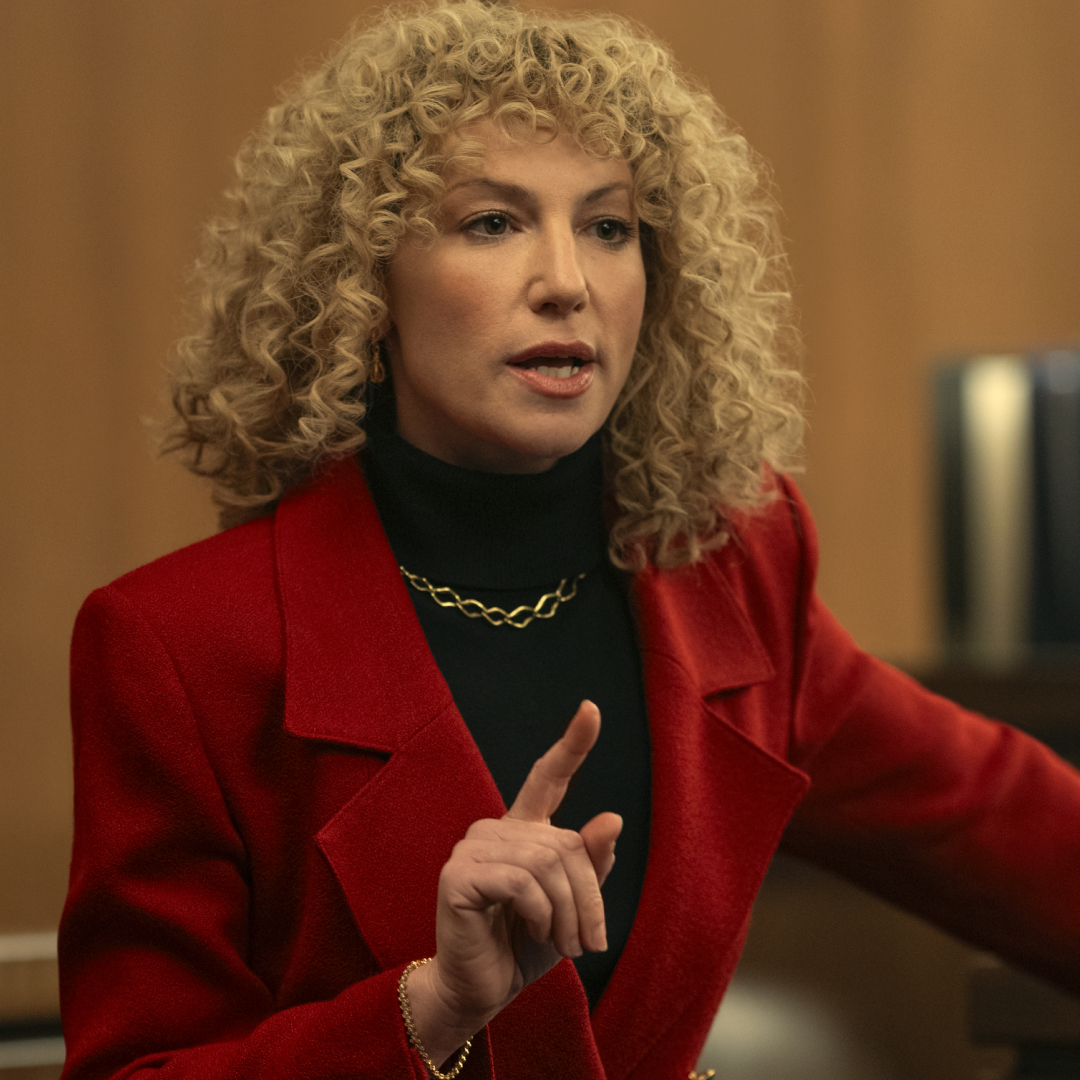
At the heart of the analytical and dramatic weight of Monsters is Ari Graynor’s transformation into Leslie Abramson. Abramson was a polarizing figure during the trials, known for her sharp intellect, curly blonde hair, passionate advocacy, and relentless questioning of the systemic failures that allowed domestic abuse to go unaddressed.
Graynor’s performance avoids cartoonish mimicry, instead capturing the profound exhaustion, fierce loyalty, and moral urgency of a defense attorney fighting against a legal and social apparatus that was largely closed to the realities of severe familial abuse. Through Graynor, the series explores the perspective of someone standing outside the mainstream consensus, attempting to force a rigid court system to acknowledge messy, uncomfortable psychological truths.
The Significance of the Defense Strategy
To understand why the myth matters, one must examine the legal battle lines drawn by Abramson. The defense argued that Lyle and Erik Menendez acted out of a reasonable fear for their lives after enduring years of severe physical, emotional, and sexual abuse by their father, Jose Menendez, with the tacit complicity or neglect of their mother, Kitty Menendez.
- The First Trial (1993): Resulted in deadlocked juries, largely because the jury split along gender lines, with women more inclined to believe the abuse allegations and consider manslaughter charges rather than first-degree murder.
- The Second Trial (1995): Presided over by a different judge who severely restricted evidence and testimony regarding the alleged abuse, heavily neutralizing the defense's core argument and leading to the eventual convictions of first-degree murder with sentences of life without parole.
Graynor’s portrayal highlights the uphill battle Abramson faced. By centering the character of Abramson, the series highlights how legal systems historically struggled—and often continue to struggle—to process complex trauma, particularly when the victims do not fit the narrow, idealized archetype of the "blameless victim."
Deconstructing the Cultural Myth of the Menendez Brothers
Media coverage in the early 1990s frequently reduced Lyle and Erik to wealthy, spoiled sociopaths driven purely by greed for their parents' estate. This narrative served a comforting societal function: it framed the murders as an anomaly perpetrated by uniquely corrupted youth from an affluent Beverly Hills background, leaving the broader structures of wealthy suburban family life and child abuse unquestioned.
When contemporary retellings like Monsters revisit these events, they ask viewers to confront how public mythologies are manufactured. The table below outlines the contrast between the 1990s media myth and the nuanced reevaluations brought forward by modern dramatic and journalistic examinations.
| Element | 1990s Media Narrative (The Myth) | Modern Critical Reevaluation (The Reality) |
|---|---|---|
| Motive | Pure greed, entitlement, and a desire to inherit family wealth immediately. | A complex mixture of desperation, fear, and the cumulative psychological toll of lifelong abuse. |
| Victimhood | Jose and Kitty Menendez framed purely as innocent victims of unprovoked patricide. | Parents examined through the lens of alleged severe domestic tyranny, psychological control, and abuse. |
| Legal Framing | Simple premeditated murder executed by cold-blooded killers. | A catastrophic failure of the judicial system to properly weigh evidence of long-term trauma and battered person syndrome in male defendants. |
| Public Perception | Tabloid fodder, punchlines, and sensationalized nighttime television staples. | A cautionary tale regarding media bias, sensationalism, and the societal erasure of male abuse victims. |
Why the Myth Matters Today
Examining why the myth matters requires looking at how stories shape contemporary legal reforms, cultural empathy, and our understanding of justice. The fascination with the Menendez case is not merely nostalgic or morbid; it is an ongoing cultural reckoning.
The Evolution of Public Empathy for Abuse Survivors
In the decades since the original trials, public discourse surrounding domestic violence, sexual abuse, and post-traumatic stress has evolved significantly. Behaviors and psychological responses that were mocked or disbelieved by juries in the 1990s—such as delayed reporting, remaining in an abusive household, or appearing emotionally detached—are now better understood by psychologists and legal experts. Graynor’s performance allows modern audiences to view the trial through an updated lens, recognizing how institutional misogyny and skepticism toward survivors shaped the original outcomes.
The Role of Prestige Television in Historical Revision
Anthology series and true-crime dramas hold immense cultural power. They do not replace court records or investigative journalism, but they serve as cultural catalysts. By humanizing the legal actors, such as Abramson, and refusing to flatten the defendants into simple caricatures, performances like Graynor's prompt public debates about parole, clemency, and the systemic sentencing of individuals who committed crimes under the weight of sustained abuse.
Frequently Asked Questions
Who does Ari Graynor play in Monsters?
Ari Graynor plays Leslie Abramson, the high-profile and fiercely protective defense attorney who represented Erik Menendez during the highly publicized 1990s murder trials. Abramson was recognized for her distinctive appearance, brilliant legal mind, and pioneering efforts to introduce evidence of childhood trauma into the courtroom.
What is the primary theme of Monsters: The Lyle and Erik Menendez Story?
The series explores the blurred lines between sensationalized true-crime entertainment and historical reality. It examines the complex family dynamics, allegations of severe abuse, the failings of the judicial process, and the ways media sensationalism constructs enduring cultural myths about crime and victimhood.
How accurate is Ari Graynor’s portrayal of Leslie Abramson?
While Monsters is a dramatic television series that employs creative license for narrative tension and character development, Graynor’s portrayal captures the core attributes of Abramson’s legal philosophy: her passionate advocacy, her skepticism of institutional power, and her fierce dedication to defending her clients against a hostile legal environment.
Why is the Menendez brothers' case still relevant today?
The case remains a watershed moment in discussions regarding how the legal system handles domestic abuse, particularly involving male victims. Shifts in public awareness concerning trauma, mental health, and the ethics of media sensationalism have prompted renewed calls for legal reviews, parole consideration, and a reexamination of the original verdicts.
What does "why the myth matters" mean in the context of true crime?
It refers to the idea that the stories society tells about high-profile crimes often reveal more about cultural anxieties, systemic biases, and collective psychology than about the literal facts of a case. Examining these myths allows society to correct historical blind spots and improve how contemporary institutions handle justice and trauma.
Conclusion and Next Actions
Ari Graynor’s work in Monsters demonstrates that revisiting historical legal dramas is most valuable when it challenges viewers to look beyond tabloid headlines and interrogate the systems behind them. To deepen your understanding of this subject, consider exploring primary source documentaries, reading transcripts from the 1993 and 1995 trials, and following contemporary legal advocacy updates regarding ongoing petitions for resentencing and clemency for Lyle and Erik Menendez.