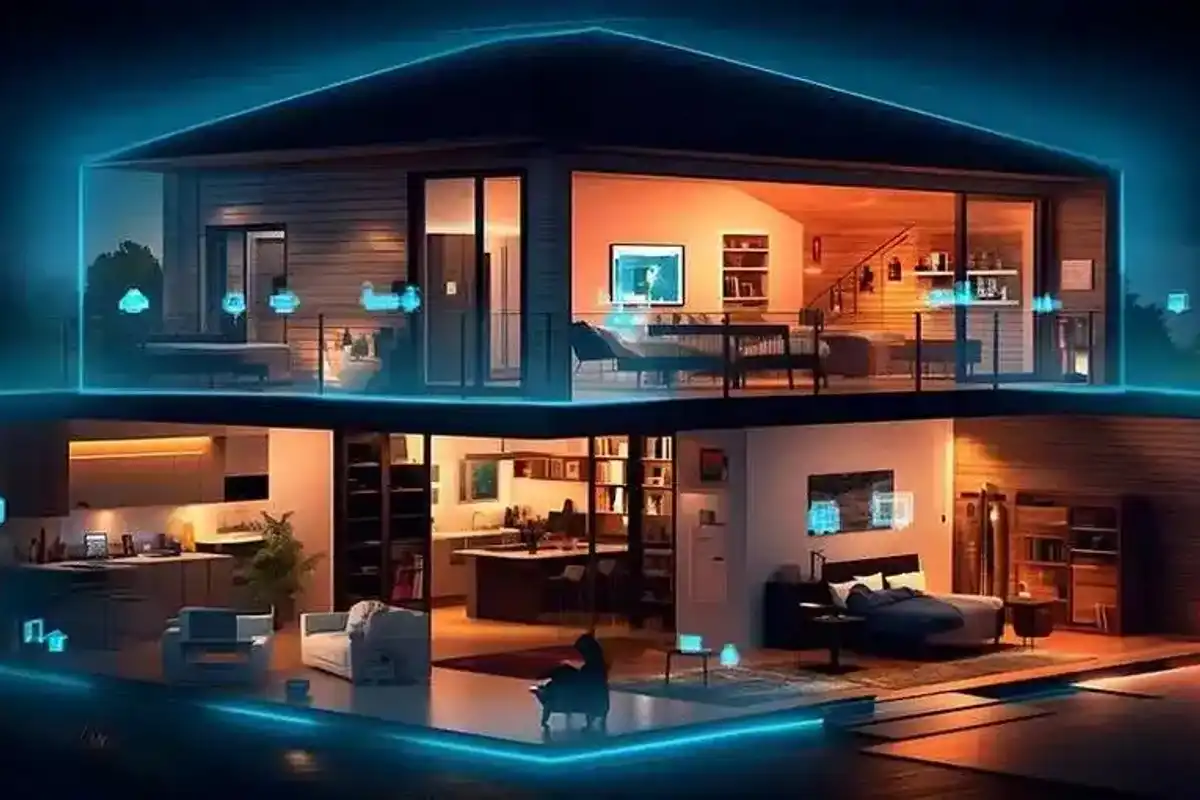
Ari Fletcher’s public engagement with high-end living spaces highlights a broader cultural shift toward integrated automation, luxury aesthetics, and functional elegance in modern real estate. As public figures share their architectural choices and interior transformations, automated property management, ambient lighting control, and customized security networks have transitioned from niche technology projects into mainstream luxury standards.
The Intersection of Celebrity Culture and Modern Real Estate
The public fascination with the living spaces of prominent personalities like Ari Fletcher reflects a wider evolution in how homes are conceptualized, built, and showcased. In contemporary media, residential architecture is no longer viewed purely through the lens of square footage or traditional luxury finishes. Instead, the modern home is evaluated by its ability to merge high-end interior design with seamless, invisible technology.
When digital creators, entrepreneurs, and entertainment figures document their real estate journeys, they often spotlight custom upgrades that prioritize convenience, security, and atmosphere. This visibility acts as a cultural catalyst. Elements that were once exclusive to commercial complexes or custom-built mansions—such as motorized architectural shades, whole-house audio distributions, and biometric access controls—are now heavily searched and requested by everyday homeowners looking to replicate that level of sophistication.
Furthermore, the rise of smart home design corresponds with a shift in consumer values. Today’s homeowners expect their environments to adapt to their routines automatically. The synergy between interior designers and automation integrators has created a new standard where technology enhances aesthetic choices rather than disrupting them.
Defining Smart Home Design: Beyond Gadgets
True smart home design differs fundamentally from simply purchasing off-the-shelf smart plugs or voice-activated assistants. While retail gadgets offer modular convenience, integrated smart home design treats technology as a core architectural building block. This approach requires planning infrastructure during the architectural design phase or a comprehensive renovation.
Core Architectural Layers of Smart Infrastructure
An effective modern smart home relies on a multi-tiered ecosystem that operates cohesively behind the walls:
- Robust Network Backbone: High-capacity enterprise-grade routers, structured wiring (such as Category 6A or fiber-optic cables), and strategically placed wireless access points ensure zero latency and uninterrupted bandwidth for dozens of connected devices.
- Centralized Automation Processors: The "brain" of the home coordinates disparate systems—lighting, climate, audio-video, and security—allowing them to communicate via unified communication protocols like Zigbee, Z-Wave, Thread, or hardwired KNX/Crestron systems.
- Power and Load Management: Smart electrical panels and automated dimming modules manage energy distribution, protecting sensitive equipment and optimizing power consumption across large estates.
- Aesthetic Integration: Hardware components such as architectural keypads, motorized window treatments, and flush-mounted ceiling speakers are designed to complement interior finishes rather than distract from them.
| Technology Layer | Primary Function | Standard Protocol / Hardware | Maintenance & Upkeep |
|---|---|---|---|
| Network Infrastructure | Data distribution & device connectivity | Cat 6A, Wi-Fi 6/7, Fiber | Firmware updates every 6–12 months |
| Environmental Control | Automated HVAC & climate zoning | BACnet, Wi-Fi thermostats, sensors | Annual filter & sensor calibration |
| Architectural Lighting | Scene setting & circadian rhythm alignment | DALI, Phase-dimming, Lutron | Driver checks; rare LED replacement |
| Security & Access | Biometrics, surveillance, perimeter monitoring | IP-based cameras, smart locks, NVR | Continuous storage monitoring |
Key Elements Driving the Smart Luxury Trend
The surge in sophisticated residential technology is fueled by several converging lifestyle and technical trends. Homeowners increasingly demand environments that offer personalization, peace of mind, and effortless operational control.
Biophilic Design Meets Automated Environments
Modern luxury design places a heavy emphasis on natural light, indoor-outdoor living, and wellness. Smart systems enhance these biophilic principles by synchronizing motorized window treatments with the sun's position. Shades can lower automatically during peak UV hours to protect interior fabrics and regulate indoor temperatures, then rise to maximize natural light. Similarly, human-centric lighting systems shift color temperature throughout the day, mimicking natural daylight patterns to support circadian rhythms and sleep quality.
Advanced Security and Privacy
For high-profile individuals and privacy-conscious homeowners, security is paramount. Modern smart home design integrates perimeter monitoring, high-definition IP cameras with edge-based artificial intelligence, and encrypted access controls into a single interface. Rather than relying on clunky standalone security boxes, modern installations feature discreet hardware, such as glass-break sensors hidden within window frames and biometric entry points that eliminate the vulnerability of traditional physical keys.
Acoustic Engineering and Entertainment
Whole-home entertainment systems have evolved past visible, floor-standing speakers. Architectural design now incorporates invisible acoustic solutions, such as plaster-over speakers that sit completely flush behind drywall, delivering immersive sound without compromising minimalist interior aesthetics. Dedicated media rooms feature acoustic treatments disguised as art panels and automated masking screens that adjust aspect ratios based on the media being played.
Financial Considerations and Investment Value
Investing in comprehensive smart home infrastructure requires careful financial planning. Unlike consumer electronics that depreciate rapidly, hardwired infrastructure and high-end architectural automation systems can enhance property valuation, provided they are installed professionally and maintained correctly.
Cost Breakdown of Smart Design Projects
- Design and Engineering Consultation: Typically accounts for 10% to 15% of the total technology budget, covering network mapping, load calculations, and user interface programming.
- Rough-In Wiring and Infrastructure: Cabling, conduit placement, and panel installations executed during the framing or renovation phase.
- Hardware and Equipment: Processors, smart switches, architectural fixtures, motorized shades, and audio-visual gear.
- Programming and Commissioning: The labor-intensive process of writing custom automation scripts, setting up user profiles, and testing system stability.
While entry-level wireless setups can be implemented for a few thousand dollars, comprehensive architectural-grade smart home systems in luxury properties frequently range from $50,000 to upwards of several hundred thousand dollars, depending on square footage and complexity.
Common Pitfalls in Smart Home Integration
Attempting to scale consumer-grade technology into a luxury property often leads to system instability and user frustration. Avoiding common planning mistakes ensures long-term reliability.
- Neglecting Hardwired Infrastructure: Relying entirely on Wi-Fi for heavy data loads causes network congestion, dropped connections, and sluggish response times. Critical devices should always be hardwired via Ethernet.
- Failing to Standardize Ecosystems: Mixing incompatible proprietary platforms results in fragmented control apps. Homeowners should select a unified ecosystem guided by a professional integrator to ensure all devices communicate fluidly.
- Ignoring Future-Proofing: Failing to install empty conduits during construction makes it exceptionally difficult to run upgraded cables later without damaging finished walls and custom millwork.
- Overcomplicating User Interfaces: If turning on a room's lights requires navigating multiple menus or apps, the design has failed. Interfaces should offer simple, intuitive wall switches alongside advanced touchscreens and voice controls.
Frequently Asked Questions
What is the difference between consumer smart devices and architectural smart home design?
Consumer smart devices are plug-and-play items bought off the shelf, such as individual smart bulbs or Wi-Fi cameras, which operate independently via separate apps. Architectural smart home design involves a centralized, professional infrastructure where lighting, climate, security, and audio-video systems are hardwired and programmed to work together seamlessly as a single unified ecosystem.
Does smart home technology increase property resale value?
Yes, when executed professionally with high-end, brand-agnostic infrastructure. Structured wiring, automated climate control, and integrated lighting systems appeal to modern buyers looking for move-in-ready, energy-efficient, and secure properties. However, proprietary systems that are difficult to update or maintain can sometimes deter prospective buyers.
How does lighting automation improve daily living?
Lighting automation allows homeowners to create specific lighting scenes for different activities—such as cooking, entertaining, or relaxing—at the touch of a single button. Furthermore, it supports health and wellness by automatically adjusting color temperatures throughout the day to align with natural circadian rhythms.
What is the most critical component of a reliable smart home?
A robust network infrastructure is the most critical component. Without enterprise-grade routers, switches, and proper wiring, even the most expensive smart devices will experience latency, drop offline, or fail to communicate with the central automation processor.
Can existing homes be retrofitted with smart home systems?
Yes, existing homes can be retrofitted successfully, though the process is more complex than new construction. Integrators often rely on wireless communication protocols like Zigbee, Z-Wave, or Lutron Clear Connect, combined with micro-modules installed behind existing wall switches, to deliver advanced automation without tearing down drywall.
Next Actions for Prospective Homeowners
For those looking to incorporate high-end smart design into their living spaces, the process should begin long before interior decorating starts. Consult with a licensed low-voltage systems integrator or a certified home automation designer during the early architectural planning or renovation phase. Focus first on building a bulletproof network backbone and installing structured wiring conduits. By prioritizing underlying infrastructure over surface-level gadgets, homeowners ensure their living spaces remain functional, secure, and adaptable for years to come.