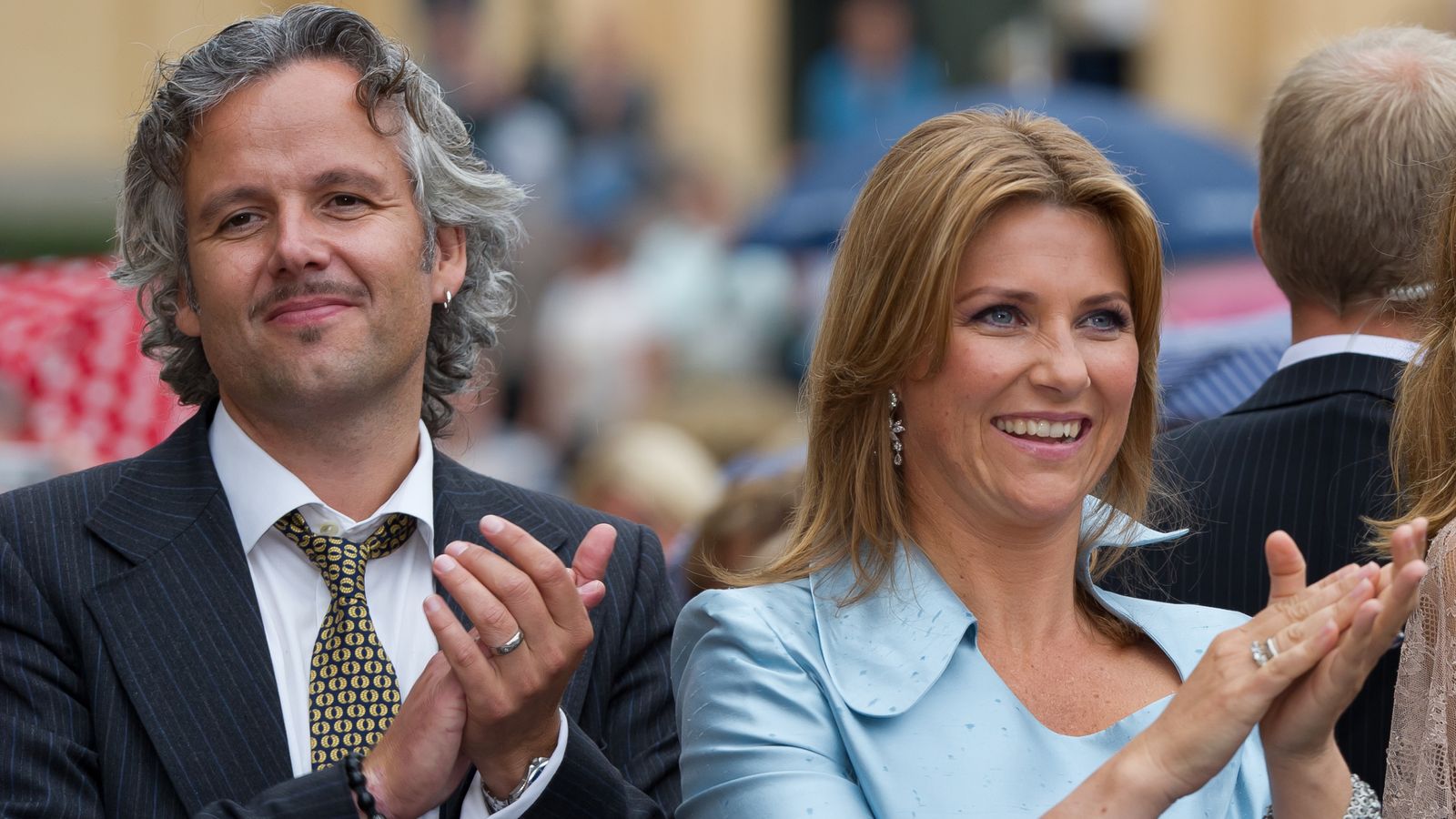
The tragic death of Ari Behn on Christmas Day in 2019 triggered an unprecedented public and institutional response in Norway, fundamentally shifting how mental health, suicide bereavement, and public grief are discussed within Scandinavian society and beyond. As an accomplished author, former royal family member, and prominent cultural figure, Behn’s passing broke long-standing cultural taboos surrounding suicide, prompting raw public expressions of grief, extensive media self-reflection, and national conversations about vulnerability, male mental health, and the pressures of public life.
Understanding Ari Behn: Identity, Cultural Standing, and the Public Persona
Ari Behn was much more than an author or a former member of the Norwegian royal family by virtue of his marriage to Princess Märtha Louise, which lasted from 2002 until their divorce in 2017. He was a polarizing, flamboyant, and deeply creative figure in Norwegian cultural life. Bursting onto the literary scene in 1999 with his acclaimed collection of short stories, Trist som hell (Sad as Hell), Behn established himself as a distinct voice who challenged bourgeois conventions and courted both critical praise and intense media scrutiny.
Over the years, Behn’s career expanded beyond literature into visual arts, playwriting, and design. He was known for his avant-garde paintings, theatrical personality, and unfiltered public presence. This visibility made him a frequent target of tabloid journalism, satire, and public debate. Yet, beneath the bohemian exterior and media-constructed persona lay a complex, sensitive individual who struggled intensely with personal demons, creative pressures, and the relentless glare of public expectations. Understanding the public response to his death requires examining how deeply integrated his public persona was into the daily cultural fabric of Norway.
| Aspect of Ari Behn's Public Life | Description and Cultural Significance |
|---|---|
| Literary Debut | Published Trist som hell in 1999, selling over 100,000 copies and instantly establishing him as a major, albeit controversial, literary talent. |
| Royal Connection | Married Princess Märtha Louise in 2002, integrating him directly into the Norwegian Royal House and amplifying his media profile. |
| Multifaceted Artistry | Worked extensively as a painter, author, playwright, and ceramicist, maintaining a prolific creative output despite public criticism. |
| Public Scrutiny | Frequently scrutinized by Norwegian media for his lifestyle, artistic choices, and outspoken nature, creating a duality between public perception and private reality. |
The Immediate Aftermath: Shock, Grief, and Official Reactions
When news broke that Ari Behn had died by suicide on December 25, 2019, at the age of 47, the shock wave reverberated immediately through Norway and international communities. Christmas Day, a time traditionally associated with familial warmth and celebration, was abruptly overshadowed by national mourning. The contrast between the festive holiday spirit and the sudden tragedy heightened the emotional impact on the public.
Within hours, official statements from the Norwegian royal family set a tone of profound personal grief and national sorrow. King Harald and Queen Sonja released a statement expressing devastation, noting that Behn had been an important part of their family for many years and that they carried warm, grateful memories of him. Prime Minister Erna Solberg also offered condolences, highlighting Behn’s significant cultural contributions and the tragedy of suicide.
The immediate public response was characterized by spontaneous memorials. Citizens began gathering outside the Royal Palace in Oslo, placing candles, flowers, and handwritten notes in the freezing winter air. Similar tributes emerged in Trondheim and Moss, places closely tied to Behn’s life and upbringing. These impromptu memorials served as physical tethers for a stunned population trying to process a loss that felt both deeply personal and intensely public.
Breaking the Taboo: The Cultural Shift in Discussing Suicide
One of the most consequential outcomes of Ari Behn's death was the profound shift it catalyzed in public discourse surrounding suicide and mental health. Historically, Norwegian media, adhering to strict ethical guidelines modeled after the World Health Organization's recommendations for reporting suicide, exercised extreme caution to prevent contagion effects. While these guidelines remain vital, Behn’s family—specifically led by an open declaration from his relatives—made the deliberate choice to name suicide explicitly in their public statements.
This decision opened a floodgate for a national conversation. By refusing to shroud the cause of death in euphemisms, Behn's family removed the immediate veil of shame and secrecy often accompanying suicide. In the days and weeks following his passing, Norwegian newspapers, television networks, and radio stations dedicated extensive coverage not to sensationalizing the act, but to exploring the underlying systemic issues of mental health, loneliness, and the invisible struggles of high-profile individuals.
Public figures, artists, and ordinary citizens stepped forward to share their own battles with depression and suicidal ideation. The national helpline services, such as Mental Helse and Kirkens SOS, reported an unprecedented surge in calls. People who had long suffered in silence felt validated and encouraged to seek help. Behn’s death became a painful turning point, transforming private agony into an urgent public health imperative across Scandinavia.
The Royal Family’s Role and the Memorial Service
The state funeral of Ari Behn, held at Oslo Cathedral on January 3, 2020, was a defining moment in the collective mourning process. Broadcast live on national television, the ceremony brought together members of the Norwegian royal family, foreign dignitaries, cultural icons, and thousands of ordinary mourners.
The service was striking for its raw emotional honesty and artistic tribute. Princess Märtha Louise, along with their three daughters—Maud Angelica, Leah Isadora, and Emma Tallulah—demonstrated extraordinary grace and composure under unimaginable grief. The most searing moment of the service came from his eldest daughter, 11-year-old Maud Angelica Behn, who delivered a powerful, poised eulogy directly addressing her father and offering a poignant message to anyone struggling with mental illness. She urged those in pain to seek help, stating powerfully that suicide is not the only option.
- Shock & Announcement (Dec 25, 2019): Immediate national disbelief.
- Spontaneous Tributes: Candles and flowers left at royal palaces.
- Open Discourse: Media and family break taboos surrounding suicide.
- State Funeral (Jan 3, 2020): National broadcast and raw eulogies.
- Long-term Advocacy: Sustained focus on mental health resources.
The involvement of the royal family in such an open, vulnerable manner bridged the traditional gap between the monarchy and the public. By grieving openly alongside the nation, the royals humanized the tragedy, reinforcing that mental health struggles cross all social boundaries, wealth tiers, and public statuses.
Media Self-Reflection and Ethical Journalism
The public response to Ari Behn's death also forced a profound reckoning within the Norwegian media landscape. For years, Behn had been a frequent subject of tabloid headlines, television satire, and public critique. Following his death, media analysts, editors, and journalists engaged in rigorous introspection regarding the ethics of relentless public scrutiny and cyberbullying.
Editorial boards across major Norwegian publications reviewed how they covered public figures who exhibited vulnerability or unconventional behavior. Critics pointed out that the satirical portrayals and harsh media framing Behn experienced throughout his career may have exacerbated his isolation. This realization sparked broader conversations about digital empathy, the toxicity of online comment sections, and the responsibility of the press in shaping public empathy.
As a result, several media houses instituted tighter internal guidelines concerning comments on articles dealing with mental health and personal tragedies. While tabloid culture did not disappear overnight, the discourse surrounding Behn’s passing instilled a more mindful approach to how public figures are discussed, bridging the gap between sensationalism and human dignity.
Long-Term Legacy on Mental Health Advocacy in Norway
Years after his passing, the legacy of Ari Behn’s death continues to shape mental health advocacy in Norway and the wider Nordic region. The surge in public awareness translated into concrete institutional changes, increased funding for mental health organizations, and sustained public campaigns aimed at men, who statistically account for the vast majority of suicide deaths in Norway and most Western countries.
Mental health organizations noted that the "Ari Behn effect" permanently altered the societal lexicon. Talking openly about depression, anxiety, and suicidal thoughts became less stigmatized in workplaces, schools, and family homes. His daughters continued this advocacy work, lending their voices to charitable organizations and youth mental health initiatives, ensuring that their father's suffering translated into a force for saving others.
Furthermore, Behn’s artistic legacy underwent a reassessment. Rather than being remembered primarily through the lens of tabloid controversies, his literary works, paintings, and plays were re-evaluated with a deeper appreciation for his emotional depth, existential inquiry, and uncompromising artistic vision.
Frequently Asked Questions
Who was Ari Behn?
Ari Behn was a prominent Norwegian author, playwright, and visual artist. He gained international recognition following his 1999 short story collection Trist som hell and his marriage to Princess Märtha Louise of Norway from 2002 to 2017.
How did Ari Behn die?
Ari Behn died by suicide on December 25, 2019, at his home in Lommedalen, Norway, at the age of 47. His family chose to disclose the cause of death publicly to combat stigma and encourage open conversations about mental health.
What was the immediate public reaction in Norway?
The public reaction was characterized by widespread shock, grief, and national mourning. Thousands of citizens left candles and flowers outside the Royal Palace in Oslo, and the tragedy prompted unprecedented national discussions about suicide prevention.
How did the Norwegian royal family respond to his death?
King Harald, Queen Sonja, Princess Märtha Louise, and other senior royals expressed profound grief in official statements. They attended his televised state funeral, where family members delivered moving tributes that emphasized the importance of mental health awareness.
What impact did his death have on mental health reporting?
His death catalyzed a major shift in how Norwegian media and society discuss suicide. By breaking traditional taboos and naming the cause of death openly, the response encouraged individuals struggling with mental health issues to seek professional help and sparked rigorous self-reflection within journalism regarding public scrutiny.
Conclusion and Next Actions
The public response to the death of Ari Behn remains a watershed moment in modern Scandinavian social history. It demonstrated how collective grief can be channeled into constructive societal change, breaking centuries-old taboos surrounding suicide and mental health. For anyone affected by the themes discussed in this article, professional help and confidential support services are available globally. In Norway, organizations such as Mental Helse (116 123) and Kirkens SOS (22 40 00 40) provide immediate, round-the-clock assistance. Engaging with these resources or supporting mental health advocacy initiatives represents a vital continuation of the conversation sparked by Behn's tragic passing.