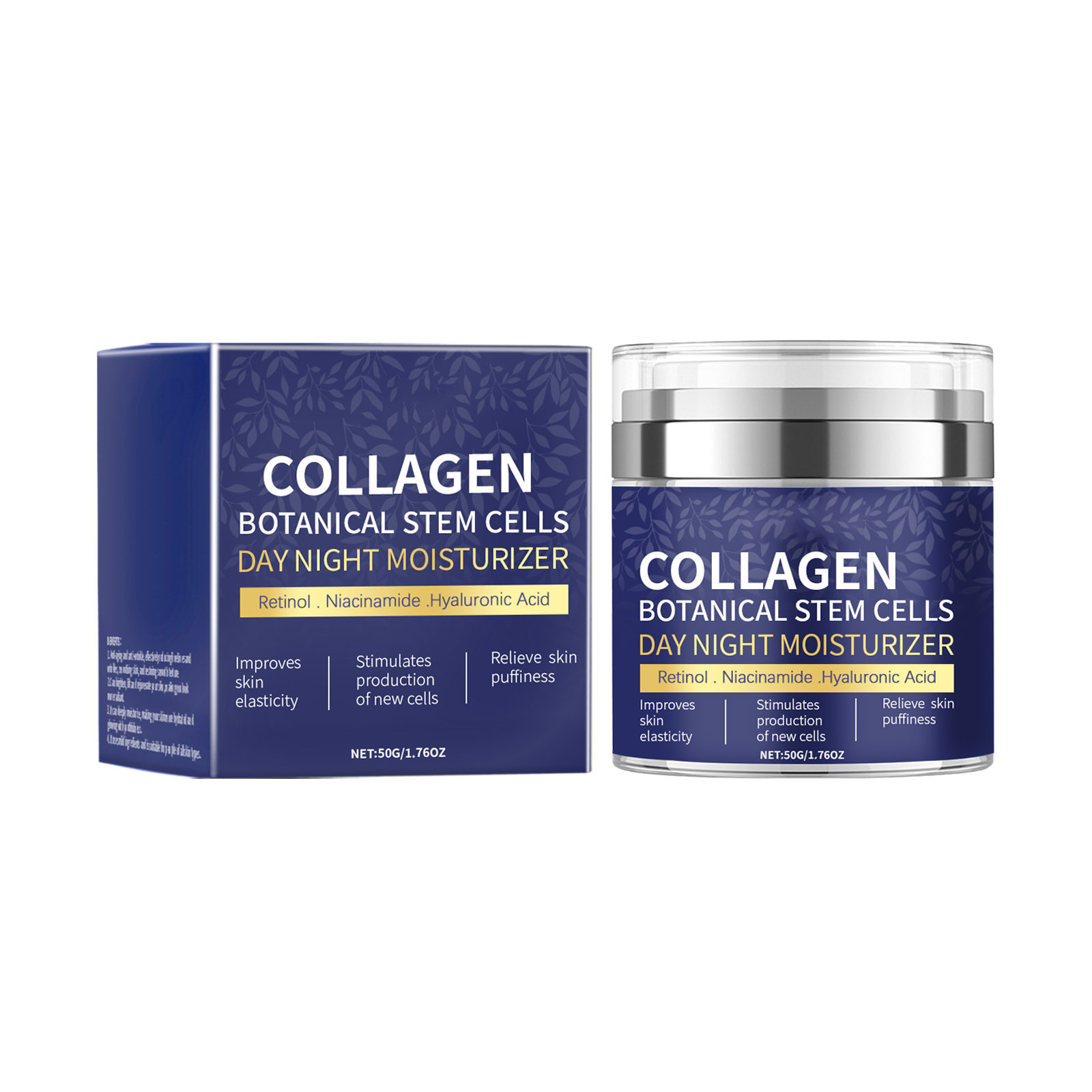
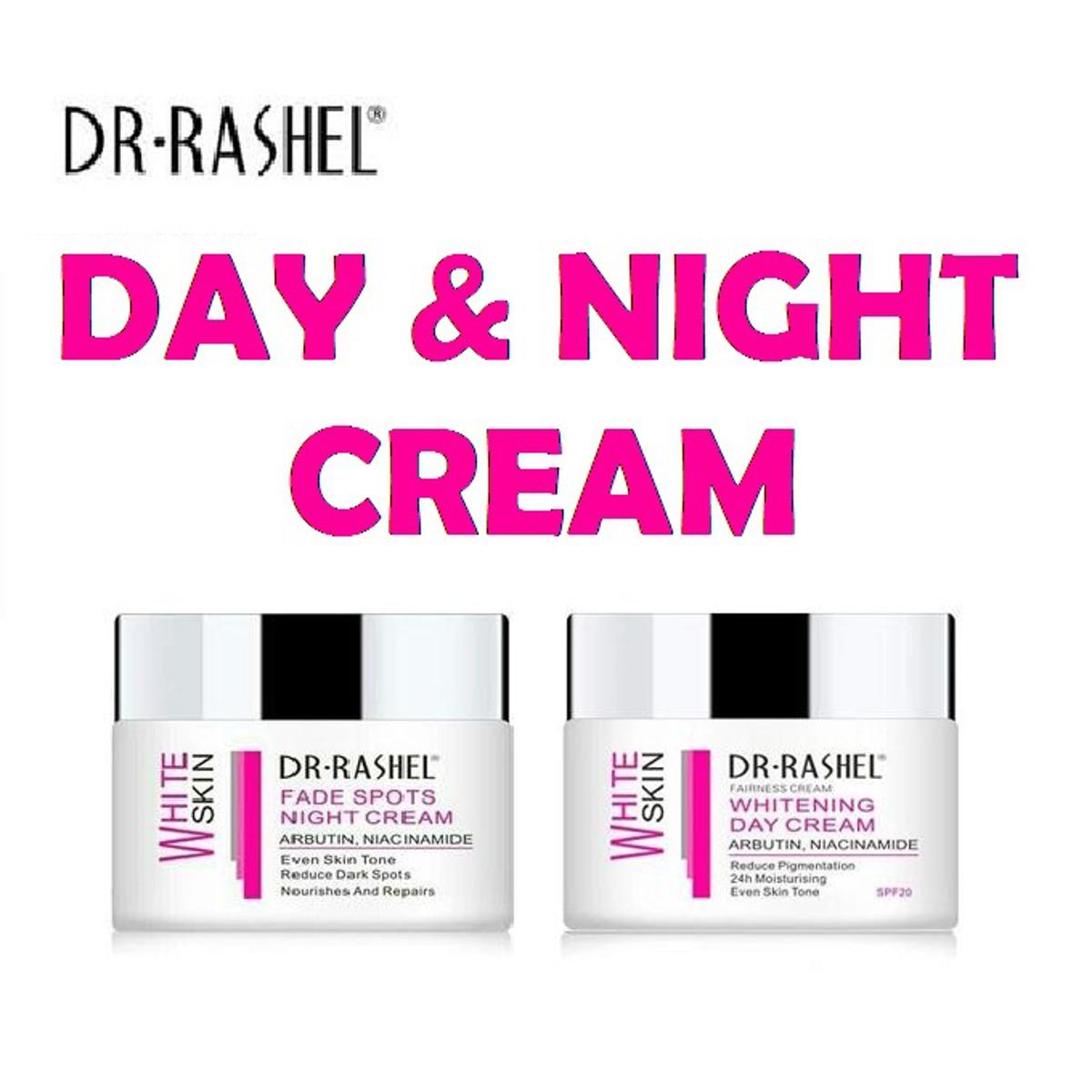
Anti-aging day and night creams are specialized topical treatments designed to address skin aging around the clock. Day creams focus on protection against UV rays and pollution, while night creams prioritize cellular repair and deep hydration. Together, they synchronize with the body’s circadian rhythms to reduce wrinkles, improve elasticity, and maintain a youthful complexion.
Understanding the Biological Necessity of Separate Creams
The concept of using different creams for day and night is not merely a marketing strategy; it is rooted in the fundamental biology of human skin. As of 2026, dermatological research has further solidified our understanding of the skin's circadian rhythm—the 24-hour internal clock that dictates how cells behave at specific times.
During the daylight hours, the skin is in a defensive state. It faces a constant barrage of environmental stressors, including ultraviolet (UV) radiation, High-Energy Visible (HEV) light from screens, and particulate matter from urban pollution. These factors trigger the production of free radicals, which are unstable molecules that damage collagen and elastin, leading to premature aging (photoaging). Consequently, a day cream must function as a shield.
At night, the biological priority shifts. As the body enters a state of rest, the skin’s permeability increases, and the rate of cell division (mitosis) peaks. This is the period when DNA repair mechanisms are most active and the skin works to undo the damage accumulated during the day. However, this increased permeability also leads to higher rates of transepidermal water loss (TEWL). A night cream is engineered to support these recovery processes by providing heavy-duty moisture and high concentrations of active "repair" ingredients that might be too unstable or irritating to use in the sun.
The Anatomy of a High-Performance Day Cream
A high-quality day cream in 2026 is defined by its ability to neutralize environmental threats while providing a cosmetically elegant base for daily wear. Because it must sit comfortably under makeup or alongside supplemental sunscreen, the texture is generally lighter than its nighttime counterpart.
Photoprotection and SPF
While many users apply a dedicated sunscreen, modern anti-aging day creams often incorporate broad-spectrum SPF 30 or higher. The goal is to protect against both UVA rays (which cause long-term aging and deep structural damage) and UVB rays (which cause immediate burning). In 2026, we see more formulations including "iron oxides," which have been proven to help protect against visible light, particularly for those prone to hyperpigmentation or melasma.
Antioxidant Shielding
The inclusion of antioxidants is non-negotiable for a day cream. Vitamin C (L-ascorbic acid or its more stable derivatives like Tetrahexyldecyl Ascorbate) remains the gold standard. It works by donating electrons to neutralize free radicals before they can degrade the skin’s support structure. Other critical antioxidants found in 2026 formulations include Vitamin E, Ferulic Acid, and Resveratrol. When combined, these ingredients exhibit a synergistic effect, significantly boosting the skin’s inherent photoprotective capabilities.
Barrier Support and Hydration
Even in a defensive mode, the skin requires hydration. Day creams often utilize "humectants" like Hyaluronic Acid or Glycerin, which pull moisture into the skin without adding heavy oils. This ensures the skin remains plump, which physically minimizes the appearance of fine lines throughout the day. Additionally, Niacinamide (Vitamin B3) is a common inclusion because it strengthens the skin barrier and regulates sebum production, making it suitable for a wide range of skin types.
The Anatomy of a High-Performance Night Cream
Night creams are characterized by their richness and the potency of their active ingredients. Because the skin is not exposed to UV light at night, manufacturers can include higher concentrations of photosensitive ingredients that would otherwise degrade or cause sensitivity in the sun.
Retinoids and Cellular Turnover
Retinoids (including Retinol, Retinaldehyde, and Tretinoin) are the most studied and effective anti-aging ingredients available. They work by binding to retinoic acid receptors in the skin, stimulating collagen production and accelerating cell turnover. By 2026, many over-the-counter night creams have transitioned to "Hydroxypinacolone Retinoate" (HPR) or encapsulated Retinol, which provides the same benefits as traditional Retinol but with a significantly lower risk of the redness and peeling typically associated with the "retinization" process.
Deep Emollients and TEWL Prevention
Because transepidermal water loss increases while you sleep, night creams are formulated with "occlusives" and "emollients." Ingredients such as Ceramides, Squalane, and Shea Butter create a breathable but effective seal over the skin. This prevents moisture from evaporating into the dry air of a bedroom, ensuring that you wake up with a hydrated, supple complexion. Ceramides are particularly important as they are the lipids that hold skin cells together, forming a protective layer that limits moisture loss.
Peptides and Growth Factors
Peptides are short chains of amino acids that act as chemical messengers. In a night cream, specific peptides like Matrixyl 3000 or copper peptides signal the skin to produce more collagen and elastin. By 2026, biomimetic peptides—which mimic natural biological processes—have become standard in high-end night creams to target specific concerns like jawline sagging or deep forehead furrows.
Key Anti-Aging Ingredients to Look for in 2026
When evaluating an anti-aging system, the ingredient list (INCI) provides the most reliable evidence of efficacy. The following table summarizes the primary roles of the most effective ingredients currently used in day and night formulations.
| Ingredient Class | Common Names | Primary Benefit | Best Used In |
|---|---|---|---|
| Retinoids | Retinol, Retinal, HPR | Increases cell turnover, builds collagen | Night |
| Antioxidants | Vitamin C, Ferulic Acid | Neutralizes free radicals, brightens skin | Day |
| Peptides | Palmitoyl Pentapeptide-4 | Signals collagen synthesis and repair | Night |
| Humectants | Hyaluronic Acid, Glycerin | Draws moisture into the skin layers | Both |
| Sunscreen | Zinc Oxide, Avobenzone | Prevents UV-induced DNA damage | Day |
| Niacinamide | Vitamin B3 | Refines pores, strengthens barrier | Both |
| Lipids | Ceramides, Cholesterol | Repairs the protective skin barrier | Night |
How to Tailor Your Routine to Your Skin Type
Not every anti-aging cream is suitable for every individual. Choosing the wrong formulation can lead to breakouts, irritation, or insufficient results.
Dry and Mature Skin
Mature skin often experiences a significant drop in lipid production. For this demographic, a day cream should be creamy rather than a gel, containing oils like Jojoba or Argan oil. The night cream should be a thick "balm" consistency, focusing heavily on Ceramides and fatty acids to compensate for the lack of natural sebum.
Oily and Acne-Prone Skin
Those with oily skin should look for "non-comedogenic" (pore-clogging) labels. A day cream for this type should be a lightweight fluid or gel-cream. In 2026, many oily-skin anti-aging products incorporate Salicylic Acid or Niacinamide to manage oil while delivering anti-aging benefits. For the night, a Retinal-based serum followed by a lightweight, oil-free moisturizer is often more effective than a heavy cream.
Sensitive Skin and "Inflammaging"
"Inflammaging" refers to the chronic, low-grade inflammation that accelerates the aging process. Sensitive skin types should avoid heavy fragrances and high-strength Glycolic Acid. Instead, they should look for soothing ingredients like Centella Asiatica (Cica), Allantoin, or Bakuchiol—a plant-based Retinol alternative that provides similar anti-aging benefits without the irritation.
Application Techniques for Maximum Efficacy
The way you apply your creams can significantly impact their absorption and performance. For both day and night, the "Thin-to-Thick" rule applies: always apply the lightest products (serums) first, followed by your creams.
- Cleansing: Start with a clean canvas. Use a gentle, pH-balanced cleanser to remove debris without stripping the barrier.
- Damp Skin: Apply your day or night cream while the skin is still slightly damp. This helps humectants like Hyaluronic Acid lock in extra moisture.
- The "Dot" Method: Place dots of cream on your forehead, cheeks, chin, and—crucially—the neck and décolletage. These areas often show signs of aging faster than the face because the skin is thinner.
- Upward Motions: Massage the cream using gentle, upward strokes. This avoids pulling the skin downward and may help with lymphatic drainage to reduce puffiness.
- Wait Time: Allow the day cream to absorb for at least three to five minutes before applying makeup to prevent "pilling" (the product rolling off in small balls).
Common Mistakes in Anti-Aging Regimens
Even with the best products, certain habits can undermine your progress.
- Using Night Cream During the Day: Because night creams lack SPF and often contain photosensitizing ingredients like Retinol, using them during the day can actually increase your risk of sun damage.
- Neglecting the Neck: Many people stop their skincare at the jawline. The neck and chest are highly susceptible to "crepiness" and sunspots; they require the same level of antioxidant protection and hydration as the face.
- Inconsistency: Anti-aging is a marathon, not a sprint. It takes approximately 30 to 60 days for skin cells to turnover and for the effects of ingredients like Retinol to become visible.
- Mixing Too Many Actives: Using Vitamin C, Retinol, and high-strength Alpha Hydroxy Acids (AHAs) all at once can compromise the skin barrier. It is better to use Vitamin C in the morning and Retinol at night.
Frequently Asked Questions
Can I use the same cream for both day and night?
While you can, it is not optimal. A day cream lacks the regenerative potency required for nighttime repair, and a night cream lacks the SPF and antioxidant shield required for daytime protection. If you must use one, choose a basic moisturizer and apply a separate high-SPF sunscreen during the day.
At what age should I start using anti-aging creams?
Dermatologists generally recommend starting a preventative anti-aging routine in your mid-20s. This is when natural collagen production begins to slow by approximately 1% each year. Prevention is significantly more effective than attempting to reverse deep-set wrinkles later in life.
Will these creams work on deep wrinkles?
Anti-aging creams are highly effective at smoothing fine lines, improving texture, and evening out skin tone. However, for very deep, structural wrinkles (static wrinkles), topical creams have limitations. In those cases, they are best used in conjunction with professional treatments like microneedling or lasers.
How long does it take to see results?
Hydration benefits are immediate. However, structural changes—such as the reduction of fine lines and fading of dark spots—typically take 8 to 12 weeks of consistent use. This aligns with the time required for new collagen to form and for pigmented cells to be shed.
Is Bakuchiol as effective as Retinol?
Research indicates that Bakuchiol offers similar results to Retinol in terms of wrinkle reduction and hyperpigmentation fading but with much better tolerability for sensitive skin. However, Retinol still has a much larger body of long-term clinical evidence supporting its efficacy.
Practical Recommendation
For the best results in 2026, look for a "system" approach. In the morning, apply a Vitamin C serum followed by a lightweight day cream with at least SPF 30. In the evening, use a Retinoid-based treatment followed by a ceramide-rich night cream. If you have sensitive skin, swap the Retinoid for a Bakuchiol formulation. Always perform a patch test on your inner forearm before introducing a new active ingredient to your facial routine to ensure compatibility.