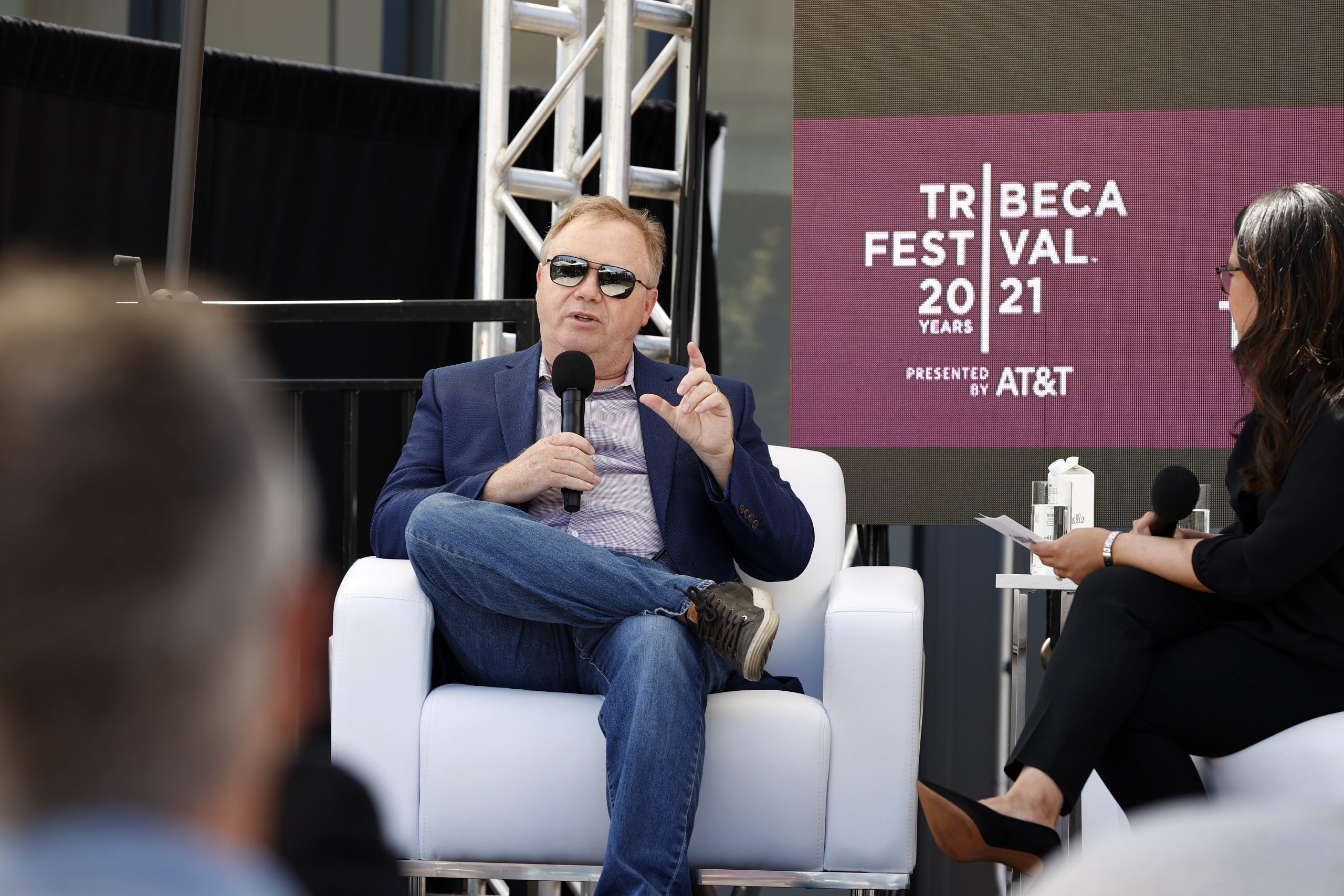
Anthony Wood transformed the television industry by transitioning Roku from a hardware-focused Netflix spin-off into a dominant streaming platform and advertising powerhouse. Through strategic licensing of the Roku OS and a "Switzerland-style" neutrality, Wood successfully navigated the streaming wars to lead the market in active user engagement and programmatic ad revenue.
The Architect of Modern Television: Anthony Wood’s Early Career
Long before Roku became a household name, Anthony Wood was already an established figure in the world of digital media. A serial entrepreneur with an engineering background from Texas A&M University, Wood founded his first company, SunRize Industries, while still a student. However, his most significant early contribution to the tech landscape was the creation of ReplayTV.
Launched in the late 1990s, ReplayTV was the first digital video recorder (DVR) to compete directly with TiVo. While TiVo ultimately won the marketing war of that era, ReplayTV introduced features that would define the next two decades of media consumption, such as the ability to skip commercials and pause live television. Wood’s experience with ReplayTV provided a critical lesson: the hardware was merely a vessel for the software experience. When ReplayTV was eventually sold to SONICblue, Wood took the insights he gained about user behavior and the friction of traditional cable TV and began conceptualizing what would become his sixth venture: Roku.
The name "Roku" means "six" in Japanese, signifying Wood's sixth company. Initially, the company experimented with various high-end hardware products, including the Roku SoundBridge, a network music player. However, the trajectory of the company changed forever when Wood took a temporary role as a Vice President at Netflix in the mid-2000s.
The Netflix Connection and the Birth of the "Project N" Player
In 2007, Netflix was at a crossroads. CEO Reed Hastings wanted a way to stream the company’s nascent "Watch Instantly" library directly to television sets without relying on third-party gaming consoles or expensive PCs. Wood was brought in to lead the development of a dedicated streaming box, internally codenamed Project N.
The device was nearly ready for launch when Hastings made a last-minute strategic decision. He realized that if Netflix manufactured its own hardware, other electronics giants like Sony, Samsung, and LG might view Netflix as a competitor rather than a partner, potentially refusing to integrate the Netflix app into their own devices. To maintain "platform neutrality," Hastings decided to spin off the Project N hardware team into an independent company.
Anthony Wood took the team and the technology back under the Roku brand. In May 2008, the first Roku Digital Video Player (DVP) was launched for $99. It was the first device capable of streaming Netflix directly to a TV, and it set the stage for the modern streaming era. This move allowed Roku to maintain a unique position in the market: it was a neutral platform that welcomed all content providers, a strategy that would prove vital as the "Streaming Wars" intensified.
Strategic Expansion: From Proprietary Hardware to OS Licensing
For the first few years, Roku was primarily seen as a hardware manufacturer. It competed against the Apple TV and later the Google Chromecast and Amazon Fire TV Stick. However, Wood recognized that a hardware-only business model was a race to the bottom. Profit margins on consumer electronics are notoriously thin, and the real value lay in controlling the operating system (OS) that powers the screen.
The Shift to Roku OS
Unlike competitors who adapted mobile operating systems (like Android) for the TV, Roku built its OS from the ground up specifically for the big screen. The Roku OS was designed to be lightweight, efficient, and capable of running on low-cost processors. This technical efficiency allowed Roku to produce hardware that was significantly cheaper than the Apple TV while maintaining a smooth user interface.
The Licensing Model
The true "rise" of Roku began in 2014 when the company announced its TV licensing program. Instead of just selling plug-in sticks and boxes, Roku began partnering with original equipment manufacturers (OEMs) like TCL, Hisense, and RCA.
By 2026, this move has solidified Roku’s position as the leading smart TV OS in North America. By providing the software, updates, and content ecosystem, Roku allowed budget-conscious TV manufacturers to offer a premium smart experience without the massive R&D costs of developing their own software. This strategy mirrored Microsoft’s approach with Windows in the 1990s: own the platform, and the hardware partners will drive the scale.
The Pivot to Platform: Advertising and The Roku Channel
By the late 2010s, the financial narrative of Roku shifted. Anthony Wood famously noted that the company does not aim to make a profit on the hardware; instead, the hardware serves as a customer acquisition tool. Once a user is in the Roku ecosystem, the company generates revenue through its Platform Segment, which includes advertising, distribution fees, and the sale of premium subscriptions.
Programmatic Advertising
Roku's acquisition of Dataxu in 2019 was a pivotal moment for its advertising tech stack. It allowed Roku to offer sophisticated, data-driven programmatic advertising. Because Roku owns the OS, it has access to first-party data regarding what users are watching, even on linear TV (via Automatic Content Recognition or ACR technology). This data is invaluable to advertisers who want to target specific demographics in an era where traditional cable ratings are declining.
The Roku Channel
Launched in 2017, The Roku Channel became the centerpiece of Wood’s platform strategy. By offering a free, ad-supported streaming service (FAST), Roku created a destination for users that it completely controlled. In the years leading up to 2026, Roku expanded this further by investing in Roku Originals, purchasing the library of the short-lived Quibi, and producing original films and series like Weird: The Al Yankovic Story. The Roku Channel serves two purposes: it keeps users within the Roku ecosystem and provides a massive inventory of ad space that Roku can sell at high margins.
| Milestone Year | Event | Strategic Impact |
|---|---|---|
| 2002 | Roku Founded | Established as Anthony Wood's 6th venture. |
| 2008 | Launch of first Netflix Player | Created the first affordable consumer streaming box. |
| 2014 | Roku TV Licensing Program | Shifted focus from hardware sales to OS dominance. |
| 2017 | Launch of The Roku Channel | Entered the Free Ad-Supported TV (FAST) market. |
| 2019 | IPO & Dataxu Acquisition | Bolstered programmatic advertising capabilities. |
| 2021-2023 | Entry into Smart Home | Diversified ecosystem into cameras, lighting, and security. |
| 2024-2026 | First-Party Roku Pro TVs | Introduced high-end hardware designed and built by Roku. |
Technical Architecture: Why Roku Outperformed Rivals
A significant part of Roku’s rise is attributed to its technical philosophy. While Amazon and Google use their TV platforms to funnel users into their respective retail and search ecosystems, Roku’s singular focus is television.
- BrightScript and SceneGraph: Roku uses a proprietary scripting language called BrightScript. While this initially created a learning curve for developers, it allowed Roku to optimize performance for low-power hardware. The SceneGraph framework ensures that UI animations remain fluid even on a $150 smart TV.
- Universal Search: One of Wood's early mandates was that Roku should be "content-first." Roku’s universal search was revolutionary because it didn't prioritize its own content over others (initially). If a movie was cheaper on Vudu than on Amazon, Roku would show you that. This transparency built significant consumer trust.
- App Agnosticism: Because Roku is not a major producer of mobile phones or a cloud-computing provider in the same vein as its rivals, it has been able to resolve carriage disputes (like those with YouTube TV or HBO Max in the early 2020s) by positioning itself as the essential gateway to the living room.
Navigating the Competitive Landscape in 2026
As of 2026, the streaming landscape has matured. The "Rise of Roku" is no longer about surviving; it is about maintaining a dominant market share against the "Big Three" (Amazon, Google, and Apple) and emerging threats from retail giants like Walmart (which acquired Vizio in 2024).
Under Anthony Wood’s continued leadership, Roku has expanded into the Smart Home sector, integrating security cameras and smart lighting into the TV interface. This creates a "sticky" ecosystem where the TV acts as the hub for the entire household. Furthermore, the introduction of the Roku Pro Series TVs marks a return to high-end hardware, but this time with Roku controlling the entire manufacturing stack to showcase the full potential of the Roku OS.
The company’s growth in international markets, particularly in Latin America and parts of Europe, remains the primary frontier. By replicating the OEM licensing model used in the United States, Wood aims to make Roku OS the global standard for connected TV (CTV).
Frequently Asked Questions
Who is Anthony Wood and what is his net worth?
Anthony Wood is the founder, Chairman, and CEO of Roku, Inc. He is a billionaire entrepreneur who previously founded ReplayTV, one of the first DVR companies. As of the mid-2020s, his wealth is largely tied to his significant ownership stake in Roku, fluctuating with the company's stock performance. He is known for a low-key leadership style focused on engineering and long-term platform scaling.
Why did Netflix decide not to launch the Roku box themselves?
Netflix CEO Reed Hastings was concerned that if Netflix produced its own hardware, it would alienate other hardware manufacturers. If Samsung or Sony felt Netflix was a direct hardware competitor, they might have refused to put the Netflix app on their TVs and Blu-ray players. Spinning Roku off allowed Netflix to remain an app-based service available on all devices, while Roku became the neutral platform for all streaming services.
How does Roku make money if its players are so cheap?
Roku uses a "razor and blade" business model. It sells hardware (streaming sticks and players) at or near cost to get into as many homes as possible. The majority of its profit comes from the "Platform" segment, which includes taking a percentage of subscription fees processed through its billing system, selling advertising space on its home screen and within The Roku Channel, and licensing its OS to TV manufacturers.
What is the difference between Roku OS and Android TV?
Roku OS is a proprietary, Linux-based operating system built specifically for television. It is designed to be simple and easy to navigate with a focus on "channels" (apps). Android TV (and Google TV) is based on the Android mobile OS. While Android TV offers more customization and a larger library of non-media apps, Roku is often cited for its ease of use, stability, and lack of clutter, making it a preferred choice for the average consumer.
Is Anthony Wood still the CEO of Roku in 2026?
Yes, Anthony Wood remains the CEO and Chairman of Roku in 2026. He has maintained a consistent vision for the company for over two decades, guiding it through its IPO in 2017 and its subsequent transformation into an advertising and original content powerhouse.
Practical Next Actions for Consumers and Investors
For those looking to leverage the Roku ecosystem or understand its market position, consider the following steps:
- For Consumers: If you are purchasing a new television in 2026, evaluate the integrated OS. Roku-powered TVs (like the Pro Series or TCL models) offer the most streamlined experience for users who prioritize ease of use and free, ad-supported content through The Roku Channel.
- For Content Creators: Explore the Roku Direct Publisher tools or the SDK if you are looking to launch a streaming channel. Roku’s massive active user base makes it a primary target for niche content distribution.
- For Investors: Monitor Roku's "Average Revenue Per User" (ARPU) and its international expansion progress. The company's value is increasingly tied to its ability to monetize users outside of North America and its success in the programmatic ad market.
The rise of Roku is a testament to Anthony Wood's belief that the television experience should be as simple and accessible as the internet itself. By focusing on the platform rather than just the box, Roku has secured its place as a cornerstone of modern digital entertainment.