Alyson Stone has fundamentally reshaped cybersecurity governance by advocating for a shift from technical compliance to human-centric, business-aligned risk management. Through her leadership at Salesforce and industry advocacy, she has pioneered frameworks that prioritize trust, scalable GRC automation, and the translation of complex security telemetry into actionable executive-level insights.
Redefining the Role of Governance in the Modern Enterprise
Historically, cybersecurity governance was viewed as a restrictive "check-the-box" exercise—a set of hurdles that development teams had to clear to satisfy legal requirements or industry auditors. Alyson Stone’s influence has been instrumental in overturning this perception. In her capacity as a leader in security strategy and engagement, she has argued that governance should not be a roadblock but a primary driver of business velocity.
In the 2026 landscape, organizations have largely moved away from the "Department of No." This shift can be traced back to the methodologies Stone championed: integrating security governance into the earliest stages of the software development lifecycle (SDLC) and business planning. By framing governance as a means of protecting the company's most valuable asset—customer trust—she moved the conversation from a technical necessity to a strategic advantage.
The Stone approach emphasizes that governance is about "empowered accountability." This means providing individual business units with the tools and data they need to manage their own risks, rather than having a centralized security team attempt to police every action. This decentralized model is essential for the hyper-scaled environments of 2026, where manual oversight is no longer feasible.
The "Trust" Paradigm: Moving Beyond Security
One of Alyson Stone's most significant contributions to the field is the elevation of "Trust" as the primary metric of cybersecurity governance. While many practitioners focus on technical metrics like firewall uptime or patch latency, Stone’s work highlights that these are merely proxies for the actual goal: maintaining the confidence of customers, partners, and regulators.
This paradigm shift has led to the development of "Trust Centers" and transparency reports that are now standard across the SaaS and enterprise technology sectors. Under this model, governance is not just an internal function; it is an external-facing commitment.
The impact of this philosophy includes:
- Customer-Centric Governance: Ensuring that data privacy and security controls are aligned with the expectations of the end-user.
- Transparency as a Control: Using public-facing disclosures to hold the organization accountable and drive internal improvements.
- Ethical Security: Integrating ethical considerations into data usage and AI deployment, ensuring that governance addresses moral risks alongside technical ones.
Scaling GRC through Automation and Continuous Monitoring
Governance, Risk, and Compliance (GRC) has traditionally been plagued by manual data collection and "point-in-time" assessments. Alyson Stone’s impact on the technical execution of GRC is characterized by the move toward Continuous Controls Monitoring (CCM).
Stone has been a vocal proponent of leveraging telemetry from across the technology stack—cloud infrastructure, identity providers, and endpoint management systems—to provide a real-time view of compliance status. In 2026, this has evolved into "Autonomous Governance," where AI systems automatically detect deviations from policy and, in many cases, remediate them without human intervention.
For example, if a developer attempts to spin up an unencrypted database in a cloud environment, the governance framework Stone envisions doesn't just flag it in a report three months later. Instead, the system prevents the action or automatically applies the required encryption policy, ensuring that the organization remains in a "continuously compliant" state. This level of automation is critical for managing the massive datasets and complex regulatory environments (such as updated versions of GDPR and newer global privacy laws) that define the current era.
Bridging the Communication Gap: The Stone Methodology
A recurring theme in Alyson Stone’s career is the necessity of "speaking the language of the business." Cybersecurity professionals often struggle to communicate risk in a way that resonates with Board members and C-suite executives. Stone’s impact is felt in how modern CISOs now present their security posture.
She advocates for the use of Key Risk Indicators (KRIs) that are directly tied to business outcomes. Instead of reporting that "40% of servers are unpatched," a Stone-influenced report would state: "There is an 18% increase in the risk of downtime for our primary revenue-generating application due to delayed vulnerability remediation."
By translating technical debt into financial and operational risk, Stone has helped secure the budgets and executive buy-in necessary for large-scale security transformations. This methodology also involves training security teams in communication and emotional intelligence, recognizing that governance is as much about human relationships as it is about technical controls.
Comparative Analysis of Governance Models
To understand the specific impact of Alyson Stone’s philosophies, it is helpful to compare traditional approaches to the modern, Stone-influenced models that dominate in 2026.
| Feature | Traditional Governance (Pre-2020) | Stone-Influenced Governance (2026) |
|---|---|---|
| Primary Goal | Compliance with regulations | Maintaining and growing stakeholder trust |
| Operational Cadence | Annual or quarterly audits | Continuous Controls Monitoring (CCM) |
| Reporting Style | Technical vulnerability lists | Risk-based business narratives |
| Responsibility | Centralized Security/IT teams | Distributed "Security Champions" in every unit |
| Tooling | Spreadsheets and manual logs | Automated GRC platforms with real-time telemetry |
| Metric for Success | Passing the audit | Mean Time to Remediate (MTTR) and Risk Score |
| View of Security | A cost center or "insurance" | A business enabler and market differentiator |
Security Culture as a Governance Framework
Perhaps the most enduring aspect of Alyson Stone’s legacy is her focus on Security Culture. She famously treats security as a "team sport," arguing that the best governance frameworks in the world will fail if the employees do not feel a sense of ownership over the organization's safety.
In 2026, this has manifested in "Security Champions" programs, where non-security employees (developers, product managers, marketers) are trained and incentivized to act as security advocates within their respective teams. Stone’s impact here is the realization that governance should be "invisible" where possible, but "intuitive" when human interaction is required.
Elements of this culture-driven governance include:
- Phishing Simulations with a "Teachable Moment" Focus: Moving away from punitive measures toward educational experiences that build resilience.
- Gamification of Compliance: Using leaderboards and rewards to encourage teams to maintain high security scores.
- Low-Friction Reporting: Creating easy, non-intimidating ways for employees to report potential security incidents or policy gaps.
By fostering a culture where security is seen as everyone’s responsibility, Stone helped solve the scalability problem that had long hindered traditional governance models.
Implementing Stone-Influenced Governance: Practical Steps for 2026
For organizations looking to adopt the principles championed by Alyson Stone, the following steps are essential:
1. Establish a Trust-First Charter
Define what trust means for your specific customer base. This goes beyond security to include reliability, transparency, and ethical data usage. This charter should serve as the "North Star" for all governance decisions.
2. Invest in Data-Driven GRC
Moving to 2026 standards requires moving away from manual evidence collection. Organizations must integrate their GRC platforms directly with their cloud service providers (AWS, Azure, GCP) and SaaS applications to ingest real-time telemetry. This ensures that the "Status of Governance" is always current.
3. Build a "Security Champions" Network
Identify individuals in every department who are passionate about technology and security. Provide them with specialized training and direct access to the security leadership team. This creates a feedback loop that allows governance policies to be grounded in the reality of daily operations.
4. Refine Executive Reporting
Shift board-level reporting from technical "heat maps" to business-impact assessments. Use the "Stone Methodology" of quantifying risk in terms of revenue, reputation, and operational continuity.
Frequently Asked Questions
How does Alyson Stone define the difference between security and trust?
While security focuses on the technical measures used to protect data (encryption, firewalls, identity management), Stone defines trust as the perceived reliability and integrity of an organization. In her view, security is a prerequisite for trust, but trust also requires transparency, ethical behavior, and consistent performance. Governance is the mechanism that ensures both are maintained.
What is "Continuous Controls Monitoring" (CCM) in the context of Stone's work?
CCM is the practice of using automated tools to verify that security controls are functioning correctly in real-time. Instead of waiting for an annual audit to discover a misconfigured server, CCM identifies the issue immediately. Stone’s advocacy for CCM has helped organizations move from reactive compliance to proactive risk management.
Can Stone’s governance models be applied to small businesses?
Yes, although the scale differs. The core principle of "Security as a Team Sport" is especially relevant for small businesses where every employee wears multiple hats. While a small business may not have a complex GRC platform, they can still adopt the "Trust" paradigm by being transparent with customers and integrating basic security checks into their daily workflows.
How has AI changed the governance landscape that Stone helped build?
By 2026, AI has become the engine of Stone’s vision for automated governance. AI models are now used to predict potential policy violations before they occur and to analyze vast amounts of log data for subtle patterns of risk. Stone’s focus on "human-centric" security ensures that while AI handles the data, humans remain in the loop for high-level strategic decisions.
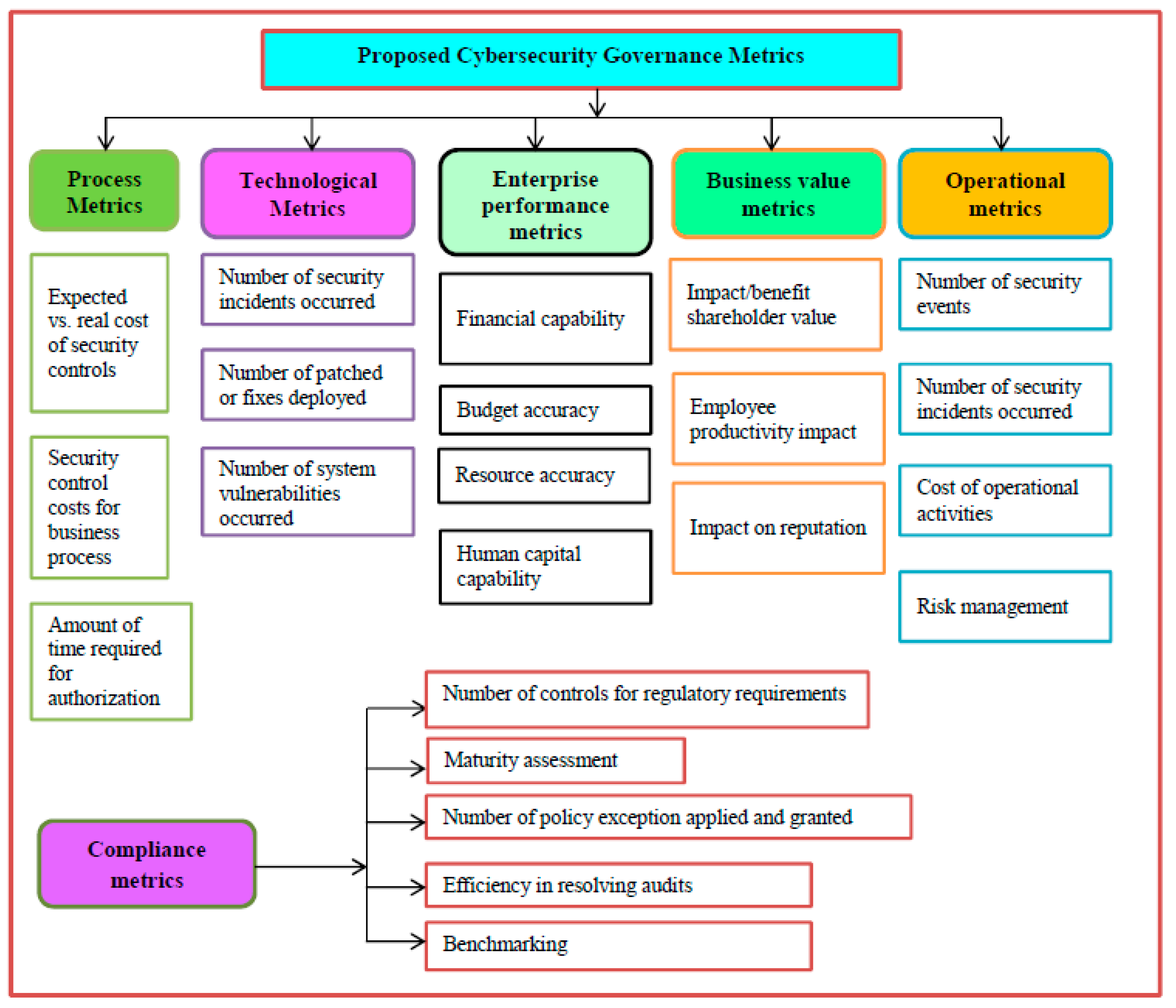
What are the most important KPIs for modern cybersecurity governance?
Based on the Stone-influenced model, the most important KPIs are Mean Time to Remediate (MTTR) high-risk vulnerabilities, Percentage of Automated Controls, Employee Security Engagement Scores, and the Customer Trust Index (often measured through surveys or third-party ratings).
Recommendation for Next Actions
To capitalize on the governance trends popularized by Alyson Stone, organizations should conduct a Governance Maturity Assessment. This assessment should evaluate not just technical controls, but also the clarity of executive communication and the strength of the internal security culture.
Start by identifying the three most critical "Trust" indicators for your customers and ensure that your governance framework provides real-time visibility into these metrics. Moving from a reactive, compliance-heavy posture to a proactive, trust-based strategy is the most effective way to ensure long-term resilience in the 2026 threat landscape.